
Dwarf Fly Honeysuckle Seeds – Lonicera xylosteum – 25 Seeds for Outdoor Planting
Original price was: $25.00.$17.50Current price is: $17.50.
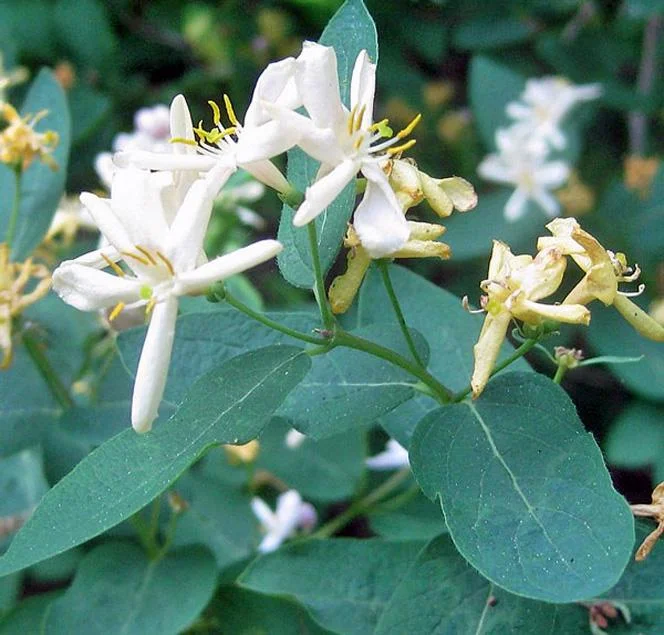
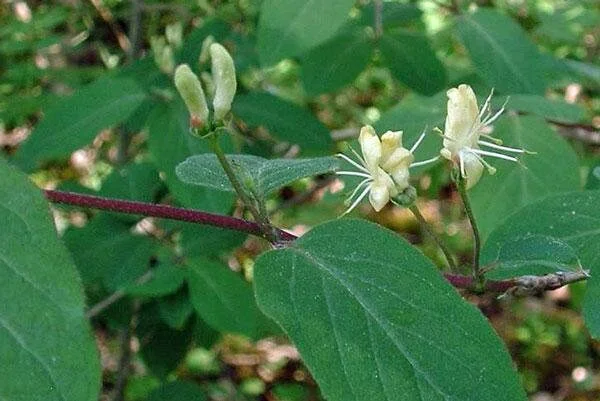
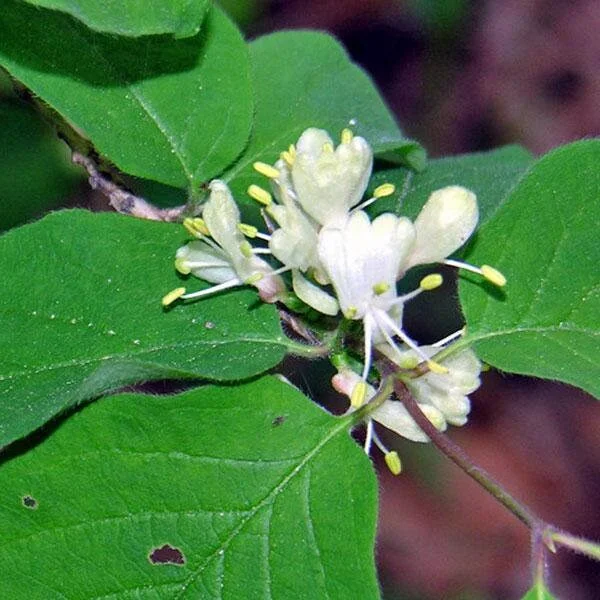
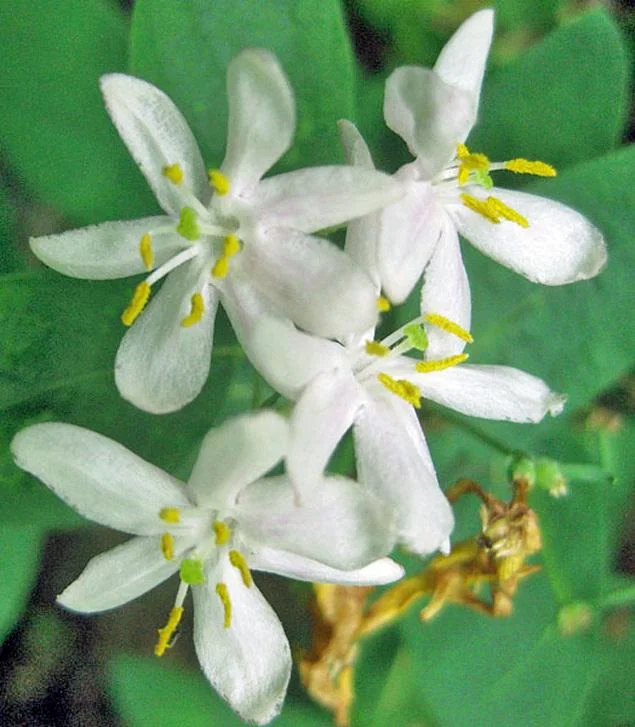
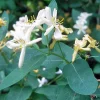
Cultivate a charming, resilient landscape with dwarf fly honeysuckle seeds. This packet contains 25 seeds of Lonicera xylosteum, a deciduous shrub known for its attractive yellowish-white flowers and ability to attract insects and birds. Ideal for hedges in colder regions, it’s also deer and drought tolerant.
Shipping and Return policies:
We stand behind our plants with our Alive & Thrive Guarantee. If you experience any issues within the first 30 days, please email us, and our team will be happy to help. When needed, we’ll send you a one-time replacement free of charge to make sure your garden keeps growing strong.

Reasonable Price
We offer reasonable price

Support 24/7
Contact us 24 hrs a day
100% Money Back
You’ve 30 days to Return
Payment Secure
100% secure payment
Overview
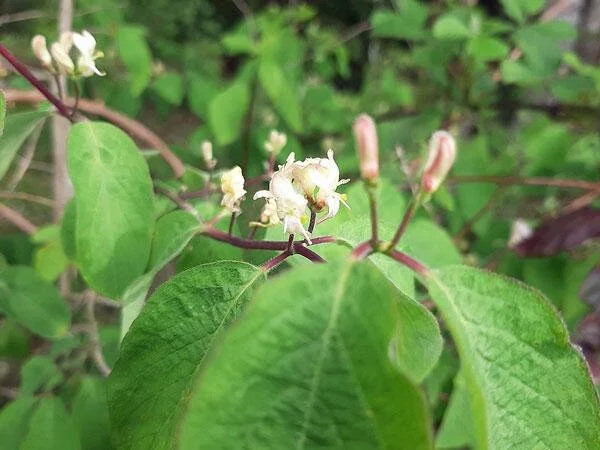
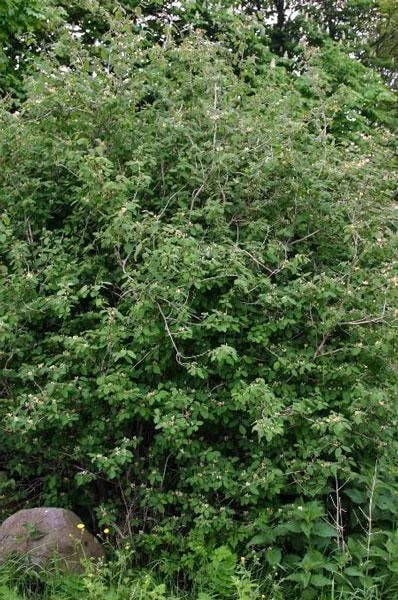
Embark on a rewarding gardening journey by planting dwarf fly honeysuckle seeds. This packet contains 25 high-quality seeds of Lonicera xylosteum, also known as European fly honeysuckle or fly woodbine. This deciduous perennial shrub is a delightful addition to any garden, offering both aesthetic appeal and ecological benefits. Native to Europe, Caucasus, Siberia, and China, this resilient plant thrives in various conditions. The Lonicera xylosteum seeds will grow into a robust shrub that can reach up to 10 feet tall and 12 feet wide, making it an excellent choice for creating natural hedges or providing a focal point in your landscape. Its yellowish-white blooms, appearing from May to June, are not only beautiful but also attract a variety of beneficial insects and birds, contributing to your garden’s biodiversity. Known for its hardiness, this plant is also deer and drought tolerant, making it a low-maintenance option for busy gardeners.
Growing dwarf fly honeysuckle seeds allows you to cultivate a plant that is both beautiful and functional. Whether you’re aiming to establish a wildlife-friendly garden or simply seeking a resilient and attractive shrub, Lonicera xylosteum is an excellent choice. Its adaptability to different climates and soil types further enhances its appeal. With proper care, your honeysuckle will flourish, providing years of natural beauty and ecological support. These honeysuckle shrub seeds offer an economical and satisfying way to expand your garden’s offerings.
Key Benefits
The dwarf fly honeysuckle seeds offer numerous advantages for gardeners looking to enhance their outdoor spaces. This plant is celebrated for its ease of care and its positive impact on local ecosystems.
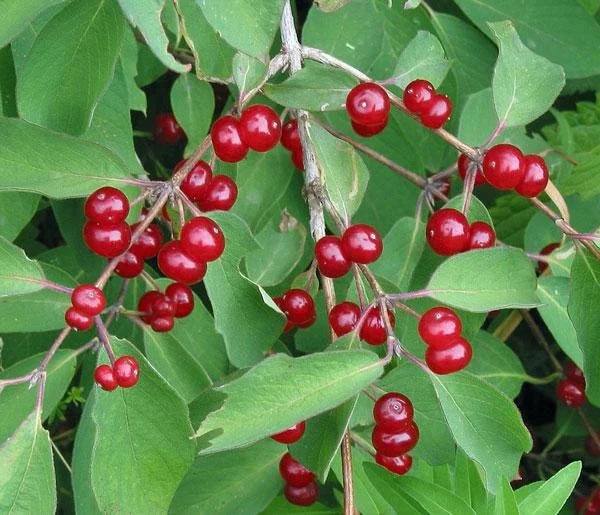
- Attracts Wildlife: The yellowish-white blooms of Lonicera xylosteum are a magnet for various insects, including pollinators, and its berries provide a food source for birds, enriching your garden’s biodiversity.
- Deer and Drought Tolerant: Once established, this shrub is highly resistant to deer browsing and can withstand periods of drought, reducing the need for constant attention and watering.
- Versatile Landscaping Use: Its robust growth habit makes it ideal for use as a natural hedge, providing privacy and structure to your garden. It can also be grown as a standalone specimen.
- Low Maintenance: This hardy plant requires minimal care, thriving with basic attention, making it suitable for both experienced and novice gardeners. Growing European fly honeysuckle is a straightforward process.
- Attractive Blooms: The delicate yellowish-white flowers that emerge in late spring to early summer add a charming touch to any garden setting.
- Adaptable to Zones 4-6: The dwarf fly honeysuckle is well-suited for a wide range of climates, demonstrating excellent cold hardiness.
- Erosion Control: Its extensive root system can help stabilize soil on slopes, preventing erosion and maintaining garden integrity.
Plant Care & Growing Tips
Successfully growing dwarf fly honeysuckle seeds requires attention to specific conditions to ensure robust growth. The initial germination process is crucial. Begin by mixing the Lonicera xylosteum seeds with moistened soil in a ziplock bag. Label the bag clearly and place it in the refrigerator for 60 days. This cold stratification period mimics natural winter conditions and helps break seed dormancy, preparing them for germination. After stratification, sow the seeds into a well-drained, sandy compost. Cover the seeds to their own depth with sand or fine grit. Place the seed tray in bright light and ensure the compost remains consistently moist but not waterlogged. Germination may be slow, so patience is key.
Once seedlings emerge and are ready for transplanting, choose a suitable location in your garden. Dwarf fly honeysuckle prefers full sun but will benefit from some afternoon shade, especially in hotter climates, to prevent leaf scorch. It is adaptable to a variety of soil types, but thrives best in well-drained soil. Good drainage is essential to prevent root rot. While established plants are drought tolerant, young plants will require regular watering to help them establish strong root systems. For USDA Zones 4-6, this shrub is reliably hardy and can withstand cold winters. Fertilization is generally not heavily required, but a balanced slow-release fertilizer in early spring can promote vigorous growth. Pruning can be done in late winter or early spring to maintain shape and remove any dead or damaged branches. Keep an eye out for common pests, though this plant is relatively resistant, and address any issues promptly with organic solutions.
Size & Details
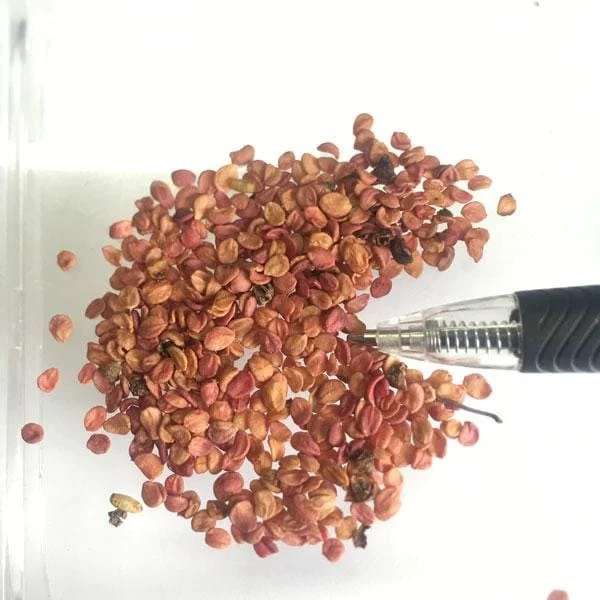
This product includes 25 dwarf fly honeysuckle seeds, ready for planting to cultivate your own Lonicera xylosteum shrubs. Once mature, these resilient plants can reach an impressive height of up to 10 feet and spread up to 12 feet wide, forming a substantial and attractive presence in your garden. Their relatively fast growth rate means you won’t have to wait long to see significant development. The yellowish-white blooms typically appear from May to June, providing a seasonal display of delicate flowers.
The seeds are shipped in a protective packet, ensuring their viability upon arrival. With proper care and a successful germination process, you can expect these seeds to develop into healthy, mature shrubs over several growing seasons. The ultimate size and density of your honeysuckle shrub seeds will depend on growing conditions, including sunlight, soil quality, and available space. This plant is a long-term investment, offering years of beauty and ecological benefits.
Frequently Asked Questions
- Q: How big does this plant get? A: The dwarf fly honeysuckle can grow to an impressive size, typically reaching up to 10 feet tall and spreading 12 feet wide at maturity, making it suitable for hedges or large garden spaces.
- Q: Is this an indoor or outdoor plant? A: This is primarily an outdoor plant, well-suited for garden beds, hedges, and landscaping. It is hardy in USDA Zones 4-6.
- Q: How much sunlight does it need? A: Lonicera xylosteum prefers full sun exposure, but it will also benefit from some afternoon shade, especially in regions with intense summer heat.
- Q: Is this plant easy to care for? A: Yes, the dwarf fly honeysuckle is considered a low-maintenance plant. It is deer and drought tolerant once established, making it a good choice for beginners or busy gardeners.
- Q: What condition will the seeds arrive in? A: The Lonicera xylosteum seeds will arrive in a protective packet, ensuring their quality and readiness for planting.
- Q: How long until it blooms? A: After successful germination and establishment, the shrub typically begins to produce its yellowish-white blooms from May to June, usually within a few years of planting.
- Q: Will it survive winter in my zone? A: Yes, this plant is hardy in USDA Zones 4-6, meaning it is well-equipped to survive the cold winters within these regions.
- Q: What is the best soil type for these seeds? A: The fly woodbine seeds thrive in well-drained, sandy compost. Good drainage is crucial to prevent waterlogging and promote healthy root development.
- Q: Can I grow European fly honeysuckle in a container? A: While it can grow quite large, younger plants or smaller varieties might be kept in large containers, especially in regions outside its ideal hardiness zones. However, it’s generally best suited for inground planting due to its mature size.
- Q: What are the benefits of planting this honeysuckle? A: Beyond its attractive flowers, this honeysuckle attracts pollinators and birds, is deer and drought tolerant, and can be used for effective hedging, making it a valuable addition to any garden.
Be the first to review “Dwarf Fly Honeysuckle Seeds – Lonicera xylosteum – 25 Seeds for Outdoor Planting”
You must be logged in to post a review.
People also Viewed


Sold 50 products
Original price was: $109.95.$79.98Current price is: $79.98.

Sold 50 products
Original price was: $25.00.$17.50Current price is: $17.50.

Flower Seeds
Olympic Onion Seeds – Allium crenulatum Flower Seeds – 10 Seed Pack – Outdoor Native Plant
Sold 50 products
Original price was: $25.00.$17.50Current price is: $17.50.

Sold 50 products
Original price was: $25.00.$17.50Current price is: $17.50.

Flower Seeds
Fuchsia vulcanica Seeds – 20 Pack – Vibrant Orange Coral Flowers for Garden & Containers
Sold 50 products
Original price was: $25.00.$17.50Current price is: $17.50.

Sold 50 products
Original price was: $116.98.$95.68Current price is: $95.68.

Sold 50 products
Original price was: $21.00.$14.10Current price is: $14.10.

Aquatic Plant Seeds
White Lotus Seeds – Nelumbo Nucifera Aquatic Pond Plant – 5 Seeds for Water Garden
Sold 50 products
Original price was: $29.00.$20.90Current price is: $20.90.RELATED posts
Awapuhi Wild Ginger Plant: Zones, Care, and Propagation
Learn which USDA zones suit awapuhi wild ginger, plus sunlight, water, planting, propagation, pests, size, [...]
Awapuhi Shampoo Ginger – Care, Growing Zones, and Differences
Learn how to grow awapuhi (shampoo) ginger, its USDA zones, watering schedule, propagation tips, and [...]
Awapuhi Shampoo Plant Buying Guide – Choose the Right Zingiber zerumbet
META: Learn which awapuhi (shampoo ginger) plant or rhizome pack gives the best natural shampoo, [...]
Awapuhi Plant for Sale: Complete Buying Guide
Find the right awapuhi (shampoo ginger) plant, size, price, soil mix, and online source. Practical [...]
Shampoo Ginger Plant for Sale – Buying Guide & Tips
Find the right shampoo ginger plant, size, price, and care tips. Quick guide for U.S. [...]
Shampoo Ginger Plant (Awapuhi) Care Guide
Learn how to grow, care for, and use shampoo ginger (Zingiber zerumbet), the tropical awapuhi [...]

How to Grow Cuban Oregano Plants: A Complete Care Guide
If you’ve ever wanted a plant that combines the culinary punch of traditional oregano with [...]
Aug

How to Grow Habanero Pepper Plants: A Step-by-Step Guide
Habanero pepper plants are prized for their vibrant colors, intense heat, and exceptional flavor, making [...]
Aug
Reviews
There are no reviews yet.