
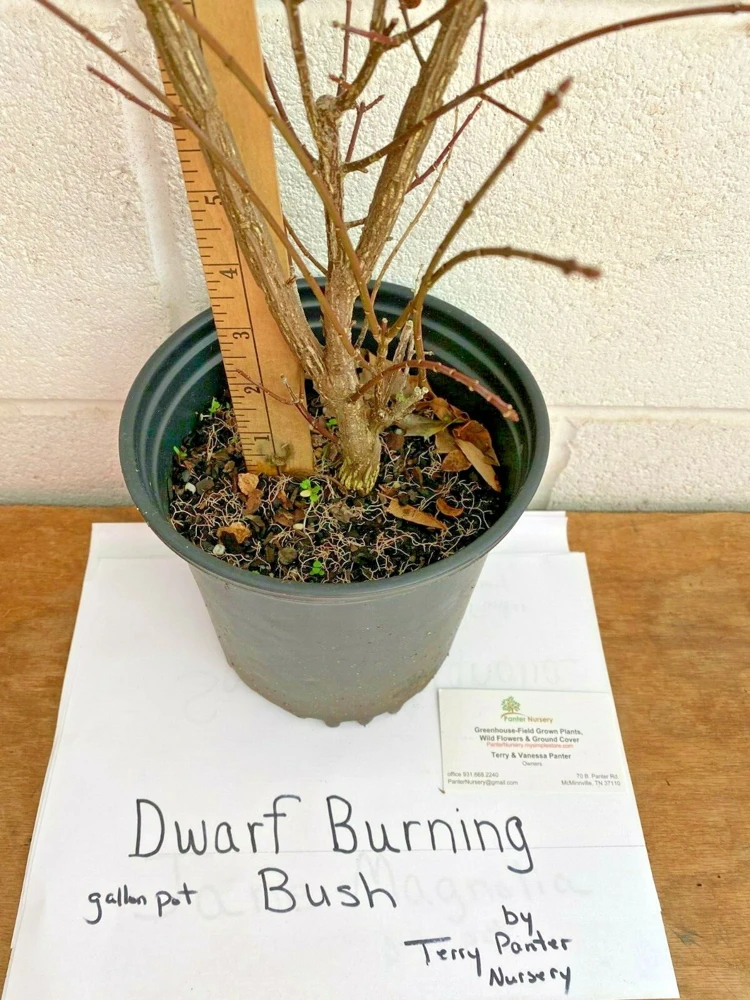
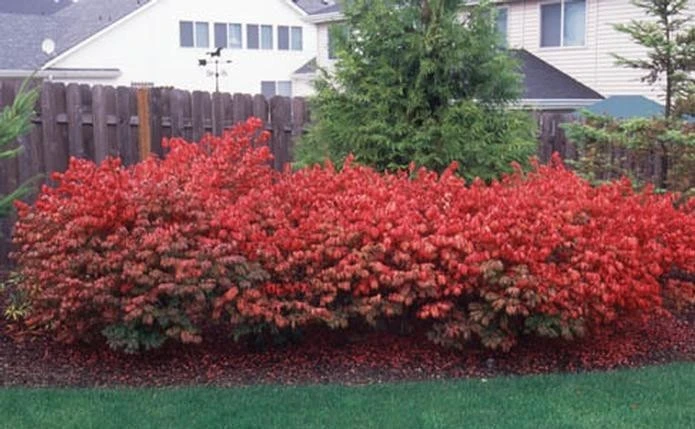
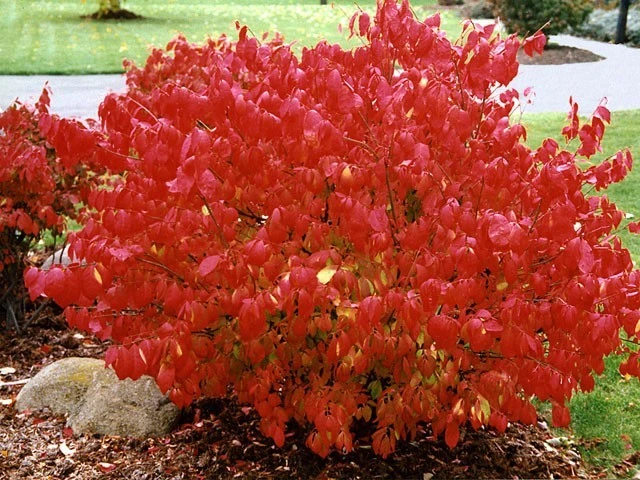
Dwarf Burning Bush Live Plant – Euonymus Alatus – 1 Gallon Pot – Hardy Shrub
Original price was: $39.00.$23.00Current price is: $23.00.
Bring brilliant fall color to your garden with this dwarf burning bush live plant. This euonymus alatus shrub is a 1-gallon potted, hardy specimen perfect for hedges, borders, or accent plantings. Enjoy its compact size and stunning crimson foliage.
Shipping and Return policies:
We stand behind our plants with our Alive & Thrive Guarantee. If you experience any issues within the first 30 days, please email us, and our team will be happy to help. When needed, we’ll send you a one-time replacement free of charge to make sure your garden keeps growing strong.

Reasonable Price
We offer reasonable price

Support 24/7
Contact us 24 hrs a day
100% Money Back
You’ve 30 days to Return
Payment Secure
100% secure payment
Overview
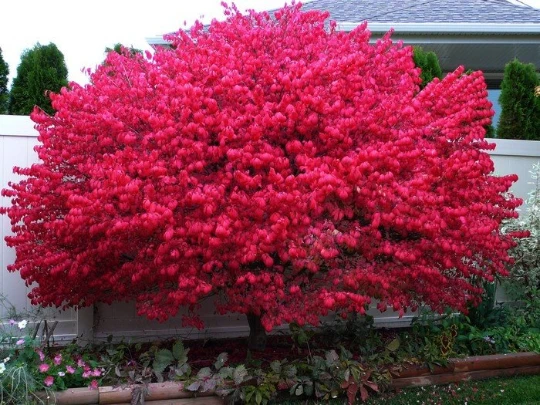
The dwarf burning bush live plant (Euonymus alatus ‘Compactus’) is a highly sought-after deciduous shrub renowned for its spectacular crimson fall foliage. This particular offering is a robust 1-gallon potted specimen, ready to bring vibrant color and structure to your landscape. Unlike its larger relatives, the ‘Compactus’ variety maintains a more manageable size, making it an excellent choice for smaller gardens, foundation plantings, or as a striking border plant. Its dense, twiggy growth habit provides interest even in winter, with unique corky wings on its branches. This euonymus alatus shrub transitions from lush green in spring and summer to an unforgettable fiery red in autumn, living up to its ‘burning bush’ name. It’s a truly hardy and adaptable shrub that thrives in a range of conditions, making it a favorite among gardeners.
Cultivating a dwarf burning bush live plant introduces a dynamic element to any outdoor space. Its consistent performance and reliable color change ensure a dramatic display each season. Whether you’re looking to create a vibrant hedge, a focal point, or simply add a burst of autumn brilliance, this plant delivers. Its compact nature means less pruning and maintenance compared to standard burning bush varieties, allowing you more time to enjoy its beauty. A must-have for those seeking a low-maintenance yet high-impact addition to their garden.
Key Benefits
Adding a dwarf burning bush live plant to your garden offers numerous advantages, enhancing both aesthetic appeal and garden structure. This resilient shrub provides year-round interest and stunning seasonal transformations.
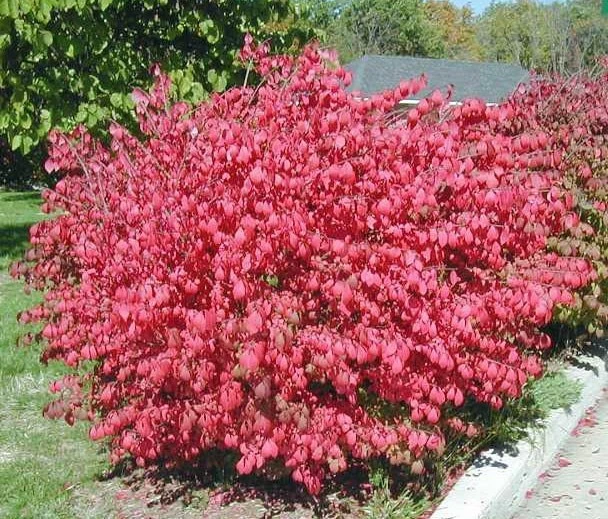
- Spectacular Fall Color: The most prominent feature of the dwarf burning bush live plant is its incredibly intense, fiery red foliage in autumn. This brilliant display provides a dramatic focal point in any landscape, truly living up to the name ‘burning bush fall color’.
- Compact Growth Habit: The ‘Compactus’ variety ensures a dense, rounded shape that remains manageable. This makes it ideal for smaller gardens, urban landscapes, or as a neat hedge without requiring extensive pruning.
- Hardy and Adaptable: This hardy burning bush is incredibly resilient, tolerating a wide range of soil types and environmental conditions. It’s known for its ability to withstand colder climates and various light exposures, making it a reliable choice for many gardeners.
- Unique Winter Interest: Even after its leaves have fallen, the unique corky wings that develop on the branches provide architectural interest throughout the winter months, adding texture to the dormant garden.
- Low Maintenance: Once established, the compact burning bush requires minimal care. It’s relatively pest and disease resistant, making it an easy-to-grow option for both novice and experienced gardeners.
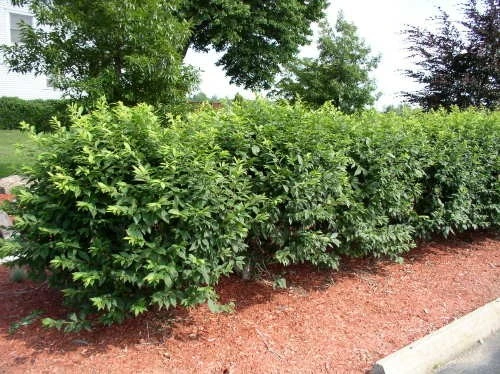
- Versatile Landscaping Use: Perfect for mass plantings, borders, hedges, or as a standalone specimen. Its consistent form and vibrant color make it a versatile plant for various garden designs.
- Wildlife Attraction: While not its primary feature, the small red-orange berries produced in late summer can attract birds, adding another layer of natural beauty to your garden.
Plant Care & Growing Tips
Caring for your dwarf burning bush live plant is relatively straightforward, as it is a robust and forgiving shrub. To ensure optimal growth and the most vibrant fall color, proper placement and basic care are essential. This euonymus alatus shrub thrives in a variety of conditions, but a little attention to its needs will yield the best results.
For sunlight, the Dwarf Burning Bush performs best in full sun to partial shade. Full sun (at least 6 hours of direct sunlight per day) will promote the most intense and brilliant fall color. In hotter climates, some afternoon shade can be beneficial to prevent leaf scorch. When it comes to watering, young plants should be watered regularly to establish a strong root system. Once established, the hardy burning bush is quite drought-tolerant, but it will appreciate consistent moisture during prolonged dry spells. Avoid overwatering, as this can lead to root rot; ensure the soil drains well.
This shrub is adaptable to a wide range of soil types, from sandy to clay, but prefers well-draining, moderately fertile soil with a pH between 6.0 and 7.0. Good drainage is crucial. For fertilization, a balanced slow-release granular fertilizer can be applied in early spring before new growth begins. Follow package instructions for application rates. Pruning is generally minimal for the compact burning bush. You can prune to maintain its shape or size in late winter or early spring before new growth appears. Remove any dead, damaged, or crossing branches. The Dwarf Burning Bush is hardy in USDA Zones 4-8. It tolerates cold winters well, and its corky bark provides winter interest. Keep an eye out for common pests like spider mites or euonymus scale, though these are typically not severe problems for this variety.
Size & Details
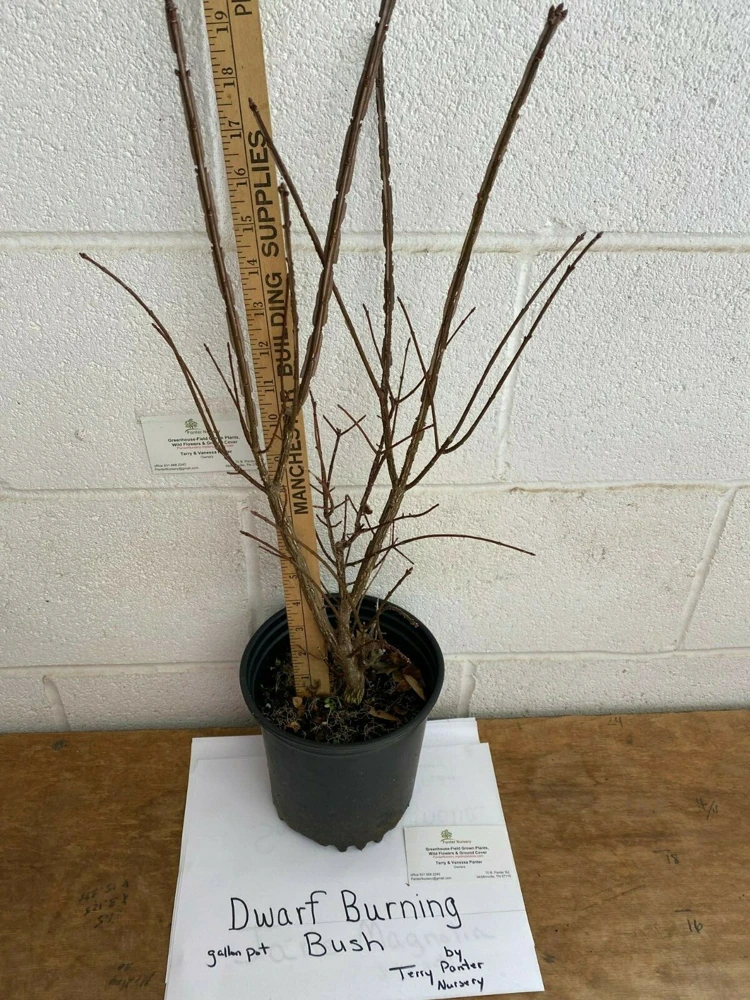
This offering is for a dwarf burning bush live plant, supplied in a 1-gallon nursery pot. At the time of shipping, the plant will typically stand approximately 10-18 inches tall from the base of the pot, with a healthy root system established within the container. The ‘Compactus’ variety is known for its slow to moderate growth rate, eventually reaching a mature height and spread of about 4-6 feet tall and wide over 10-15 years. Its dense, rounded form makes it an excellent choice for structured plantings. You can expect to see its vibrant burning bush fall color develop in the autumn months, usually starting in late September or October, and lasting for several weeks.
The plant is shipped carefully packaged to ensure its safe arrival, ready for planting in your garden. While it may appear dormant if shipped during the colder months, its robust root system is actively preparing for spring growth. The unique corky wings on the stems of this euonymus alatus shrub are often visible even on young specimens, adding to its distinctive charm. This shrub establishes well when planted in spring or fall, and with proper care, it will quickly become a cherished part of your landscape, providing reliable beauty for many years.
Frequently Asked Questions
- Q: How big does this plant get? A: The dwarf burning bush live plant typically reaches a mature size of 4-6 feet in both height and spread. It has a compact, rounded growth habit, making it ideal for various garden settings without becoming too large.
- Q: What size pot does it come in? A: This particular offering is for a dwarf burning bush live plant supplied in a standard 1-gallon nursery pot, ready for planting upon arrival.
- Q: Is this an indoor or outdoor plant? A: The Dwarf Burning Bush (Euonymus alatus) is an outdoor deciduous shrub. It requires seasonal changes and cold dormancy to thrive and produce its signature fall color.
- Q: How much sunlight does it need? A: For the best fall color, this euonymus alatus shrub prefers full sun (at least 6 hours of direct sunlight daily). It can tolerate partial shade, but the autumn foliage may be less vibrant.
- Q: Is this plant easy to care for? A: Yes, the hardy burning bush is considered a low-maintenance plant. Once established, it is quite tolerant of different soil conditions and periods of drought, making it suitable for beginners.
- Q: What condition will it arrive in? A: Your dwarf burning bush live plant will arrive in a 1-gallon pot, carefully packaged to ensure it is healthy and ready for planting. It may be dormant if shipped during cooler months.
- Q: When is the best time to plant? A: The best times to plant a compact burning bush are in the spring after the last frost, or in the early fall before the ground freezes, allowing it to establish its root system.
- Q: Will it survive winter in my zone? A: The Dwarf Burning Bush is very hardy and thrives in USDA Zones 4-8, making it suitable for a wide range of climates and able to withstand cold winters.
- Q: What’s the minimum temperature it can tolerate? A: This hardy burning bush can tolerate temperatures down to approximately -30°F (-34°C), making it very resilient in colder regions within its hardiness zones.
- Q: Does this shrub produce berries? A: Yes, in late summer to early fall, the Dwarf Burning Bush produces small, bright red-orange berries that can provide additional visual interest and attract birds.
Be the first to review “Dwarf Burning Bush Live Plant – Euonymus Alatus – 1 Gallon Pot – Hardy Shrub”
You must be logged in to post a review.
People also Viewed
Sold 50 products
$32.38
Sold 50 products
$27.38
Sold 50 products
$32.38
Sold 50 products
$19.88
Sold 50 products
$62.38
Sold 50 products
$24.88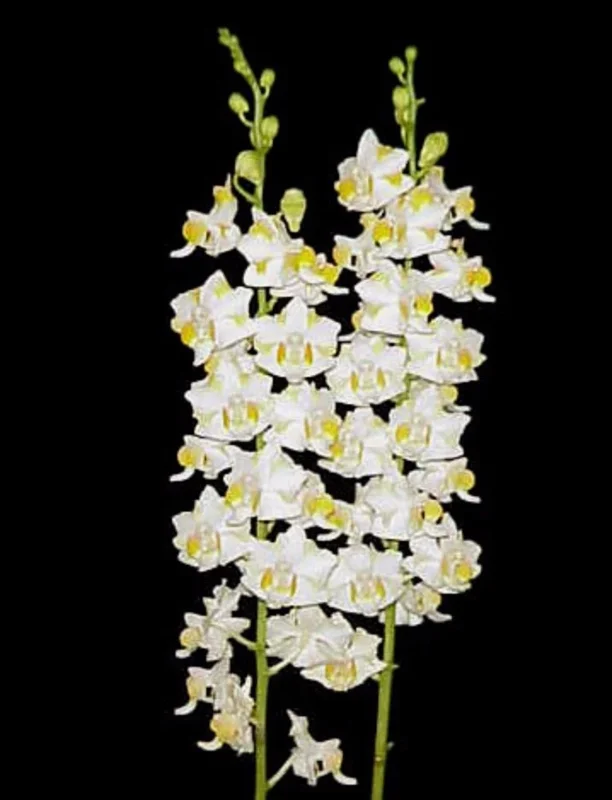
Houseplants
Phalaenopsis pulcherrima ‘Mauna Kea Snow’ Orchid Live Plant – White Flowers, Potted 2.5 in
Sold 50 products
$49.88
Sold 50 products
$49.88RELATED posts
Awapuhi Wild Ginger Plant: Zones, Care, and Propagation
Learn which USDA zones suit awapuhi wild ginger, plus sunlight, water, planting, propagation, pests, size, [...]
Awapuhi Shampoo Ginger – Care, Growing Zones, and Differences
Learn how to grow awapuhi (shampoo) ginger, its USDA zones, watering schedule, propagation tips, and [...]
Awapuhi Shampoo Plant Buying Guide – Choose the Right Zingiber zerumbet
META: Learn which awapuhi (shampoo ginger) plant or rhizome pack gives the best natural shampoo, [...]
Awapuhi Plant for Sale: Complete Buying Guide
Find the right awapuhi (shampoo ginger) plant, size, price, soil mix, and online source. Practical [...]
Shampoo Ginger Plant for Sale – Buying Guide & Tips
Find the right shampoo ginger plant, size, price, and care tips. Quick guide for U.S. [...]
Shampoo Ginger Plant (Awapuhi) Care Guide
Learn how to grow, care for, and use shampoo ginger (Zingiber zerumbet), the tropical awapuhi [...]
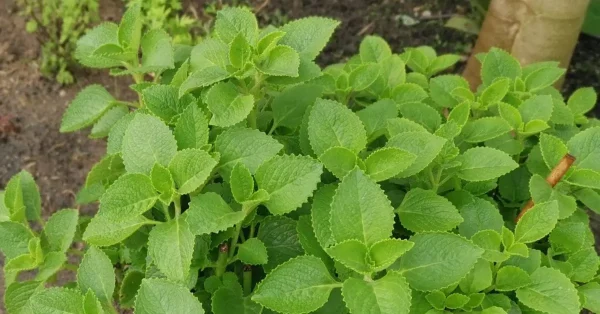
How to Grow Cuban Oregano Plants: A Complete Care Guide
If you’ve ever wanted a plant that combines the culinary punch of traditional oregano with [...]
Aug
How to Grow Habanero Pepper Plants: A Step-by-Step Guide
Habanero pepper plants are prized for their vibrant colors, intense heat, and exceptional flavor, making [...]
Aug

Reviews
There are no reviews yet.