
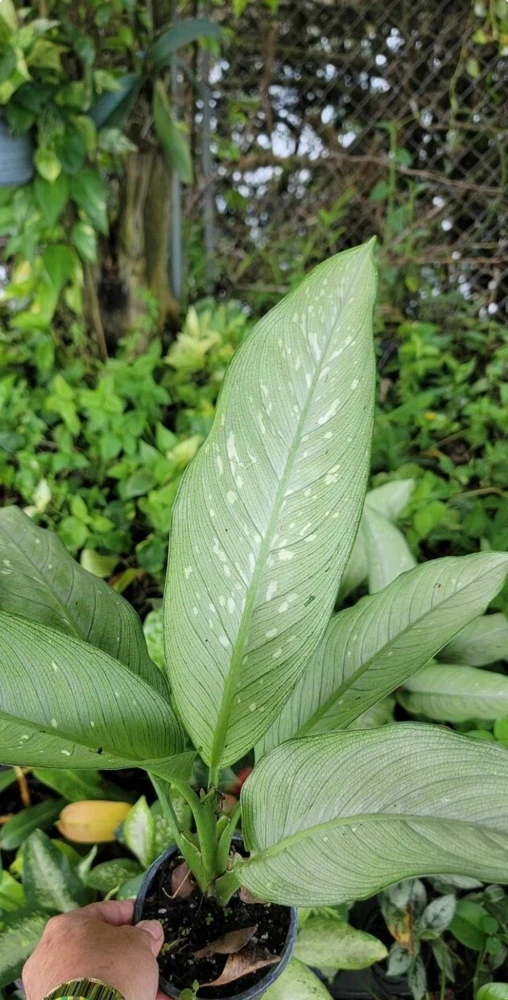
Dieffenbachia Tiki Live Plant – 4″ Pot Dumb Cane Houseplant – Indoor/Outdoor
$24.98
Bring tropical elegance to your space with a dieffenbachia tiki live plant in a 4-inch pot. This vibrant dumb cane houseplant care is known for its striking green and multicolor foliage, making it a perfect dieffenbachia indoor plant or outdoor accent. Enjoy its natural beauty and air-purifying qualities.
Shipping and Return policies:
We stand behind our plants with our Alive & Thrive Guarantee. If you experience any issues within the first 30 days, please email us, and our team will be happy to help. When needed, we’ll send you a one-time replacement free of charge to make sure your garden keeps growing strong.

Reasonable Price
We offer reasonable price

Support 24/7
Contact us 24 hrs a day
100% Money Back
You’ve 30 days to Return
Payment Secure
100% secure payment
Overview
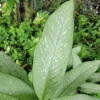
Introduce a touch of the tropics into your home or garden with the stunning dieffenbachia tiki live plant. Also known as Dumb Cane, this beautiful plant is celebrated for its lush, variegated foliage featuring vibrant shades of green and multicolor patterns. Originating from tropical rainforests, the Dieffenbachia ‘Tiki’ variety brings an exotic flair to any setting. This particular offering is for a healthy, established plant in a 4-inch pot, ready to thrive in its new environment. Perfect for plant enthusiasts and beginners alike, the dieffenbachia tiki live plant is a popular choice for adding natural elegance and a vibrant focal point to your living space. Its robust nature and striking appearance make it a must-have among tropical houseplants.
The Dieffenbachia genus, commonly referred to as Dumb Cane, is well-regarded for its ornamental value and relatively easy care. The ‘Tiki’ cultivar stands out with its unique leaf patterns, often displaying intricate designs that capture attention. This plant is a fantastic way to elevate your interior decor or add a splash of color to shaded outdoor areas. When you bring home a dieffenbachia tiki live plant, you’re not just getting a decorative item; you’re inviting a piece of nature that contributes to a serene and aesthetically pleasing atmosphere. Its presence can transform a simple room into a lively, green sanctuary.
Key Benefits
The dieffenbachia tiki live plant offers numerous advantages beyond its captivating beauty. It’s a versatile plant that can enhance various settings and contribute positively to your environment. Here are some of the key benefits of incorporating this tropical wonder into your home or garden:
- Stunning Visual Appeal: The Dieffenbachia ‘Tiki’ boasts incredibly vibrant and intricate foliage with patterns of green, cream, and sometimes yellow. Its large, broad leaves create a dramatic statement, making it an excellent focal point in any room or shaded outdoor area. This plant adds a luxurious, tropical feel to your decor.
- Air Purifying Qualities: Like many houseplants, the dieffenbachia tiki live plant is known for its ability to help purify the air. It can absorb common household toxins, contributing to a healthier indoor environment. This makes it a beneficial addition to bedrooms, living rooms, and offices.
- Relatively Easy Care: Despite its exotic appearance, this dumb cane houseplant care is surprisingly straightforward, making it suitable for both novice and experienced plant parents. With consistent watering and appropriate lighting, it will flourish and reward you with its magnificent leaves.
- Versatile Placement: This plant thrives in a range of light conditions, from full shade to medium sun, making it adaptable for various indoor spots or protected outdoor areas. Its adaptability allows you to enjoy its beauty in multiple locations around your home.
- Year-Round Interest: As an evergreen tropical plant, the Dieffenbachia ‘Tiki’ maintains its vibrant foliage throughout the year, providing continuous color and life to your space regardless of the season. This ensures constant visual pleasure.
- Enhances Interior Decor: The bold patterns and rich colors of this dieffenbachia indoor plant make it a popular choice for modern and traditional interior designs. It can complement various decor styles, adding a natural and sophisticated touch.
- Promotes Well-being: Studies suggest that having plants indoors can reduce stress, improve mood, and increase productivity. Caring for a beautiful plant like the dieffenbachia tiki live plant can be a calming and rewarding hobby.
Plant Care & Growing Tips
Proper dumb cane houseplant care is essential to ensure your dieffenbachia tiki live plant thrives and maintains its stunning foliage. Understanding its needs for light, water, soil, and temperature will help you cultivate a healthy and vibrant plant. Dieffenbachia are tropical plants, so mimicking their natural environment to some extent will yield the best results.
Sunlight Requirements: Dieffenbachia ‘Tiki’ prefers bright, indirect light. Direct sunlight can scorch its leaves, causing discoloration and damage. Place it near a window with filtered light, or in a spot where it receives indirect morning sun. If growing outdoors, ensure it’s in a shaded or partially shaded location. Low light conditions can cause the plant to become leggy and lose some of its vibrant variegation. For optimal growth and color, aim for consistent, moderate light exposure.
Watering Schedule and Soil Moisture: This plant prefers consistently moist, but not waterlogged, soil. Water thoroughly when the top inch or two of soil feels dry to the touch. Allow excess water to drain completely from the pot. Overwatering can lead to root rot, which is detrimental to the plant’s health. During winter months or periods of lower light, reduce watering frequency as the plant’s metabolic rate slows down. Using a moisture meter can help you accurately gauge when your dieffenbachia indoor plant needs water.
Soil Type and Drainage Requirements: A well-draining potting mix is crucial for Dieffenbachia. A standard houseplant potting mix amended with perlite or coarse sand for improved drainage works well. The pot should have drainage holes to prevent water from accumulating at the bottom, which can lead to root issues. Good drainage is key to preventing the soil from becoming too soggy and promoting healthy root development for your tropical houseplants.
Temperature Range and USDA Hardiness Zone: Dieffenbachia ‘Tiki’ thrives in warm, humid conditions, typical of its tropical origins. Ideal temperatures range between 65°F and 75°F (18°C-24°C). Avoid exposing the plant to temperatures below 60°F (15°C), as cold drafts can damage the foliage. While primarily an indoor plant in most regions, it can be grown outdoors in USDA Zones 10-11 where temperatures remain consistently warm. Protect it from sudden temperature fluctuations. Ensure your dieffenbachia tiki live plant is kept away from air conditioning vents or cold windows.
Fertilization Schedule and Type: During the growing season (spring and summer), feed your Dieffenbachia every 2-4 weeks with a balanced liquid houseplant fertilizer diluted to half strength. Reduce or stop fertilizing during fall and winter when the plant’s growth naturally slows. Over-fertilization can lead to salt buildup in the soil, which can harm the roots. Always follow the instructions on your chosen fertilizer product.
Common Problems and Solutions: Yellowing leaves can indicate overwatering or nutrient deficiency. Brown leaf tips often point to low humidity or inconsistent watering. Pests like spider mites and mealybugs can sometimes affect Dieffenbachia; inspect your plant regularly and treat any infestations promptly with insecticidal soap or neem oil. Ensuring proper dumb cane houseplant care routines will minimize these issues.
Size & Details
This offering is for one robust dieffenbachia tiki live plant, meticulously grown and presented in a 4-inch nursery pot. At this stage, the plant typically stands about 6-10 inches tall from the base of the pot, with a spread appropriate for its container size. Dieffenbachia ‘Tiki’ is a moderately fast grower and, with proper dumb cane houseplant care, can reach a mature height of 2-3 feet indoors, and potentially larger in ideal outdoor tropical conditions. The striking foliage, featuring a captivating mix of green and multicolor patterns, is already well-developed, showcasing the plant’s unique aesthetic.
The plant will arrive carefully packaged to ensure its safety during transit, ready to be placed in your chosen location or repotted into a decorative container. It comes as a living, rooted specimen, providing an instant touch of greenery and exotic charm. While it is a relatively easy-care plant, providing the right conditions as outlined in the care section will encourage vigorous growth and the development of its full, vibrant leaf patterns. Expect continuous new growth throughout the warmer months, contributing to its lush appearance as a prime example of tropical houseplants.
Frequently Asked Questions
- Q: How big does this dieffenbachia tiki live plant get? A: In a 4-inch pot, it typically arrives at 6-10 inches tall. With proper care, it can grow to 2-3 feet tall indoors. Its size makes it an ideal dieffenbachia indoor plant.
- Q: What size pot does it come in? A: This plant is shipped in a standard 4-inch nursery pot, providing a good foundation for its initial growth. You may choose to repot it into a slightly larger decorative pot upon arrival.
- Q: Is this an indoor or outdoor plant? A: The dieffenbachia tiki live plant is primarily grown as an indoor houseplant in most climates. It can be grown outdoors in shaded, warm, and humid environments within USDA Zones 10-11.
- Q: How much sunlight does it need? A: It thrives in bright, indirect light. Avoid direct sunlight, which can scorch its leaves. A spot near a window with filtered light or a north-facing window is often ideal for this dumb cane houseplant care.
- Q: Is this plant easy to care for? A: Yes, Dieffenbachia ‘Tiki’ is considered relatively easy to care for, making it suitable for beginners. Consistent watering and appropriate light are key to its success.
- Q: What condition will it arrive in? A: Your dieffenbachia tiki live plant will arrive carefully packaged to ensure it reaches you in healthy, vibrant condition, ready for its new home. We prioritize safe and secure shipping.
- Q: Is it shipped in soil? A: Yes, the plant is shipped fully rooted in its 4-inch nursery pot with soil, ensuring minimal stress during transit and an easy transition to your home.
- Q: Is this plant pet-safe? A: No, Dieffenbachia plants are toxic if ingested due to calcium oxalate crystals. It’s important to keep them out of reach of pets and small children. This is an important aspect of dumb cane houseplant care.
- Q: How often should I water my dieffenbachia indoor plant? A: Water when the top 1-2 inches of soil feel dry to the touch. Ensure good drainage and avoid overwatering.
- Q: Can this plant help purify the air? A: Yes, like many air purifying plants, Dieffenbachia ‘Tiki’ can contribute to cleaner indoor air by filtering out common toxins.
- Q: What is the best soil for this plant? A: A well-draining potting mix is recommended. You can use a standard houseplant mix amended with perlite for better drainage.
Be the first to review “Dieffenbachia Tiki Live Plant – 4″ Pot Dumb Cane Houseplant – Indoor/Outdoor”
You must be logged in to post a review.
People also Viewed
Sold 50 products
$32.38
Sold 50 products
$27.38
Sold 50 products
$32.38
Sold 50 products
$19.88
Sold 50 products
$62.38
Sold 50 products
$24.88
Houseplants
Phalaenopsis pulcherrima ‘Mauna Kea Snow’ Orchid Live Plant – White Flowers, Potted 2.5 in
Sold 50 products
$49.88
Sold 50 products
$49.88RELATED posts
Awapuhi Wild Ginger Plant: Zones, Care, and Propagation
Learn which USDA zones suit awapuhi wild ginger, plus sunlight, water, planting, propagation, pests, size, [...]
Awapuhi Shampoo Ginger – Care, Growing Zones, and Differences
Learn how to grow awapuhi (shampoo) ginger, its USDA zones, watering schedule, propagation tips, and [...]
Awapuhi Shampoo Plant Buying Guide – Choose the Right Zingiber zerumbet
META: Learn which awapuhi (shampoo ginger) plant or rhizome pack gives the best natural shampoo, [...]
Awapuhi Plant for Sale: Complete Buying Guide
Find the right awapuhi (shampoo ginger) plant, size, price, soil mix, and online source. Practical [...]
Shampoo Ginger Plant for Sale – Buying Guide & Tips
Find the right shampoo ginger plant, size, price, and care tips. Quick guide for U.S. [...]
Shampoo Ginger Plant (Awapuhi) Care Guide
Learn how to grow, care for, and use shampoo ginger (Zingiber zerumbet), the tropical awapuhi [...]
How to Grow Cuban Oregano Plants: A Complete Care Guide
If you’ve ever wanted a plant that combines the culinary punch of traditional oregano with [...]
Aug
How to Grow Habanero Pepper Plants: A Step-by-Step Guide
Habanero pepper plants are prized for their vibrant colors, intense heat, and exceptional flavor, making [...]
Aug

Reviews
There are no reviews yet.