
Dianthus arenarius f. nanus Seeds – Little Maiden White Flowers, 20 Seeds, Outdoor
Original price was: $25.00.$17.50Current price is: $17.50.
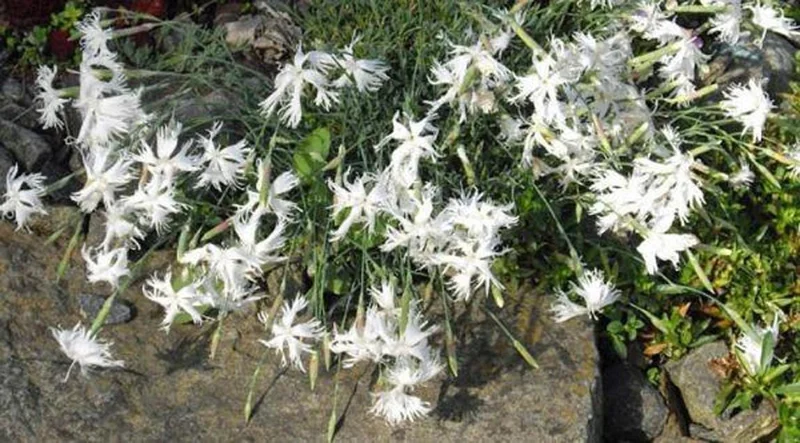
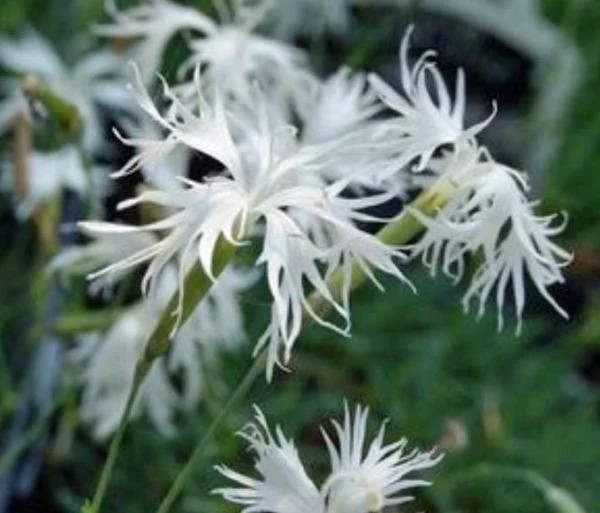
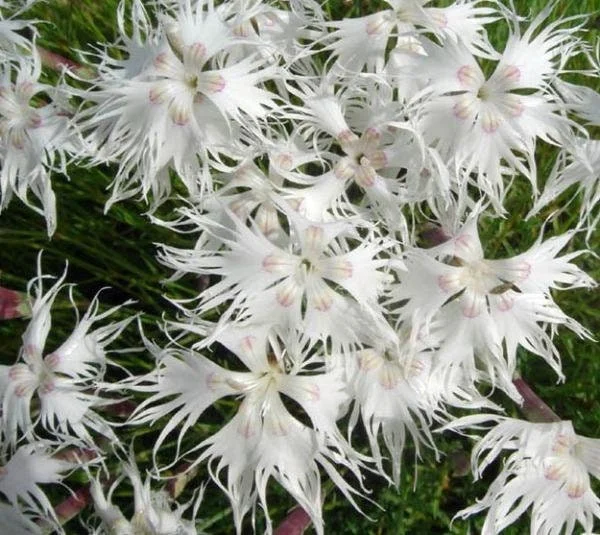
Discover the charm of Dianthus arenarius f. nanus seeds, also known as Little Maiden seeds. These perennial flower seeds blossom into lovely white blooms, adding a classic touch to your garden. Known for their heat tolerance and low maintenance, they are an excellent choice for zones 3-8.
Shipping and Return policies:
We stand behind our plants with our Alive & Thrive Guarantee. If you experience any issues within the first 30 days, please email us, and our team will be happy to help. When needed, we’ll send you a one-time replacement free of charge to make sure your garden keeps growing strong.

Reasonable Price
We offer reasonable price

Support 24/7
Contact us 24 hrs a day
100% Money Back
You’ve 30 days to Return
Payment Secure
100% secure payment
Overview
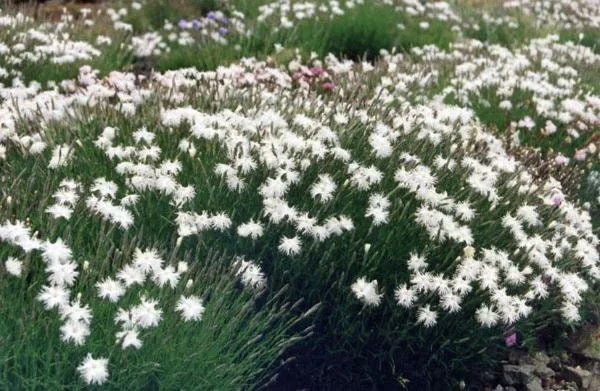
Cultivate elegance in your garden with Dianthus arenarius f. nanus seeds, commonly known as Little Maiden seeds. This delightful perennial belongs to the Caryophyllaceae family and is celebrated for its delicate white flowers and attractive bluish-green evergreen foliage. Growing to a compact height and width of up to one foot, this Dianthus variety is a perfect addition to rock gardens, borders, or containers. The name ‘Little Maiden’ aptly describes its petite yet charming appearance, making it a favorite among gardeners seeking a touch of classic beauty with minimal fuss. These seeds offer the opportunity to grow robust plants that thrive in full sun and require little water, making them an ideal choice for various garden settings across the US.
Starting your garden with Dianthus arenarius f. nanus seeds allows you to experience the full lifecycle of this resilient plant. From germination to established blooms, you’ll appreciate its hardy nature and continuous appeal. Whether you’re an experienced gardener or just beginning, these seeds provide a straightforward path to cultivating beautiful, heat-tolerant, and low-maintenance white flowers that enhance any landscape.
Key Benefits
The Dianthus arenarius f. nanus seeds offer numerous advantages for any gardener, providing both aesthetic appeal and practical benefits that make them a valuable addition to your outdoor space. These perennial flower seeds ensure long-lasting beauty with minimal effort.
- Charming White Blooms: Produces an abundance of delicate, pure white flowers that create a bright and serene atmosphere in your garden. The pristine color complements a wide range of other plants and garden designs, making it incredibly versatile.
- Low Maintenance: Once established, these plants are highly heat tolerant and require very little attention. They are an excellent choice for busy gardeners or those looking for an easy-care solution without sacrificing beauty.
- Drought Tolerant: Thrives with minimal watering, making it suitable for xeriscaping or gardens in drier climates. This reduces water consumption and makes it a sustainable choice.
- Evergreen Foliage: Features attractive bluish-green foliage that remains vibrant throughout most winters, providing year-round interest and structure to your garden beds.
- Compact Growth Habit: Reaches a manageable size of up to one foot tall and wide, making it perfect for small spaces, rockeries, front borders, or container gardening.
- Hardy Perennial: Suitable for USDA Zones 3-8, meaning it reliably returns year after year, saving you the effort of replanting annually. This resilience ensures a consistent display of beauty.
- Versatile Garden Use: Its classic appearance and adaptable nature mean it can fit into almost any garden style, from formal to cottage gardens, adding a touch of understated elegance.
Plant Care & Growing Tips
Growing Dianthus arenarius f. nanus seeds into thriving plants is a rewarding experience with straightforward care requirements. Understanding the specific needs of this plant will ensure a successful and beautiful display in your garden. This Dianthus plant care guide will help you cultivate healthy, robust flowers.
For optimal growth, Dianthus arenarius f. nanus thrives in full sun, requiring at least 6 hours of direct sunlight per day. While it tolerates a range of conditions, ample sunlight is crucial for prolific blooming. When it comes to soil, a well-drained, sandy compost is ideal. Incorporating sand or grit into your soil mix will enhance drainage, preventing waterlogging which this plant dislikes. These conditions are vital for the health of the root system and overall plant vigor. It’s important to remember that this plant prefers drier conditions once established, so avoid overwatering. The plant is hardy in USDA Zones 3-8, indicating its ability to withstand a significant range of winter temperatures.
When starting from Little Maiden seeds, sow them on top of the prepared soil and gently tamp them in; do not cover them deeply as they need light to germinate. Place the seed tray in filtered bright light and keep the soil consistently moist until germination, which can take anywhere from 21 to 60 days. Once seedlings are established, gradually acclimate them to outdoor conditions before transplanting. Fertilization is typically minimal; a light application of a balanced slow-release fertilizer in early spring can support healthy growth, but avoid excessive feeding, which can lead to leggy plants. Watch out for common pests like aphids or spider mites, though Dianthus arenarius f. nanus is generally quite resistant. Ensuring good air circulation and proper drainage are key preventative measures against fungal issues.
Size & Details
These Dianthus arenarius f. nanus seeds will mature into compact, charming perennial plants. Typically, the plant grows to an approximate height of 1 foot (30 cm) and spreads similarly to about 1 foot wide, forming neat, mounding clumps of foliage. The evergreen leaves are a distinctive bluish-green, providing year-round visual interest even when not in bloom. Each packet contains 20 seeds, offering a good start for a small garden bed or multiple container plantings. The plant is shipped as a seed packet, ready for you to begin the germination process.
Expected time to bloom from seed can vary, but generally, you can anticipate flowers in the second year after planting, with some possibly blooming late in the first season under ideal conditions. The growth rate is moderate, allowing the plant to establish itself well within a season. Its heat tolerance and low maintenance needs make it a reliable choice for gardeners in USDA Zones 3-8. This particular variety, ‘Little Maiden’, is known for its pure white flowers and robust nature, ensuring a beautiful and enduring display in your garden.
Frequently Asked Questions
- Q: How big does the Dianthus arenarius f. nanus plant get? A: The Dianthus arenarius f. nanus, or Little Maiden, typically grows to a compact size of about 1 foot (30 cm) tall and 1 foot wide, forming a neat, mounding habit. This makes it ideal for borders, rock gardens, or container planting.
- Q: Is this an indoor or outdoor plant? A: This plant is primarily an outdoor perennial. It thrives in full sun and is hardy in USDA Zones 3-8, meaning it can tolerate a wide range of outdoor temperatures and conditions.
- Q: How much sunlight does Dianthus arenarius f. nanus need? A: For best results and abundant blooms, Dianthus arenarius f. nanus requires full sun, which means at least 6 hours of direct sunlight per day. This ensures strong growth and vibrant flowers.
- Q: Is this plant easy to care for? A: Yes, it is considered a low-maintenance plant. Once established, it is heat tolerant and requires little water, making it suitable for both experienced and beginner gardeners. Proper drainage is key to its success.
- Q: What condition will the seeds arrive in? A: The product includes 20 seeds of Dianthus arenarius f. nanus, packaged securely to ensure their viability upon arrival. You will receive a seed packet ready for planting.
- Q: How long until the Dianthus arenarius f. nanus blooms? A: When grown from Dianthus arenarius f. nanus seeds, you can generally expect the plant to bloom in its second year. Some plants may produce flowers late in their first growing season if conditions are optimal.
- Q: What’s the best soil type for these seeds? A: These seeds and subsequent plants prefer a well-drained, sandy compost. Mixing sand or grit into your soil can improve drainage, which is crucial for preventing root rot and promoting healthy growth for your Dianthus plant care.
- Q: Will it survive winter in my zone? A: The Dianthus arenarius f. nanus is hardy in USDA Zones 3-8. If your zone falls within this range, the plant should reliably survive winter and return in the spring, thanks to its robust perennial nature.
- Q: What is the germination time for Little Maiden seeds? A: Germination for Little Maiden seeds can take between 21 to 60 days. It requires consistent moisture and filtered bright light during this period.
- Q: Can I grow these in containers? A: Yes, due to its compact size, Dianthus arenarius f. nanus is an excellent choice for container gardening. Just ensure the container has good drainage holes and is filled with appropriate well-draining soil.
Be the first to review “Dianthus arenarius f. nanus Seeds – Little Maiden White Flowers, 20 Seeds, Outdoor”
You must be logged in to post a review.
People also Viewed
Sold 50 products
Original price was: $109.95.$79.98Current price is: $79.98.
Sold 50 products
Original price was: $25.00.$17.50Current price is: $17.50.
Flower Seeds
Olympic Onion Seeds – Allium crenulatum Flower Seeds – 10 Seed Pack – Outdoor Native Plant
Sold 50 products
Original price was: $25.00.$17.50Current price is: $17.50.
Sold 50 products
Original price was: $25.00.$17.50Current price is: $17.50.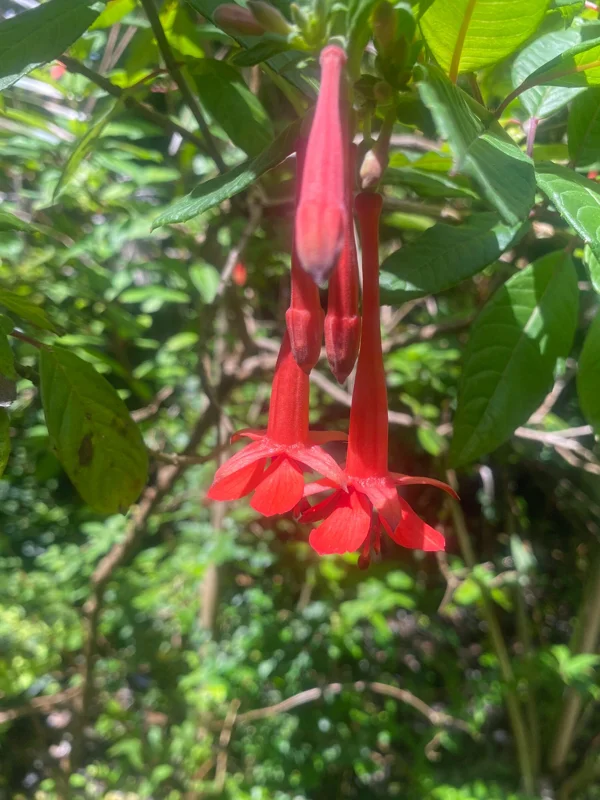
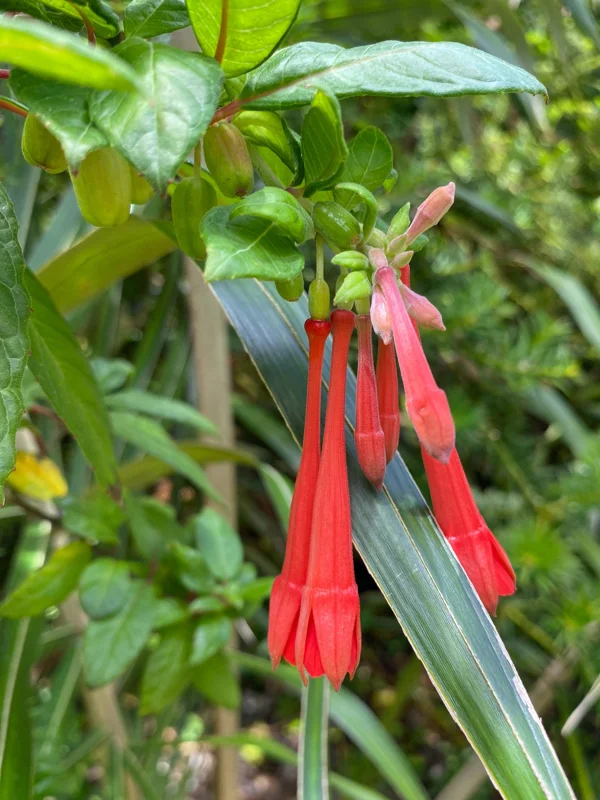
Flower Seeds
Fuchsia vulcanica Seeds – 20 Pack – Vibrant Orange Coral Flowers for Garden & Containers
Sold 50 products
Original price was: $25.00.$17.50Current price is: $17.50.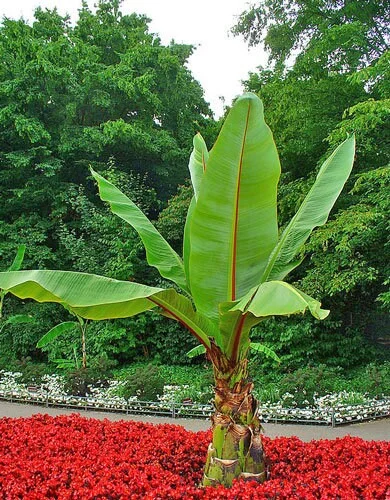
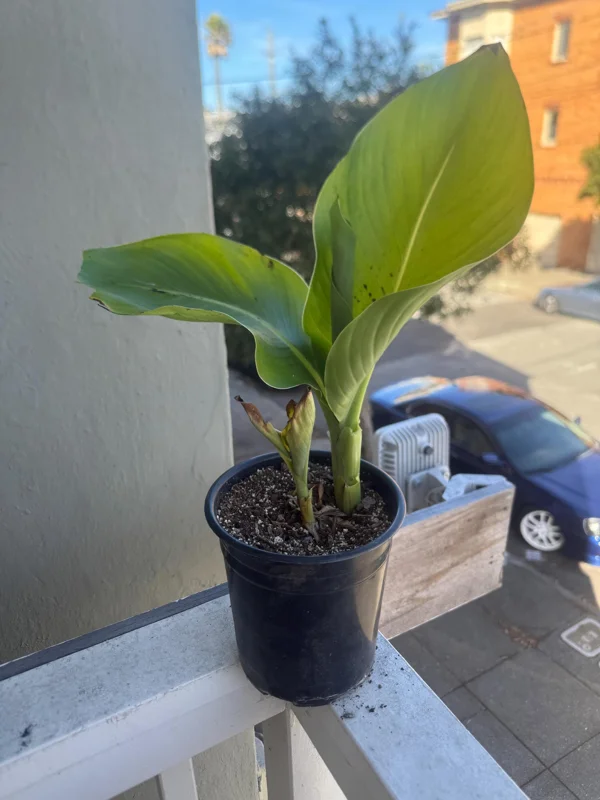
Sold 50 products
Original price was: $116.98.$95.68Current price is: $95.68.
Sold 50 products
Original price was: $21.00.$14.10Current price is: $14.10.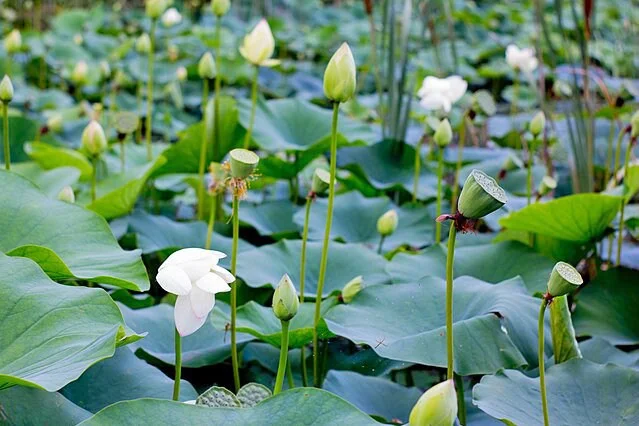
Aquatic Plant Seeds
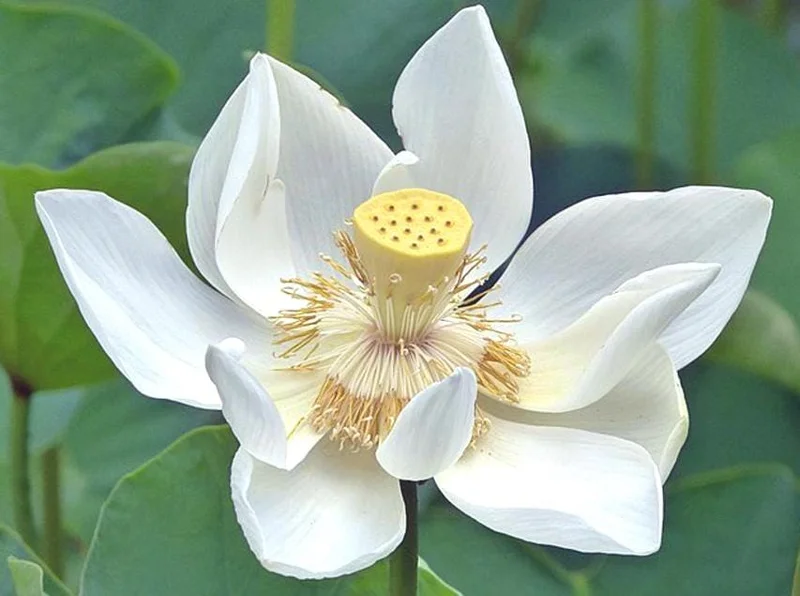
White Lotus Seeds – Nelumbo Nucifera Aquatic Pond Plant – 5 Seeds for Water Garden
Sold 50 products
Original price was: $29.00.$20.90Current price is: $20.90.RELATED posts
Awapuhi Wild Ginger Plant: Zones, Care, and Propagation
Learn which USDA zones suit awapuhi wild ginger, plus sunlight, water, planting, propagation, pests, size, [...]
Awapuhi Shampoo Ginger – Care, Growing Zones, and Differences
Learn how to grow awapuhi (shampoo) ginger, its USDA zones, watering schedule, propagation tips, and [...]
Awapuhi Shampoo Plant Buying Guide – Choose the Right Zingiber zerumbet
META: Learn which awapuhi (shampoo ginger) plant or rhizome pack gives the best natural shampoo, [...]
Awapuhi Plant for Sale: Complete Buying Guide
Find the right awapuhi (shampoo ginger) plant, size, price, soil mix, and online source. Practical [...]
Shampoo Ginger Plant for Sale – Buying Guide & Tips
Find the right shampoo ginger plant, size, price, and care tips. Quick guide for U.S. [...]
Shampoo Ginger Plant (Awapuhi) Care Guide
Learn how to grow, care for, and use shampoo ginger (Zingiber zerumbet), the tropical awapuhi [...]
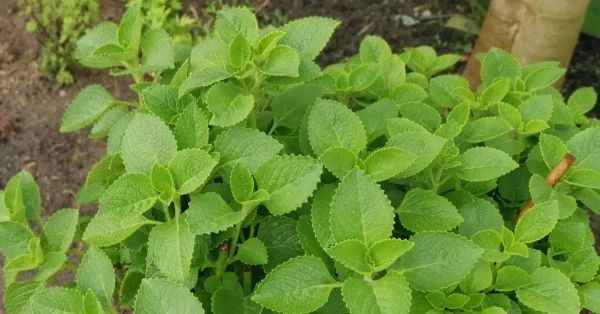
How to Grow Cuban Oregano Plants: A Complete Care Guide
If you’ve ever wanted a plant that combines the culinary punch of traditional oregano with [...]
Aug
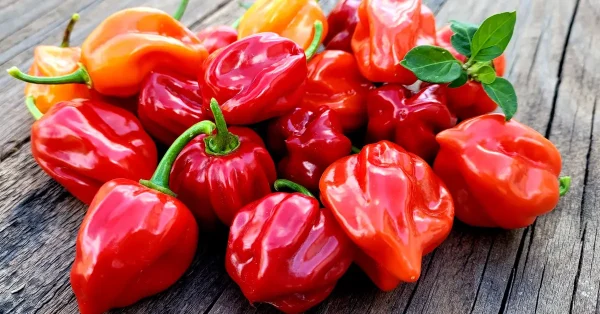
How to Grow Habanero Pepper Plants: A Step-by-Step Guide
Habanero pepper plants are prized for their vibrant colors, intense heat, and exceptional flavor, making [...]
Aug

Reviews
There are no reviews yet.