





Creeping Thyme Herb Flower Seeds – Thymus Serpyllum Ground Cover Blue Perennial
$9.38
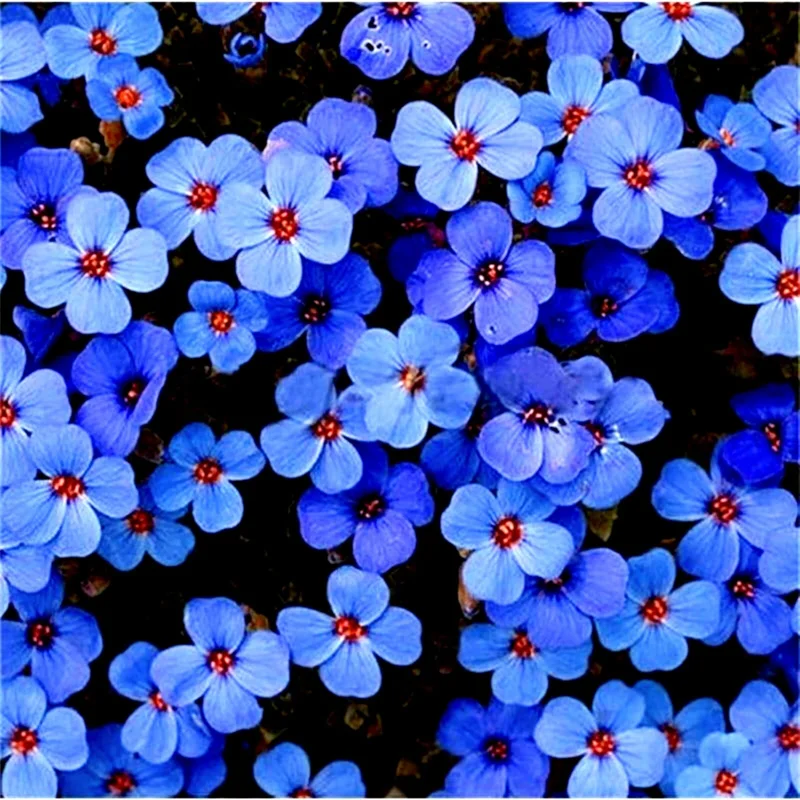
Transform your garden with creeping thyme herb seeds, perfect for creating a lush, fragrant, and low-maintenance ground cover. These thymus serpyllum seeds produce beautiful blue flowers, ideal for pathways, rock gardens, and filling in bare spots. Enjoy a vibrant, aromatic perennial that thrives in various conditions.
Shipping and Return policies:
We stand behind our plants with our Alive & Thrive Guarantee. If you experience any issues within the first 30 days, please email us, and our team will be happy to help. When needed, we’ll send you a one-time replacement free of charge to make sure your garden keeps growing strong.

Reasonable Price
We offer reasonable price

Support 24/7
Contact us 24 hrs a day
100% Money Back
You’ve 30 days to Return
Payment Secure
100% secure payment
Overview
Discover the beauty and versatility of creeping thyme herb seeds. This remarkable perennial, scientifically known as Thymus Serpyllum, is a gardener’s delight, offering a dense, mat-forming growth habit that quickly covers ground with a carpet of tiny, aromatic leaves and charming blue flowers. Ideal for creating a living pathway, suppressing weeds, or softening the edges of hardscaping, creeping thyme herb seeds are an excellent choice for both aesthetic appeal and practical garden solutions. Its low-growing nature makes it a fantastic alternative to traditional lawn grass in less trafficked areas, and its resilience allows it to thrive in a variety of climates and soil conditions. This herb is not only visually appealing but also releases a pleasant, subtle fragrance when walked upon, adding a sensory dimension to your outdoor space.
Key Benefits
Cultivating creeping thyme herb seeds in your garden offers a multitude of advantages, enhancing both the beauty and functionality of your landscape.
- Excellent Ground Cover: Creeping thyme forms a dense, low-growing mat, effectively suppressing weeds and reducing the need for constant weeding. This makes it an ideal solution for covering bare patches, filling in between stepping stones, or creating a verdant carpet.
- Beautiful Blue Blooms: In summer, these plants burst into a profusion of delicate blue flowers, attracting pollinators like bees and butterflies, and adding a vibrant splash of color to your garden.
- Aromatic Foliage: The small, fragrant leaves release a delightful herbaceous scent when brushed against or walked upon, transforming your garden into a sensory experience.
- Drought Tolerant: Once established, thymus serpyllum seeds grow into plants that are remarkably drought-resistant, requiring minimal watering and making them perfect for xeriscaping or gardens in arid regions.
- Low Maintenance: This hardy perennial requires very little care, thriving with minimal intervention. It doesn’t need frequent mowing like grass and is generally pest and disease resistant.
- Versatile Landscaping Use: Perfect for rock gardens, borders, pathways, green roofs, or as a lawn substitute, its adaptability allows for creative landscaping designs.
- Edible Herb: While primarily grown for its ornamental value, creeping thyme is also an edible herb, offering a mild, earthy flavor that can be used in various culinary dishes, making it a valuable addition to any herb garden.
Plant Care & Growing Tips
Growing creeping thyme herb seeds is a rewarding experience, as this plant is known for its hardiness and adaptability. To ensure optimal growth, select a site that receives full sun to partial shade. Full sun (6+ hours of direct sunlight daily) will encourage the most prolific flowering and dense growth. While it can tolerate some afternoon shade, especially in hotter climates, too much shade can lead to leggy growth and fewer blooms.
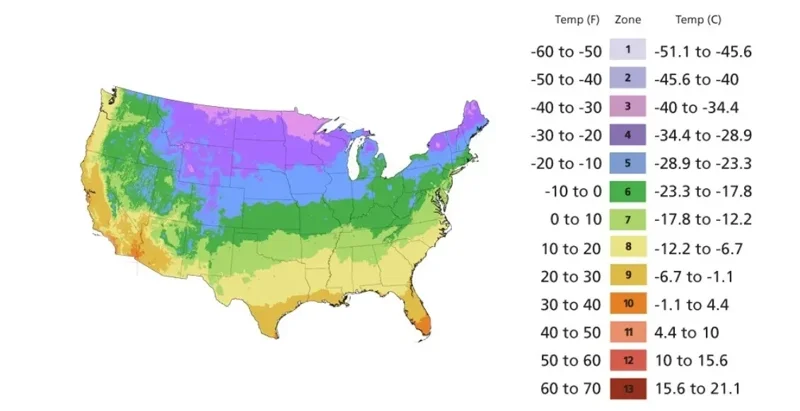
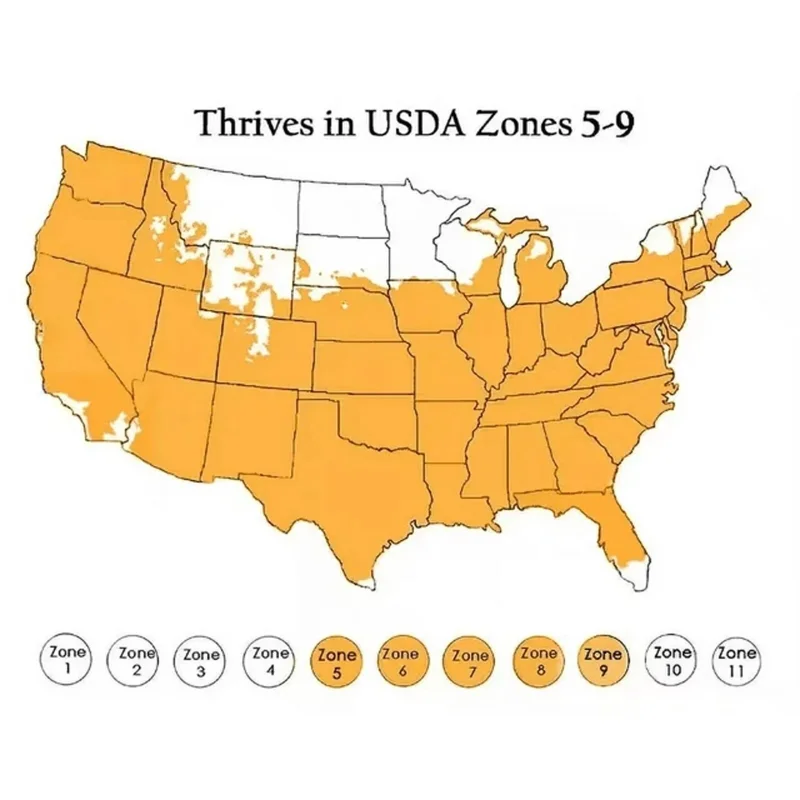
Creeping thyme prefers well-draining soil. It is not particular about soil type and can thrive in clay, loam, peat, or sand, as long as drainage is adequate. Amend heavy soils with sand or compost to improve drainage. A neutral soil pH is ideal. Watering should be moderate initially to help establish the plants. Once established, creeping thyme is quite drought-tolerant and prefers drier conditions. Water deeply but infrequently, allowing the soil to dry out completely between waterings. Overwatering can lead to root rot. This plant is incredibly cold-resistant, thriving in USDA Hardiness Zones 2 (-50 to -40 °F) to 9. Fertilization is rarely needed; creeping thyme is not a heavy feeder. If your soil is very poor, a light application of a balanced, slow-release fertilizer in spring can be beneficial. Watch out for common problems like powdery mildew in overly humid conditions or root rot from excessive moisture. Good air circulation and proper watering practices are key to preventing these issues.
Size & Details
These creeping thyme herb seeds will grow into a compact, spreading ground cover, typically reaching a height of 4-6 inches. The plant habit is specifically designed for bedding and ground cover applications, creating a beautiful, low-lying landscape feature. As a perennial, it will return year after year, providing continuous beauty and fragrance. The seeds will produce plants that are both air-purifying and cold-resistant, with an evergreen nature in milder climates. Expect moderate cultivating difficulty, making it suitable for gardeners with some experience, but manageable for enthusiastic beginners as well. The blue flowers will bloom primarily in the summer, adding a stunning visual element to your garden. This product provides the necessary thymus serpyllum seeds to start your own thriving patch of this wonderful ground cover.
Frequently Asked Questions
- Q: How big does creeping thyme get? A: Creeping thyme typically grows to a height of 4-6 inches, forming a dense, spreading mat. Its low profile makes it an excellent choice for ground cover and between pavers.
- Q: Is this an indoor or outdoor plant? A: While primarily an outdoor plant, creeping thyme can be grown indoors in a bright, sunny location. It thrives best outdoors as a ground cover in full sun to partial shade.
- Q: How much sunlight does blue flowering thyme need? A: Creeping thyme prefers full sun, meaning at least 6 hours of direct sunlight per day, for the best growth and flowering. It can tolerate partial shade, especially in hot climates.
- Q: Is this plant easy to care for? A: Yes, creeping thyme is known for being a low-maintenance plant. Once established from perennial herb seeds, it is drought-tolerant and requires minimal watering and no special fertilization.
- Q: What condition will the seeds arrive in? A: The product consists of high-quality creeping thyme herb seeds. They will arrive in a protective packet, ready for planting according to the provided instructions.
- Q: When is the best time to plant creeping thyme seeds? A: The ideal time to plant thymus serpyllum seeds is in spring after the last frost, or in late summer to early fall. This allows the plants to establish before extreme temperatures.
- Q: Will it survive winter in my zone? A: Creeping thyme is very hardy and can survive winters in USDA Hardiness Zones 2-9, making it suitable for a wide range of climates across the United States.
- Q: What type of soil does creeping thyme prefer? A: This plant thrives in well-draining soil, and is adaptable to various soil types including clay, loam, peat, and sand, as long as it doesn’t stay waterlogged.
- Q: Can these ground cover seeds be used on slopes? A: Yes, ground cover seeds like creeping thyme are excellent for planting on slopes as they help with erosion control and establish a low-growing, attractive mat.
- Q: Is blue flowering thyme edible? A: Yes, creeping thyme is an edible herb with a mild, earthy flavor. It can be used in cooking, similar to common thyme, adding a distinctive taste to various dishes.
Be the first to review “Creeping Thyme Herb Flower Seeds – Thymus Serpyllum Ground Cover Blue Perennial”
You must be logged in to post a review.
People also Viewed
Sold 50 products
$32.38
Sold 50 products
$27.38
Sold 50 products
$32.38
Sold 50 products
$19.88
Sold 50 products
$62.38
Sold 50 products
$24.88
Houseplants
Phalaenopsis pulcherrima ‘Mauna Kea Snow’ Orchid Live Plant – White Flowers, Potted 2.5 in
Sold 50 products
$49.88
Sold 50 products
$49.88RELATED posts
Awapuhi Wild Ginger Plant: Zones, Care, and Propagation
Learn which USDA zones suit awapuhi wild ginger, plus sunlight, water, planting, propagation, pests, size, [...]
Awapuhi Shampoo Ginger – Care, Growing Zones, and Differences
Learn how to grow awapuhi (shampoo) ginger, its USDA zones, watering schedule, propagation tips, and [...]
Awapuhi Shampoo Plant Buying Guide – Choose the Right Zingiber zerumbet
META: Learn which awapuhi (shampoo ginger) plant or rhizome pack gives the best natural shampoo, [...]
Awapuhi Plant for Sale: Complete Buying Guide
Find the right awapuhi (shampoo ginger) plant, size, price, soil mix, and online source. Practical [...]
Shampoo Ginger Plant for Sale – Buying Guide & Tips
Find the right shampoo ginger plant, size, price, and care tips. Quick guide for U.S. [...]
Shampoo Ginger Plant (Awapuhi) Care Guide
Learn how to grow, care for, and use shampoo ginger (Zingiber zerumbet), the tropical awapuhi [...]
How to Grow Cuban Oregano Plants: A Complete Care Guide
If you’ve ever wanted a plant that combines the culinary punch of traditional oregano with [...]
Aug
How to Grow Habanero Pepper Plants: A Step-by-Step Guide
Habanero pepper plants are prized for their vibrant colors, intense heat, and exceptional flavor, making [...]
Aug

Reviews
There are no reviews yet.