
Corydalis Sempervirens Seeds – Pale Corydalis Flower Seeds – 50 Seed Pack
Original price was: $25.00.$17.50Current price is: $17.50.
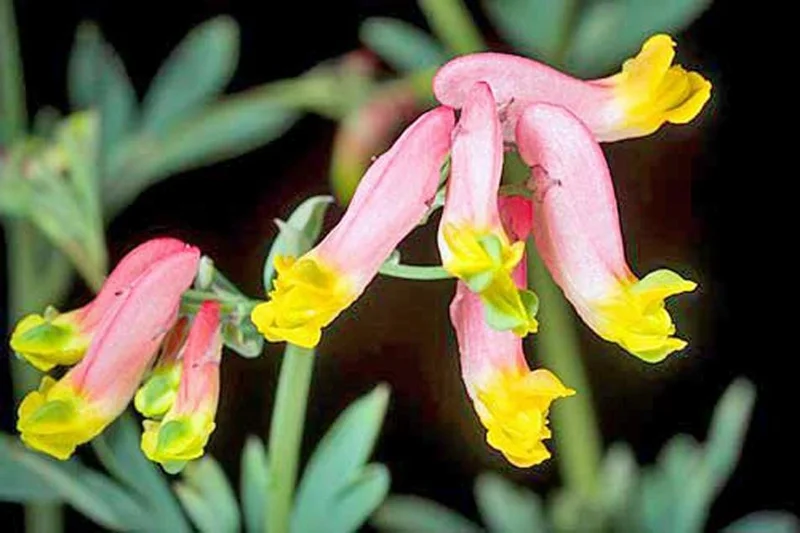
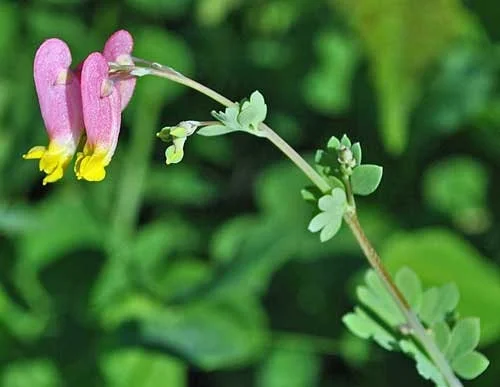
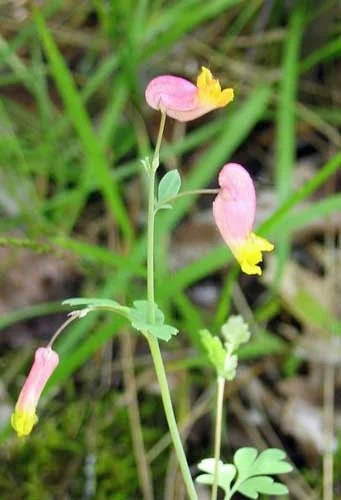
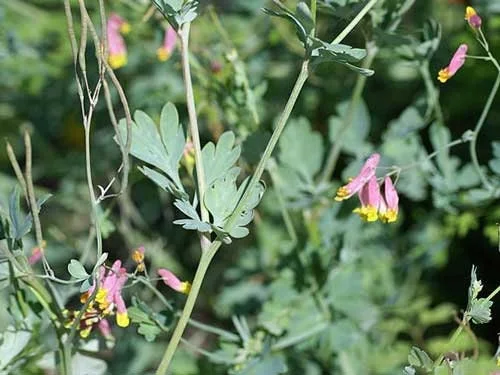
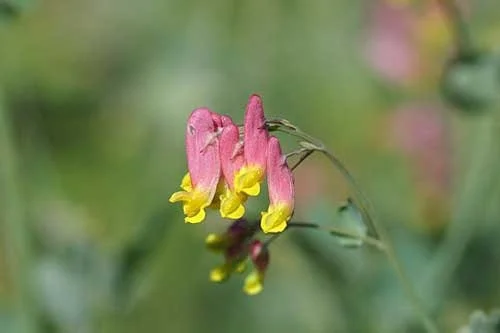
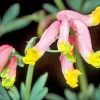
Discover the charm of corydalis sempervirens seeds, also known as pale corydalis seeds or Rock Harlequin. This pack contains 50 seeds of an herbaceous annual or biennial plant, native to North America. Enjoy its delicate pink and yellow tubular flowers that bloom from May to September, adding a touch of natural beauty to your garden or landscape.
Shipping and Return policies:
We stand behind our plants with our Alive & Thrive Guarantee. If you experience any issues within the first 30 days, please email us, and our team will be happy to help. When needed, we’ll send you a one-time replacement free of charge to make sure your garden keeps growing strong.

Reasonable Price
We offer reasonable price

Support 24/7
Contact us 24 hrs a day
100% Money Back
You’ve 30 days to Return
Payment Secure
100% secure payment
Overview
Cultivate the unique beauty of North American flora with our premium corydalis sempervirens seeds. Also known as Pale Corydalis, Tall Corydalis, or Rock Harlequin, this herbaceous annual or biennial plant belongs to the Papaveraceae family. Native to a wide range from Newfoundland and Alaska to the northern and central United States, Corydalis sempervirens is often found thriving in areas that have experienced natural disturbances, showcasing its resilience and adaptability. Each pack contains 50 seeds, offering you the opportunity to grow this distinctive plant with its charming pink and yellow tubular flowers. It’s an excellent choice for gardeners looking to introduce a native species with delicate appeal and a prolonged blooming season.
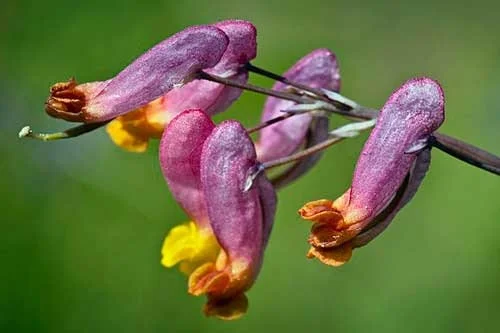
Growing from tubers, this plant typically reaches up to 2 feet tall, featuring unique sticky or glaucous stems. The blue-green leaves, about an inch long, are intricately lobed with three or four segments, providing a lovely textural contrast. The striking tubular flowers, under an inch long, display a captivating blend of pink with yellow tips, creating a subtle yet impactful visual display. These blooms grace the plant from May until September, ensuring a long period of interest in your garden. Whether you’re an experienced horticulturist or a budding enthusiast, these seeds provide a rewarding gardening experience, allowing you to cultivate a piece of natural American landscape.
Key Benefits
Adding pale corydalis seeds to your garden offers a multitude of benefits, enhancing both aesthetic appeal and ecological value. This native plant is a wonderful addition for those seeking low-maintenance beauty and a unique bloom profile.
- Extended Bloom Period: Enjoy a prolonged display of delicate pink and yellow tubular flowers from May through September, providing continuous color when many other plants are fading.
- Attracts Pollinators: The unique flowers are known to attract various beneficial pollinators, contributing to the biodiversity and health of your garden ecosystem.
- Drought Tolerance: Once established, corydalis sempervirens seeds develop into plants with average water needs, making them relatively drought-tolerant and suitable for various climates.
- Adaptable Growth: Thrives in a range of conditions from full sun to part shade, offering flexibility in planting locations within your landscape.
- Unique Foliage: The distinctive blue-green, lobed leaves provide an attractive textural element even when the plant is not in bloom, adding year-round interest.
- Native Plant Appeal: By growing native plant seeds like Rock Harlequin, you support local ecosystems and celebrate the natural beauty of North American flora.
- Resilience: This species is known to grow in disturbed areas, indicating its hardiness and ability to establish itself in various garden settings.
Plant Care & Growing Tips
Cultivating corydalis sempervirens seeds is a rewarding process, and understanding its specific needs will ensure successful growth. This plant prefers to grow in full sun to part shade. For optimal flowering and vigorous growth, aim for at least 4-6 hours of direct sunlight per day. In hotter climates, some afternoon shade can be beneficial to protect the plant from intense sun. It adapts well to various light conditions, making it a versatile choice for different garden spots.
When it comes to watering, Pale Corydalis has average water needs. Keep the soil consistently moist, especially during germination and establishment, but avoid waterlogging. Once mature, it can tolerate periods of drier soil. The ideal soil type is well-drained, sandy compost. Good drainage is crucial to prevent root rot. These plants thrive in USDA Zones 6-9, indicating their tolerance for a range of temperatures. Fertilization is generally not heavily required; a light application of a balanced, slow-release fertilizer in spring can support healthy growth, particularly in nutrient-poor soils. Monitor for common garden pests, though Corydalis sempervirens is generally quite robust. Proper spacing and good air circulation can help prevent fungal issues. For those wondering how to grow tall corydalis, starting with good soil and consistent moisture is key.
Germinating rock harlequin seeds requires a cold stratification period. Begin by placing your seeds and some soil in a ziplock bag. Moisten the mixture sufficiently so it sticks together without dripping water. Label the bag with the seed name. Refrigerate the mixture for 60 days. After stratification, sow the seeds into a well-drained, sandy compost, covering them lightly with sand or grit. Place the seed tray in filtered bright light and maintain consistent moisture until germination occurs. This cold treatment mimics natural winter conditions, encouraging successful sprouting.
Size & Details
This offering includes 50 high-quality corydalis sempervirens seeds, providing ample opportunity to establish a beautiful patch of Pale Corydalis in your garden. When mature, these herbaceous annuals or biennials typically grow to a height of around 2 feet (60 cm) with a similar spread, creating an attractive, upright form. The blue-green leaves are approximately an inch long, complementing the delicate pink and yellow tubular flowers which are under an inch in length. The plant is shipped as a seed packet, ensuring fresh and viable seeds for your planting efforts.
Expect blooms from May until September, offering a long season of visual interest. Growth rate is moderate; plants will typically establish and flower in their first or second year, depending on planting time and conditions. These seeds are ideal for creating naturalized areas, adding to rock gardens, or incorporating into mixed borders. The specific quantity of 50 seeds allows for flexible planting, whether you plan to sow them all in one area or distribute them across different parts of your landscape. Understanding the mature size and blooming period is crucial for proper placement and design within your garden, ensuring your tall corydalis thrives.
Frequently Asked Questions
- Q: How big does this plant get? A: Corydalis sempervirens typically grows to about 2 feet tall with a similar spread, forming an upright, bushy plant. Its size makes it suitable for various garden settings without becoming overbearing.
- Q: Is this an indoor or outdoor plant? A: While it can be started indoors, pale corydalis is primarily an outdoor plant, thriving in garden beds, rockeries, and naturalized areas. It prefers to grow in natural outdoor conditions.
- Q: How much sunlight does it need? A: It prefers full sun to part shade. For best results, aim for at least 4-6 hours of direct sunlight daily, though it can tolerate some afternoon shade, especially in warmer climates.
- Q: Is this plant easy to care for? A: Yes, once established, corydalis sempervirens seeds grow into a relatively low-maintenance plant with average water needs. It’s a good choice for gardeners looking for resilient and beautiful additions.
- Q: What condition will the seeds arrive in? A: Your rock harlequin seeds will arrive in a sealed packet, ensuring their freshness and viability. They are carefully packaged to protect them during transit.
- Q: How long until it blooms? A: Depending on planting time and conditions, plants grown from these seeds will typically bloom in their first or second year, providing flowers from May to September.
- Q: Will it survive winter in my zone? A: Corydalis sempervirens is hardy in USDA Zones 6-9. In these zones, it will either behave as an annual, self-seeding for the next season, or as a biennial, blooming in its second year before dying back.
- Q: What’s the minimum temperature it can tolerate? A: This plant is suitable for USDA Zones 6-9, meaning it can tolerate winter temperatures down to approximately -10°F (-23°C) when established.
- Q: Do I need to stratify these seeds? A: Yes, cold stratification is required for these native plant seeds. You’ll need to refrigerate them in a moist medium for 60 days before sowing to encourage germination.
- Q: What type of soil does it prefer? A: It prefers well-drained, sandy compost. Good drainage is crucial for healthy root development and to prevent waterlogging.
Be the first to review “Corydalis Sempervirens Seeds – Pale Corydalis Flower Seeds – 50 Seed Pack”
You must be logged in to post a review.
People also Viewed
Sold 50 products
Original price was: $109.95.$79.98Current price is: $79.98.
Sold 50 products
Original price was: $25.00.$17.50Current price is: $17.50.
Flower Seeds
Olympic Onion Seeds – Allium crenulatum Flower Seeds – 10 Seed Pack – Outdoor Native Plant
Sold 50 products
Original price was: $25.00.$17.50Current price is: $17.50.
Sold 50 products
Original price was: $25.00.$17.50Current price is: $17.50.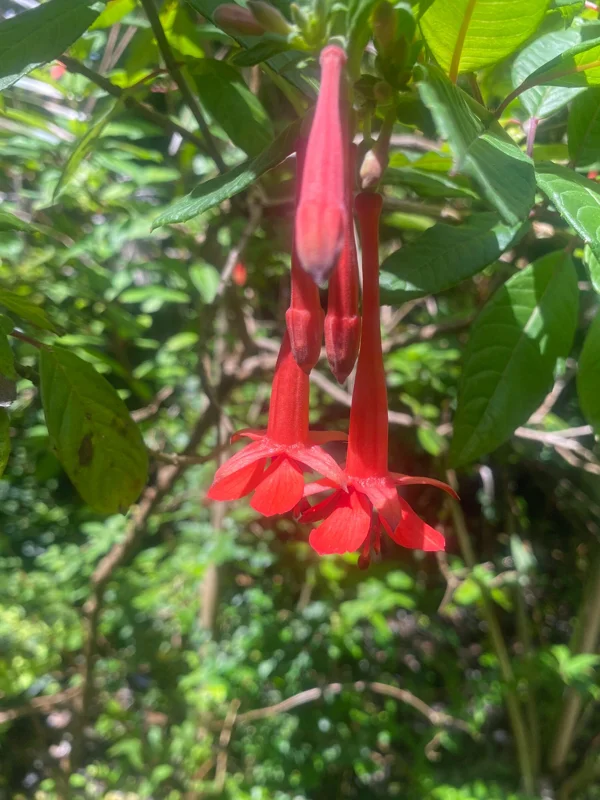
Flower Seeds
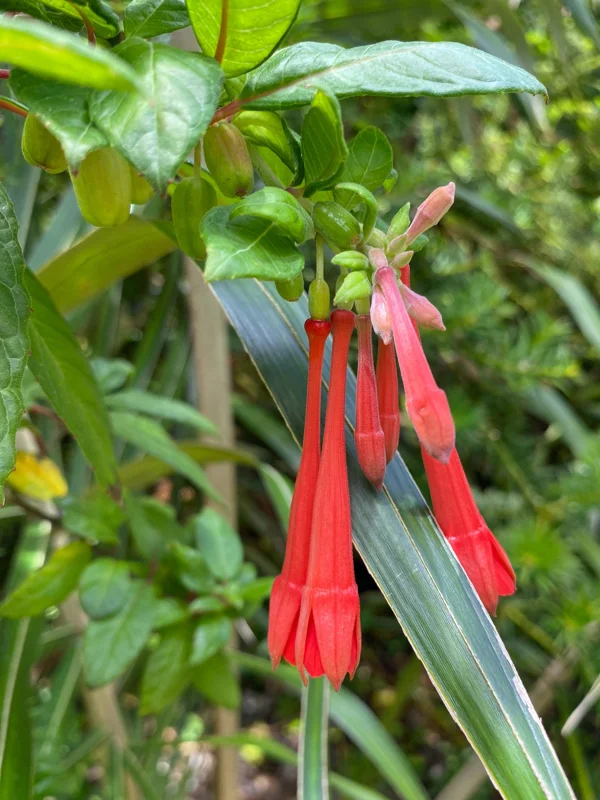
Fuchsia vulcanica Seeds – 20 Pack – Vibrant Orange Coral Flowers for Garden & Containers
Sold 50 products
Original price was: $25.00.$17.50Current price is: $17.50.
Sold 50 products
Original price was: $116.98.$95.68Current price is: $95.68.
Sold 50 products
Original price was: $21.00.$14.10Current price is: $14.10.
Aquatic Plant Seeds
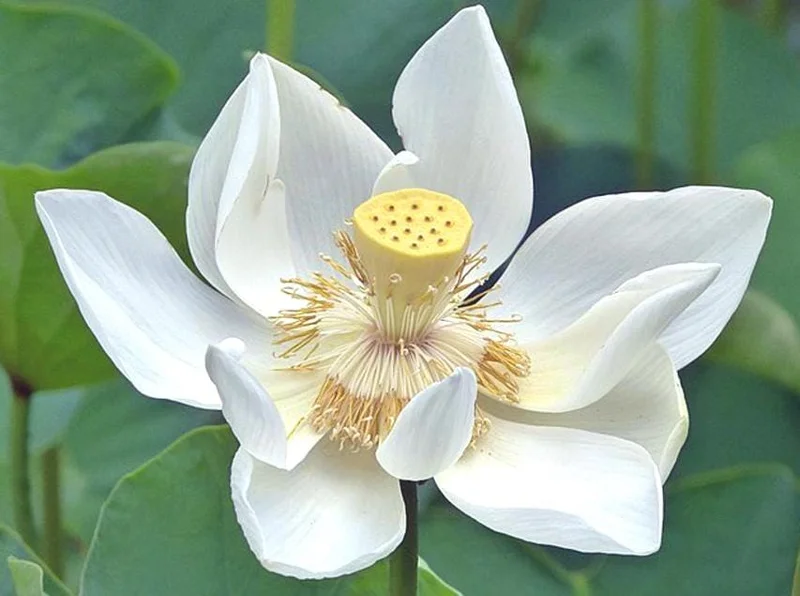
White Lotus Seeds – Nelumbo Nucifera Aquatic Pond Plant – 5 Seeds for Water Garden
Sold 50 products
Original price was: $29.00.$20.90Current price is: $20.90.RELATED posts
Awapuhi Wild Ginger Plant: Zones, Care, and Propagation
Learn which USDA zones suit awapuhi wild ginger, plus sunlight, water, planting, propagation, pests, size, [...]
Awapuhi Shampoo Ginger – Care, Growing Zones, and Differences
Learn how to grow awapuhi (shampoo) ginger, its USDA zones, watering schedule, propagation tips, and [...]
Awapuhi Shampoo Plant Buying Guide – Choose the Right Zingiber zerumbet
META: Learn which awapuhi (shampoo ginger) plant or rhizome pack gives the best natural shampoo, [...]
Awapuhi Plant for Sale: Complete Buying Guide
Find the right awapuhi (shampoo ginger) plant, size, price, soil mix, and online source. Practical [...]
Shampoo Ginger Plant for Sale – Buying Guide & Tips
Find the right shampoo ginger plant, size, price, and care tips. Quick guide for U.S. [...]
Shampoo Ginger Plant (Awapuhi) Care Guide
Learn how to grow, care for, and use shampoo ginger (Zingiber zerumbet), the tropical awapuhi [...]
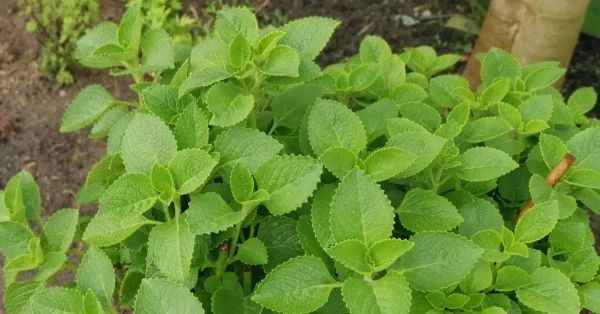
How to Grow Cuban Oregano Plants: A Complete Care Guide
If you’ve ever wanted a plant that combines the culinary punch of traditional oregano with [...]
Aug
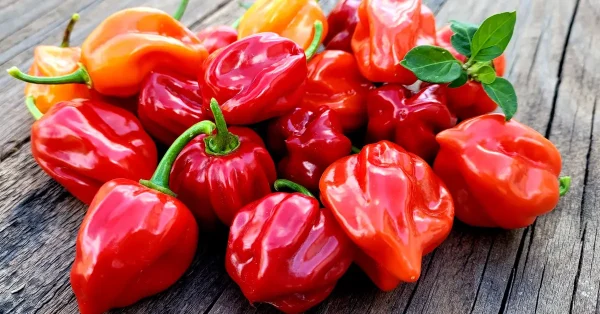
How to Grow Habanero Pepper Plants: A Step-by-Step Guide
Habanero pepper plants are prized for their vibrant colors, intense heat, and exceptional flavor, making [...]
Aug
Reviews
There are no reviews yet.