
Coral Honeysuckle Seeds – Lonicera sempervirens – 5 Seed Pack – Outdoor Vine
Original price was: $25.00.$17.50Current price is: $17.50.
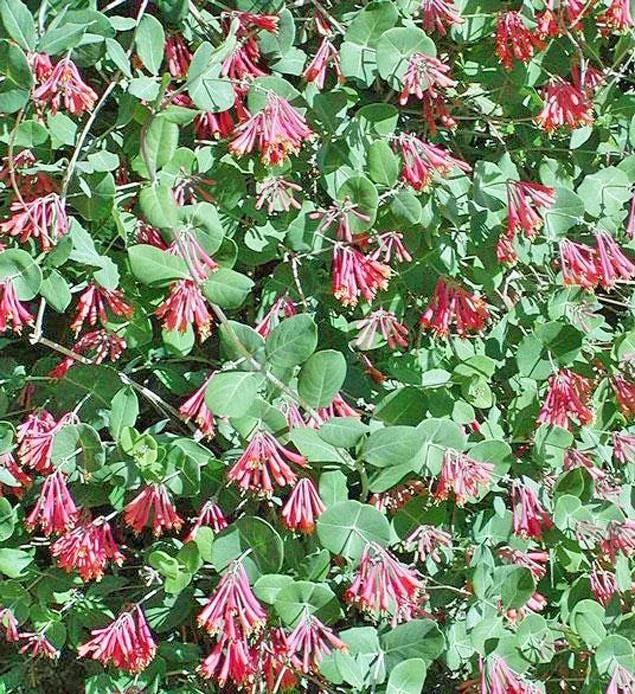
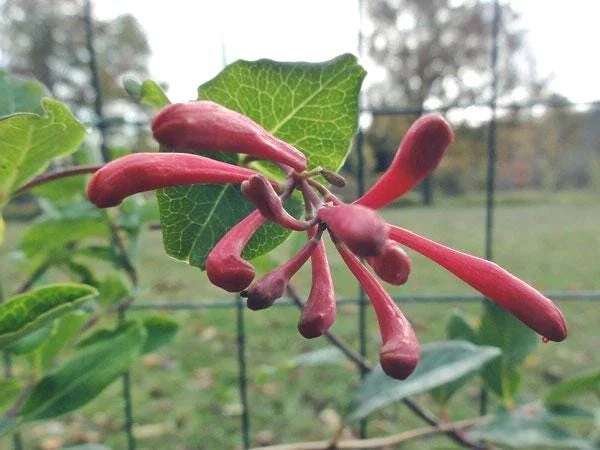
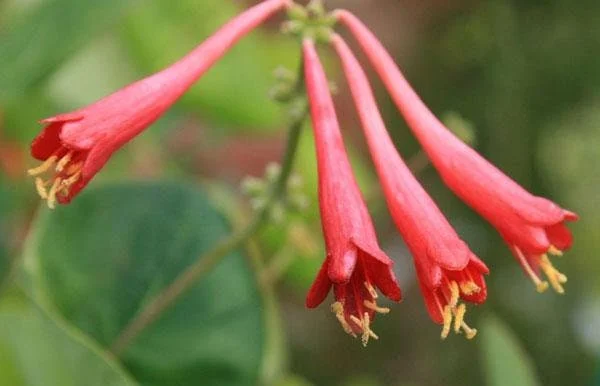
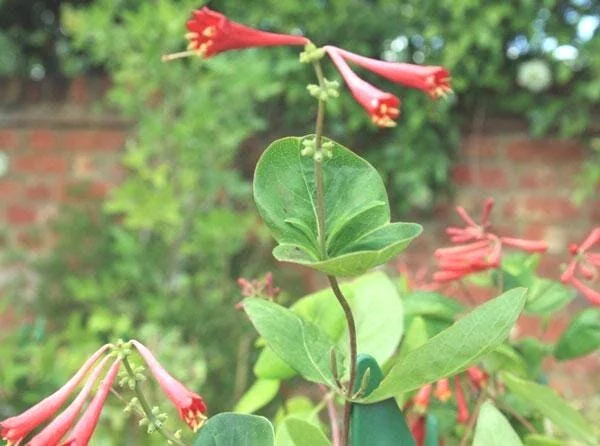
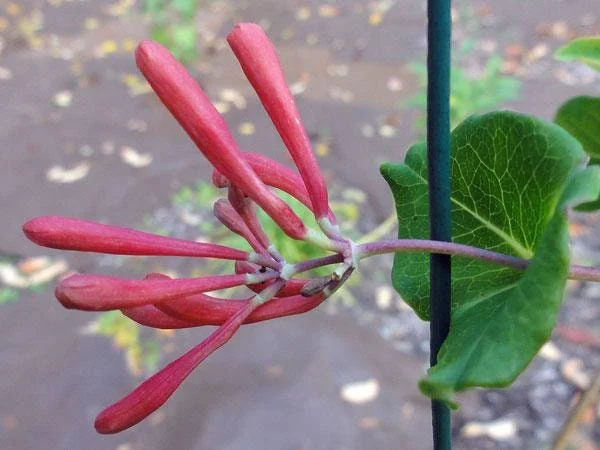
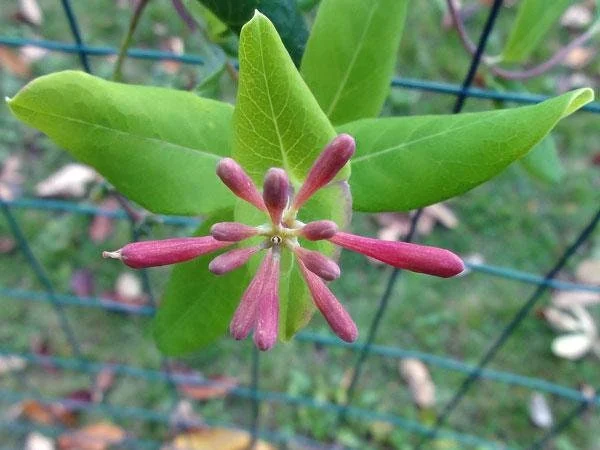
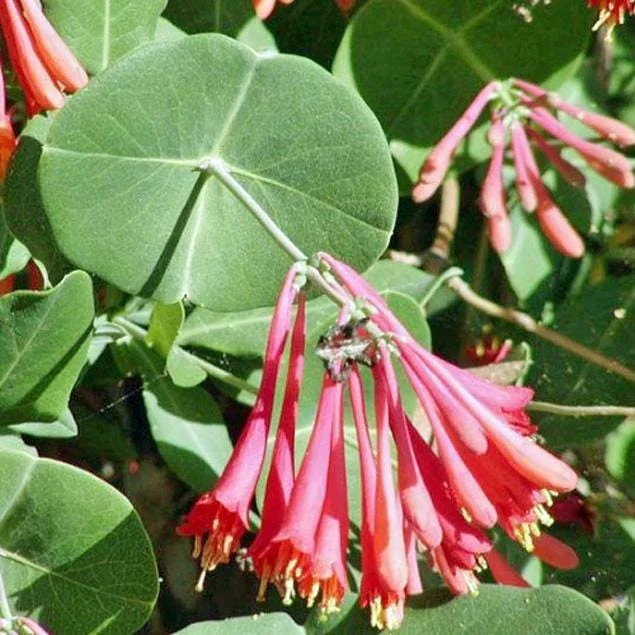
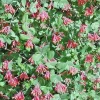
Cultivate stunning coral honeysuckle vines from these high-quality Lonicera sempervirens seeds. Enjoy vibrant red, trumpet-shaped flowers that bloom from mid-spring to mid-fall, attracting hummingbirds, bees, and butterflies. Ideal for creating a beautiful, fragrant display on fences, arbors, or trellises, enhancing any garden space. These trumpet honeysuckle seeds are perfect for gardeners looking to add a native, low-maintenance, and wildlife-friendly plant to their landscape.
Shipping and Return policies:
We stand behind our plants with our Alive & Thrive Guarantee. If you experience any issues within the first 30 days, please email us, and our team will be happy to help. When needed, we’ll send you a one-time replacement free of charge to make sure your garden keeps growing strong.

Reasonable Price
We offer reasonable price

Support 24/7
Contact us 24 hrs a day
100% Money Back
You’ve 30 days to Return
Payment Secure
100% secure payment
Overview
Embark on a rewarding gardening journey by planting coral honeysuckle seeds, also known by its botanical name Lonicera sempervirens seeds. This exquisite vine, native to the Eastern United States, is celebrated for its striking beauty and ecological benefits. Common names include trumpet honeysuckle seeds and scarlet honeysuckle seeds, both aptly describing its distinctive, vibrant red, trumpet-shaped flowers. Growing from these seeds allows you to cultivate a robust and long-blooming vine that will transform your garden into a haven for pollinators. The plant’s lustrous green leaves, often with a waxy film, provide a beautiful backdrop to the profusion of flowers that appear from mid-spring through mid-fall. These Lonicera sempervirens seeds offer a chance to introduce a resilient and attractive native species that thrives in various conditions and brings life to your outdoor space.
The coral honeysuckle seeds will develop into a vigorous climber, perfect for adding vertical interest to your garden. Whether you’re looking to cover a fence, adorn an arbor, or create a natural privacy screen, this vine is an excellent choice. Beyond its ornamental appeal, the coral honeysuckle seeds produce a plant that plays a vital role in local ecosystems, providing nectar for hummingbirds, bees, and butterflies, and bright red berries for birds. Its adaptability to different soil types and its impressive blooming period make it a favorite among both novice and experienced gardeners. Cultivate your own piece of natural beauty and contribute to local wildlife with these exceptional seeds.
Key Benefits
Growing coral honeysuckle seeds offers numerous advantages, from enhancing garden aesthetics to supporting local wildlife. These versatile seeds yield a plant that is both beautiful and beneficial:
- Attracts Pollinators: The vibrant red, trumpet-shaped flowers of Lonicera sempervirens are a magnet for hummingbirds, bees, and butterflies, making your garden a lively sanctuary. Planting coral honeysuckle seeds directly contributes to local biodiversity.
- Extended Bloom Time: Enjoy a long season of color and fragrance. This vine blooms from mid-spring to mid-fall, providing continuous visual appeal and nectar for a significant portion of the growing season. This makes growing coral honeysuckle a rewarding experience.
- Native & Resilient: As a native to the Eastern United States, trumpet honeysuckle is well-adapted to local climates and soils, requiring less intervention once established. This resilience makes scarlet honeysuckle seeds an excellent choice for sustainable gardening.
- Versatile Landscaping: Perfect for covering fences, trellises, arbors, or even as a groundcover on slopes. Its climbing habit allows for creative landscaping solutions that add vertical interest and beauty.
- Low Maintenance: Once established, coral honeysuckle is relatively low-maintenance, tolerating various soil conditions and requiring minimal care to thrive. This characteristic is a major plus when considering Lonicera sempervirens seeds for your garden.
- Wildlife Food Source: Beyond nectar, the bright red berries produced by the mature plant offer a valuable food source for various bird species, further enriching your garden’s ecosystem.
Plant Care & Growing Tips
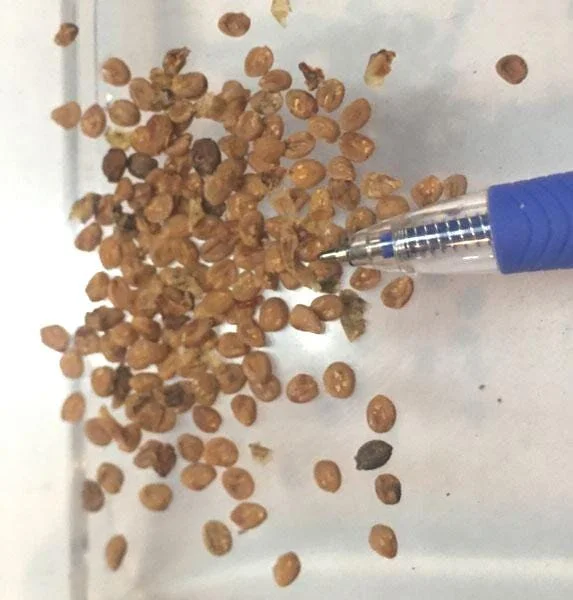
Successfully growing coral honeysuckle seeds requires a few key steps, especially during germination. Once established, this vine is quite hardy and easy to care for. For germination, mix the Lonicera sempervirens seeds with moistened soil in a ziplock bag, label it, and refrigerate for 60 days. This cold stratification period mimics natural winter conditions, encouraging dormancy break. After stratification, soak the seeds for 12 hours before sowing. Plant the seeds into a well-drained, sandy compost, covering them to their own depth with sand or grit. Place the seed tray in bright light and keep the soil consistently moist. Germination can be slow, so patience is key when growing coral honeysuckle from seed.
Once your trumpet honeysuckle seeds have germinated and the seedlings are established, transplant them to their final outdoor location. Coral honeysuckle thrives in full sun, where it receives at least 6 hours of direct sunlight daily. While it can tolerate some partial shade, full sun promotes the most abundant flowering. It prefers most soil types, provided they have good drainage. Avoid heavy, waterlogged soils, which can lead to root rot. Water regularly during the first growing season to help establish a strong root system. Once mature, it is quite drought-tolerant. Fertilize sparingly in spring with a balanced, slow-release fertilizer if your soil is poor; otherwise, it typically does not require heavy feeding. This resilient vine is generally pest and disease-free, making scarlet honeysuckle seeds a reliable choice for your garden. It is hardy in USDA Zones 5-10, tolerating a wide range of climates.
Size & Details
This product includes 5 coral honeysuckle seeds of the species Lonicera sempervirens, ready for you to cultivate into beautiful climbing vines. Each seed has the potential to grow into a mature vine that can reach lengths of 10 to 20 feet, though some specimens can grow even longer with optimal conditions and support. The trumpet-shaped flowers are typically 1-2 inches in length, creating a striking visual impact. The growth rate is moderate to fast, allowing you to establish a sizable vine within a few growing seasons. These seeds are shipped in a protective packet, ensuring their viability upon arrival.
Once established, the trumpet honeysuckle will bloom from mid-spring through mid-fall, offering an extended period of color and fragrance. The plant will produce bright red berries in late summer to fall, adding another layer of seasonal interest and providing food for birds. The mature vine will develop a robust structure, making it ideal for substantial supports like large arbors, pergolas, or sturdy fences. These Lonicera sempervirens seeds provide an economical and rewarding way to introduce a significant, long-lived plant into your garden landscape, perfect for those interested in growing coral honeysuckle.
Frequently Asked Questions
- Q: How big does this plant get? A: Coral honeysuckle is a vigorous climbing vine that can typically grow 10 to 20 feet long. With ideal conditions and proper support, it can sometimes reach even greater lengths, making it perfect for covering large structures.
- Q: Is this an indoor or outdoor plant? A: Lonicera sempervirens is an outdoor plant. It is a hardy vine best suited for garden landscapes, thriving in full sun and various soil conditions across USDA Zones 5-10. It is not recommended as an indoor houseplant.
- Q: How much sunlight does it need? A: The trumpet honeysuckle prefers full sun, meaning at least 6 hours of direct sunlight per day. While it can tolerate some partial shade, abundant flowering is best achieved in full sun exposure.
- Q: Is this plant easy to care for? A: Yes, once established, coral honeysuckle is considered a low-maintenance plant. It is relatively drought-tolerant and pest-resistant, making it a good choice for both beginner and experienced gardeners.
- Q: What condition will the seeds arrive in? A: Your coral honeysuckle seeds will arrive in a sealed packet, ensuring they are protected and viable for planting. Detailed germination instructions are provided to help you get started.
- Q: How long until it blooms? A: When growing coral honeysuckle from seed, it typically takes 2-3 years for the vine to mature enough to produce its first significant blooms. Once established, it will bloom consistently from mid-spring to mid-fall.
- Q: Will it survive winter in my zone? A: Yes, Lonicera sempervirens is hardy in USDA Zones 5-10, meaning it can withstand winter temperatures in these regions and return year after year. Protection may be needed in the colder extremes of its range.
- Q: Can I grow these in a container? A: While primarily a garden plant, scarlet honeysuckle can be grown in very large containers (e.g., 15-20 gallon) with a sturdy trellis. Ensure excellent drainage and consistent moisture, as container plants dry out faster.
- Q: What soil type is best for these seeds? A: These Lonicera sempervirens seeds prefer a well-draining, sandy compost for germination and subsequently thrive in most well-draining garden soils. Avoid heavy clay soils that retain too much moisture.
- Q: Are the berries edible? A: No, the bright red berries of coral honeysuckle are not intended for human consumption. They are, however, a valuable food source for birds and contribute to the plant’s ornamental appeal.
Be the first to review “Coral Honeysuckle Seeds – Lonicera sempervirens – 5 Seed Pack – Outdoor Vine”
You must be logged in to post a review.
People also Viewed
Sold 50 products
Original price was: $109.95.$79.98Current price is: $79.98.
Sold 50 products
Original price was: $25.00.$17.50Current price is: $17.50.
Flower Seeds
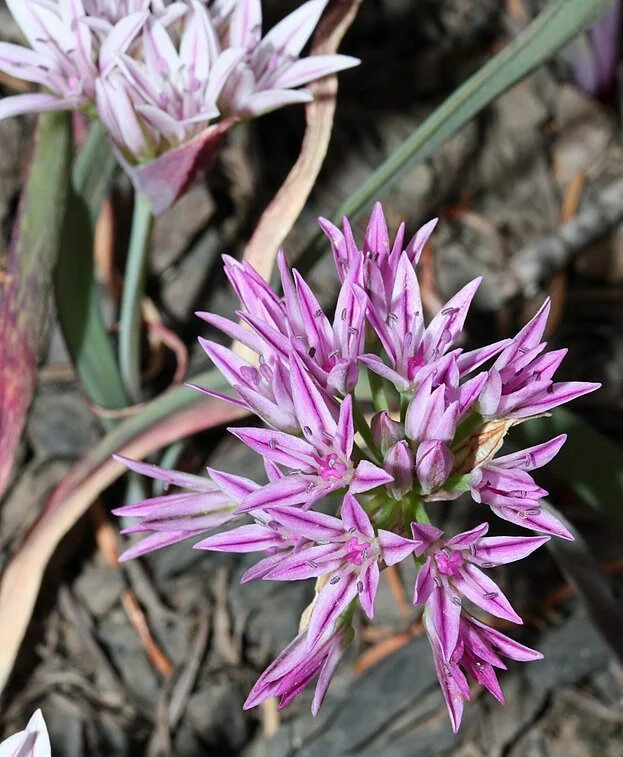
Olympic Onion Seeds – Allium crenulatum Flower Seeds – 10 Seed Pack – Outdoor Native Plant
Sold 50 products
Original price was: $25.00.$17.50Current price is: $17.50.
Sold 50 products
Original price was: $25.00.$17.50Current price is: $17.50.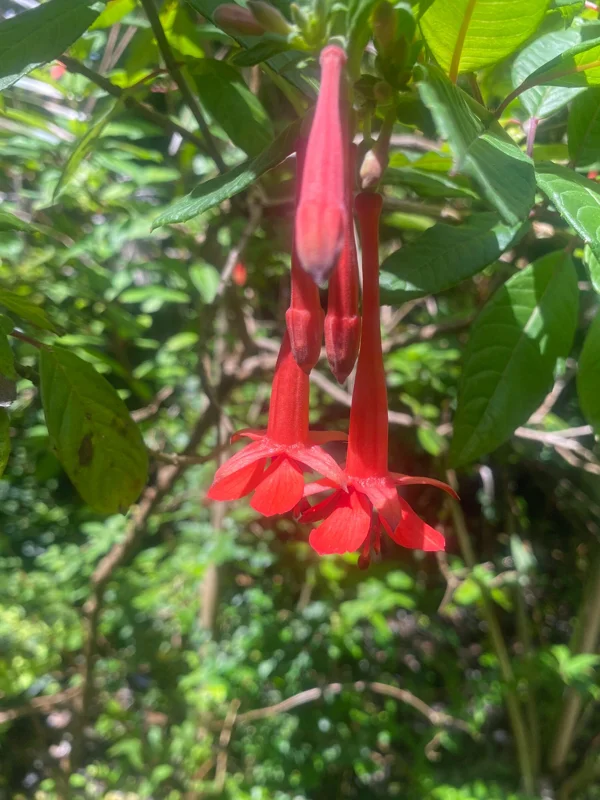
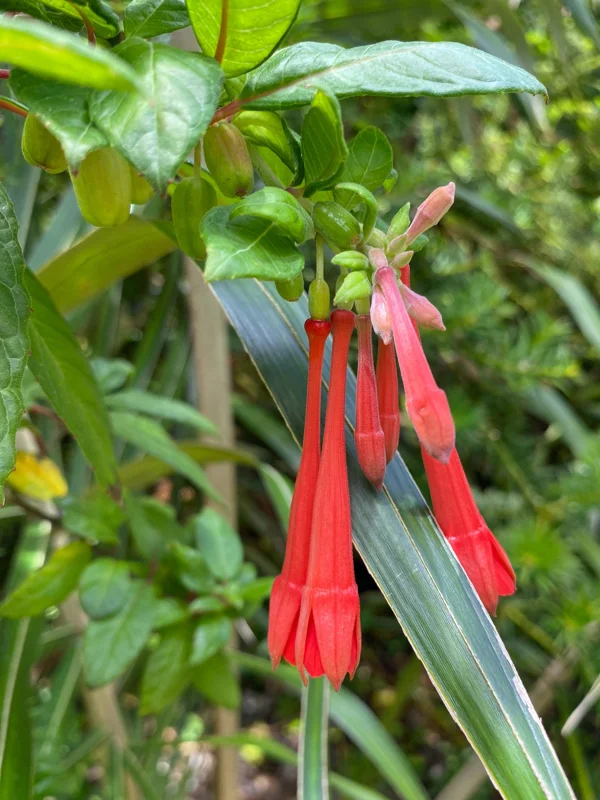
Flower Seeds
Fuchsia vulcanica Seeds – 20 Pack – Vibrant Orange Coral Flowers for Garden & Containers
Sold 50 products
Original price was: $25.00.$17.50Current price is: $17.50.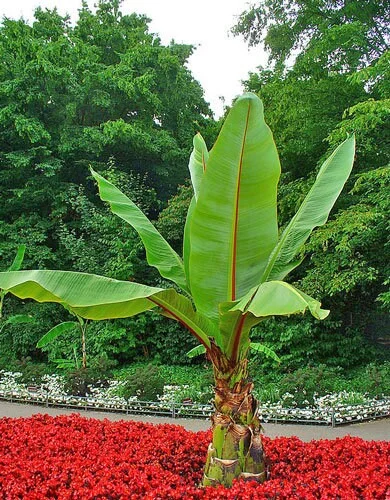
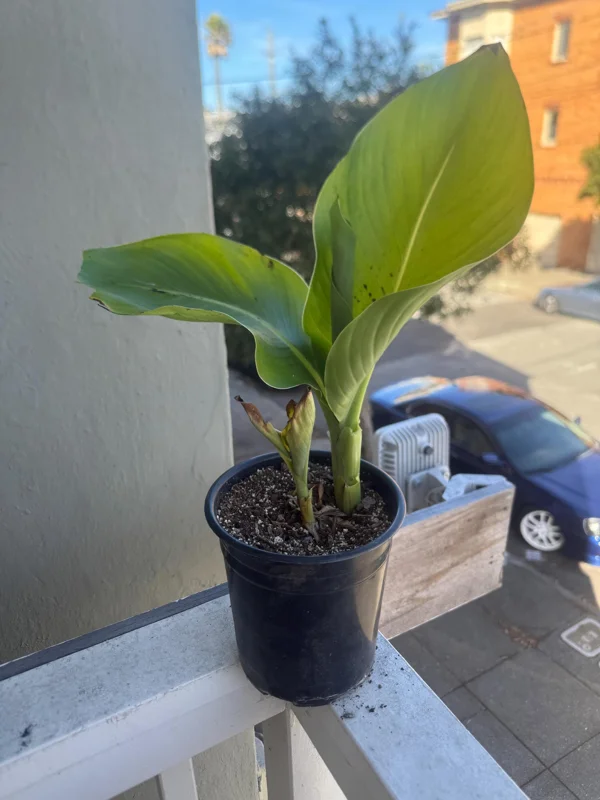
Sold 50 products
Original price was: $116.98.$95.68Current price is: $95.68.
Sold 50 products
Original price was: $21.00.$14.10Current price is: $14.10.
Aquatic Plant Seeds
White Lotus Seeds – Nelumbo Nucifera Aquatic Pond Plant – 5 Seeds for Water Garden
Sold 50 products
Original price was: $29.00.$20.90Current price is: $20.90.RELATED posts
Awapuhi Wild Ginger Plant: Zones, Care, and Propagation
Learn which USDA zones suit awapuhi wild ginger, plus sunlight, water, planting, propagation, pests, size, [...]
Awapuhi Shampoo Ginger – Care, Growing Zones, and Differences
Learn how to grow awapuhi (shampoo) ginger, its USDA zones, watering schedule, propagation tips, and [...]
Awapuhi Shampoo Plant Buying Guide – Choose the Right Zingiber zerumbet
META: Learn which awapuhi (shampoo ginger) plant or rhizome pack gives the best natural shampoo, [...]
Awapuhi Plant for Sale: Complete Buying Guide
Find the right awapuhi (shampoo ginger) plant, size, price, soil mix, and online source. Practical [...]
Shampoo Ginger Plant for Sale – Buying Guide & Tips
Find the right shampoo ginger plant, size, price, and care tips. Quick guide for U.S. [...]
Shampoo Ginger Plant (Awapuhi) Care Guide
Learn how to grow, care for, and use shampoo ginger (Zingiber zerumbet), the tropical awapuhi [...]
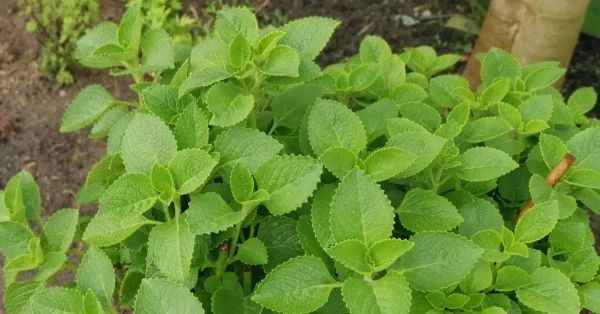
How to Grow Cuban Oregano Plants: A Complete Care Guide
If you’ve ever wanted a plant that combines the culinary punch of traditional oregano with [...]
Aug
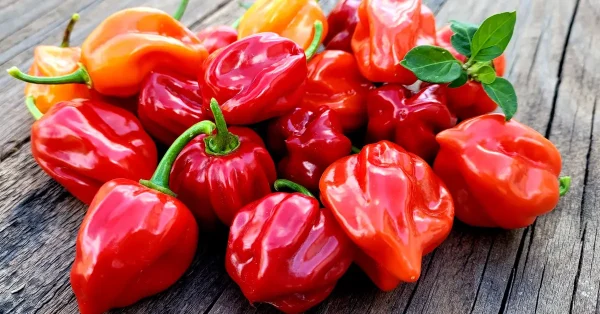
How to Grow Habanero Pepper Plants: A Step-by-Step Guide
Habanero pepper plants are prized for their vibrant colors, intense heat, and exceptional flavor, making [...]
Aug
Reviews
There are no reviews yet.