
Colorado Manzanita Seeds – Arctostaphylos coloradensis – 10 Seeds – Outdoor Shrub
Original price was: $25.00.$17.50Current price is: $17.50.
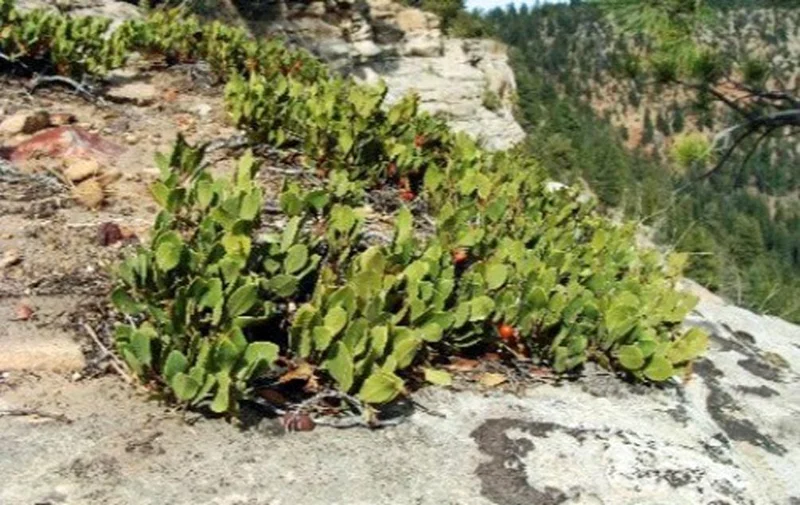
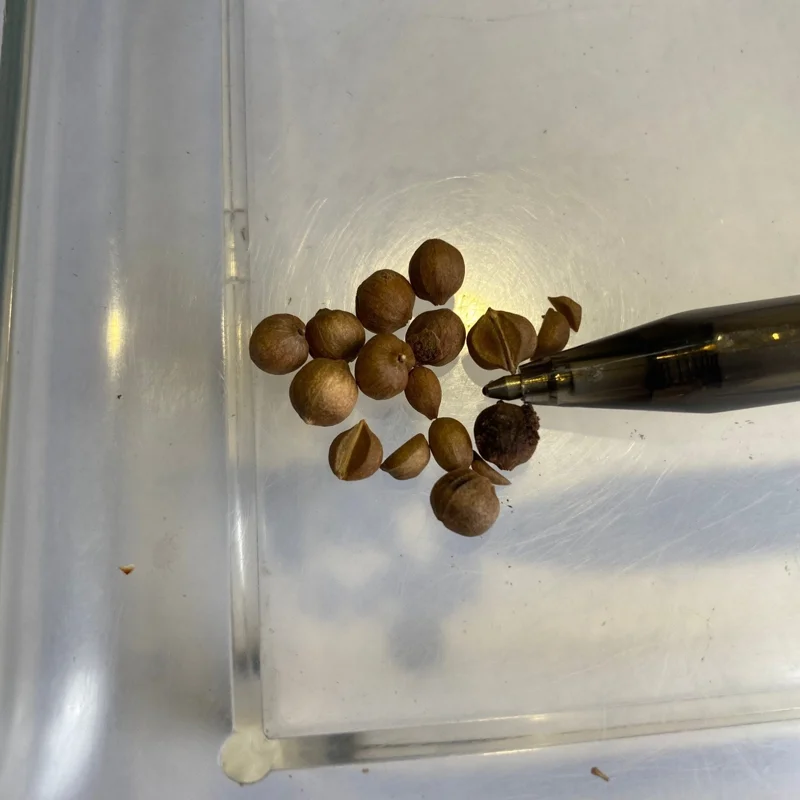
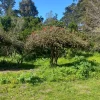
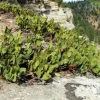
Cultivate the resilient Colorado Manzanita seeds (Arctostaphylos coloradensis), a beautiful evergreen shrub native to the Rocky Mountains. This packet contains 10 Arctostaphylos coloradensis seeds, perfect for establishing a drought-tolerant, ecologically beneficial landscape. Enjoy its smooth reddish bark and small urn-shaped flowers.
Shipping and Return policies:
We stand behind our plants with our Alive & Thrive Guarantee. If you experience any issues within the first 30 days, please email us, and our team will be happy to help. When needed, we’ll send you a one-time replacement free of charge to make sure your garden keeps growing strong.

Reasonable Price
We offer reasonable price

Support 24/7
Contact us 24 hrs a day
100% Money Back
You’ve 30 days to Return
Payment Secure
100% secure payment
Overview
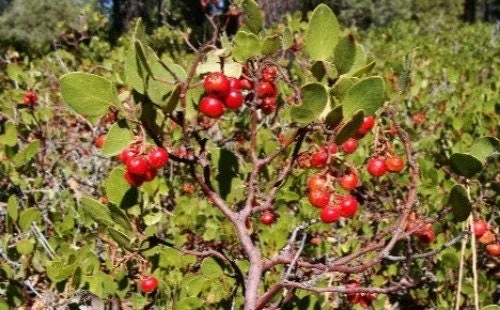
Embark on a rewarding gardening journey by growing Colorado Manzanita seeds. This offering includes 10 Arctostaphylos coloradensis seeds, providing an excellent opportunity to introduce this remarkable native evergreen shrub into your garden or landscape. Commonly known as Colorado Manzanita, Arctostaphylos coloradensis is a resilient species endemic to the Rocky Mountains, thriving in montane and subalpine habitats. Its distinctive features include smooth, reddish-brown bark, small urn-shaped white to pink flowers that appear in spring, and attractive green, elliptical leaves. This plant not only adds aesthetic appeal but also plays a vital ecological role, supporting local wildlife with its berries and providing essential habitat. Starting from Arctostaphylos coloradensis seeds allows you to witness the full life cycle of this unique and adaptable plant.
The Colorado Manzanita plant is celebrated for its hardiness and ability to flourish in challenging environments, making it an ideal choice for xeriscaping or native plant gardens. Its deep roots contribute to soil stability, and its evergreen nature ensures year-round interest. Propagating from native shrub seeds such as these fosters biodiversity and supports local ecosystems. With proper care and patience, these seeds will develop into robust shrubs that enhance any outdoor space with their natural beauty and ecological value.
Key Benefits
Growing Colorado Manzanita seeds offers a multitude of benefits for both your garden and the environment. This native shrub is an excellent choice for sustainable landscaping due to its inherent resilience and ecological contributions.
- Ecological Importance: The Arctostaphylos coloradensis plant provides crucial food and habitat for various wildlife species, including birds, insects, and mammals, thanks to its small red berries and dense foliage. Planting these native shrub seeds directly supports local biodiversity.
- Drought Tolerance: Once established, Colorado Manzanita is highly drought-tolerant, requiring minimal supplemental water. This makes it a perfect addition to water-wise gardens and landscapes in arid or semi-arid regions.
- Year-Round Interest: As an evergreen shrub, it maintains its attractive green leaves throughout the year, offering continuous visual appeal even in winter. Its smooth, reddish-brown bark provides additional textural interest.
- Hardiness and Adaptability: Thriving in USDA Zones 4-8, this plant is well-suited to a wide range of climates and soil conditions, particularly rocky, well-draining soils found in its native Rocky Mountain habitats. Learning about Manzanita plant care will highlight its robust nature.
- Beautiful Blooms and Berries: In spring, it produces charming urn-shaped white to pink flowers, followed by small red berries, adding seasonal color and attracting pollinators.
- Low Maintenance: After its initial establishment phase, the Colorado Manzanita requires very little maintenance, making it an excellent choice for gardeners seeking a resilient and self-sufficient plant.
- Erosion Control: Its extensive root system helps to stabilize soil on slopes and in rocky areas, making it valuable for erosion control in challenging terrains.
Plant Care & Growing Tips
Successfully germinating and growing Colorado Manzanita seeds requires attention to specific conditions that mimic its native environment. The journey begins with proper seed preparation. After receiving your 10 Arctostaphylos coloradensis seeds, it’s crucial to clean them thoroughly, removing any remaining pulp residue, and then air-dry them completely to prevent fungal issues. These seeds typically benefit from a stratification period to break dormancy. This involves simulating winter conditions by placing the seeds in a moistened medium, like sand or peat moss, and refrigerating them for several weeks. This cold stratification is vital for successful germination of native shrub seeds like Manzanita.
Once stratified, sow the seeds in a well-draining soil mix, lightly covering them. Maintain consistent moisture in the soil, but avoid waterlogging. Germination can take several weeks to a few months, depending on environmental factors. Provide a location with full sun to partial shade, replicating the conditions where the Colorado Manzanita plant naturally thrives. After seedlings emerge, gradually acclimate them to brighter light before transplanting them into individual pots or their final outdoor location. For long-term Manzanita plant care, ensure they are planted in well-draining soil, ideally sandy or rocky, and receive adequate sunlight.
The Arctostaphylos coloradensis prefers a neutral to slightly acidic soil pH. While young plants benefit from regular watering to establish their root system, mature plants are highly drought-tolerant and should not be overwatered. Fertilization is generally not necessary for established plants in their native range, as they are adapted to nutrient-poor soils. If your soil is particularly poor, a light application of a slow-release, low-phosphorus fertilizer in spring can be beneficial. Protect young plants from extreme winter winds in colder zones. Understanding these specific needs is key to fostering a healthy and thriving Colorado Manzanita plant from your Colorado Manzanita seeds.
Size & Details
This product includes a packet containing 10 Arctostaphylos coloradensis seeds, ready for you to begin propagating your own Colorado Manzanita plant. When mature, the Colorado Manzanita typically grows as a compact to spreading evergreen shrub, reaching heights of 1 to 3 feet (30 to 90 cm) and spreading up to 3 to 6 feet (90 to 180 cm) wide. Its growth rate is generally slow to moderate, allowing it to establish a strong root system and dense form over time. The plant’s distinctive reddish-brown bark provides year-round visual appeal, complementing its small, green elliptical leaves.
The seeds are shipped in a protective packet, ensuring their viability upon arrival. Expect the first flowers to appear in spring, followed by small red berries that mature in late summer to fall. These plants are well-suited for USDA hardiness zones 4-8, demonstrating their resilience to cold temperatures. With proper germination techniques, you can look forward to cultivating a beautiful and ecologically valuable Colorado Manzanita in your garden for many years to come.
Frequently Asked Questions
- Q: How big does the Colorado Manzanita plant get? A: The Colorado Manzanita plant typically grows to a height of 1 to 3 feet and can spread 3 to 6 feet wide, forming a compact to spreading evergreen shrub. Its size makes it suitable for various landscape applications.
- Q: Is this an indoor or outdoor plant? A: Colorado Manzanita is primarily an outdoor plant. It is a hardy native shrub adapted to the specific climate and conditions of the Rocky Mountains and thrives in outdoor garden settings.
- Q: How much sunlight do Arctostaphylos coloradensis seeds need to grow? A: Once germinated, the seedlings and mature Arctostaphylos coloradensis plant prefer full sun to partial shade. Ensuring adequate sunlight is crucial for healthy growth and flowering.
- Q: Is this plant easy to care for? A: While germinating Colorado Manzanita seeds requires specific stratification, established Colorado Manzanita plants are relatively low-maintenance, especially once they are mature and drought-tolerant. They are known for their resilience.
- Q: What condition will the seeds arrive in? A: Your 10 Arctostaphylos coloradensis seeds will arrive in a dry, protective packet, carefully prepared for safe transport and optimal viability.
- Q: How long until the Colorado Manzanita blooms? A: After successful germination and establishment, the Colorado Manzanita plant typically begins to produce its small white to pink urn-shaped flowers in spring, usually after a few years of growth.
- Q: Will this plant survive winter in my zone? A: The Colorado Manzanita is hardy in USDA Zones 4-8, meaning it is well-adapted to survive cold winters within this range. It is a robust native shrub.
- Q: What is the best time to plant Colorado Manzanita seeds? A: After cold stratification, the best time to sow Colorado Manzanita seeds is typically in late winter or early spring, allowing seedlings to establish as temperatures rise.
- Q: What kind of soil does Manzanita plant care recommend? A: For optimal Manzanita plant care, well-draining, sandy, or rocky soil is preferred. It thrives in conditions similar to its native montane habitats.
- Q: Are the berries on the Colorado Manzanita edible? A: While the small red berries of the Arctostaphylos coloradensis are an important food source for wildlife, they are generally not consumed by humans and can be quite tart.
Be the first to review “Colorado Manzanita Seeds – Arctostaphylos coloradensis – 10 Seeds – Outdoor Shrub”
You must be logged in to post a review.
People also Viewed


Sold 50 products
Original price was: $109.95.$79.98Current price is: $79.98.

Sold 50 products
Original price was: $25.00.$17.50Current price is: $17.50.

Flower Seeds
Olympic Onion Seeds – Allium crenulatum Flower Seeds – 10 Seed Pack – Outdoor Native Plant
Sold 50 products
Original price was: $25.00.$17.50Current price is: $17.50.

Sold 50 products
Original price was: $25.00.$17.50Current price is: $17.50.

Flower Seeds
Fuchsia vulcanica Seeds – 20 Pack – Vibrant Orange Coral Flowers for Garden & Containers
Sold 50 products
Original price was: $25.00.$17.50Current price is: $17.50.

Sold 50 products
Original price was: $116.98.$95.68Current price is: $95.68.

Sold 50 products
Original price was: $21.00.$14.10Current price is: $14.10.

Aquatic Plant Seeds
White Lotus Seeds – Nelumbo Nucifera Aquatic Pond Plant – 5 Seeds for Water Garden
Sold 50 products
Original price was: $29.00.$20.90Current price is: $20.90.RELATED posts
Awapuhi Wild Ginger Plant: Zones, Care, and Propagation
Learn which USDA zones suit awapuhi wild ginger, plus sunlight, water, planting, propagation, pests, size, [...]
Awapuhi Shampoo Ginger – Care, Growing Zones, and Differences
Learn how to grow awapuhi (shampoo) ginger, its USDA zones, watering schedule, propagation tips, and [...]
Awapuhi Shampoo Plant Buying Guide – Choose the Right Zingiber zerumbet
META: Learn which awapuhi (shampoo ginger) plant or rhizome pack gives the best natural shampoo, [...]
Awapuhi Plant for Sale: Complete Buying Guide
Find the right awapuhi (shampoo ginger) plant, size, price, soil mix, and online source. Practical [...]
Shampoo Ginger Plant for Sale – Buying Guide & Tips
Find the right shampoo ginger plant, size, price, and care tips. Quick guide for U.S. [...]
Shampoo Ginger Plant (Awapuhi) Care Guide
Learn how to grow, care for, and use shampoo ginger (Zingiber zerumbet), the tropical awapuhi [...]

How to Grow Cuban Oregano Plants: A Complete Care Guide
If you’ve ever wanted a plant that combines the culinary punch of traditional oregano with [...]
Aug

How to Grow Habanero Pepper Plants: A Step-by-Step Guide
Habanero pepper plants are prized for their vibrant colors, intense heat, and exceptional flavor, making [...]
Aug
Reviews
There are no reviews yet.