
Clematis Blue Light Live Plant – Double Blue Flowers, Climbing Vine
Original price was: $33.98.$26.98Current price is: $26.98.
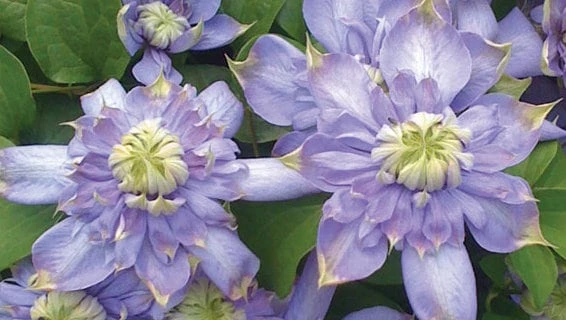
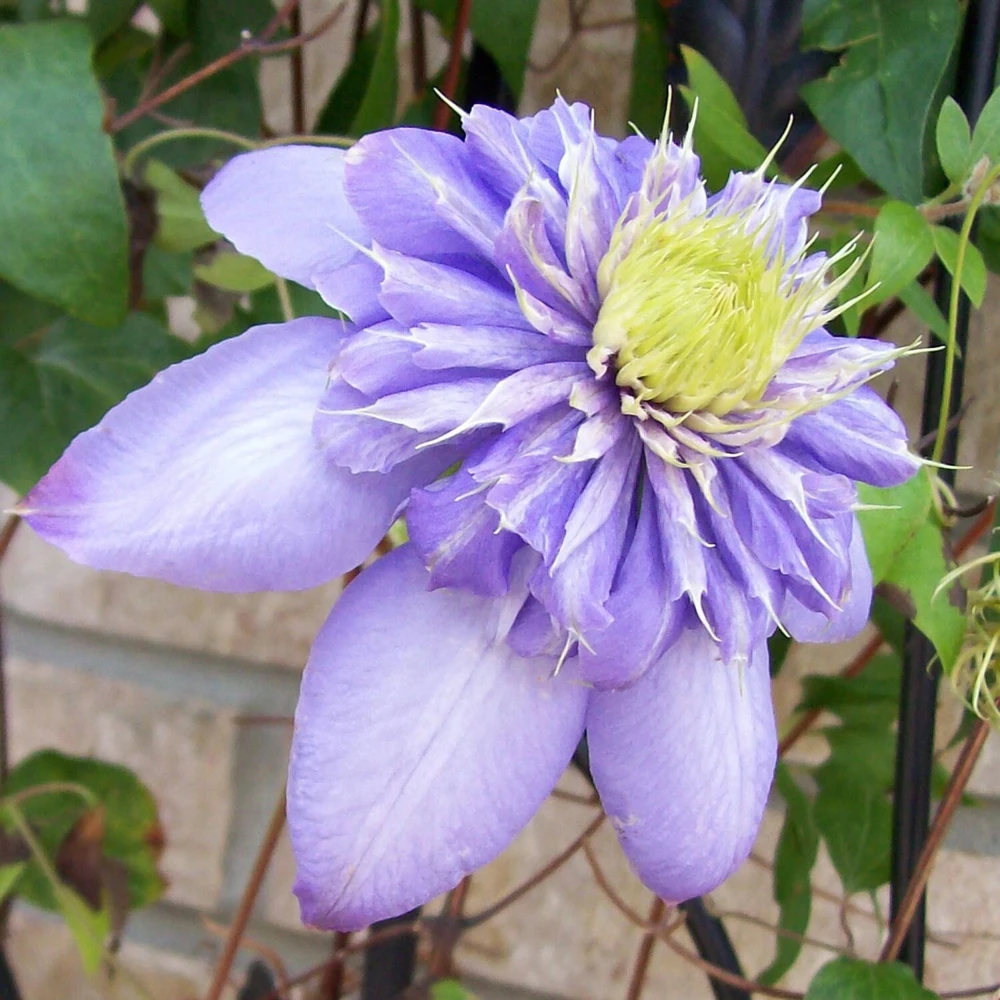
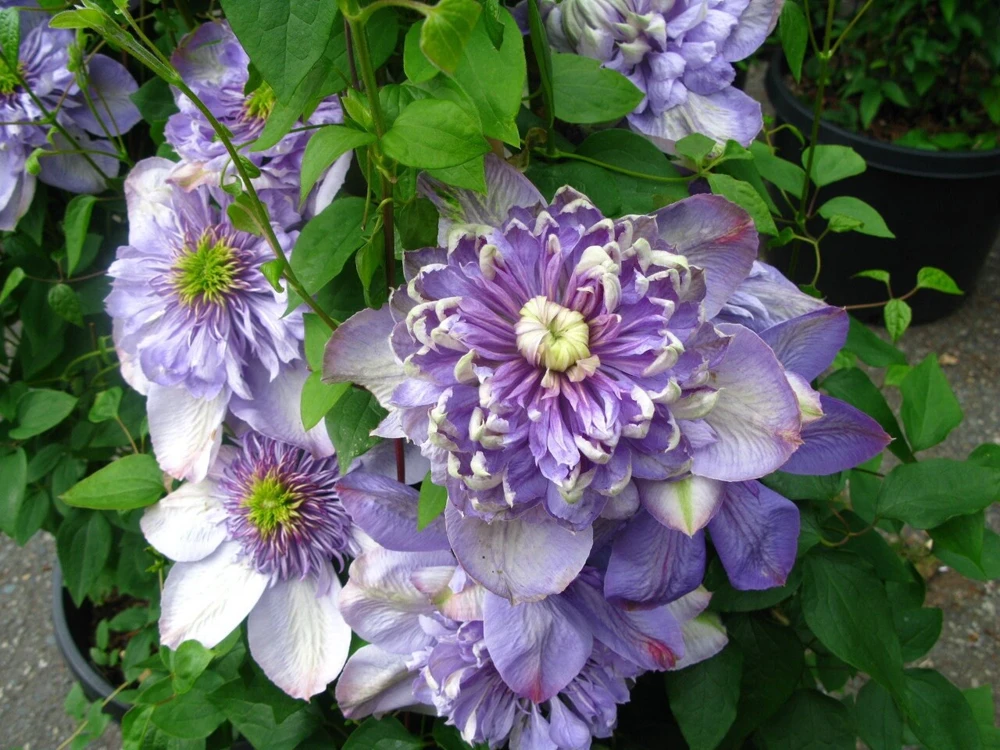
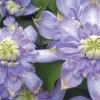
Adorn your garden with the exquisite Clematis Blue Light live plant, an award-winning deciduous climbing vine. It features large, dahlia-like, double pale blue to blue-violet flowers that bloom twice a year, offering continuous beauty. This compact grower is ideal for small gardens and containers, known for its ease of growth and disease resistance. Enjoy the charm of this climbing clematis vine with its abundant blooms.
Shipping and Return policies:
We stand behind our plants with our Alive & Thrive Guarantee. If you experience any issues within the first 30 days, please email us, and our team will be happy to help. When needed, we’ll send you a one-time replacement free of charge to make sure your garden keeps growing strong.

Reasonable Price
We offer reasonable price

Support 24/7
Contact us 24 hrs a day
100% Money Back
You’ve 30 days to Return
Payment Secure
100% secure payment
Overview
Transform your garden into a captivating display with the magnificent Clematis Blue Light live plant. This award-winning deciduous climbing vine is celebrated for its truly spectacular large, dahlia-like, double pale blue to blue-violet flowers. Unlike many other varieties, ‘Blue Light’ provides two generous flushes of blooms: one in late spring and another bountiful return in late summer to early fall, ensuring your garden remains vibrant for an extended period. As a compact grower, typically reaching 6-8 feet tall, this particular climbing clematis vine is an outstanding choice for introducing vertical interest to smaller gardens, patios, or even containers. Renowned for its ease of growth and impressive disease resistance, it’s a favorite among both novice and experienced gardeners seeking reliable beauty. This listing offers a rooted starter plant of this desirable variety, shipped either bare root or in a 2.5×4 inch greenhouse pot, ready to establish itself in your landscape.
Key Benefits
The Clematis Blue Light live plant offers a multitude of benefits, making it an exceptional addition to any garden. Its unique characteristics contribute significantly to its appeal and value:
- Stunning Double Blooms: Enjoy the visual spectacle of large, dahlia-like, double pale blue to blue-violet flowers. These intricate blooms add a touch of elegance and sophistication to any garden setting, making it a true focal point.
- Extended Bloom Season: Experience two distinct flowering periods – late spring and again in late summer/early fall. This ensures a prolonged display of color and beauty, keeping your garden vibrant for months. The abundant blooms are a hallmark of this exceptional double flower clematis.
- Compact Growth Habit: Reaching a manageable height of 6-8 feet, this clematis is perfect for smaller spaces, containers, and trellises. Its compact nature makes it versatile for various garden designs without overwhelming other plants.
- Disease Resistant: ‘Blue Light’ is noted for its good disease resistance, reducing the need for extensive chemical treatments and making it a healthier, more resilient plant for your garden. This trait contributes to easier Blue Light Clematis care.
- Vertical Interest: As a climbing vine, it provides excellent vertical interest, ideal for adorning walls, fences, arbors, or pergolas. It maximizes garden space and creates dynamic visual layers in your landscape.
- Deer and Rabbit Resistant: This plant is generally unappealing to deer and rabbits, offering peace of mind that your beautiful blooms will remain undisturbed by common garden pests.
- Award-Winning Variety: Recognized for its outstanding qualities, ‘Blue Light’ is an award-winning cultivar, assuring you of a plant with proven performance and aesthetic appeal.
Plant Care & Growing Tips
Proper Blue Light Clematis care is essential for ensuring a healthy, vigorous plant with abundant blooms. This clematis thrives with specific attention to its environmental needs. It prefers full sun exposure, meaning at least 6 hours of direct sunlight daily, which is crucial for optimal flower production. However, a unique requirement for clematis is that their roots must be kept cool and shaded. This can be achieved by planting low-growing perennials or annuals at the base of the vine, or by applying a thick layer of mulch around the root zone. Regular and deep watering is vital, especially during the first growing season, to help establish a strong root system. The soil should be kept consistently moist but never waterlogged, ensuring good drainage is paramount.
The ideal soil for this climbing clematis vine is fertile, humus-rich, and well-drained, with a neutral to slightly alkaline pH (6.5-7.5). If you have heavy clay soils, amending them with organic matter like compost will significantly improve drainage and provide essential nutrients. This variety is hardy in hardy clematis zones 4-8, and some sources even suggest it can tolerate zone 9. In colder regions, container-grown plants may require winter protection, such as being moved to an unheated garage or basement. The plant is tolerant of various humidity levels, but ensuring good air circulation is key to preventing common fungal diseases like powdery mildew. As a heavy feeder, apply a balanced, slow-release fertilizer in early spring as new growth emerges, and consider a second application after the first flush of blooms in mid-summer to support continued flowering.
Pruning is important for the health and bloom production of your ‘Blue Light’ clematis. This is a Pruning Group 2 clematis, meaning it blooms on both old and new wood. Light pruning in late winter or early spring is recommended to remove any dead or weak stems, cutting just above a healthy pair of buds. To rejuvenate an older plant or encourage more vigorous growth, a harder prune every few years can be beneficial. While generally resistant to pests and diseases, keep an eye out for potential issues like aphids, vine weevils, slugs, or clematis wilt, particularly if the plant is under stress. Fortunately, it is considered deer and rabbit resistant, adding to its appeal as a low-maintenance choice.
Size & Details
The Clematis Blue Light live plant is a vigorous yet compact deciduous climbing vine, typically reaching an impressive height of 6-8 feet with a similar spread when mature. This makes it an ideal candidate for adding dynamic vertical elements to diverse garden settings, from small urban spaces to more expansive landscapes. It is shipped as a rooted starter plant, either bare root or nestled in a 2.5×4 inch greenhouse pot, ensuring it arrives ready for planting and establishment. As a living specimen, each plant is unique and may exhibit slight variations in size, color, or shape upon arrival, depending on the season and growth stage. Expect the first flush of the exquisite double flower clematis blooms in late spring, with a second, equally captivating display in late summer to early fall. With proper care, this long-lived perennial will be a cherished feature in your garden for many years, enhancing its beauty with its stunning pale blue to blue-violet flowers.
Frequently Asked Questions
- Q: How big does the Clematis Blue Light live plant get? A: This climbing vine typically reaches a mature height of 6-8 feet, making it a compact and manageable choice for various garden sizes and containers. Its spread is usually similar to its height.
- Q: What condition will the plant arrive in? A: Your Clematis Blue Light live plant will arrive as a rooted starter plant, shipped either bare root or in a 2.5×4 inch greenhouse pot, ready for planting. As a living plant, slight variations in size and appearance are normal.
- Q: Is this an indoor or outdoor plant? A: The ‘Blue Light’ Clematis is an outdoor climbing vine, best suited for gardens, trellises, fences, and containers placed outdoors. It requires a period of dormancy in colder temperatures.
- Q: How much sunlight does Blue Light Clematis care require? A: This clematis thrives in full sun, needing at least 6 hours of direct sunlight per day for the best flower production. However, its roots prefer to be kept cool and shaded.
- Q: Is this plant easy to care for? A: Yes, the Clematis ‘Blue Light’ is noted for its ease of growth and disease resistance, making it a good choice for gardeners of varying experience levels. Following basic care guidelines will ensure its success.
- Q: When is the best time to plant this climbing clematis vine? A: Spring or early fall are generally the best times to plant clematis, allowing the roots to establish before extreme temperatures set in.
- Q: Will it survive winter in my zone? A: This clematis is hardy in hardy clematis zones 4-8. In colder zones, container-grown plants may need protection in an unheated garage or basement during winter.
- Q: Does this clematis have a strong fragrance? A: While beautiful, the ‘Blue Light’ Clematis is not primarily known for its fragrance. Its main appeal lies in its stunning visual display of double flowers.
- Q: How often should I fertilize my ‘Blue Light’ Clematis? A: It’s a heavy feeder. Apply a balanced, slow-release fertilizer in early spring as new growth appears, and potentially again after the first flush of blooms in mid-summer.
- Q: Is this a double flower clematis? A: Yes, the ‘Blue Light’ Clematis is specifically cherished for its large, dahlia-like, double pale blue to blue-violet flowers, which are a key feature of this award-winning variety.
Be the first to review “Clematis Blue Light Live Plant – Double Blue Flowers, Climbing Vine”
You must be logged in to post a review.
People also Viewed
Sold 50 products
Original price was: $37.48.$23.98Current price is: $23.98.
Sold 50 products
$32.38
Sold 50 products
$27.38
Sold 50 products
$32.38
Sold 50 products
$19.88
Sold 50 products
$62.38
Sold 50 products
$24.88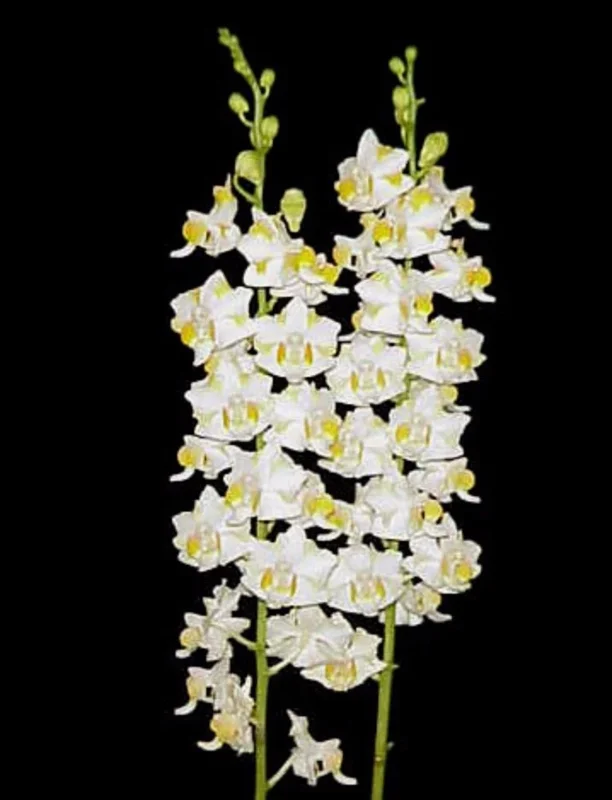
Houseplants
Phalaenopsis pulcherrima ‘Mauna Kea Snow’ Orchid Live Plant – White Flowers, Potted 2.5 in
Sold 50 products
$49.88RELATED posts
Awapuhi Wild Ginger Plant: Zones, Care, and Propagation
Learn which USDA zones suit awapuhi wild ginger, plus sunlight, water, planting, propagation, pests, size, [...]
Awapuhi Shampoo Ginger – Care, Growing Zones, and Differences
Learn how to grow awapuhi (shampoo) ginger, its USDA zones, watering schedule, propagation tips, and [...]
Awapuhi Shampoo Plant Buying Guide – Choose the Right Zingiber zerumbet
META: Learn which awapuhi (shampoo ginger) plant or rhizome pack gives the best natural shampoo, [...]
Awapuhi Plant for Sale: Complete Buying Guide
Find the right awapuhi (shampoo ginger) plant, size, price, soil mix, and online source. Practical [...]
Shampoo Ginger Plant for Sale – Buying Guide & Tips
Find the right shampoo ginger plant, size, price, and care tips. Quick guide for U.S. [...]
Shampoo Ginger Plant (Awapuhi) Care Guide
Learn how to grow, care for, and use shampoo ginger (Zingiber zerumbet), the tropical awapuhi [...]
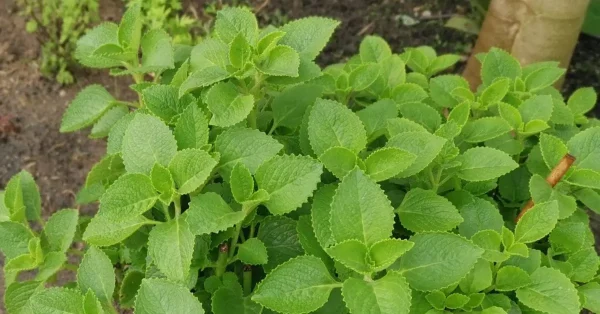
How to Grow Cuban Oregano Plants: A Complete Care Guide
If you’ve ever wanted a plant that combines the culinary punch of traditional oregano with [...]
Aug
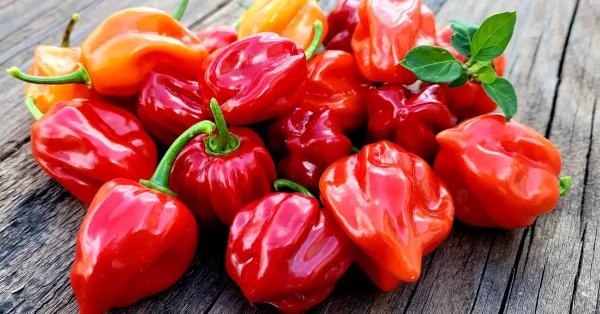
How to Grow Habanero Pepper Plants: A Step-by-Step Guide
Habanero pepper plants are prized for their vibrant colors, intense heat, and exceptional flavor, making [...]
Aug
Reviews
There are no reviews yet.