
Clematis Blue Bells Rooguchi Live Plant – Bell-Shaped Blue Flowers – Perennial Vine – 2.5×4 inch Pot
Original price was: $31.98.$25.48Current price is: $25.48.
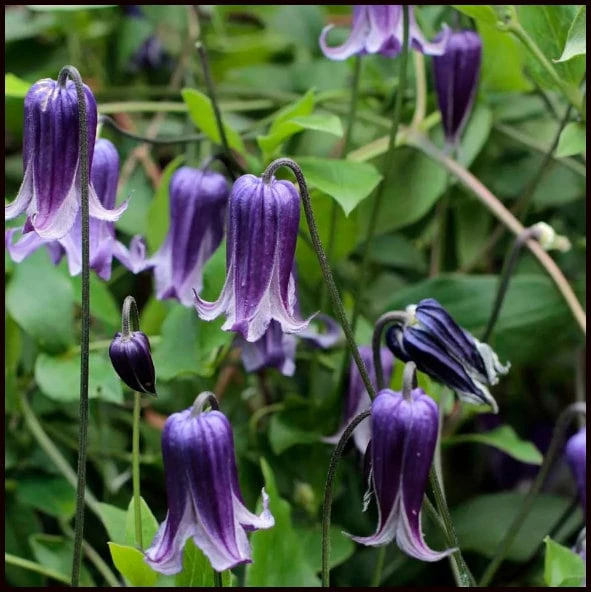
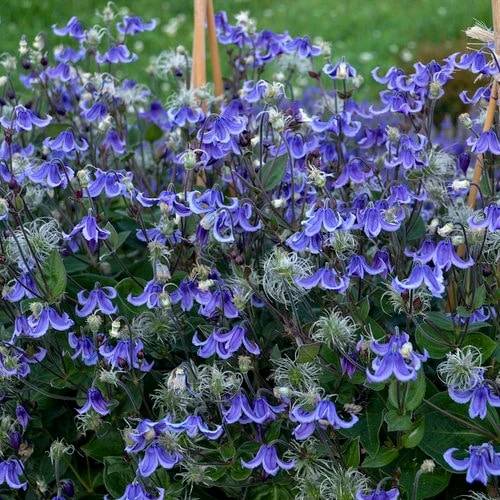
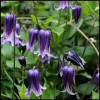
Add enchanting beauty to your garden with the clematis blue bells rooguchi live plant. This perennial vine features unique bell-shaped, soft blue flowers that cascade gracefully, blooming from late spring to early summer. Perfect for trellises or arbors, it’s a stunning addition for zones 4-9.
Shipping and Return policies:
We stand behind our plants with our Alive & Thrive Guarantee. If you experience any issues within the first 30 days, please email us, and our team will be happy to help. When needed, we’ll send you a one-time replacement free of charge to make sure your garden keeps growing strong.

Reasonable Price
We offer reasonable price

Support 24/7
Contact us 24 hrs a day
100% Money Back
You’ve 30 days to Return
Payment Secure
100% secure payment
Overview
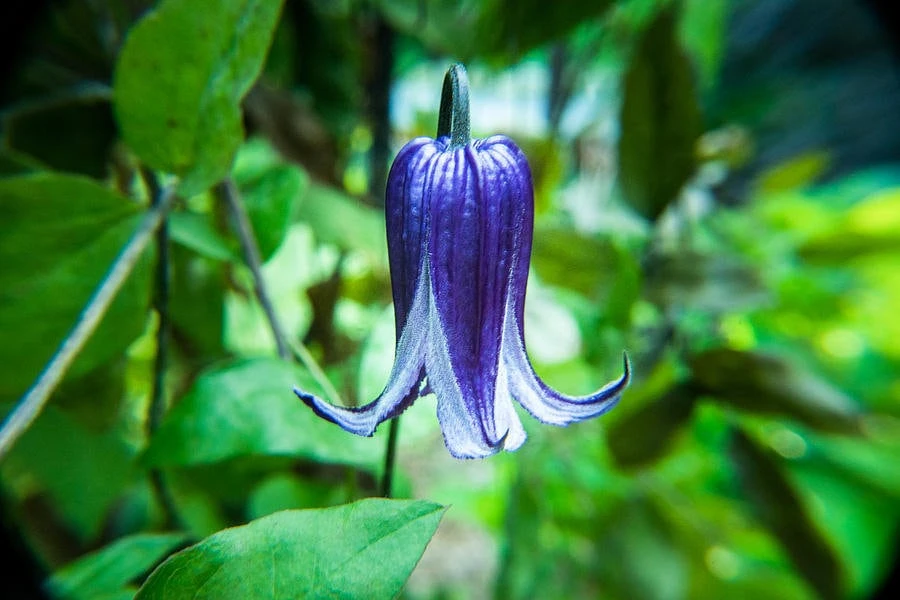
Bring captivating charm to your outdoor space with the exquisite clematis blue bells rooguchi live plant. Often referred to simply as blue bells clematis care, this stunning perennial vine is celebrated for its distinctive bell-shaped flowers, which boast a soft blue hue with subtle purple undertones. Each delicate bloom hangs gracefully, creating a beautiful cascade of color that can transform any garden setting. This early-blooming variety offers a spectacular display from late spring through early summer, making it a focal point in your landscape. Ideal for trellises, arbors, or fences, the Rooguchi Clematis is a vigorous grower that quickly establishes itself, providing years of visual delight. Whether you’re an experienced gardener or just starting, this unique clematis is sure to impress.
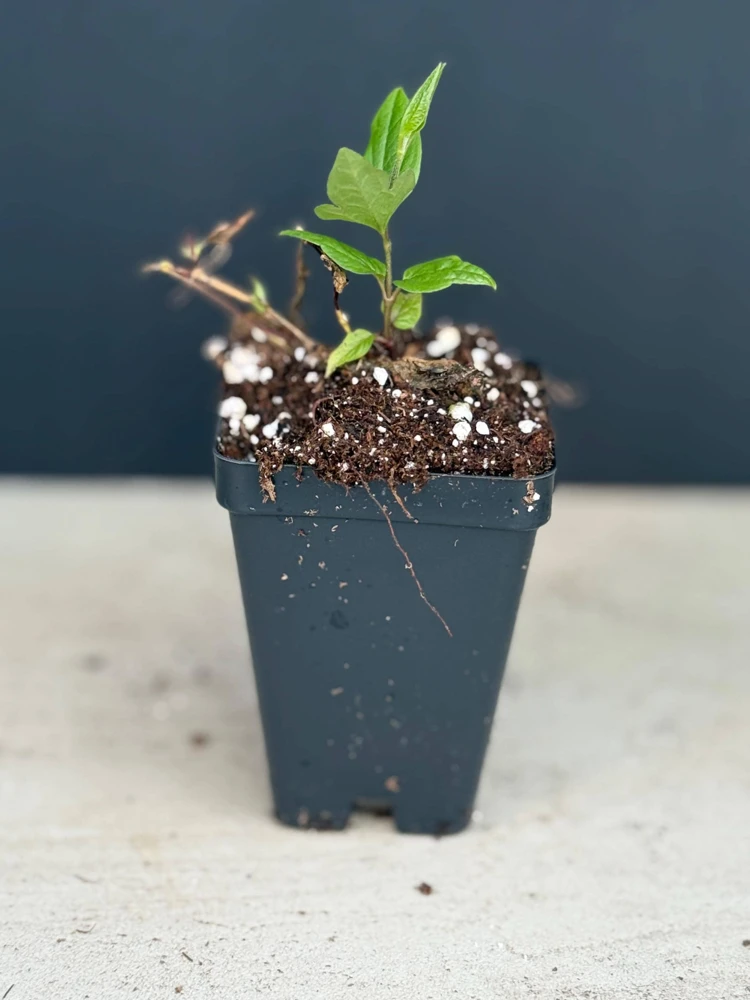
The clematis blue bells rooguchi is a popular choice among gardeners seeking a plant with both elegance and resilience. Its unusual flower form sets it apart from more traditional clematis varieties, offering an interesting textural element to vertical spaces. As a robust perennial, it returns year after year, growing stronger and more floriferous with each season. This particular offering is for a rooted starter plant, ready to begin its journey in your garden, promising a future full of beautiful blue bells.
Key Benefits
The clematis blue bells rooguchi offers numerous benefits, making it an excellent choice for a wide range of garden designs and personal preferences. Its striking appearance and relatively straightforward care make it a rewarding plant to cultivate.
- Unique Bell-Shaped Flowers: Unlike many clematis, the ‘Rooguchi’ boasts charming, nodding, bell-shaped flowers in a lovely soft blue with a hint of purple, providing a distinct visual appeal that stands out in any garden.
- Early and Extended Bloom Period: Enjoy a long season of beauty with blooms appearing from late spring to early summer, and often reblooming with proper pruning, ensuring continuous color. This characteristic is a hallmark of an early blooming clematis.
- Versatile Vertical Growth: Perfect for training on trellises, pergolas, fences, or even allowing it to scramble through shrubs, adding vertical interest and a touch of elegance to various garden structures.
- Perennial Hardiness: As a hardy perennial, the clematis perennial plant returns year after year, growing more robust and productive with age, offering lasting beauty with minimal fuss once established.
- Attracts Pollinators: The delicate flowers are known to attract beneficial pollinators like bees and butterflies, contributing to a healthier and more vibrant garden ecosystem.
- Low Maintenance Once Established: With appropriate initial care, this clematis becomes relatively low-maintenance, requiring only basic watering and occasional pruning to thrive.
- Excellent for Cut Flowers: The unique blooms make wonderful additions to fresh floral arrangements, bringing the garden’s beauty indoors.
Plant Care & Growing Tips
Proper blue bells clematis care is essential for ensuring a healthy and vibrant plant. The clematis blue bells rooguchi thrives with specific conditions that mimic its natural environment. For optimal growth, plant your clematis in a location that receives full sun, meaning at least six hours of direct sunlight per day. However, it can tolerate some light afternoon shade, especially in hotter climates, which can help protect the delicate blooms from scorching. The ‘Rooguchi’ prefers its ‘feet in the shade and head in the sun’ – meaning its roots should be kept cool and moist, while its foliage enjoys the sun.
When it comes to watering, consistency is key. Keep the soil consistently moist but ensure it is well-drained to prevent waterlogging, which can lead to root rot. Deep watering sessions are more beneficial than frequent shallow watering, encouraging deeper root development. This clematis thrives in well-draining soil that is slightly alkaline to neutral. Amending heavy clay soils with organic matter can improve drainage, while sandy soils may benefit from compost to retain moisture. Fertilize in early spring with a balanced slow-release fertilizer designed for flowering plants to support its vigorous growth and abundant blooms. Understanding the specific needs of your rooguchi clematis vine will lead to a more successful and beautiful display.
The clematis blue bells rooguchi is hardy in USDA zones 4-9, making it suitable for a wide range of climates. Pruning is crucial for this Group 2 (early-flowering) clematis. A light prune after the first flush of blooms in late spring or early summer is recommended. This involves removing spent flowers and any weak or dead stems to shape the plant and encourage a second round of flowers later in the season. Avoid heavy pruning in spring, as this can remove the buds for the first bloom. In late winter or early spring, before new growth appears, you can lightly tidy up the plant by removing any dead or damaged stems. Consistent care will ensure your clematis perennial plant provides a spectacular show year after year.
Size & Details
This listing is for a rooted starter plant of the clematis blue bells rooguchi variety. Each living plant is unique and may vary slightly in size, color, or shape depending on the season and growth stage. Your plant will be shipped either bare root or in a 2.5×4 inch greenhouse pot, ensuring it arrives healthy and ready for planting. While initial size may vary, this vigorous vine is known for its strong growth habit, quickly establishing itself to reach mature dimensions.
The rooguchi clematis vine typically grows to a height of 6 to 8 feet, with a spread of 3 to 4 feet, making it an ideal choice for vertical gardening. It has a moderate to fast growth rate, allowing it to cover supports relatively quickly. Expect the first significant blooms in late spring to early summer, with potential for rebloom into late summer or early fall, especially with proper care and pruning. The plant will establish its root system and begin to show more vigorous top growth in its first full season after planting.
Frequently Asked Questions
- Q: How big does this plant get? A: The clematis blue bells rooguchi typically grows to a height of 6 to 8 feet and can spread 3 to 4 feet wide. Its size makes it suitable for trellises, arbors, or fences where it can climb.
- Q: Is this an indoor or outdoor plant? A: This is an outdoor perennial vine. It is hardy in USDA zones 4-9 and is best suited for garden beds, containers on patios, or other outdoor settings where it can receive adequate sunlight and support.
- Q: How much sunlight does it need? A: The blue bells clematis care requires full sun, meaning at least 6 hours of direct sunlight daily. It can tolerate some afternoon shade, especially in warmer climates, but prefers its roots to remain cool.
- Q: Is this plant easy to care for? A: Yes, once established, the clematis blue bells rooguchi is relatively low-maintenance. It requires consistent watering, well-draining soil, and light pruning to encourage abundant blooms. It’s a good choice for gardeners of varying experience levels.
- Q: What condition will it arrive in? A: Your clematis perennial plant will arrive as a rooted starter plant, either bare root or in a 2.5×4 inch greenhouse pot, ready for planting. We ensure careful packaging to protect the plant during transit.
- Q: How long until it blooms? A: This clematis is an early blooming clematis, typically flowering from late spring to early summer. Depending on when it’s planted and its maturity, you can expect blooms in its first full growing season.
- Q: Will it survive winter in my zone? A: The ‘Rooguchi’ Clematis is hardy in USDA zones 4-9. If you are within these zones and provide appropriate winter protection (mulching the base in colder areas), it should successfully overwinter and return in spring.
- Q: What type of soil does it prefer? A: This rooguchi clematis vine thrives in well-draining soil that is slightly alkaline to neutral. Good drainage is crucial to prevent root issues, so avoid heavy, waterlogged soils.
- Q: Does it attract pollinators? A: Yes, the beautiful bell-shaped flowers of the clematis blue bells rooguchi are known to attract beneficial pollinators such as bees and butterflies to your garden.
- Q: What kind of pruning does it need? A: As a Group 2 clematis, it benefits from light pruning after its first bloom in late spring to encourage a second flush of flowers. A general tidy-up of dead or weak stems can also be done in late winter.
Be the first to review “Clematis Blue Bells Rooguchi Live Plant – Bell-Shaped Blue Flowers – Perennial Vine – 2.5×4 inch Pot”
You must be logged in to post a review.
People also Viewed
Sold 50 products
Original price was: $37.48.$23.98Current price is: $23.98.
Sold 50 products
$32.38
Sold 50 products
$27.38
Sold 50 products
$32.38
Sold 50 products
$19.88
Sold 50 products
$62.38
Sold 50 products
$24.88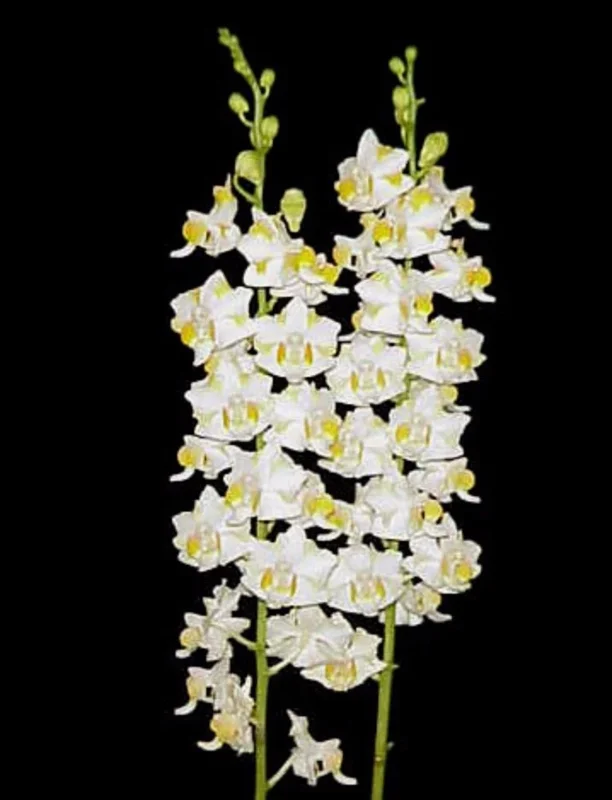
Houseplants
Phalaenopsis pulcherrima ‘Mauna Kea Snow’ Orchid Live Plant – White Flowers, Potted 2.5 in
Sold 50 products
$49.88RELATED posts
Awapuhi Wild Ginger Plant: Zones, Care, and Propagation
Learn which USDA zones suit awapuhi wild ginger, plus sunlight, water, planting, propagation, pests, size, [...]
Awapuhi Shampoo Ginger – Care, Growing Zones, and Differences
Learn how to grow awapuhi (shampoo) ginger, its USDA zones, watering schedule, propagation tips, and [...]
Awapuhi Shampoo Plant Buying Guide – Choose the Right Zingiber zerumbet
META: Learn which awapuhi (shampoo ginger) plant or rhizome pack gives the best natural shampoo, [...]
Awapuhi Plant for Sale: Complete Buying Guide
Find the right awapuhi (shampoo ginger) plant, size, price, soil mix, and online source. Practical [...]
Shampoo Ginger Plant for Sale – Buying Guide & Tips
Find the right shampoo ginger plant, size, price, and care tips. Quick guide for U.S. [...]
Shampoo Ginger Plant (Awapuhi) Care Guide
Learn how to grow, care for, and use shampoo ginger (Zingiber zerumbet), the tropical awapuhi [...]
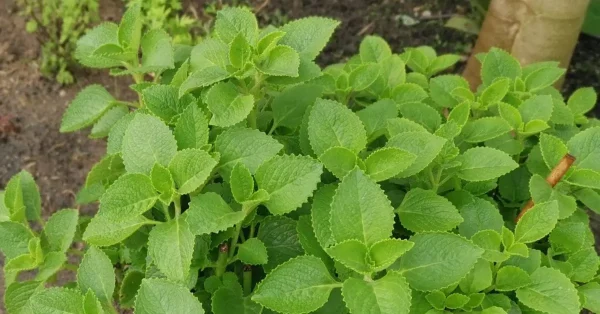
How to Grow Cuban Oregano Plants: A Complete Care Guide
If you’ve ever wanted a plant that combines the culinary punch of traditional oregano with [...]
Aug
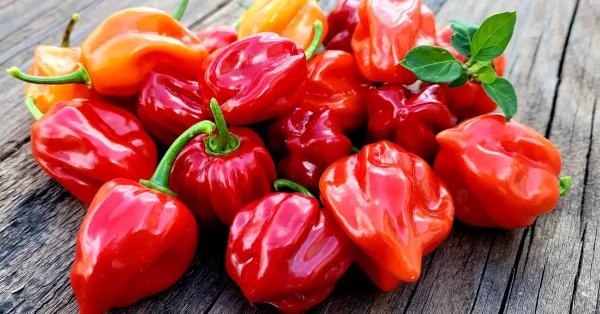
How to Grow Habanero Pepper Plants: A Step-by-Step Guide
Habanero pepper plants are prized for their vibrant colors, intense heat, and exceptional flavor, making [...]
Aug

Reviews
There are no reviews yet.