
Clasping Venus Looking-Glass Seeds – Triodanis Perfoliata – 20 Seed Pack – Annual Flower Seeds
Original price was: $25.00.$17.50Current price is: $17.50.
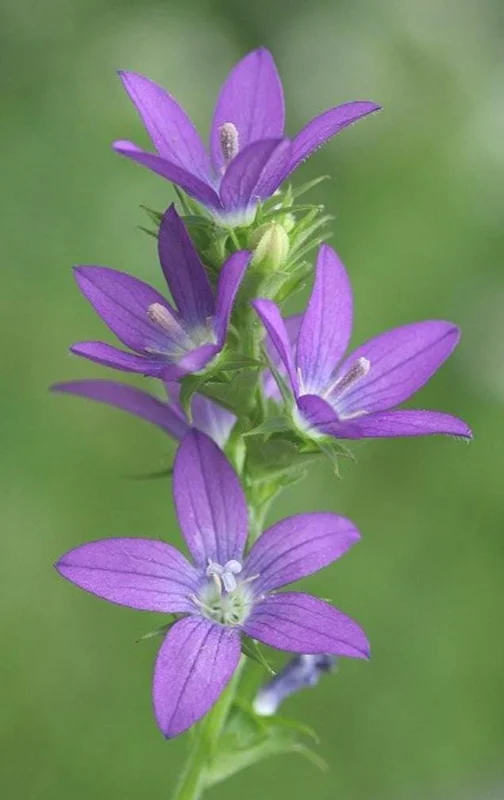
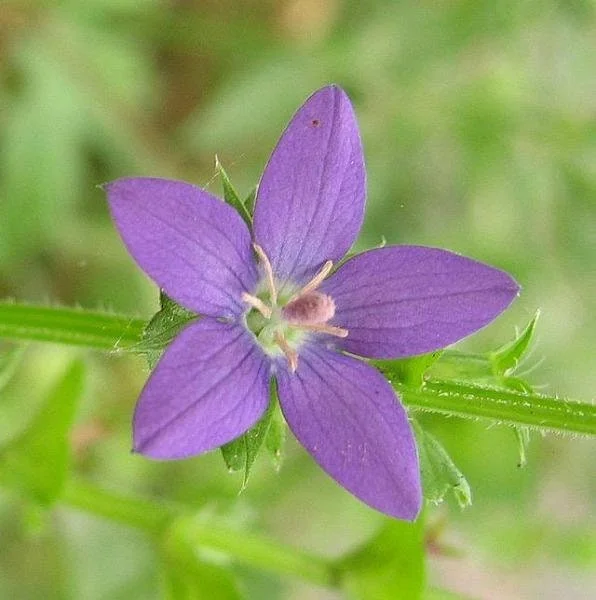
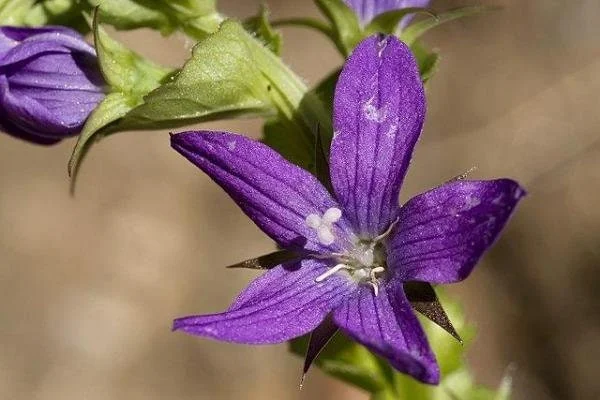
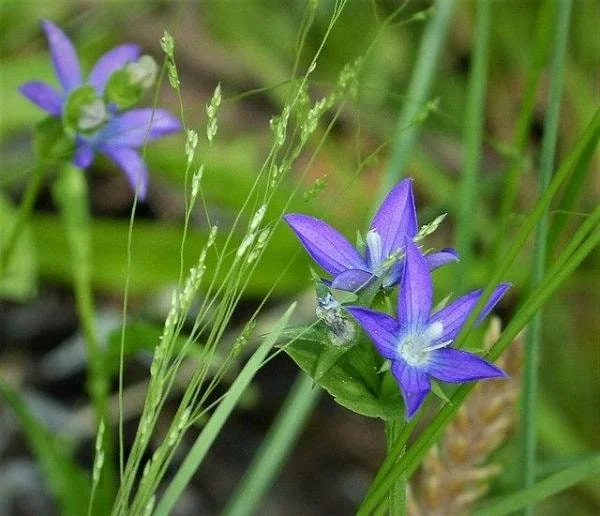
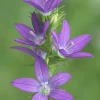
Discover the charm of Clasping Venus Looking-Glass seeds, scientifically known as Triodanis perfoliata. These easy-to-grow annual seeds produce lovely deep violet, 5-lobed flowers and unique clasping leaves. Ideal for sunny garden spots, they add a touch of wild elegance to any landscape. Grow your own Venus looking-glass plant from seed!
Shipping and Return policies:
We stand behind our plants with our Alive & Thrive Guarantee. If you experience any issues within the first 30 days, please email us, and our team will be happy to help. When needed, we’ll send you a one-time replacement free of charge to make sure your garden keeps growing strong.

Reasonable Price
We offer reasonable price

Support 24/7
Contact us 24 hrs a day
100% Money Back
You’ve 30 days to Return
Payment Secure
100% secure payment
Overview
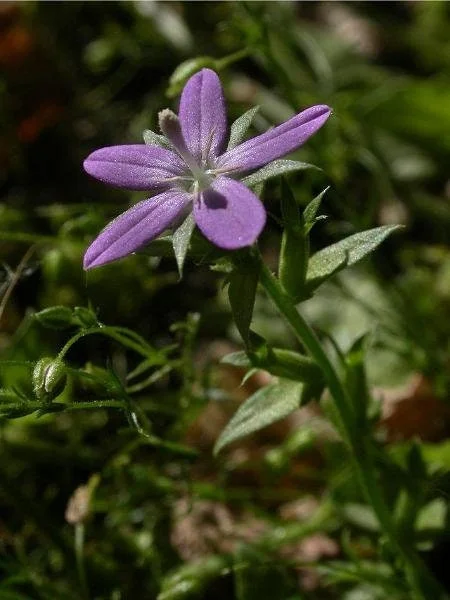
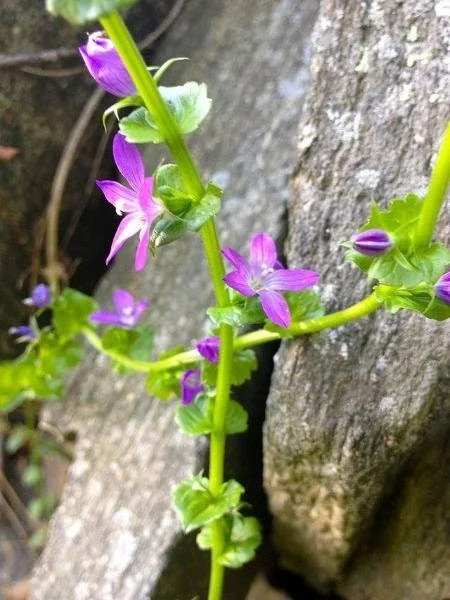
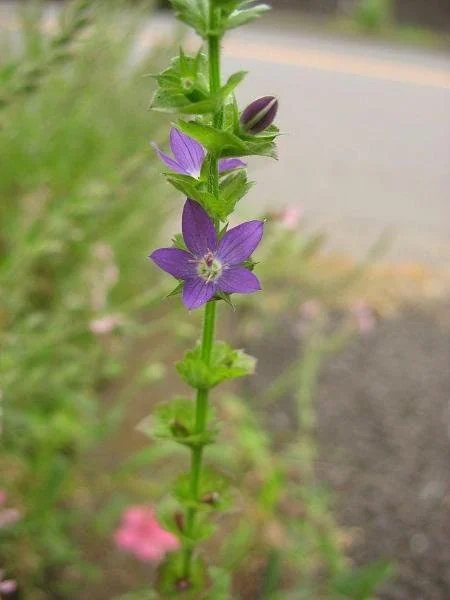
Cultivate the unique beauty of the American native, Clasping Venus Looking-Glass seeds (Triodanis perfoliata). This delightful annual, also known as clasping bellflower, is a member of the Campanulaceae family and is celebrated for its distinctive deep violet, symmetrical, 5-lobed flowers. Growing to approximately 12 inches tall, the plant features a light green central stem adorned with small white hairs and alternate, shell-shaped leaves that are about an inch wide, truly living up to its common name, Venus looking-glass plant. These seeds offer a wonderful opportunity to introduce a charming, low-maintenance annual to your garden that thrives in full sun and well-drained soil, blooming from May to August.
Starting your garden with Triodanis perfoliata seeds is a rewarding experience, allowing you to witness the full life cycle of this fascinating plant. The germination process, while requiring a cold stratification period, is straightforward and leads to robust plants that will grace your outdoor spaces with their vibrant color and intriguing form. Whether you’re an experienced gardener or just starting, these bellflower seeds annual provide an accessible way to enhance biodiversity and aesthetic appeal in your landscape.
Key Benefits
Growing Clasping Venus Looking-Glass seeds brings a multitude of benefits to your garden, from aesthetic appeal to supporting local ecosystems. These annuals are not only beautiful but also relatively simple to care for, making them a fantastic choice for various garden styles.
- Unique Floral Display: The deep violet, 5-lobed flowers of the Clasping Venus Looking-Glass seeds create a striking visual impact. Their symmetrical beauty and vibrant color make them a focal point in any garden bed, blooming consistently throughout the summer months.
- Attracts Pollinators: As a native plant, Triodanis perfoliata is an excellent choice for supporting local biodiversity. Its flowers attract beneficial insects like bees and butterflies, contributing to a healthy garden ecosystem.
- Low Maintenance: Once established, the Venus looking-glass plant is remarkably easy to care for. It prefers full sun and well-drained soil, requiring minimal attention beyond basic watering during dry spells. This makes it ideal for gardeners seeking beauty without extensive effort.
- Compact Growth Habit: Reaching about 12 inches in height, this plant has a compact growth habit that fits well into various garden settings. It’s perfect for borders, rock gardens, containers, or naturalized areas where a touch of delicate charm is desired.
- Resilient & Adaptable: Native to a wide range of the U.S., Triodanis perfoliata seeds produce plants that are adaptable to different environmental conditions, provided they have adequate sunlight and proper drainage. This resilience ensures a higher success rate for gardeners.
- Educational Value: Growing these seeds offers a wonderful opportunity to learn about native flora and the process of seed germination, especially for families and budding botanists. Understanding how to grow Triodanis can deepen one’s connection to nature.
Plant Care & Growing Tips
Cultivating Clasping Venus Looking-Glass seeds is a rewarding endeavor, requiring attention to a few key conditions to ensure successful germination and robust plant growth. This annual thrives when its specific needs for light, soil, and water are met, transforming into a beautiful Venus looking-glass plant.
To begin, Triodanis perfoliata seeds require a period of cold stratification to break dormancy. Mix the seeds with a small amount of moistened soil or sand in a ziplock bag, label it, and place it in the refrigerator for approximately 60 days. This mimics natural winter conditions and prepares the seeds for germination. After stratification, sow the seeds thinly into a well-drained, sandy compost. Cover them lightly with about 1/16 inch of sand or fine grit. Place the seed tray in a location with bright light, but avoid direct scorching sun initially. Keep the soil consistently moist but never waterlogged. Germination can be slow and sporadic, so patience is key. Once seedlings are large enough to handle, transplant them carefully into individual pots or directly into their final garden spot.
For established plants, provide a location that receives full sun, meaning at least 6-8 hours of direct sunlight per day. The soil should be well-drained and preferably sandy or loamy. While adaptable, water regularly, especially during dry periods, to ensure consistent moisture for optimal growth, but avoid overwatering which can lead to root rot. As an annual, fertilization is not typically heavily required, but a balanced, slow-release granular fertilizer can be incorporated into the soil at planting time if your soil is poor. Deadheading spent flowers can encourage a longer blooming period, though the plant will naturally reseed itself if allowed. Understanding how to grow Triodanis successfully involves replicating its preferred native conditions.
Size & Details
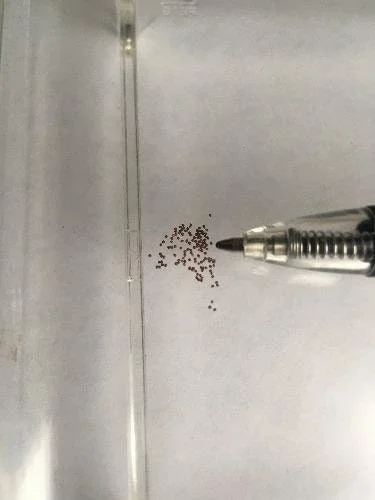
The Clasping Venus Looking-Glass seeds provided are for the annual plant Triodanis perfoliata. Each packet contains 20 seeds, offering a generous quantity for starting your garden. When mature, the Venus looking-glass plant typically reaches a height of around 12 inches (approximately 30 cm) on a central, light green stem. Its spread is generally compact, making it suitable for various garden designs without overcrowding. These plants are annuals, meaning they complete their life cycle within one growing season, from germination to flowering and seed production. They will bloom from May to August, providing continuous color throughout the summer months.
These Triodanis perfoliata seeds are shipped as dry, viable seeds, ready for your cold stratification and planting process. Expect to see initial germination after the cold stratification period, with full plant development and flowering occurring within the first growing season. While specific dimensions can vary slightly based on growing conditions, the typical mature height of 12 inches makes it an excellent choice for front borders, containers, or naturalized areas. The plants will self-seed readily in ideal conditions, ensuring future generations of bellflower seeds annual without additional planting.
Frequently Asked Questions
- Q: How big does the Venus looking-glass plant get? A: The Clasping Venus Looking-Glass plant typically grows to a height of about 12 inches (30 cm) with a relatively compact spread, making it suitable for various garden spaces without becoming too large or unruly.
- Q: Is this an indoor or outdoor plant? A: Triodanis perfoliata is primarily an outdoor annual plant. It thrives in full sun conditions in garden beds, borders, or outdoor containers. It is not generally grown as an indoor houseplant.
- Q: How much sunlight do Triodanis perfoliata seeds need? A: Once germinated, the plants require full sun exposure, meaning at least 6-8 hours of direct sunlight per day, to achieve optimal growth and prolific flowering.
- Q: Is this plant easy to care for? A: Yes, once established, the Clasping Venus Looking-Glass plant is considered low-maintenance. It primarily needs full sun and well-drained soil, making it a good choice for both experienced and novice gardeners.
- Q: What condition will the Clasping Venus Looking-Glass seeds arrive in? A: The product will arrive as a packet of viable, dry seeds, ready for you to begin the cold stratification and planting process. They will not be pre-germinated or in soil.
- Q: How long until the Venus looking-glass plant blooms? A: After successful germination and establishment, the plants typically begin to bloom from May to August in their first growing season, continuing to produce flowers throughout the summer.
- Q: What’s the best time to plant bellflower seeds annual? A: After the required 60-day cold stratification, sow the seeds in early spring once the danger of hard frost has passed, or start them indoors 6-8 weeks before the last frost date.
- Q: Will it survive winter in my zone? A: As an annual plant, Triodanis perfoliata completes its life cycle in one growing season and will not survive winter. However, it readily self-seeds in favorable conditions, often returning in subsequent years from fallen seeds.
- Q: What type of soil does the Venus looking-glass plant prefer? A: It prefers well-drained soil, ideally a sandy or loamy compost. Good drainage is crucial to prevent root issues, especially when growing Clasping Venus Looking-Glass seeds.
- Q: Are there any special germination requirements for how to grow Triodanis? A: Yes, the seeds require a 60-day period of cold stratification in a refrigerator with moist soil or sand before planting to encourage successful germination.
Be the first to review “Clasping Venus Looking-Glass Seeds – Triodanis Perfoliata – 20 Seed Pack – Annual Flower Seeds”
You must be logged in to post a review.
People also Viewed
Sold 50 products
Original price was: $109.95.$79.98Current price is: $79.98.
Sold 50 products
Original price was: $25.00.$17.50Current price is: $17.50.
Flower Seeds
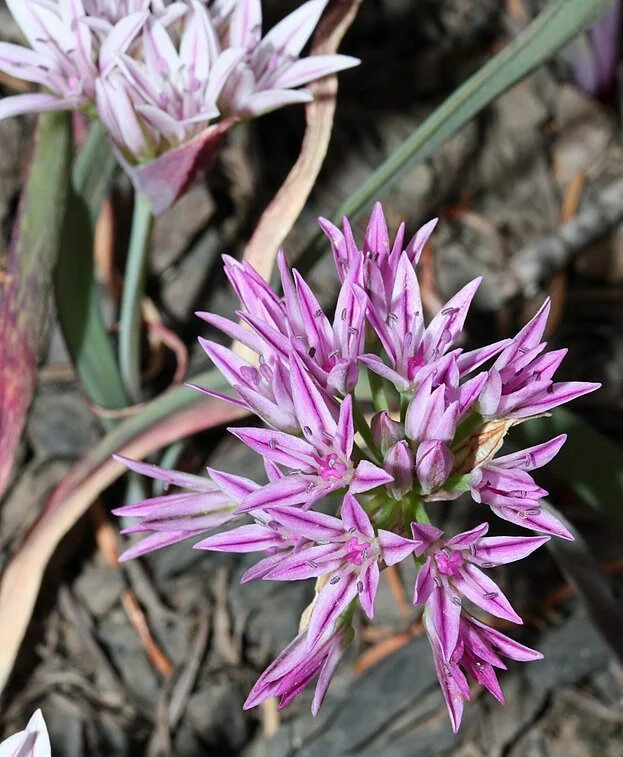
Olympic Onion Seeds – Allium crenulatum Flower Seeds – 10 Seed Pack – Outdoor Native Plant
Sold 50 products
Original price was: $25.00.$17.50Current price is: $17.50.
Sold 50 products
Original price was: $25.00.$17.50Current price is: $17.50.
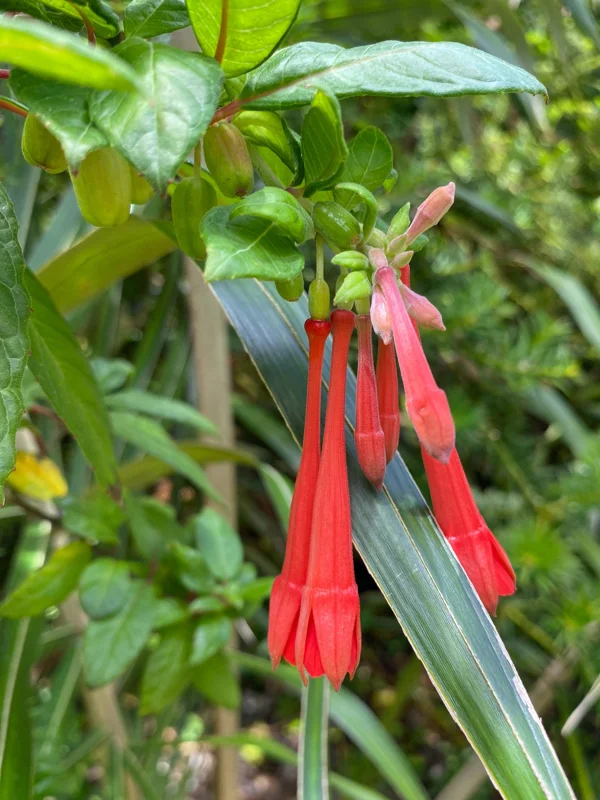
Flower Seeds
Fuchsia vulcanica Seeds – 20 Pack – Vibrant Orange Coral Flowers for Garden & Containers
Sold 50 products
Original price was: $25.00.$17.50Current price is: $17.50.
Sold 50 products
Original price was: $116.98.$95.68Current price is: $95.68.
Sold 50 products
Original price was: $21.00.$14.10Current price is: $14.10.
Aquatic Plant Seeds
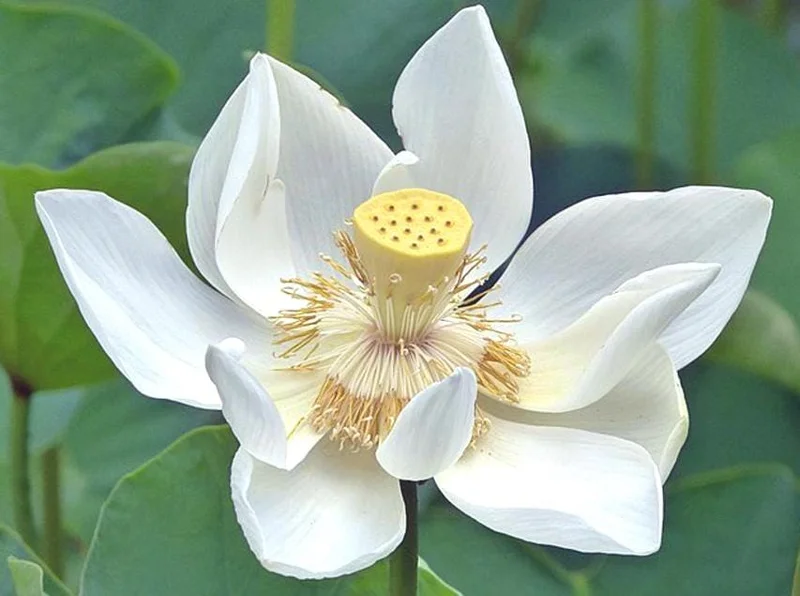
White Lotus Seeds – Nelumbo Nucifera Aquatic Pond Plant – 5 Seeds for Water Garden
Sold 50 products
Original price was: $29.00.$20.90Current price is: $20.90.RELATED posts
Awapuhi Wild Ginger Plant: Zones, Care, and Propagation
Learn which USDA zones suit awapuhi wild ginger, plus sunlight, water, planting, propagation, pests, size, [...]
Awapuhi Shampoo Ginger – Care, Growing Zones, and Differences
Learn how to grow awapuhi (shampoo) ginger, its USDA zones, watering schedule, propagation tips, and [...]
Awapuhi Shampoo Plant Buying Guide – Choose the Right Zingiber zerumbet
META: Learn which awapuhi (shampoo ginger) plant or rhizome pack gives the best natural shampoo, [...]
Awapuhi Plant for Sale: Complete Buying Guide
Find the right awapuhi (shampoo ginger) plant, size, price, soil mix, and online source. Practical [...]
Shampoo Ginger Plant for Sale – Buying Guide & Tips
Find the right shampoo ginger plant, size, price, and care tips. Quick guide for U.S. [...]
Shampoo Ginger Plant (Awapuhi) Care Guide
Learn how to grow, care for, and use shampoo ginger (Zingiber zerumbet), the tropical awapuhi [...]
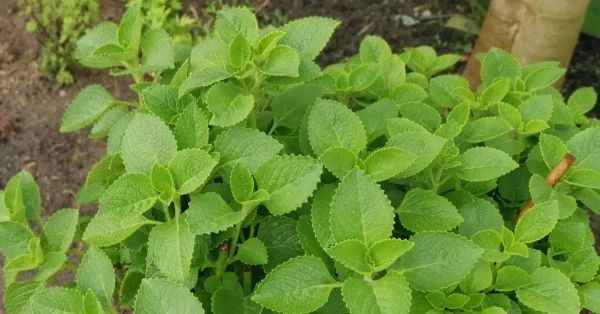
How to Grow Cuban Oregano Plants: A Complete Care Guide
If you’ve ever wanted a plant that combines the culinary punch of traditional oregano with [...]
Aug
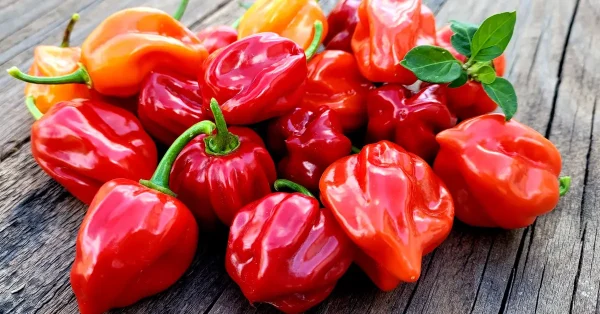
How to Grow Habanero Pepper Plants: A Step-by-Step Guide
Habanero pepper plants are prized for their vibrant colors, intense heat, and exceptional flavor, making [...]
Aug
Reviews
There are no reviews yet.