
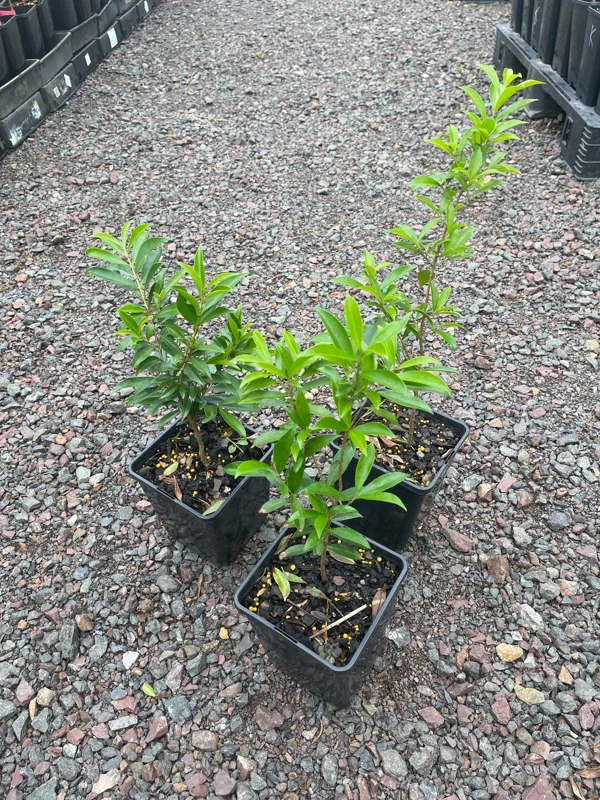
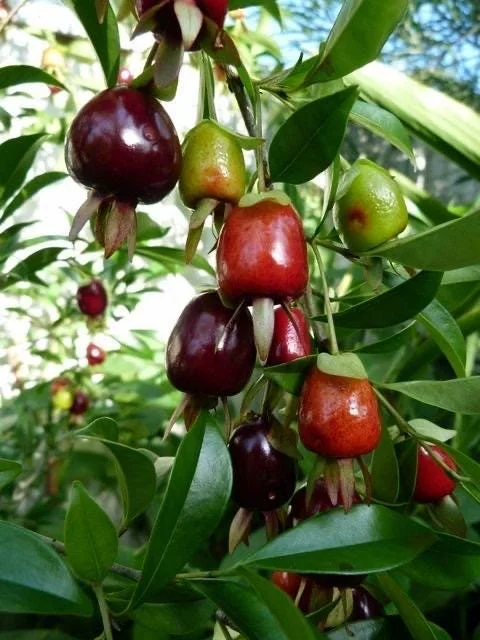
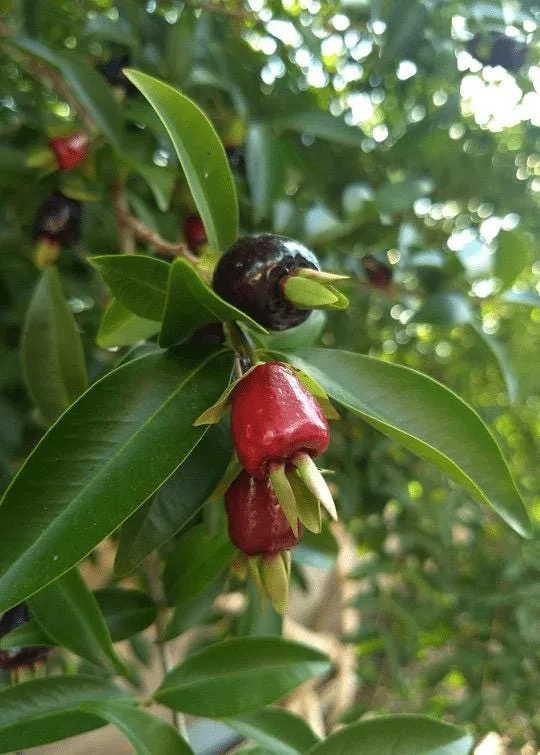
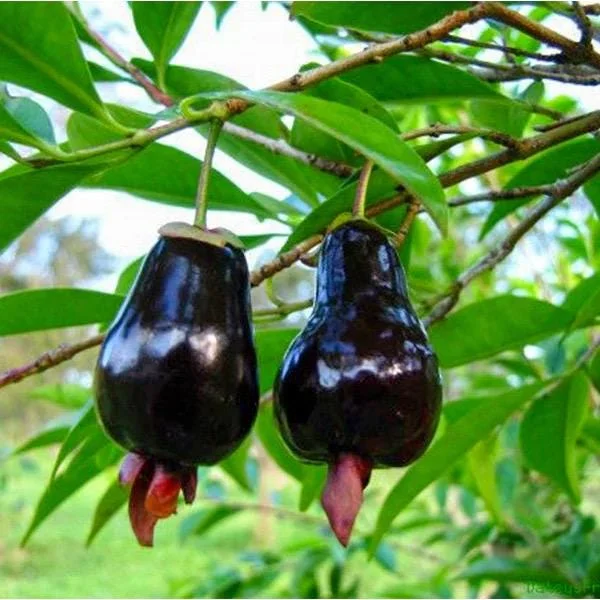
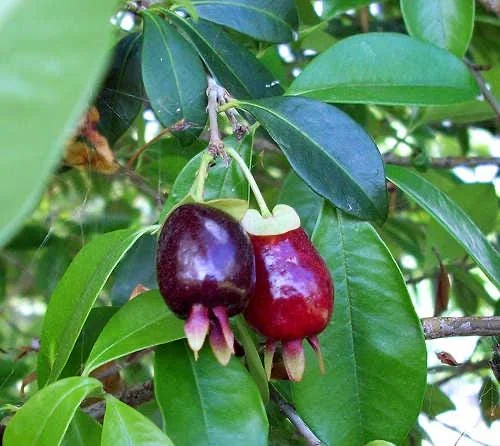
Cherry of the Rio Grande Live Fruit Tree – Eugenia involucrata – 12-24 inches tall
$130.00
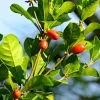
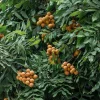
Bring home a beautiful Cherry of the Rio Grande live fruit tree (Eugenia involucrata), standing 12-24 inches tall. This evergreen shrub produces delicious, dark red to purple fruits with a sweet, cherry-like flavor, perfect for home orchards and edible landscapes.
Shipping and Return policies:
We stand behind our plants with our Alive & Thrive Guarantee. If you experience any issues within the first 30 days, please email us, and our team will be happy to help. When needed, we’ll send you a one-time replacement free of charge to make sure your garden keeps growing strong.

Reasonable Price
We offer reasonable price

Support 24/7
Contact us 24 hrs a day
100% Money Back
You’ve 30 days to Return
Payment Secure
100% secure payment
Overview
Cultivate a taste of the tropics with the Cherry of the Rio Grande live fruit tree, scientifically known as Eugenia involucrata. This exquisite evergreen shrub, native to Brazil, is cherished for its ornamental appeal and, more importantly, its delectable fruit. Standing at a vibrant 12-24 inches, this young fruit tree is ready to establish itself in your garden or a suitable container, promising a future harvest of unique, cherry-like berries. The Cherry of the Rio Grande live fruit tree offers a delightful blend of beauty and bounty, making it a fantastic addition for both experienced gardeners and those new to growing their own food.
The Eugenia involucrata, commonly referred to as the Cherry of the Rio Grande, produces small, round fruits that transition from green to a rich dark red or purple when ripe. These succulent berries boast a sweet, slightly tart flavor reminiscent of a classic cherry, making them ideal for fresh eating, jams, jellies, or desserts. Beyond its fruit, this evergreen plant features attractive, glossy green foliage and can produce delicate white flowers, adding aesthetic value to your landscape. Embrace the joy of growing your own exotic fruit with this resilient and rewarding plant.
Key Benefits
Adding a Cherry of the Rio Grande live fruit tree to your home garden offers numerous advantages, from its unique fruit production to its ornamental qualities. This plant is a true gem for those looking to diversify their edible landscape.
- Delicious, Unique Fruit: Enjoy a steady supply of small, dark red to purple fruits with a distinct sweet, cherry-like flavor. These berries are perfect for eating fresh off the tree, or for use in various culinary creations like pies, preserves, and juices. The flavor profile of the Cherry of the Rio Grande live fruit tree is a delightful surprise for many.
- Evergreen Beauty: Eugenia involucrata maintains its lush, glossy green foliage throughout the year, providing continuous visual interest in your garden, even during the dormant fruiting season. Its evergreen nature makes it a valuable specimen in any landscape design.
- Compact Growth Habit: This shrub typically grows to a manageable size, making it suitable for smaller gardens, urban spaces, or even container planting on patios and balconies. Its controlled growth allows for easier harvesting and maintenance.
- Ornamental Flowers: In addition to its fruit, the plant produces charming small white flowers that add a touch of elegance and attract beneficial pollinators to your garden, enhancing the overall ecosystem.
- Adaptable & Resilient: While preferring warmer climates, the Cherry of the Rio Grande is relatively hardy and can adapt to a range of soil types, provided they are well-draining. Its resilience makes it a rewarding plant for many gardeners.
- Excellent for Edible Landscapes: Integrate this beautiful and productive plant into an edible landscape design, creating a functional yet aesthetically pleasing garden space. Growing a Cherry of the Rio Grande live fruit tree contributes to a sustainable home food supply.
Plant Care & Growing Tips
Caring for your Cherry of the Rio Grande live fruit tree (Eugenia involucrata) is straightforward, ensuring you can enjoy its beautiful foliage and delicious fruits for years to come. This subtropical plant thrives in specific conditions, but with the right attention, it can be a highly rewarding addition to your garden. Understanding its needs for light, water, and soil will set you up for success with your Eugenia involucrata plant.
For optimal growth and fruit production, your Cherry of the Rio Grande live fruit tree requires a location that receives full sun to partial shade. Aim for at least 6-8 hours of direct sunlight daily. In hotter climates, some afternoon shade can protect the plant from scorching. When it comes to watering, consistent moisture is key, especially during flowering and fruiting periods. Allow the top inch or two of soil to dry out slightly between waterings, but avoid letting the plant sit in soggy conditions, as this can lead to root rot. Well-draining soil is crucial; a rich, slightly acidic to neutral loam with good organic matter content is ideal. You can amend heavy clay soils with compost and perlite to improve drainage. This plant is generally hardy in USDA zones 9-11, where it can be grown outdoors year-round. In cooler climates, it can be grown in a container and brought indoors during the colder months, making it a versatile subtropical fruit tree.
Fertilize your Cherry of the Rio Grande every 2-3 months during the growing season (spring and summer) with a balanced, slow-release fertilizer formulated for fruit trees. Reduce fertilization during fall and winter. Pruning is generally minimal, focused on shaping the plant, removing dead or diseased branches, and encouraging bushier growth. This can be done after the fruiting season. While relatively pest-resistant, keep an eye out for common garden pests like aphids or scale insects and treat them promptly with organic pest control methods if necessary. Ensuring proper air circulation and avoiding overwatering will help prevent fungal issues. By following these guidelines, your grow Cherry of the Rio Grande will flourish and provide you with an abundance of sweet fruit.
Size & Details
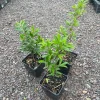
This offering is for a vibrant Cherry of the Rio Grande live fruit tree, a delightful Eugenia involucrata specimen. Each plant typically stands between 12-24 inches tall upon arrival, measured from the base of the root system to the top of the foliage. These young trees are shipped in a nursery pot, ready for transplanting into a larger container or directly into your garden, depending on your climate and preference. The growth rate is moderate, and with proper care, it can reach a mature height of 10-20 feet in ideal conditions, though it can be kept smaller with regular pruning, making it a great edible fruit tree for home gardens of varying sizes.
Expect your Eugenia involucrata plant to begin flowering and fruiting within a few years of planting, especially when provided with optimal growing conditions. The fruit production season typically occurs in late spring to early summer, offering a fresh harvest during warmer months. This plant is a long-lived perennial, promising many years of delicious fruit and evergreen beauty. It’s an excellent choice for those looking for a subtropical fruit tree that is both ornamental and productive, making your garden a source of unique, homegrown delights.
Frequently Asked Questions
- Q: How big does this plant get? A: The Cherry of the Rio Grande live fruit tree typically grows to a height of 10-20 feet when mature in ideal outdoor conditions. However, it can be maintained at a smaller, more manageable size through regular pruning, making it suitable for container growing as well.
- Q: What size pot does it come in? A: This Eugenia involucrata plant is shipped in a standard nursery pot, generally ranging from 4-6 inches in diameter, providing a healthy root system ready for transplanting into a larger container or directly into the ground.
- Q: Is this an indoor or outdoor plant? A: The Cherry of the Rio Grande is primarily an outdoor plant, thriving in USDA Zones 9-11. In colder regions, it can be grown as a container plant and brought indoors during winter to protect it from frost, making it a versatile subtropical fruit tree.
- Q: How much sunlight does it need? A: For best fruit production and overall health, your Cherry of the Rio Grande live fruit tree requires full sun exposure, meaning at least 6-8 hours of direct sunlight per day. In very hot climates, some afternoon shade can be beneficial.
- Q: Is this plant easy to care for? A: Yes, the Cherry of the Rio Grande is considered relatively easy to care for, especially for those familiar with fruit trees. It requires consistent watering, well-draining soil, and protection from frost in colder climates. It’s a great option to grow Cherry of the Rio Grande for beginners with a bit of dedication.
- Q: What condition will it arrive in? A: Your Cherry of the Rio Grande live fruit tree will arrive carefully packaged, healthy, and vibrant, ready for planting. We take great care to ensure the plant is well-protected during transit.
- Q: How long until it blooms and fruits? A: Typically, a young Eugenia involucrata plant will begin to bloom and produce fruit within 2-4 years of planting, given proper care and ideal growing conditions. Patience is key for enjoying its sweet rewards.
- Q: Can I use the fruit for cooking? A: Absolutely! The sweet, cherry-like fruits of the Cherry of the Rio Grande are excellent for fresh eating, but also make delicious jams, jellies, pies, and other desserts. It’s a fantastic edible fruit tree for home culinary adventures.
- Q: Will it survive winter in my zone? A: This subtropical fruit tree is hardy in USDA Zones 9-11. If you live in a colder zone, it is recommended to grow the plant in a container and bring it indoors to a protected, bright location during the winter months to prevent frost damage.
- Q: What type of soil does it prefer? A: The Cherry of the Rio Grande live fruit tree prefers a rich, well-draining soil that is slightly acidic to neutral. Amending the soil with organic matter such as compost can greatly improve its structure and fertility.
Be the first to review “Cherry of the Rio Grande Live Fruit Tree – Eugenia involucrata – 12-24 inches tall”
You must be logged in to post a review.
People also Viewed
Sold 50 products
Original price was: $37.48.$23.98Current price is: $23.98.
Sold 50 products
$32.38
Sold 50 products
$27.38
Sold 50 products
$32.38
Sold 50 products
$19.88
Sold 50 products
$62.38
Sold 50 products
$24.88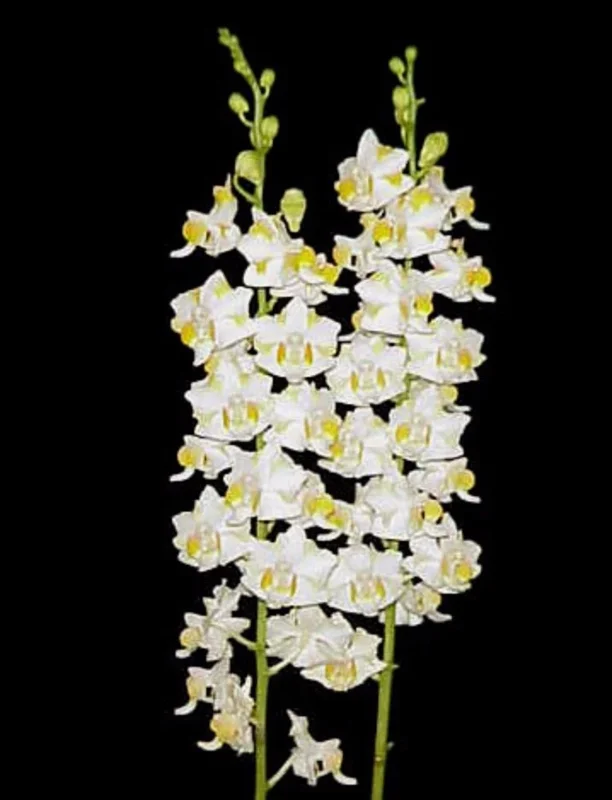
Houseplants
Phalaenopsis pulcherrima ‘Mauna Kea Snow’ Orchid Live Plant – White Flowers, Potted 2.5 in
Sold 50 products
$49.88RELATED posts
Awapuhi Wild Ginger Plant: Zones, Care, and Propagation
Learn which USDA zones suit awapuhi wild ginger, plus sunlight, water, planting, propagation, pests, size, [...]
Awapuhi Shampoo Ginger – Care, Growing Zones, and Differences
Learn how to grow awapuhi (shampoo) ginger, its USDA zones, watering schedule, propagation tips, and [...]
Awapuhi Shampoo Plant Buying Guide – Choose the Right Zingiber zerumbet
META: Learn which awapuhi (shampoo ginger) plant or rhizome pack gives the best natural shampoo, [...]
Awapuhi Plant for Sale: Complete Buying Guide
Find the right awapuhi (shampoo ginger) plant, size, price, soil mix, and online source. Practical [...]
Shampoo Ginger Plant for Sale – Buying Guide & Tips
Find the right shampoo ginger plant, size, price, and care tips. Quick guide for U.S. [...]
Shampoo Ginger Plant (Awapuhi) Care Guide
Learn how to grow, care for, and use shampoo ginger (Zingiber zerumbet), the tropical awapuhi [...]
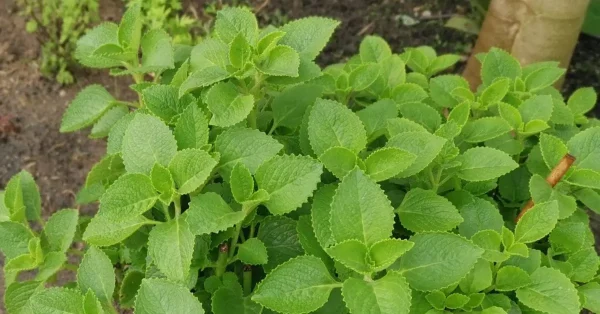
How to Grow Cuban Oregano Plants: A Complete Care Guide
If you’ve ever wanted a plant that combines the culinary punch of traditional oregano with [...]
Aug
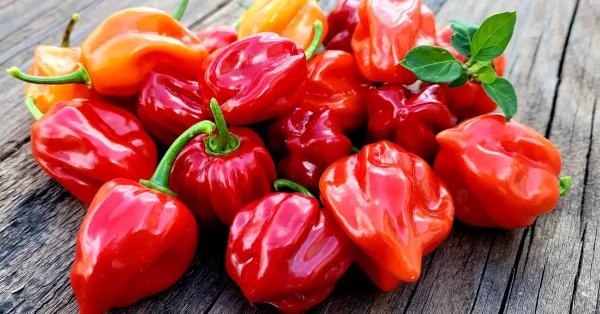
How to Grow Habanero Pepper Plants: A Step-by-Step Guide
Habanero pepper plants are prized for their vibrant colors, intense heat, and exceptional flavor, making [...]
Aug
Reviews
There are no reviews yet.