
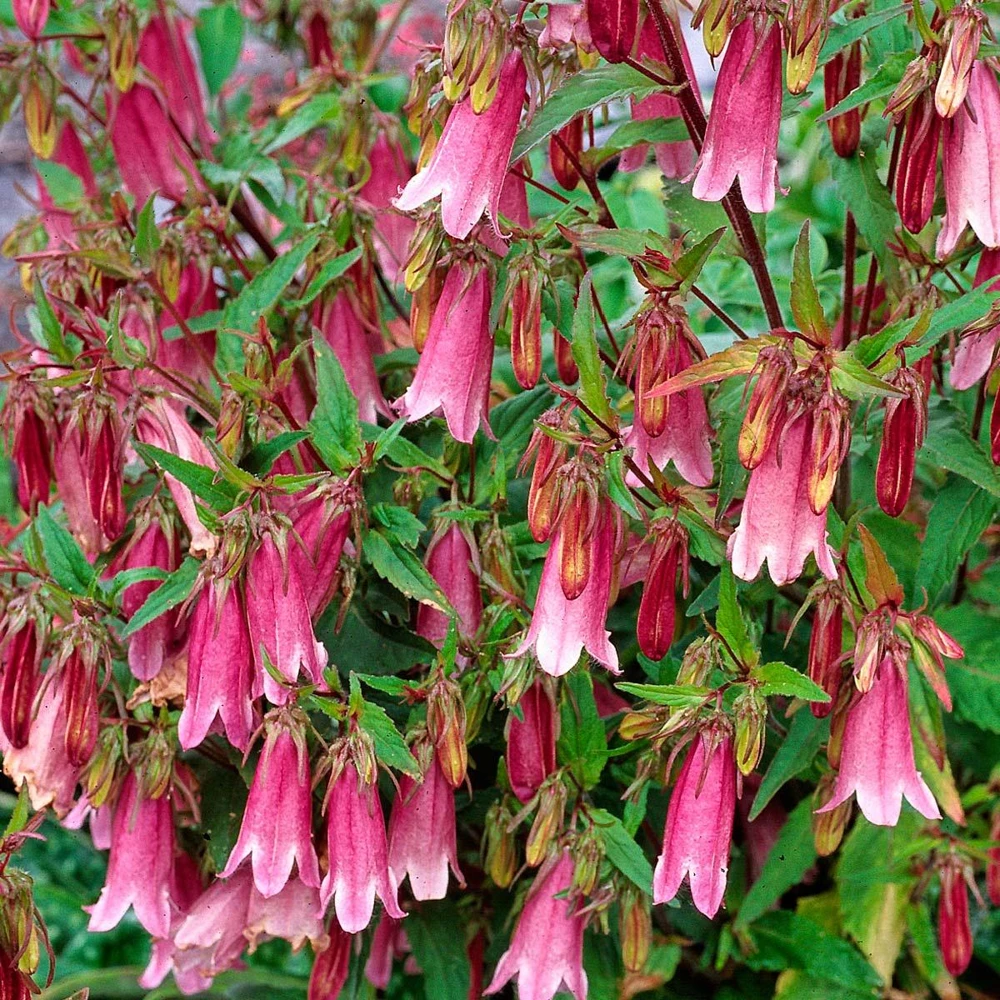
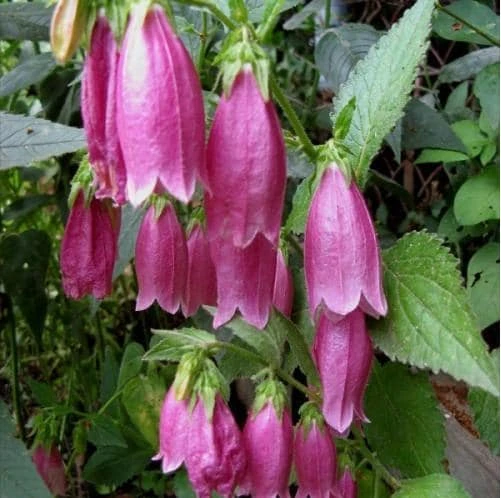

Cherry Bellflower Campanula Live Plant – Cherry Bells Perennial Flower
Original price was: $23.98.$19.48Current price is: $19.48.
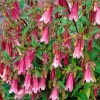
Bring a splash of vibrant color to your garden with the cherry bellflower campanula live plant. This charming, clump-forming perennial boasts profuse cherry-red, bell-shaped flowers from late spring to early summer. Ideal for borders, rock gardens, and containers, it’s known for its long bloom period and ability to attract pollinators. Enjoy easy maintenance and stunning visual appeal with this beautiful cherry bellflower perennial.
Shipping and Return policies:
We stand behind our plants with our Alive & Thrive Guarantee. If you experience any issues within the first 30 days, please email us, and our team will be happy to help. When needed, we’ll send you a one-time replacement free of charge to make sure your garden keeps growing strong.

Reasonable Price
We offer reasonable price

Support 24/7
Contact us 24 hrs a day
100% Money Back
You’ve 30 days to Return
Payment Secure
100% secure payment
Overview
Transform your garden space with the captivating beauty of the cherry bellflower campanula live plant. This delightful perennial, known botanically as Campanula ‘Cherry Bells’, is celebrated for its stunning display of vibrant cherry-red, bell-shaped flowers that emerge in late spring and continue through early summer. A true garden gem, the cherry bellflower campanula live plant forms a neat, compact clump, making it an excellent choice for a variety of landscape applications. Its lush green foliage provides a beautiful backdrop for the profusion of blooms, creating an eye-catching focal point. This particular variety is cherished not only for its prolonged flowering period but also for its ability to attract beneficial pollinators to your garden, contributing to a healthy ecosystem. Whether you’re an experienced gardener or just starting, this easy-to-grow plant promises a rewarding experience with minimal fuss.
The Campanula genus is vast and diverse, but ‘Cherry Bells’ stands out with its distinctive color and reliable performance. Originating from regions known for their diverse flora, this cultivar has been specifically bred for its ornamental qualities and hardiness. It’s a wonderful addition to any garden design, offering both visual appeal and ecological benefits. Discover the joy of growing this resilient and beautiful perennial.
Key Benefits
The cherry bellflower campanula live plant offers a multitude of advantages for any garden enthusiast. Its combination of aesthetic appeal and low-maintenance characteristics makes it a top choice for enhancing outdoor spaces. Enjoy the vibrant hues and ecological benefits this plant brings:
- Vibrant Cherry-Red Blooms: Experience a spectacular display of rich, cherry-red, bell-shaped flowers that add a bold splash of color to your garden, creating a cheerful and inviting atmosphere.
- Extended Bloom Period: This variety blooms profusely from late spring to early summer, ensuring a long season of vibrant color and continuous beauty in your landscape.
- Attracts Pollinators: The charming flowers are a magnet for bees and other beneficial pollinators, helping to support local ecosystems and improve the health of your garden.
- Versatile Garden Use: Its compact size and clump-forming habit make it perfect for various settings, including garden borders, charming cottage gardens, intricate rock gardens, and decorative containers.
- Low Maintenance: Known for being an easy perennial flowers, the cherry bellflower campanula live plant requires minimal care once established, making it an ideal choice for busy gardeners seeking maximum impact with minimal effort.
- Deer Resistant: Generally resistant to deer, this plant is a practical choice for gardens in areas where deer browsing is a concern, ensuring its beauty remains undisturbed.
- Compact & Tidy Growth: The neat, clump-forming habit ensures it maintains a tidy appearance, fitting well into structured garden designs without becoming unruly.
Plant Care & Growing Tips
Caring for your cherry bellflower campanula live plant is straightforward, ensuring a vibrant and healthy display for years to come. Understanding its basic needs will help you achieve the best results. This campanula cherry bells care guide will walk you through everything you need to know, from sunlight to pest management.
Light Requirements: The ‘Cherry Bells’ Campanula thrives in full sun to partial shade. In hotter climates, providing some afternoon shade is highly beneficial to protect the plant from intense heat and prevent scorching of its delicate blooms and foliage. Aim for at least 6 hours of direct sunlight for optimal flowering, but be mindful of the intensity during peak summer.
Watering: Consistent moisture is key for this plant. Keep the soil evenly moist but never soggy. Avoid prolonged periods of drought, especially during its blooming season. A good rule of thumb is to water when the top inch of soil feels dry to the touch. Proper drainage is crucial to prevent root rot, so ensure your planting site or container allows excess water to escape.
Soil & Fertilization: This red bellflower plant prefers well-draining soil that is rich in organic matter. Amending heavy clay soils with compost or peat moss can significantly improve drainage and provide essential nutrients. In early spring, apply a balanced granular fertilizer or a layer of rich compost around the base of the plant to encourage strong growth and abundant blooms throughout the season. Avoid over-fertilizing, as this can lead to excessive foliage at the expense of flowers.
Temperature & Humidity: The cherry bellflower perennial thrives in mild to warm growing seasons and is hardy in USDA Zones 4–8. It tolerates average outdoor humidity; however, good air circulation is important, particularly in humid environments, to prevent fungal diseases. Protect plants from extreme cold snaps in winter if you are at the colder end of its hardiness range with a layer of mulch.
Pruning & Pests: Deadheading spent flowers is highly recommended to promote continued blooming and maintain a tidy appearance. After the main flush of flowers, you can cut back the plant to maintain its shape and encourage a potential second, smaller bloom. While generally resistant to deer, keep an eye out for common garden pests like slugs and aphids. These can usually be managed with organic pest control methods or by hand-picking. This comprehensive campanula cherry bells care will help your plant flourish.
Size & Details
The cherry bellflower campanula live plant is a compact and manageable perennial, typically growing to a mature height of approximately 8-12 inches (20-30 cm) with a similar spread. This makes it an ideal choice for front-of-border plantings, filling gaps in rock gardens, or as a charming component in mixed container arrangements. While it is shipped as a rooted starter plant, either bare root or in a 2.5×4 inch greenhouse pot, it quickly establishes itself in its new home. Expect steady growth through its first season, with a full flush of its characteristic cherry-red bells in late spring to early summer of the following year. This plant offers a moderate growth rate, establishing itself well within one to two seasons.
Each live plant is unique and may vary slightly in size, color, or shape upon arrival, depending on the season and growing conditions. This natural variation ensures you receive a truly individual specimen for your garden. With appropriate care, this cherry bellflower perennial will develop into a robust and floriferous clump, providing continuous beauty and attracting pollinators for many years. Its compact nature also means it doesn’t require extensive space, making it suitable for smaller gardens or urban balconies.
Frequently Asked Questions
- Q: How big does the cherry bellflower campanula live plant get? A: This plant typically grows to a compact size of 8-12 inches tall and wide, making it perfect for various garden applications without taking up too much space.
- Q: Is this an indoor or outdoor plant? A: The Cherry Bellflower Campanula is primarily an outdoor perennial, thriving in garden beds, borders, and containers within its recommended hardiness zones.
- Q: How much sunlight does the red bellflower plant need? A: It prefers full sun to partial shade. In hotter climates, providing afternoon shade is beneficial to protect the plant from intense heat and ensure optimal blooming.
- Q: Is this plant easy to care for? A: Yes, it is considered an easy perennial flowers plant. Once established, it requires minimal maintenance, primarily consistent watering and occasional deadheading for prolonged blooms.
- Q: What condition will the cherry bellflower perennial arrive in? A: It will arrive as a rooted starter plant, either bare root or in a 2.5×4 inch greenhouse pot, ready for planting. Due to its live nature, size and appearance may vary seasonally.
- Q: How long until it blooms? A: If planted in spring, you may see some blooms in its first year, but a more prolific flowering display can be expected in late spring to early summer of the following year, once the plant is fully established.
- Q: Will it survive winter in my zone? A: The Cherry Bellflower Campanula is hardy in USDA Zones 4–8. If you are within this range, it should reliably return each spring. In colder zones, winter protection may be beneficial.
- Q: What type of soil is best for campanula cherry bells care? A: Well-draining soil enriched with organic matter is ideal. Avoid heavy, waterlogged soils, as good drainage is crucial for its health.
- Q: Does this plant attract pests? A: While generally resistant to deer, it may occasionally attract slugs or aphids. These can usually be managed with standard garden pest control methods.
- Q: Can I grow this plant in a container? A: Absolutely! Its compact habit makes it an excellent choice for containers, allowing you to enjoy its vibrant blooms on patios, balconies, or near entryways.
Be the first to review “Cherry Bellflower Campanula Live Plant – Cherry Bells Perennial Flower”
You must be logged in to post a review.
People also Viewed
Sold 50 products
$32.38
Sold 50 products
$27.38
Sold 50 products
$32.38
Sold 50 products
$19.88
Sold 50 products
$62.38
Sold 50 products
$24.88
Houseplants
Phalaenopsis pulcherrima ‘Mauna Kea Snow’ Orchid Live Plant – White Flowers, Potted 2.5 in
Sold 50 products
$49.88
Sold 50 products
$49.88RELATED posts
Awapuhi Wild Ginger Plant: Zones, Care, and Propagation
Learn which USDA zones suit awapuhi wild ginger, plus sunlight, water, planting, propagation, pests, size, [...]
Awapuhi Shampoo Ginger – Care, Growing Zones, and Differences
Learn how to grow awapuhi (shampoo) ginger, its USDA zones, watering schedule, propagation tips, and [...]
Awapuhi Shampoo Plant Buying Guide – Choose the Right Zingiber zerumbet
META: Learn which awapuhi (shampoo ginger) plant or rhizome pack gives the best natural shampoo, [...]
Awapuhi Plant for Sale: Complete Buying Guide
Find the right awapuhi (shampoo ginger) plant, size, price, soil mix, and online source. Practical [...]
Shampoo Ginger Plant for Sale – Buying Guide & Tips
Find the right shampoo ginger plant, size, price, and care tips. Quick guide for U.S. [...]
Shampoo Ginger Plant (Awapuhi) Care Guide
Learn how to grow, care for, and use shampoo ginger (Zingiber zerumbet), the tropical awapuhi [...]
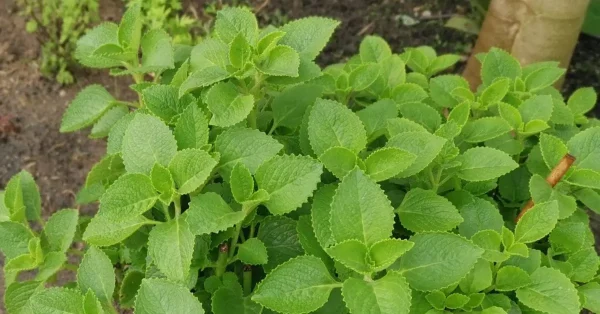
How to Grow Cuban Oregano Plants: A Complete Care Guide
If you’ve ever wanted a plant that combines the culinary punch of traditional oregano with [...]
Aug
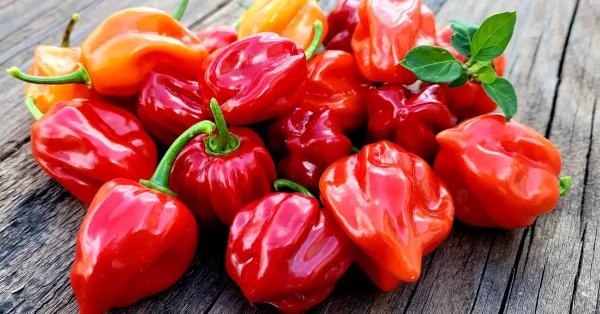
How to Grow Habanero Pepper Plants: A Step-by-Step Guide
Habanero pepper plants are prized for their vibrant colors, intense heat, and exceptional flavor, making [...]
Aug
Reviews
There are no reviews yet.