
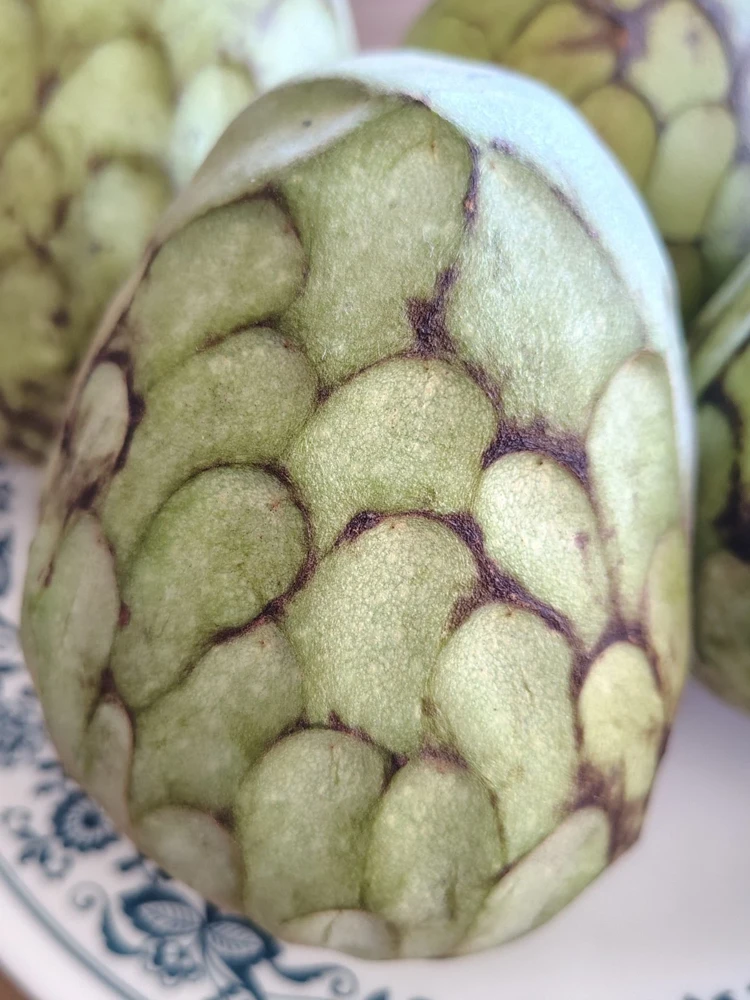
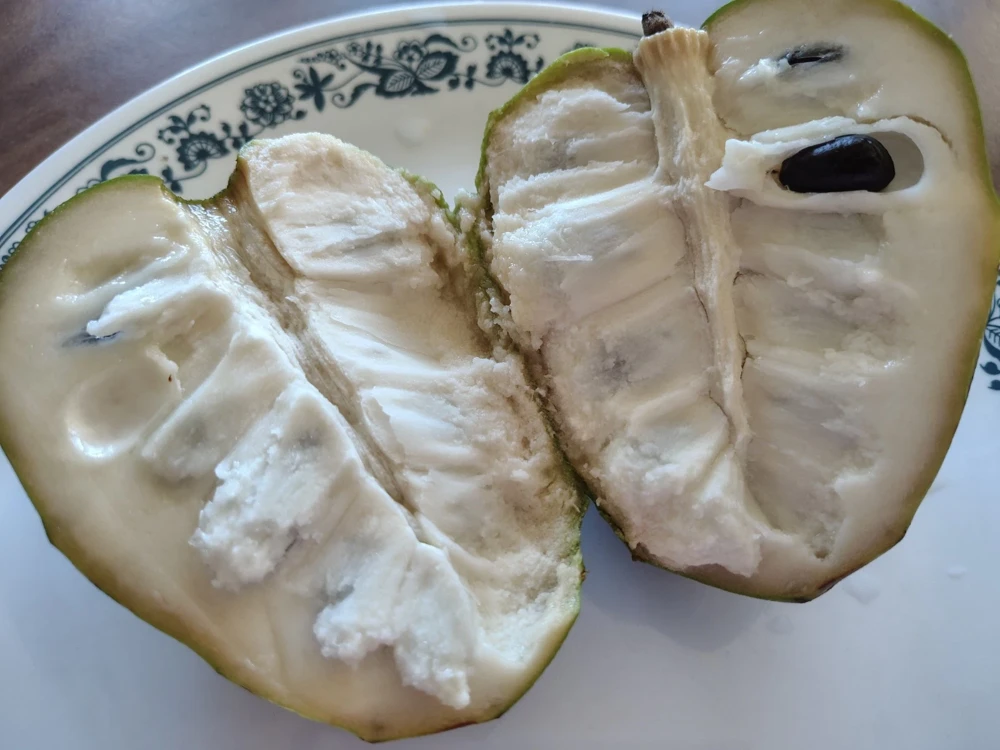
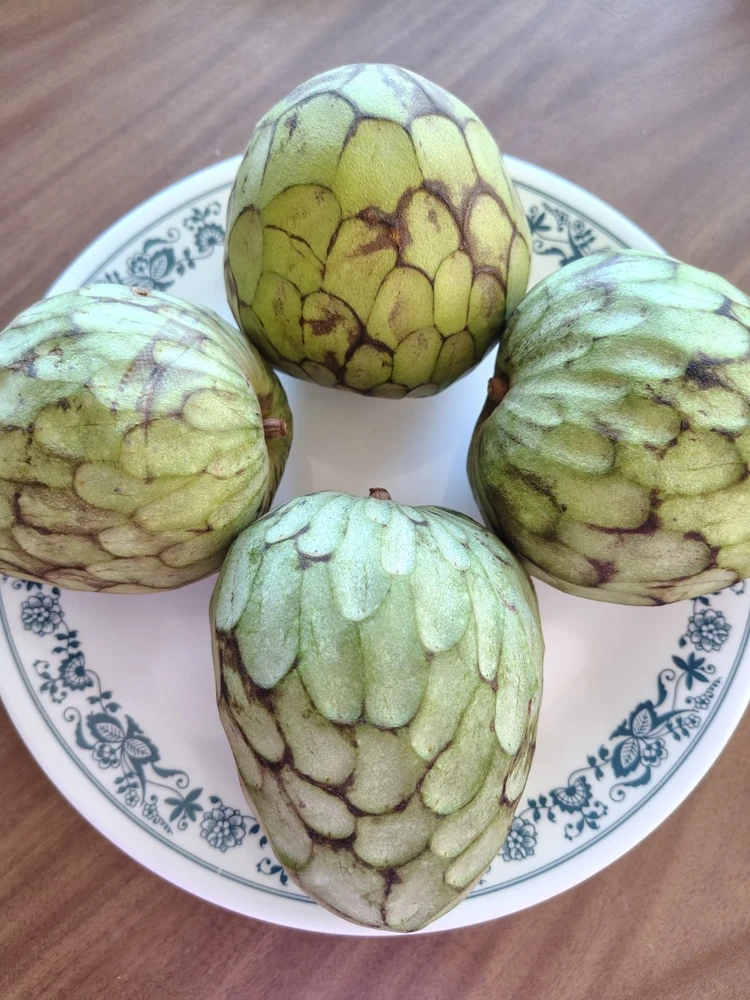
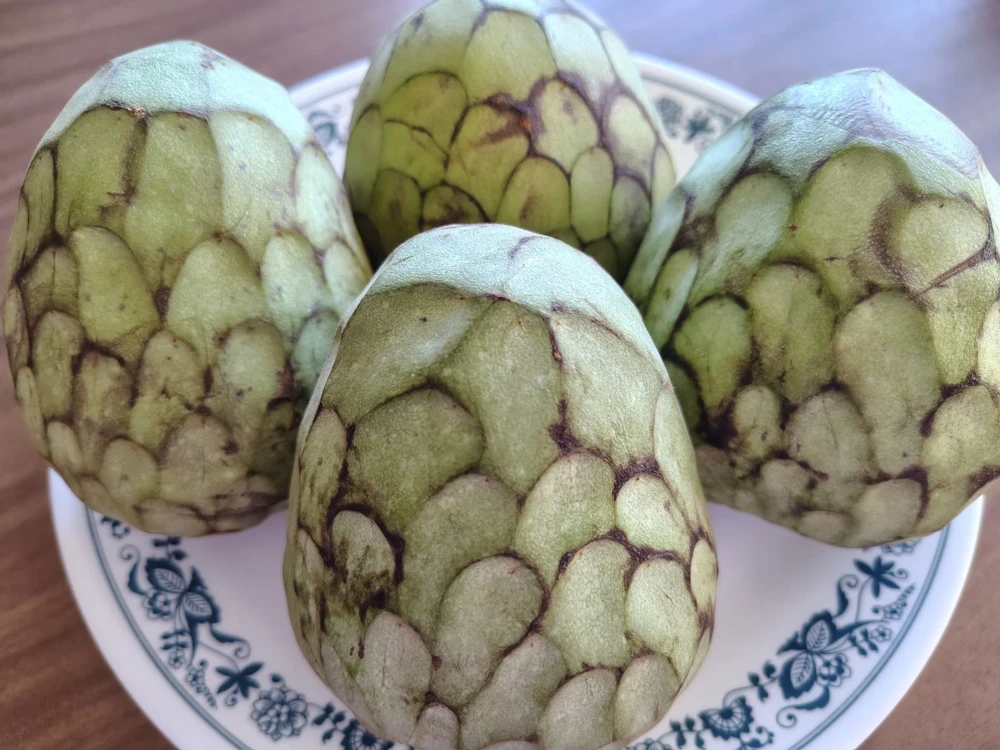
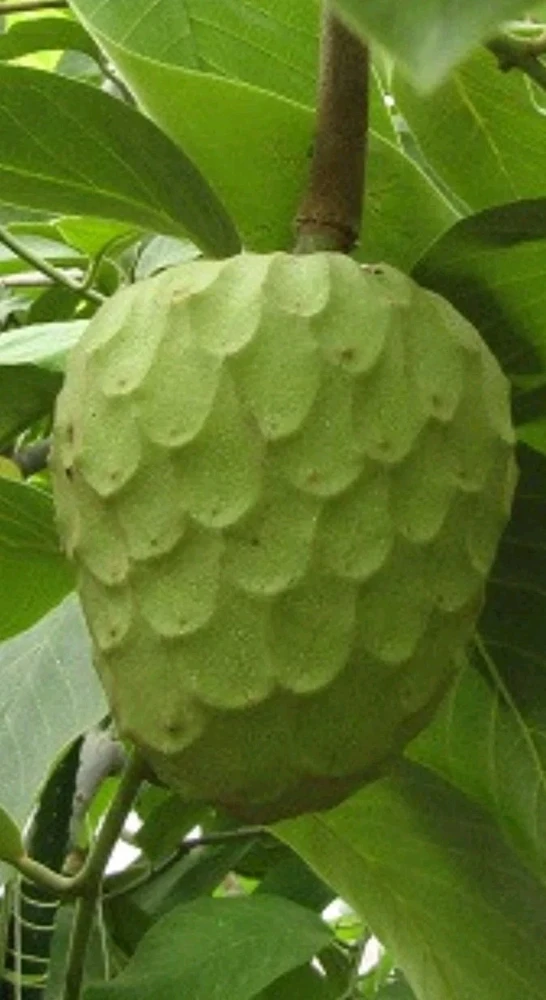
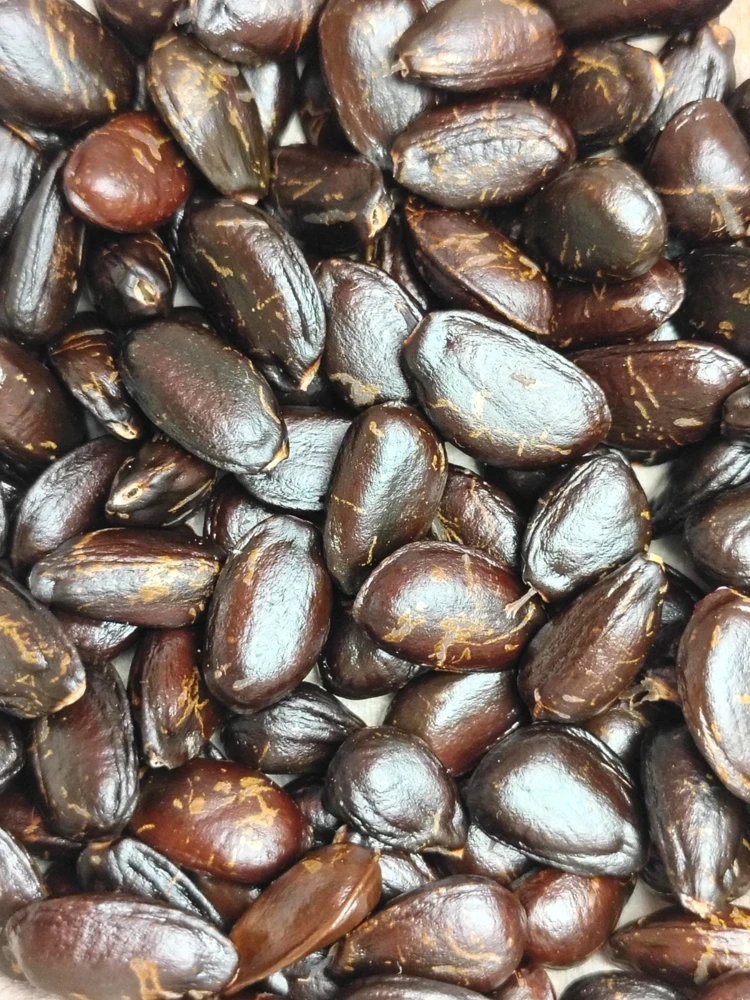
Cherimoya Honey Heart Custard Apple Fruit Seeds – 5 Organic Seeds
$14.98
Cultivate the highly sought-after cherimoya seeds from the ‘Honey Heart’ variety. These organic fruit seeds are ready to germinate, offering a rewarding gardening project. Enjoy the sweet, creamy taste of homegrown custard apple seeds, a true tropical delight for your garden or patio.
Shipping and Return policies:
We stand behind our plants with our Alive & Thrive Guarantee. If you experience any issues within the first 30 days, please email us, and our team will be happy to help. When needed, we’ll send you a one-time replacement free of charge to make sure your garden keeps growing strong.

Reasonable Price
We offer reasonable price

Support 24/7
Contact us 24 hrs a day
100% Money Back
You’ve 30 days to Return
Payment Secure
100% secure payment
Overview
Embark on an exciting horticultural journey by growing your own ‘Honey Heart’ cherimoya seeds. Cherimoya, also known as the custard apple seeds, is a tropical fruit renowned for its incredibly sweet, creamy, and aromatic flesh. Often described as tasting like a blend of pineapple, mango, and strawberry, the ‘Honey Heart’ variety is particularly prized for its exceptional flavor and smooth texture. These organic fruit seeds provide a fantastic opportunity for both novice and experienced gardeners to cultivate an exotic fruit tree at home. The Cherimoya (Annona cherimola) is native to the Andean highlands of South America and thrives in subtropical climates, making it a unique addition to many gardens in the United States. Growing cherimoya seeds not only offers the joy of harvesting your own delicious fruit but also adds an attractive, lush green plant to your outdoor space.
Each pack contains 5 viable seeds, ready to begin their journey into becoming a fruitful tree. The process of how to grow cherimoya from seed is a rewarding experience, connecting you directly with nature’s bounty. While patience is key, the eventual reward of fresh, homegrown cherimoya fruit is well worth the effort. These seeds are specifically from the ‘Honey Heart’ cultivar, ensuring you get a high-quality fruit with excellent taste and texture. Discover the satisfaction of nurturing these tropical treasures from seed to harvest.
Key Benefits
Growing cherimoya seeds offers a multitude of benefits, from the unique culinary experience to the satisfaction of cultivating an exotic plant. The ‘Honey Heart’ variety is particularly celebrated for its superior taste and texture, making it a top choice among fruit enthusiasts. Here are some of the key advantages:
- Exotic Fruit Production: Enjoy the rare opportunity to harvest your own delicious and highly sought-after cherimoya fruit directly from your garden. The ‘Honey Heart’ variety is known for its exceptionally sweet and creamy flesh, offering a gourmet experience that is hard to find in stores. Growing your own ensures peak ripeness and flavor.
- Rewarding Gardening Project: Starting from organic fruit seeds provides a deeply satisfying gardening experience. Watching a plant grow from a tiny seed into a fruit-bearing tree is incredibly fulfilling, offering a sense of accomplishment and a deeper connection to nature.
- Nutritional Value: Cherimoya fruit is not only delicious but also packed with vitamins, minerals, and antioxidants, including Vitamin C, B vitamins, and dietary fiber. Enjoying homegrown fruit means you’re consuming fresh, nutrient-rich produce free from pesticides or unwanted chemicals.
- Beautiful Ornamental Tree: Beyond its fruit, the cherimoya tree itself is an attractive addition to any garden or patio. With its lush green foliage and unique flowers, it adds a tropical aesthetic that enhances the beauty of your outdoor space. It’s a statement plant that draws attention and admiration.
- Supports Biodiversity: By cultivating exotic plants like cherimoya, you contribute to plant diversity in your local environment. This helps in creating a richer ecosystem and encourages various pollinators to visit your garden.
- Sustainable Living: Learning how to grow cherimoya at home promotes self-sufficiency and reduces your reliance on commercially produced fruits that may travel long distances. It’s a step towards a more sustainable and eco-friendly lifestyle.
Plant Care & Growing Tips
Successfully cultivating cherimoya seeds requires attention to specific environmental conditions and ongoing care. These tropical trees thrive in warm, subtropical climates. When learning how to grow cherimoya, proper site selection and soil preparation are crucial. Sunlight requirements for cherimoya trees are moderate; they prefer full sun to partial shade. In very hot climates, some afternoon shade can protect the young trees from scorching. Aim for at least 6-8 hours of direct sunlight per day, ideally in a location sheltered from strong winds.
For watering, cherimoyas prefer consistently moist but not waterlogged soil. Deep watering once or twice a week is generally sufficient, depending on your climate and soil type. Reduce watering during cooler, dormant periods. Well-draining soil is absolutely essential to prevent root rot, which is a common issue for cherimoyas. A sandy loam with a slightly acidic to neutral pH (6.5-7.0) is ideal. Amending heavy clay soils with organic matter like compost or perlite can significantly improve drainage. Fertilize young trees every 2-3 months with a balanced fertilizer, gradually transitioning to a fruit tree formula as the tree matures. Common problems include pest infestations like mealybugs or scale, which can be managed with horticultural oils, and fungal diseases, which are often a result of poor air circulation or excessive humidity. Protecting young trees from frost is vital, as they are very sensitive to cold temperatures. In USDA zones where winter temperatures drop below freezing, consider growing cherimoya seeds in large containers that can be moved indoors during colder months, or provide frost protection like row covers or blankets.
Pollination can sometimes be a challenge as cherimoya flowers are protogynous, meaning the female parts mature before the male parts. Hand pollination can increase fruit set significantly if natural pollinators are scarce. Look for female flowers (petals slightly open, stigma sticky) in the morning and male flowers (petals fully open, pollen shedding) in the afternoon. Collect pollen from male flowers and apply it to female flowers using a small brush. This dedication to care will ensure you get bountiful harvests from your honey heart cherimoya tree.
Size & Details
This product includes 5 viable cherimoya seeds of the ‘Honey Heart’ variety, ready for germination. These seeds are sourced from organic fruit, ensuring a natural start for your future tree. When mature, a cherimoya tree typically grows to a height of 15-30 feet (4.5-9 meters) with a spread of 10-20 feet (3-6 meters), though it can be kept smaller with proper pruning, especially in container culture. The growth rate is moderate, with trees usually beginning to bear fruit within 3-5 years from seed, though some may take longer. Each seed has the potential to develop into a robust, fruit-producing tree. The ‘Honey Heart’ cultivar is renowned for producing large, heart-shaped fruits with a smooth, creamy texture and exceptional sweetness. The seeds are shipped dry and should be soaked in warm water for 24-48 hours before planting to aid germination. Expect germination to occur within 3 weeks to 3 months, depending on conditions. These custard apple seeds are an excellent choice for those looking to cultivate a unique and rewarding fruit tree.
Frequently Asked Questions
- Q: How big does a cherimoya tree get when grown from seeds? A: A mature cherimoya tree typically reaches a height of 15-30 feet (4.5-9 meters) with a spread of 10-20 feet (3-6 meters). However, its size can be managed with regular pruning, especially if grown in a large container.
- Q: Is this an indoor or outdoor plant? A: Cherimoya trees are best grown outdoors in subtropical climates (USDA Zones 9-11). In colder regions, they can be grown in large containers and moved indoors during winter to protect them from frost. Learning how to grow cherimoya indoors requires careful attention to light and humidity.
- Q: How much sunlight do these cherimoya seeds need to grow? A: Cherimoya trees prefer full sun to partial shade, ideally receiving at least 6-8 hours of direct sunlight per day. In very hot climates, providing some afternoon shade can prevent leaf scorching.
- Q: Is this plant easy to care for, especially for beginners? A: Growing cherimoya seeds can be a rewarding experience for beginners, but it does require consistent care regarding watering, soil, and protection from cold. Hand pollination may also be necessary to ensure good fruit set.
- Q: What condition will the cherimoya seeds arrive in? A: The organic fruit seeds will arrive dry and ready for planting. It is recommended to soak them in warm water for 24-48 hours before planting to encourage germination.
- Q: How long until the cherimoya tree bears fruit from these seeds? A: Cherimoya trees typically begin to bear fruit within 3-5 years when grown from seed, although this can vary depending on growing conditions and care. Patience is key for a successful harvest.
- Q: What type of soil is best for growing cherimoya from seeds? A: Cherimoyas thrive in well-draining, fertile soil. A sandy loam with a slightly acidic to neutral pH (6.5-7.0) is ideal. Good drainage is crucial to prevent root rot.
- Q: Will the ‘Honey Heart’ cherimoya survive winter in colder zones? A: Cherimoya trees are sensitive to frost. In USDA Zones below 9, they will need significant winter protection or should be grown in containers that can be brought indoors during cold periods to protect your honey heart cherimoya.
- Q: Can I grow these custard apple seeds in a pot? A: Yes, cherimoya trees can be successfully grown in large containers. This allows for easier protection from cold weather and can help manage their size. Ensure the pot has excellent drainage.
- Q: Are these truly organic fruit seeds? A: Yes, these are organic fruit seeds from the ‘Honey Heart’ Cherimoya variety, ensuring a natural and healthy start for your gardening project.
Be the first to review “Cherimoya Honey Heart Custard Apple Fruit Seeds – 5 Organic Seeds”
You must be logged in to post a review.
People also Viewed
Sold 50 products
Original price was: $37.48.$23.98Current price is: $23.98.
Sold 50 products
$32.38
Sold 50 products
$27.38
Sold 50 products
$32.38
Sold 50 products
$19.88
Sold 50 products
$62.38
Sold 50 products
$24.88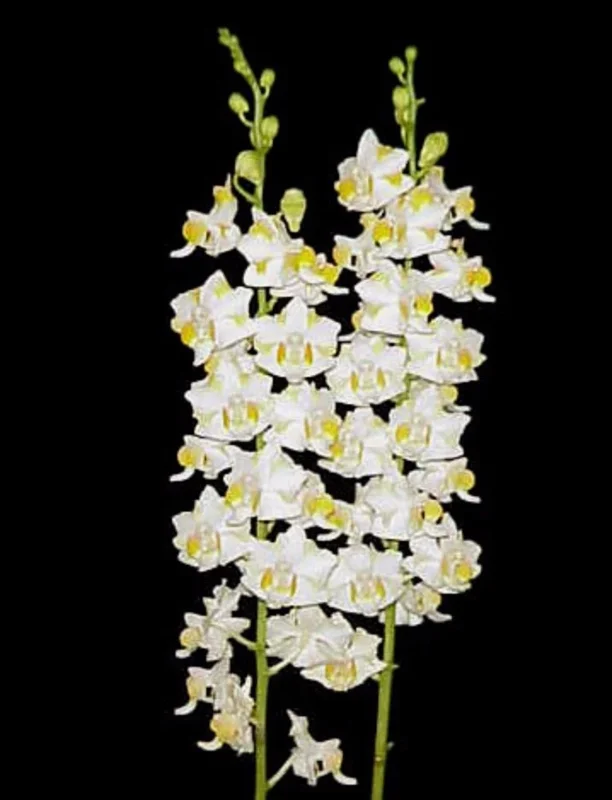
Houseplants
Phalaenopsis pulcherrima ‘Mauna Kea Snow’ Orchid Live Plant – White Flowers, Potted 2.5 in
Sold 50 products
$49.88RELATED posts
Awapuhi Wild Ginger Plant: Zones, Care, and Propagation
Learn which USDA zones suit awapuhi wild ginger, plus sunlight, water, planting, propagation, pests, size, [...]
Awapuhi Shampoo Ginger – Care, Growing Zones, and Differences
Learn how to grow awapuhi (shampoo) ginger, its USDA zones, watering schedule, propagation tips, and [...]
Awapuhi Shampoo Plant Buying Guide – Choose the Right Zingiber zerumbet
META: Learn which awapuhi (shampoo ginger) plant or rhizome pack gives the best natural shampoo, [...]
Awapuhi Plant for Sale: Complete Buying Guide
Find the right awapuhi (shampoo ginger) plant, size, price, soil mix, and online source. Practical [...]
Shampoo Ginger Plant for Sale – Buying Guide & Tips
Find the right shampoo ginger plant, size, price, and care tips. Quick guide for U.S. [...]
Shampoo Ginger Plant (Awapuhi) Care Guide
Learn how to grow, care for, and use shampoo ginger (Zingiber zerumbet), the tropical awapuhi [...]
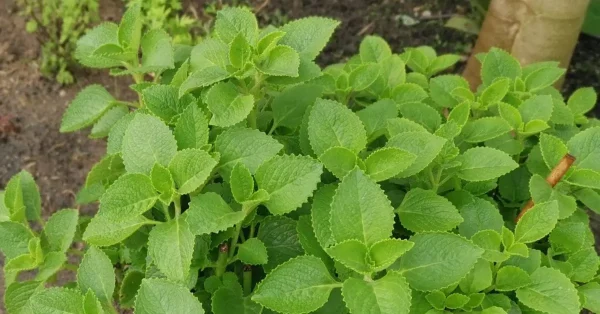
How to Grow Cuban Oregano Plants: A Complete Care Guide
If you’ve ever wanted a plant that combines the culinary punch of traditional oregano with [...]
Aug
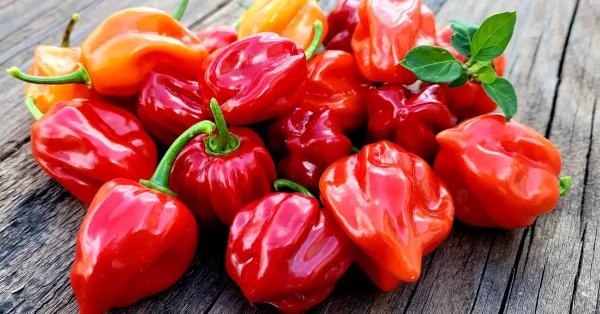
How to Grow Habanero Pepper Plants: A Step-by-Step Guide
Habanero pepper plants are prized for their vibrant colors, intense heat, and exceptional flavor, making [...]
Aug
Reviews
There are no reviews yet.