
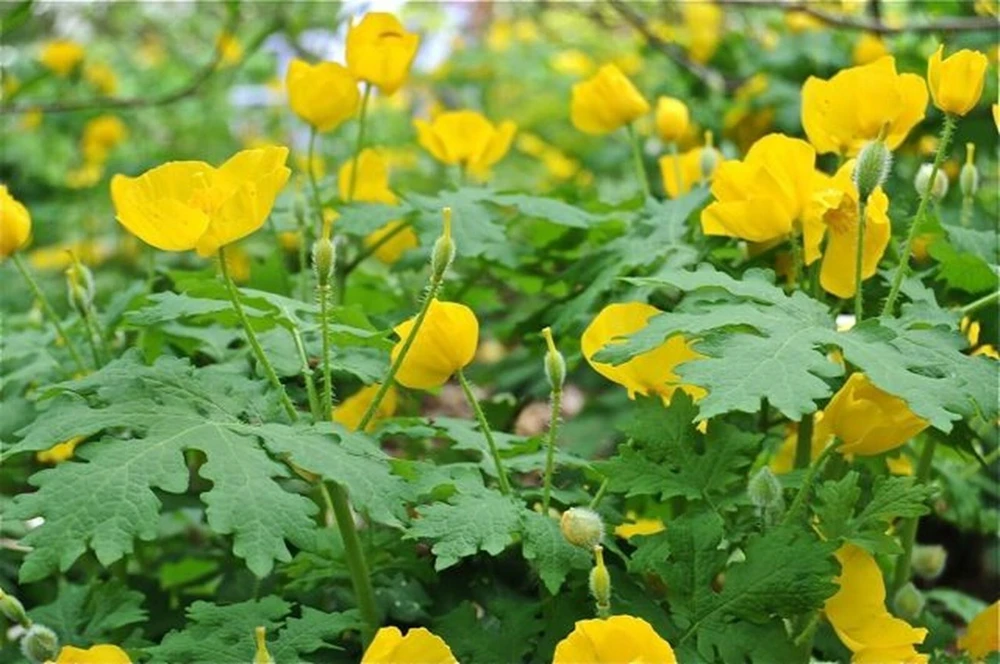
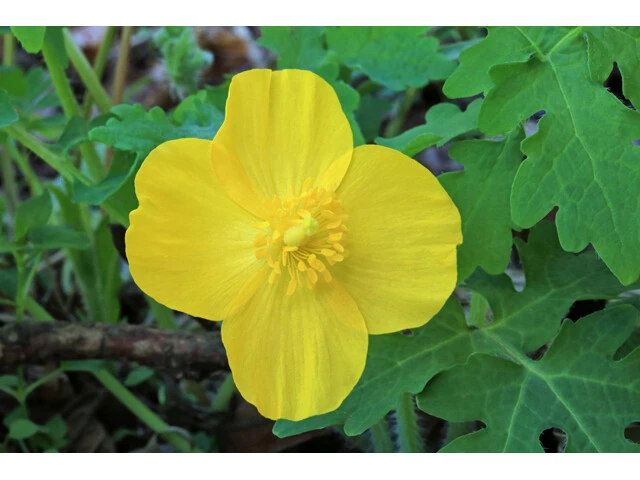
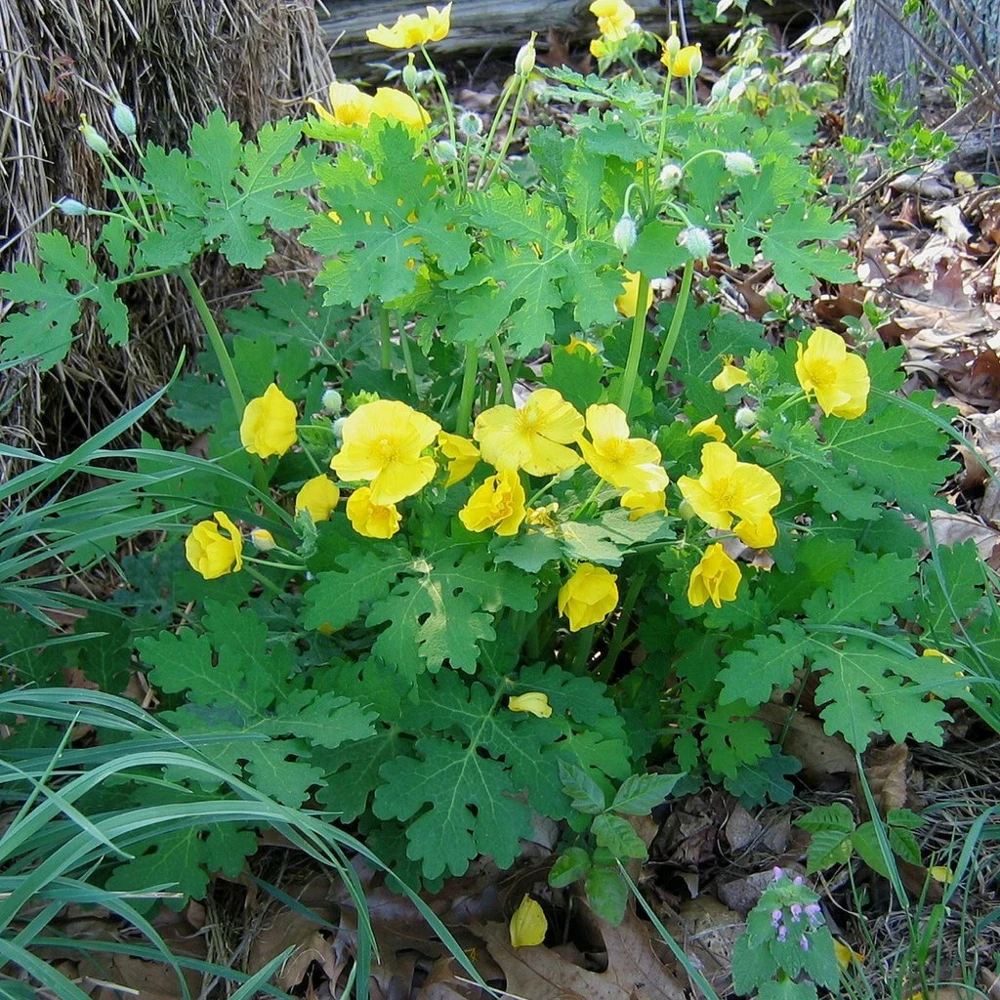
Celandine Poppy 5 Bulb – Stylophorum diphyllum Wood Poppy – Outdoor
Original price was: $29.80.$13.80Current price is: $13.80.
Bring bright, cheerful color to your shade garden with these Celandine Poppy bulbs (Stylophorum diphyllum). Also known as wood poppy plant, this native perennial produces striking yellow flowers in spring, perfect for naturalizing woodland areas. Easy to grow and deer resistant.
Shipping and Return policies:
We stand behind our plants with our Alive & Thrive Guarantee. If you experience any issues within the first 30 days, please email us, and our team will be happy to help. When needed, we’ll send you a one-time replacement free of charge to make sure your garden keeps growing strong.

Reasonable Price
We offer reasonable price

Support 24/7
Contact us 24 hrs a day
100% Money Back
You’ve 30 days to Return
Payment Secure
100% secure payment
Overview
Introduce a burst of golden sunshine to your shaded garden spaces with these premium Celandine Poppy bulbs. Scientifically known as Stylophorum diphyllum, this delightful native perennial is commonly referred to as the wood poppy plant due to its preference for woodland environments. Each purchase includes 5 healthy bulbs, ready to establish and transform your garden into a vibrant spring spectacle. The Celandine Poppy is cherished for its brilliant yellow, cup-shaped flowers that emerge in early to mid-spring, often before many other shade-loving plants have begun to bloom. These cheerful blossoms are held above attractive, deeply lobed blue-green foliage, creating a captivating display that brightens even the deepest corners of your landscape. Ideal for naturalizing, ground cover, or adding a touch of wild elegance to a native plant garden, the Celandine Poppy bulbs are a fantastic choice for gardeners seeking low-maintenance beauty.
Originating from the eastern United States, Stylophorum diphyllum is a truly remarkable addition to any shade garden. Unlike some other poppies, the Celandine Poppy is a true perennial, returning year after year with increasing vigor. It readily self-seeds in ideal conditions, forming charming colonies over time without becoming invasive. This plant is not only beautiful but also ecologically beneficial, attracting early pollinators such as bees. Its resilience and striking appearance make it a favorite among those looking to cultivate a thriving, naturalized garden setting. Plant these Celandine Poppy bulbs and enjoy the effortless charm and vibrant color they bring to your outdoor sanctuary.
Key Benefits
The Celandine Poppy bulbs offer numerous advantages for the discerning gardener, providing both aesthetic appeal and ecological value. Here are some of the key benefits you can expect from cultivating this wonderful plant:
- Vibrant Spring Color: Enjoy a spectacular display of bright, sunny yellow flowers that emerge early in the spring, providing much-needed cheer after the winter months. These blossoms are a true highlight in any shade garden.
- Shade Loving Perennial: Perfectly suited for shaded and woodland gardens, the wood poppy plant thrives in conditions where many other flowering plants struggle, making it an excellent choice for challenging spots.
- Low Maintenance: Once established, Celandine Poppies require minimal care. They are relatively pest and disease resistant, allowing you more time to enjoy their beauty rather than tending to them.
- Attracts Pollinators: The early spring blooms provide a vital food source for early emerging bees and other beneficial insects, contributing to the biodiversity and health of your garden ecosystem.
- Deer and Rabbit Resistant: Gardeners often face challenges with browsing animals, but the Celandine Poppy is generally ignored by deer and rabbits, ensuring your beautiful blooms remain untouched.
- Naturalizes Easily: In favorable conditions, the Celandine Poppy bulbs will gently self-seed, slowly spreading to form charming colonies and create a natural, woodland feel without becoming aggressive.
- Attractive Foliage: Beyond its stunning flowers, the deeply lobed, blue-green leaves provide an interesting textural element throughout the growing season, even after the blooms have faded.
Plant Care & Growing Tips
Caring for your Celandine Poppy bulbs is straightforward, making them an excellent choice for both novice and experienced gardeners looking for a reliable yellow shade flowers. The key to success lies in replicating their natural woodland habitat. When planting, choose a location with partial to full shade. While they can tolerate some morning sun, direct afternoon sun can scorch their delicate leaves and reduce flowering. Aim for an area that receives dappled sunlight or shade throughout the day. The soil should be rich in organic matter, consistently moist, and well-draining. Before planting, amend heavy clay soils with compost to improve drainage and fertility.
Plant the Celandine Poppy bulbs about 2-3 inches deep and 4-6 inches apart. Water thoroughly after planting to settle the soil around the bulbs. During the growing season, ensure the soil remains consistently moist, especially during dry spells. Avoid letting the soil dry out completely, as this can stress the plant. A layer of organic mulch, such as shredded leaves or wood chips, will help retain soil moisture, suppress weeds, and enrich the soil as it breaks down. Fertilization is generally not necessary in rich, organic soil; however, a light application of a balanced, slow-release fertilizer in early spring can promote vigorous growth. The wood poppy plant is hardy in USDA zones 4-9. It typically goes dormant in mid-summer, especially in warmer climates or during periods of drought, with the foliage dying back. Don’t be alarmed; it will re-emerge the following spring. Keep an eye out for slugs and snails, which can occasionally munch on the leaves; organic baits or traps can help manage these pests.
Size & Details
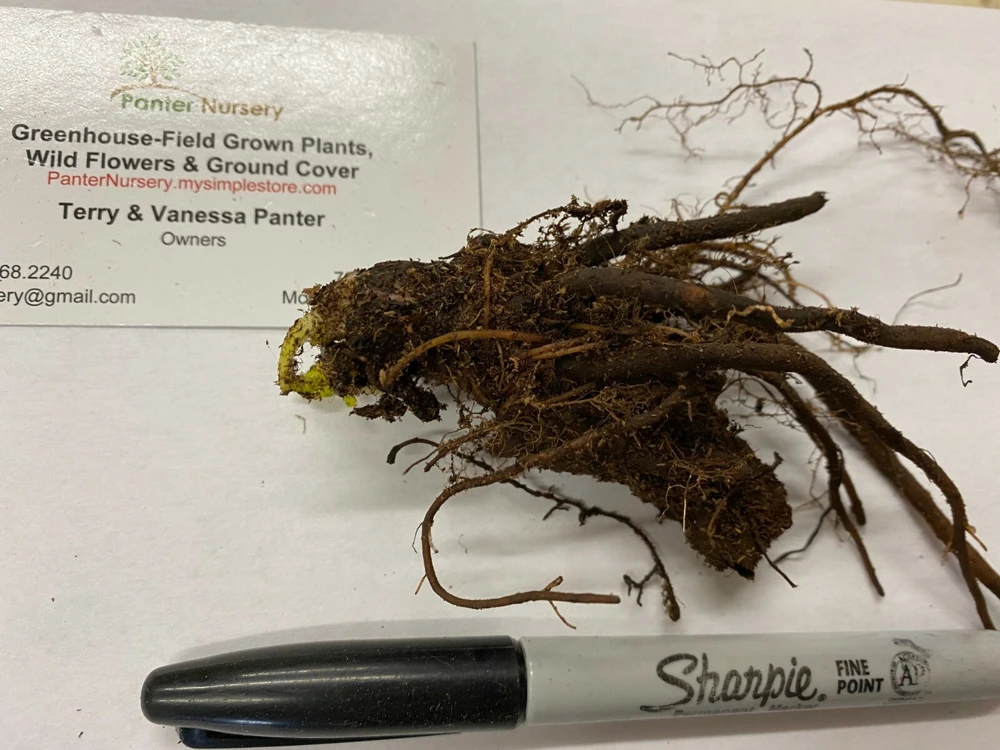
These Celandine Poppy bulbs are supplied as healthy, dormant bulbs, ready for planting. Once established, the wood poppy plant typically reaches a mature height of 12 to 18 inches with a similar spread, forming an attractive clump of foliage and flowers. The growth rate is moderate, and you can expect to see blooms in the first or second spring after planting, with the plant becoming more robust and spreading over subsequent years. They are shipped as bare bulbs, which is the ideal state for planting to ensure successful establishment. The flowers are typically 1 to 2 inches in diameter, a cheerful bright yellow, and last for several weeks in mid-spring. The foliage provides a lovely blue-green contrast and remains attractive until the plant enters summer dormancy. These bulbs are perfect for creating a naturalized look in woodland gardens, along shaded pathways, or as an underplanting for larger shade trees and shrubs.
Frequently Asked Questions
- Q: How big does this plant get? A: The Celandine Poppy bulbs will grow into plants that typically reach 12 to 18 inches in height and spread, forming a nice clump of foliage and flowers. Its size makes it suitable for various garden settings without taking up too much space.
- Q: Is this an indoor or outdoor plant? A: The wood poppy plant is primarily an outdoor perennial, thriving in shaded garden environments. It is not generally grown as an indoor houseplant, as it requires specific outdoor conditions to flourish and complete its growth cycle.
- Q: How much sunlight does it need? A: Celandine Poppies prefer partial to full shade. They do best with dappled sunlight or areas that receive morning sun but are protected from harsh afternoon rays. Too much sun can cause the leaves to scorch.
- Q: Is this plant easy to care for? A: Yes, the Celandine Poppy bulbs are considered relatively easy to care for once established. They are low-maintenance, deer-resistant, and return reliably each year with minimal intervention, making them great for beginners.
- Q: What condition will it arrive in? A: Your Celandine Poppy bulbs will arrive as healthy, dormant bulbs, carefully packaged to ensure their safe journey. This is the optimal state for planting to encourage successful growth.
- Q: When is the best time to plant these bulbs? A: The ideal time to plant Celandine Poppy bulbs is in the fall or early spring, allowing them to establish roots before the heat of summer or to emerge with the first signs of spring.
- Q: Will it survive winter in my zone? A: Yes, the wood poppy plant is hardy in USDA Zones 4-9. It is well-adapted to cold winters and will go dormant, re-emerging in the spring. A layer of mulch can provide extra protection in colder zones.
- Q: What type of soil does it prefer? A: Celandine Poppies thrive in rich, consistently moist, and well-draining soil. Amending the soil with organic matter like compost is highly beneficial for their growth.
- Q: Is this a native woodland plant? A: Yes, Stylophorum diphyllum is a native plant to the eastern United States, making it an excellent choice for native plant gardens and naturalizing woodland areas. It’s a true native woodland plants specimen.
- Q: Can I expect yellow shade flowers the first year? A: While it’s possible to see some blooms in the first spring after planting, the plant often focuses on establishing its root system. You can generally expect a more robust display of yellow shade flowers in the second year and beyond.
Be the first to review “Celandine Poppy 5 Bulb – Stylophorum diphyllum Wood Poppy – Outdoor”
You must be logged in to post a review.
People also Viewed
Sold 50 products
$32.38
Sold 50 products
$27.38
Sold 50 products
$32.38
Sold 50 products
$19.88
Sold 50 products
$62.38
Sold 50 products
$24.88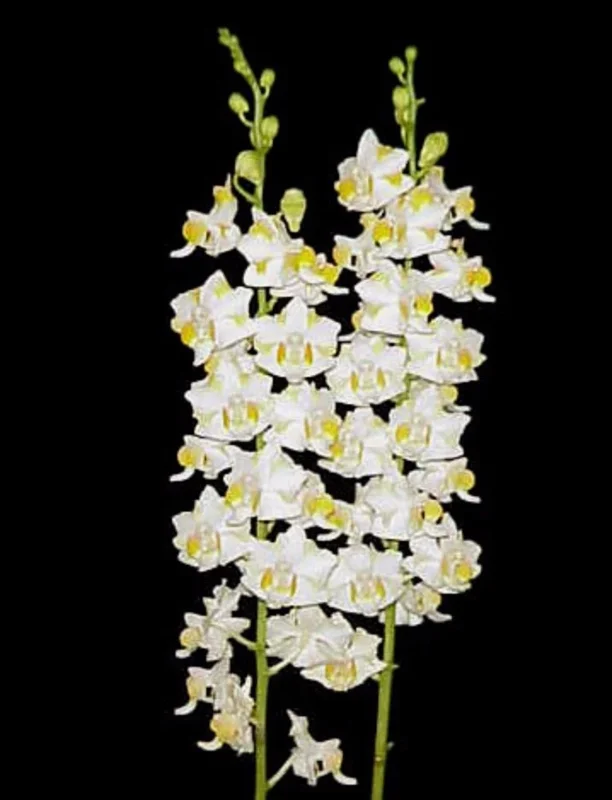
Houseplants
Phalaenopsis pulcherrima ‘Mauna Kea Snow’ Orchid Live Plant – White Flowers, Potted 2.5 in
Sold 50 products
$49.88
Sold 50 products
$49.88RELATED posts
Awapuhi Wild Ginger Plant: Zones, Care, and Propagation
Learn which USDA zones suit awapuhi wild ginger, plus sunlight, water, planting, propagation, pests, size, [...]
Awapuhi Shampoo Ginger – Care, Growing Zones, and Differences
Learn how to grow awapuhi (shampoo) ginger, its USDA zones, watering schedule, propagation tips, and [...]
Awapuhi Shampoo Plant Buying Guide – Choose the Right Zingiber zerumbet
META: Learn which awapuhi (shampoo ginger) plant or rhizome pack gives the best natural shampoo, [...]
Awapuhi Plant for Sale: Complete Buying Guide
Find the right awapuhi (shampoo ginger) plant, size, price, soil mix, and online source. Practical [...]
Shampoo Ginger Plant for Sale – Buying Guide & Tips
Find the right shampoo ginger plant, size, price, and care tips. Quick guide for U.S. [...]
Shampoo Ginger Plant (Awapuhi) Care Guide
Learn how to grow, care for, and use shampoo ginger (Zingiber zerumbet), the tropical awapuhi [...]
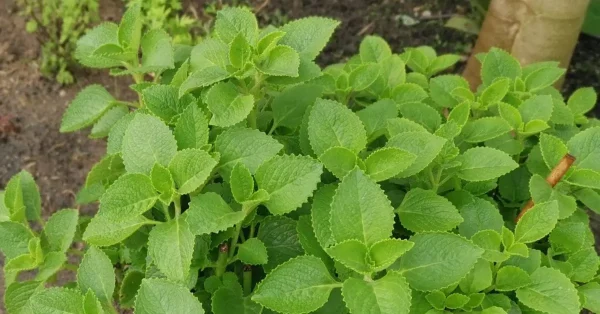
How to Grow Cuban Oregano Plants: A Complete Care Guide
If you’ve ever wanted a plant that combines the culinary punch of traditional oregano with [...]
Aug

How to Grow Habanero Pepper Plants: A Step-by-Step Guide
Habanero pepper plants are prized for their vibrant colors, intense heat, and exceptional flavor, making [...]
Aug
Reviews
There are no reviews yet.