
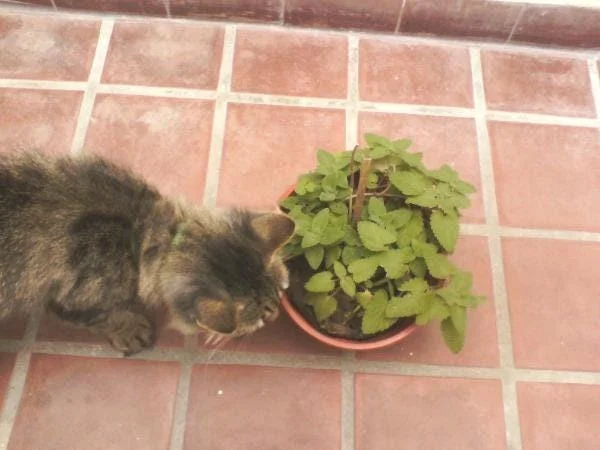
Catnip Seeds – Nepeta cataria – 50 Seed Pack – Attracts Pollinators
Original price was: $23.00.$15.80Current price is: $15.80.
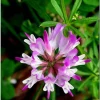
Cultivate your own supply of catnip seeds, also known as catmint seeds or Nepeta cataria, with this convenient 50 seed pack. Ideal for gardens, these seeds grow into robust plants that attract beneficial pollinators and provide a natural stimulant for felines. Enjoy fresh catnip right from your yard.
Shipping and Return policies:
We stand behind our plants with our Alive & Thrive Guarantee. If you experience any issues within the first 30 days, please email us, and our team will be happy to help. When needed, we’ll send you a one-time replacement free of charge to make sure your garden keeps growing strong.

Reasonable Price
We offer reasonable price

Support 24/7
Contact us 24 hrs a day
100% Money Back
You’ve 30 days to Return
Payment Secure
100% secure payment
Overview
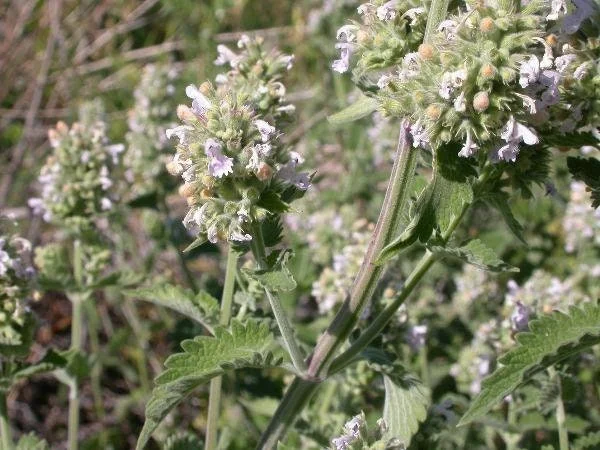
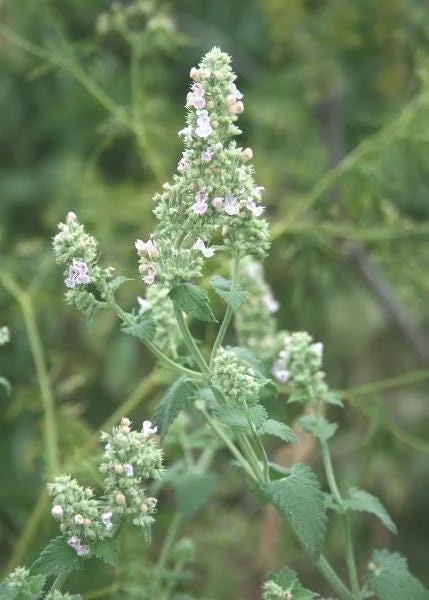
Discover the joy of growing your own catnip seeds with this high-quality pack of Nepeta cataria. Commonly known as catnip, catmint, or catswort, this delightful perennial herb is a must-have for any garden, especially for those who cherish wildlife and have feline companions. These seeds will allow you to cultivate a vigorous plant, typically reaching up to 3 feet in height and 2 feet in width, creating a lush green addition to your outdoor space. Native to Europe and parts of Asia, catnip has been cherished for centuries for its aromatic foliage and its unique effect on cats. It’s an excellent choice for gardeners looking for an easy-to-grow, rewarding plant.
Starting your own catmint seeds is a simple and fulfilling project. The resulting plants are known for their resilience and adaptability, thriving in a variety of conditions. Beyond its appeal to cats, this plant serves as a beautiful ornamental, boasting attractive foliage and delicate flowers that bloom from July to November. Whether you’re an experienced gardener or just starting, these nepeta cataria seeds offer an accessible entry into growing your own herbs, providing both aesthetic and practical benefits.
Key Benefits
Growing catnip seeds offers a multitude of advantages for both your garden and your household. This versatile herb provides numerous benefits that make it a valuable addition to any landscape.
- Attracts Pollinators: The flowers of the catnip plant are a magnet for bees and other beneficial insects, making it an excellent choice for supporting local ecosystems and improving garden biodiversity.
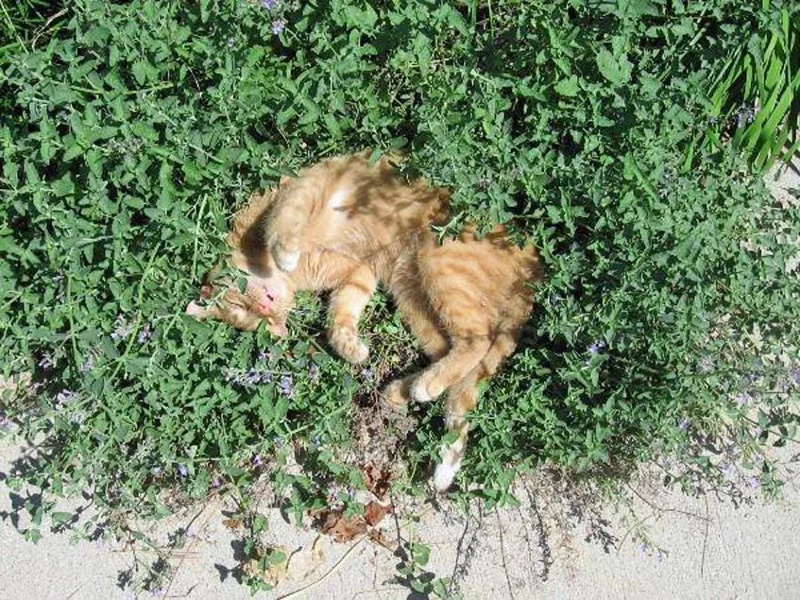
- Feline Enrichment: Provide a natural and stimulating treat for your cats. The plant’s leaves contain nepetalactone, which can induce playful or relaxed behaviors in felines, offering a safe and enjoyable distraction.
- Easy to Grow: These catmint seeds are known for their high germination rate and robust growth, making them suitable for gardeners of all skill levels. They require minimal fuss once established.
- Drought Tolerant: Once mature, Nepeta cataria is quite resilient to dry conditions, reducing the need for frequent watering and making it a sustainable choice for your garden.
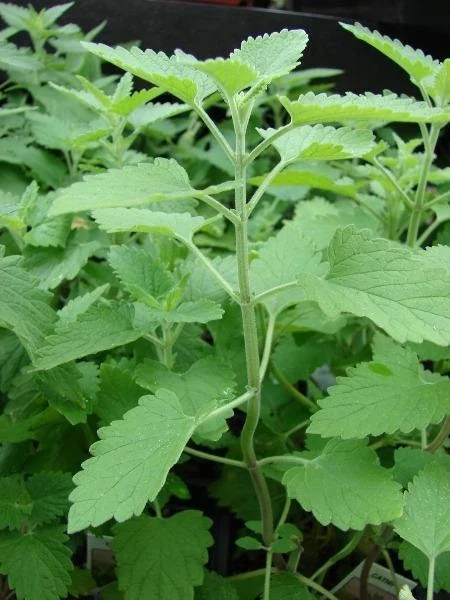
- Aromatic Foliage: The plant emits a pleasant, minty aroma, which can be enjoyed by humans and also acts as a natural deterrent for some garden pests.
- Long Blooming Season: Enjoy beautiful, delicate flowers from summer through fall, adding extended color and interest to your garden when many other plants have finished blooming.
- Versatile Use: Beyond its appeal to cats and pollinators, catnip can also be used in herbal teas and traditional remedies, adding to its multifaceted utility.
Plant Care & Growing Tips
Cultivating catnip seeds is straightforward, making it an ideal plant for both novice and experienced gardeners. To ensure successful growth, understanding its basic care requirements is key. This hardy perennial thrives in USDA Zones 3-7, indicating its tolerance to a wide range of climates. When it comes to light, catnip prefers full sun exposure. It cannot grow in the shade, so choose a bright spot in your garden that receives ample direct sunlight for at least 6 hours a day. This will encourage vigorous growth and abundant flowering.
Regarding soil and watering, catnip is not overly particular but prefers dry to moist, well-draining soil. Avoid waterlogged conditions, as this can lead to root rot. Once established, the plant is relatively drought-tolerant, so allow the soil to dry out slightly between waterings. Fertilization is generally not heavily required; a light application of a balanced fertilizer in spring can boost growth but is often unnecessary in nutrient-rich soil. For germination, sow nepeta cataria seeds on top of a moist medium and lightly cover them. Keep the medium consistently moist in a bright location, maintaining temperatures around 65-70°F. Germination typically occurs within 21-30 days. Protect young seedlings from excessive moisture and ensure good air circulation to prevent fungal issues. Regular pruning can help maintain shape and encourage bushier growth, preventing the plant from becoming leggy.
Size & Details
These catnip seeds, from the species Nepeta cataria, will grow into a mature plant that typically reaches an impressive size of up to 3 feet tall by 2 feet wide. This robust perennial establishes quickly, developing a strong root system. The seeds are packaged to provide a generous quantity, ensuring you have ample opportunity to cultivate several plants or re-sow throughout the season. Expect the plant to flower from July to November, with seeds ripening from September to October. This product consists of a pack of 50 seed pack, offering a great start to growing your own supply of this versatile herb. The plant form is bushy and spreading, making it an excellent ground cover or border plant, and it ships as viable seeds ready for planting.
Frequently Asked Questions
- Q: How big does the catnip plant get? A: A: The catnip plant, grown from these seeds, typically reaches a mature size of about 3 feet tall and 2 feet wide, forming a bushy and spreading perennial.
- Q: Is this an indoor or outdoor plant? A: While it can be grown in containers indoors with sufficient light, catnip thrives best as an outdoor plant in a sunny garden, especially when grown from catnip seeds.
- Q: How much sunlight does it need? A: Catnip requires full sun exposure, meaning at least 6 hours of direct sunlight per day, to grow optimally and produce healthy foliage and flowers.
- Q: Is this plant easy to care for? A: Yes, catnip is considered very easy to care for, making it an excellent choice for beginner gardeners. It’s quite resilient once established.
- Q: What condition will the seeds arrive in? A: The product includes catnip seeds that are carefully packaged to ensure they arrive in viable condition, ready for planting in your garden.
- Q: Can I use catnip in cooking? A: While primarily known for its effects on cats and its use in herbal teas, catnip leaves can be used sparingly in some culinary applications, though it’s less common than other mints.
- Q: How long until catnip blooms? A: Once established, catnip typically begins to flower from July and continues through November, offering a long season of attractive blooms.
- Q: When is the best time to plant these catnip seeds? A: The best time to sow catnip seeds is in spring after the last frost, or you can start them indoors several weeks before transplanting outside.
- Q: Will it survive winter in my zone? A: Catnip is hardy in USDA Zones 3-7, meaning it is perennial in these regions and will typically survive winter, returning each spring.
- Q: Is catnip known for attracting wildlife? A: Yes, the flowers of the catnip plant are well-known for attracting beneficial wildlife, especially bees and other pollinators, to your garden.
Be the first to review “Catnip Seeds – Nepeta cataria – 50 Seed Pack – Attracts Pollinators”
You must be logged in to post a review.
People also Viewed
Sold 50 products
Original price was: $109.95.$79.98Current price is: $79.98.
Sold 50 products
Original price was: $25.00.$17.50Current price is: $17.50.
Flower Seeds
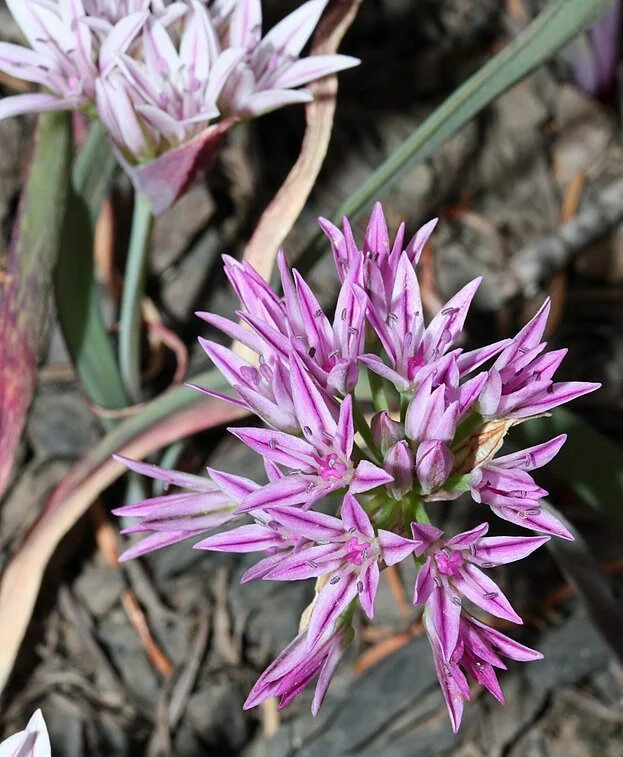
Olympic Onion Seeds – Allium crenulatum Flower Seeds – 10 Seed Pack – Outdoor Native Plant
Sold 50 products
Original price was: $25.00.$17.50Current price is: $17.50.
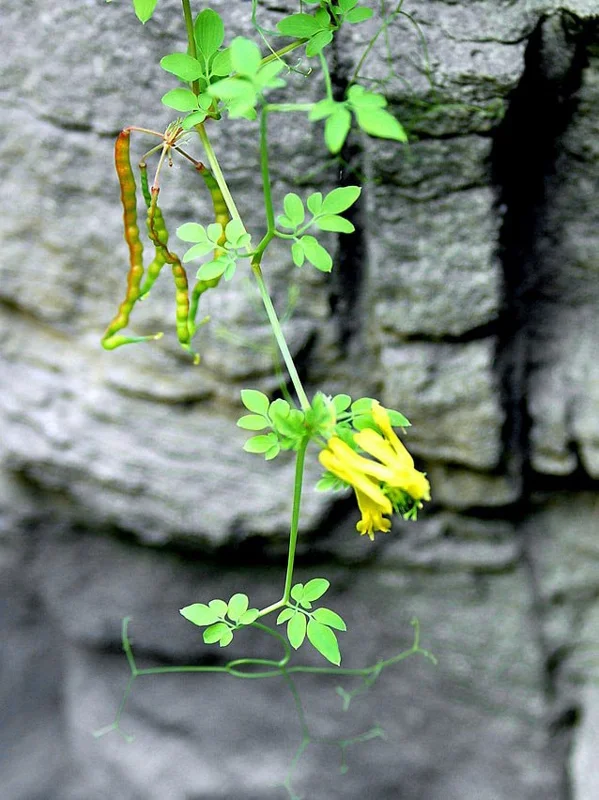
Sold 50 products
Original price was: $25.00.$17.50Current price is: $17.50.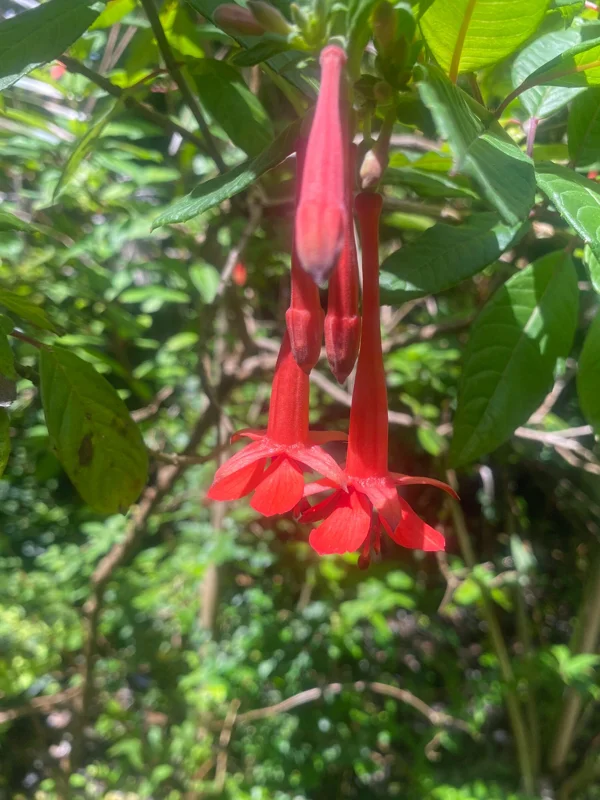
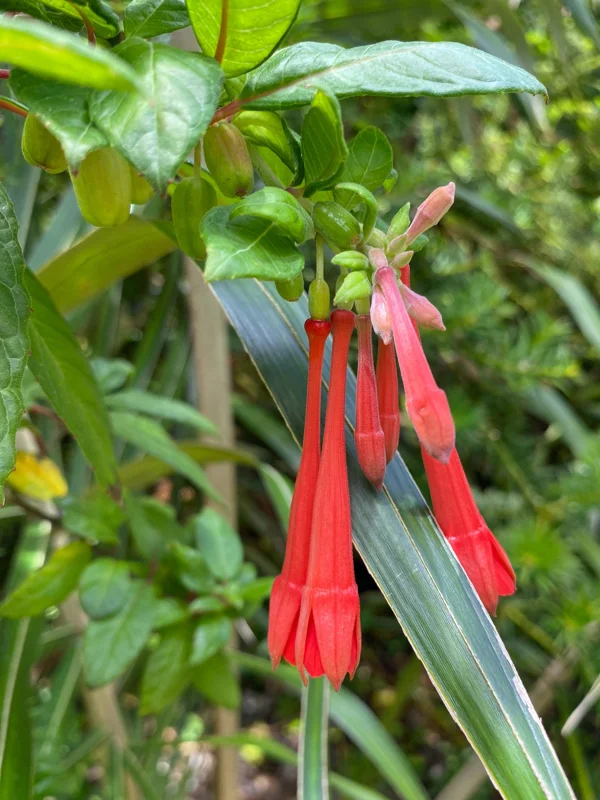
Flower Seeds
Fuchsia vulcanica Seeds – 20 Pack – Vibrant Orange Coral Flowers for Garden & Containers
Sold 50 products
Original price was: $25.00.$17.50Current price is: $17.50.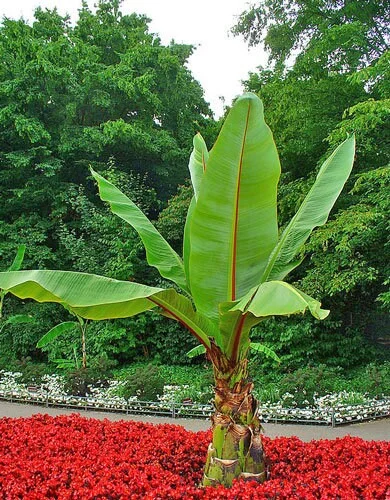
Sold 50 products
Original price was: $116.98.$95.68Current price is: $95.68.
Sold 50 products
Original price was: $21.00.$14.10Current price is: $14.10.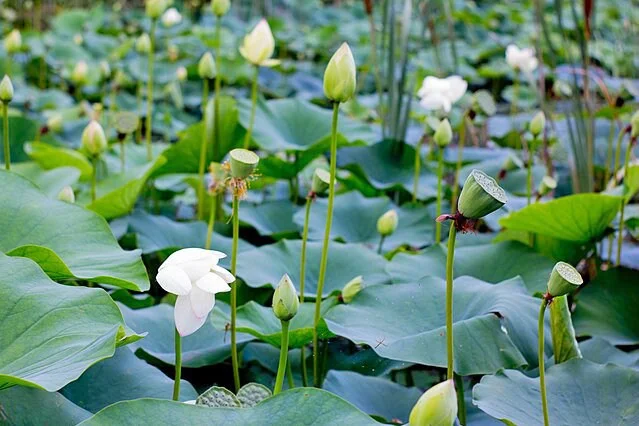
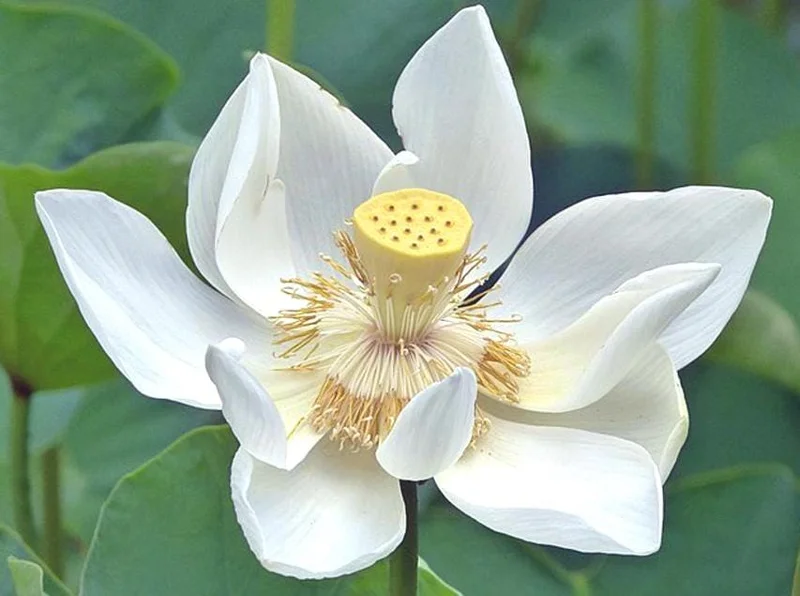
Aquatic Plant Seeds
White Lotus Seeds – Nelumbo Nucifera Aquatic Pond Plant – 5 Seeds for Water Garden
Sold 50 products
Original price was: $29.00.$20.90Current price is: $20.90.RELATED posts
Awapuhi Wild Ginger Plant: Zones, Care, and Propagation
Learn which USDA zones suit awapuhi wild ginger, plus sunlight, water, planting, propagation, pests, size, [...]
Awapuhi Shampoo Ginger – Care, Growing Zones, and Differences
Learn how to grow awapuhi (shampoo) ginger, its USDA zones, watering schedule, propagation tips, and [...]
Awapuhi Shampoo Plant Buying Guide – Choose the Right Zingiber zerumbet
META: Learn which awapuhi (shampoo ginger) plant or rhizome pack gives the best natural shampoo, [...]
Awapuhi Plant for Sale: Complete Buying Guide
Find the right awapuhi (shampoo ginger) plant, size, price, soil mix, and online source. Practical [...]
Shampoo Ginger Plant for Sale – Buying Guide & Tips
Find the right shampoo ginger plant, size, price, and care tips. Quick guide for U.S. [...]
Shampoo Ginger Plant (Awapuhi) Care Guide
Learn how to grow, care for, and use shampoo ginger (Zingiber zerumbet), the tropical awapuhi [...]
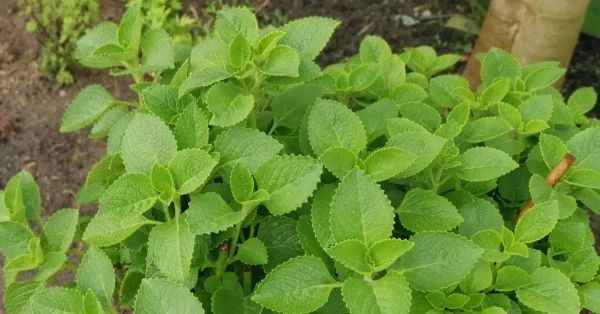
How to Grow Cuban Oregano Plants: A Complete Care Guide
If you’ve ever wanted a plant that combines the culinary punch of traditional oregano with [...]
Aug
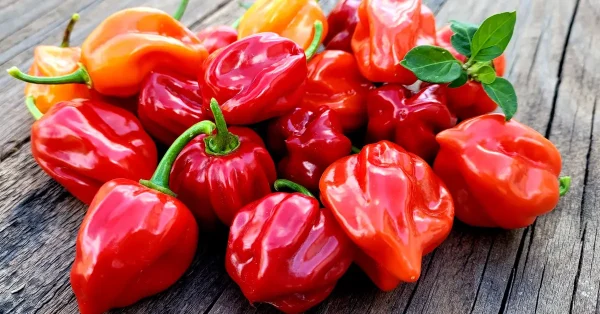
How to Grow Habanero Pepper Plants: A Step-by-Step Guide
Habanero pepper plants are prized for their vibrant colors, intense heat, and exceptional flavor, making [...]
Aug

Reviews
There are no reviews yet.