
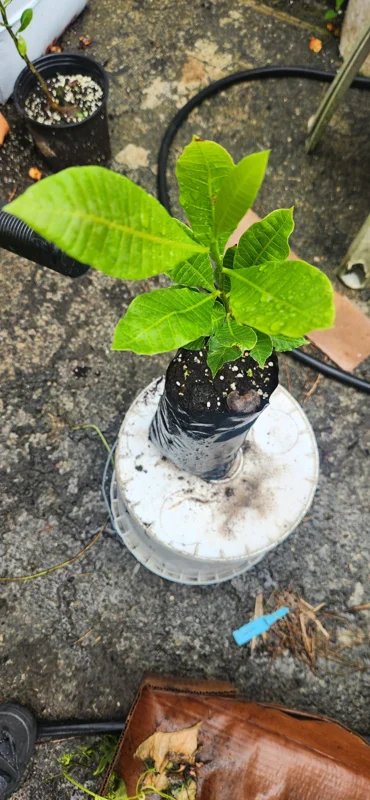
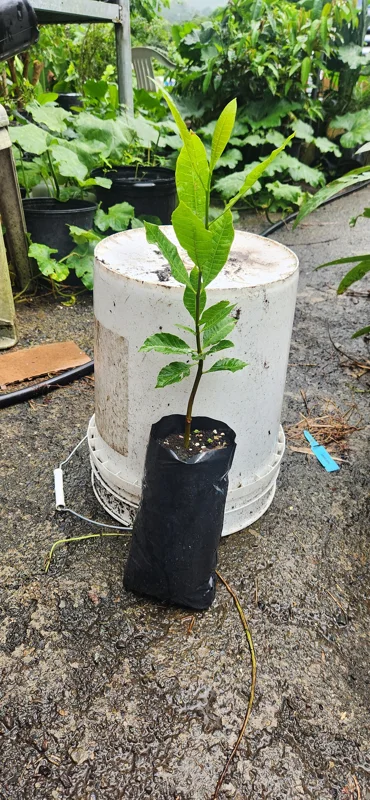
Cashew Tree Live Plant – Marañón Fruit Sapling – Anacardium occidentale
$115.00
Cultivate your own exotic bounty with a cashew tree live plant. This versatile Anacardium occidentale care is known for its delicious nuts and refreshing cashew apples. Perfect for warm climates, it’s a fast-growing, low-maintenance addition to your garden or orchard.
Shipping and Return policies:
We stand behind our plants with our Alive & Thrive Guarantee. If you experience any issues within the first 30 days, please email us, and our team will be happy to help. When needed, we’ll send you a one-time replacement free of charge to make sure your garden keeps growing strong.

Reasonable Price
We offer reasonable price

Support 24/7
Contact us 24 hrs a day
100% Money Back
You’ve 30 days to Return
Payment Secure
100% secure payment
Overview
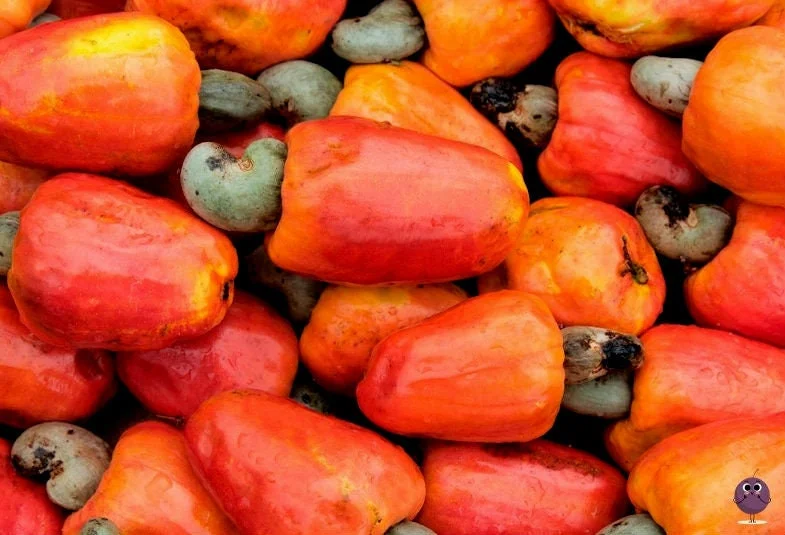
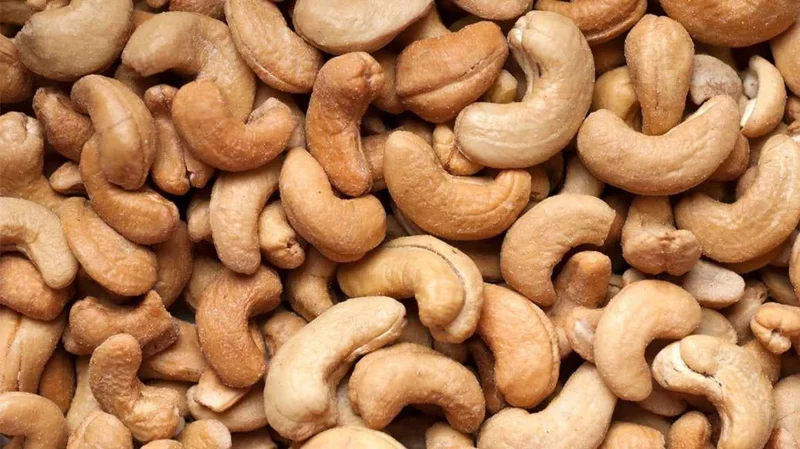
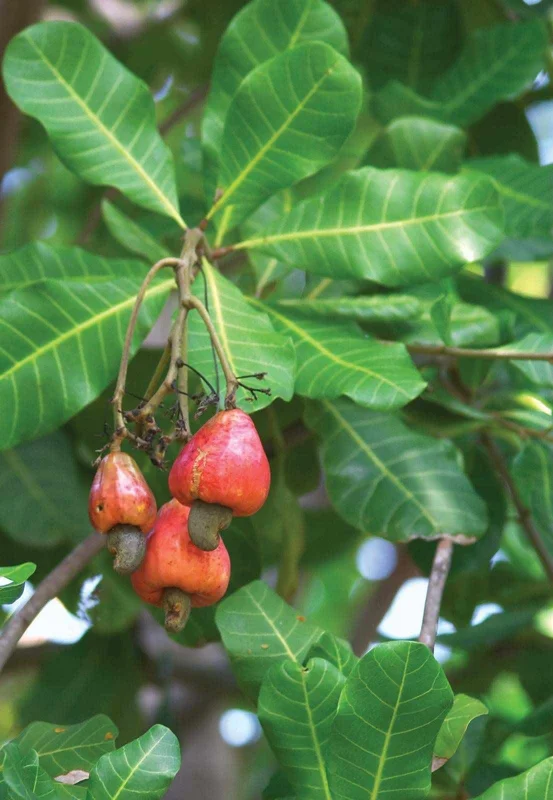
Embark on an exciting horticultural journey by adding a cashew tree live plant to your garden. This unique tropical specimen, scientifically known as Anacardium occidentale, is celebrated not only for its distinctive kidney-shaped nuts but also for the sweet, juicy fruit it produces, often called the cashew apple, marañón, or pajuil. Originating from northeastern Brazil, the cashew tree live plant thrives in warm, subtropical, and tropical environments, making it a fantastic choice for gardeners in suitable climates looking to grow their own exotic produce. With its attractive evergreen foliage, it offers both ornamental beauty and a bountiful harvest, enriching your landscape with a touch of the tropics.
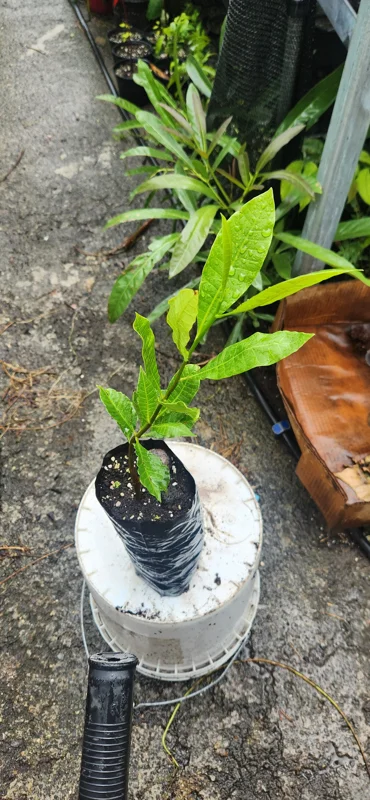
Our cashew tree live plant saplings are carefully nurtured to ensure they arrive healthy and ready to establish in your garden. Whether you’re an experienced grower or new to tropical fruit trees, the prospect of harvesting your own fresh cashews and enjoying the unique flavor of the cashew apple is incredibly rewarding. This robust tree adapts well to various soil conditions once established and is surprisingly resilient, promising years of enjoyment and delicious yields. Discover the joy of cultivating this exceptional plant and bring a piece of the tropics home.
Key Benefits
Growing a cashew tree live plant offers a multitude of advantages, from its unique produce to its aesthetic appeal. Here are some compelling reasons to choose this remarkable tree:
- Homegrown Cashew Nuts: Enjoy the unparalleled taste of fresh, homegrown cashew nuts, free from processing and preservatives. Harvesting your own cashews is a unique and satisfying experience that connects you directly to your food source.
- Delicious Cashew Apples: Beyond the nuts, the cashew apple is a sweet and tangy fruit that can be eaten fresh, juiced, or used in preserves. This bonus fruit provides an additional culinary delight from your cashew tree live plant.
- Fast-Growing & Productive: The Anacardium occidentale care is known for its relatively fast growth rate in ideal conditions, allowing you to enjoy harvests sooner than many other fruit trees. It’s a highly productive tree that yields substantial crops once mature.
- Low Maintenance Once Established: After its initial establishment period, the cashew tree is remarkably drought-tolerant and requires minimal care, making it an excellent choice for gardeners seeking a resilient and self-sufficient fruit tree.
- Attractive Evergreen Foliage: With its lush, glossy green leaves, the cashew tree provides beautiful evergreen foliage, adding a tropical aesthetic to your garden year-round. It’s a striking ornamental plant even when not in fruit.
- Versatile Culinary Uses: Both the nuts and the fruit from your marañón fruit tree can be used in a wide array of dishes, from snacks and desserts to savory meals and beverages, offering endless culinary possibilities.
- Supports Biodiversity: Planting a fruit tree like the cashew can attract local wildlife, such as birds and beneficial insects, contributing to the biodiversity of your garden ecosystem.
Plant Care & Growing Tips
Successful Anacardium occidentale care begins with understanding its specific environmental needs. The cashew tree live plant thrives in warm, tropical, or subtropical climates, typically USDA Hardiness Zones 9-11. It requires full sun exposure, meaning at least 6-8 hours of direct sunlight per day to ensure optimal growth and fruit production. When planting, choose a location that receives ample sunlight and is protected from strong winds, which can damage young trees. For cooler climates, growing in a large container that can be moved indoors during colder months is an option, though fruit production may be reduced.
The cashew tree prefers well-draining soil, ideally sandy loams to lateritic soils with a pH between 5.0 and 6.5. Avoid heavy clay soils that retain too much moisture, as this can lead to root rot. While young trees require regular watering to establish a strong root system, established trees are quite drought-tolerant. Water deeply when the top few inches of soil feel dry, but allow the soil to dry out between waterings. Fertilize your cashew tree live plant with a balanced slow-release fertilizer designed for fruit trees, especially during its growing season in spring and summer. Common problems can include anthracnose or powdery mildew, which can be managed with appropriate fungicides and good air circulation. Keep an eye out for pests like scale insects or mealybugs and treat them promptly with horticultural oil or insecticidal soap.
Pruning is generally minimal for a grow cashew tree, focusing on removing dead, diseased, or crossing branches to maintain good air circulation and shape. Training the tree to have a strong central leader or an open vase shape can improve sunlight penetration and ease of harvest. Patience is key when you grow cashew tree from a sapling; while fast-growing, it may take a few years to start producing significant yields. Proper care in its early years will ensure a healthy and productive tree for decades to come, allowing you to enjoy the unique bounty of the marañón fruit tree.
Size & Details
Our cashew tree live plant saplings are typically shipped as young plants, ready for transplanting into your garden or a larger container. The exact size may vary based on availability and growth stage, but they are generally well-rooted and robust. In optimal conditions, a mature cashew tree can reach heights of 20 to 40 feet (6-12 meters) with a spread of similar dimensions, forming a broad, rounded canopy. The growth rate is considered fast, especially in warm, humid climates, allowing the tree to establish quickly.
These saplings are provided in nursery pots, ensuring the root system is protected during transit. Upon arrival, we recommend transplanting promptly to minimize stress. While the tree will begin producing flowers and small fruits within 3-5 years, significant nut and fruit production typically begins after 5-7 years. The pajuil plant for sale is a long-lived tree, capable of producing for 30 years or more under good management. Plan for ample space when planting to accommodate its mature size, or consider regular pruning for size management in smaller gardens.
Frequently Asked Questions
- Q: How big does this plant get? A: A mature cashew tree live plant can reach heights of 20 to 40 feet (6-12 meters) with a similar spread, forming a large, rounded canopy. Its ultimate size depends on growing conditions and pruning practices.
- Q: Is this an indoor or outdoor plant? A: The cashew tree live plant is primarily an outdoor plant, thriving in tropical and subtropical climates (USDA Zones 9-11). In cooler regions, it can be grown in a large container and brought indoors during winter, though fruit production may be limited.
- Q: How much sunlight does it need? A: This tree requires full sun exposure, meaning at least 6-8 hours of direct sunlight per day, for optimal growth and fruit production. Adequate sunlight is crucial for a healthy marañón fruit tree.
- Q: Is this plant easy to care for? A: Once established, the Anacardium occidentale care is considered relatively low-maintenance. It is drought-tolerant and resilient, making it a good choice for gardeners looking for an exotic fruit tree that doesn’t demand constant attention.
- Q: What condition will it arrive in? A: Your cashew tree live plant sapling will arrive in a nursery pot, with its root system intact and protected, ready for transplanting. We take great care to ensure healthy plants are shipped.
- Q: How long until it produces fruit? A: A cashew tree typically begins to flower and produce small fruits within 3-5 years from planting. Significant nut and cashew apple production usually starts after 5-7 years, with yields increasing as the tree matures.
- Q: Can I use the fruit and nuts immediately? A: The cashew apple can be eaten fresh, juiced, or processed into jams. Cashew nuts require careful processing to remove the toxic outer shell before they are safe for consumption; they cannot be eaten directly from the tree.
- Q: What’s the best soil for growing a cashew tree? A: Cashew trees prefer well-draining soil, such as sandy loams, and can tolerate a range of soil types as long as they are not waterlogged. Good drainage is key for preventing root issues.
- Q: Is the pajuil plant for sale drought-tolerant? A: Yes, once established, the pajuil plant for sale is known for its excellent drought tolerance, making it suitable for regions with less consistent rainfall. Young plants, however, need regular watering.
- Q: Will it survive winter in my zone? A: Cashew trees are sensitive to frost and will not survive prolonged freezing temperatures. They are best suited for USDA Hardiness Zones 9-11. If you are in a colder zone, consider growing it in a greenhouse or bringing it indoors during winter.
Be the first to review “Cashew Tree Live Plant – Marañón Fruit Sapling – Anacardium occidentale”
You must be logged in to post a review.
People also Viewed
Sold 50 products
Original price was: $37.48.$23.98Current price is: $23.98.
Sold 50 products
$32.38
Sold 50 products
$27.38
Sold 50 products
$32.38
Sold 50 products
$19.88
Sold 50 products
$62.38
Sold 50 products
$24.88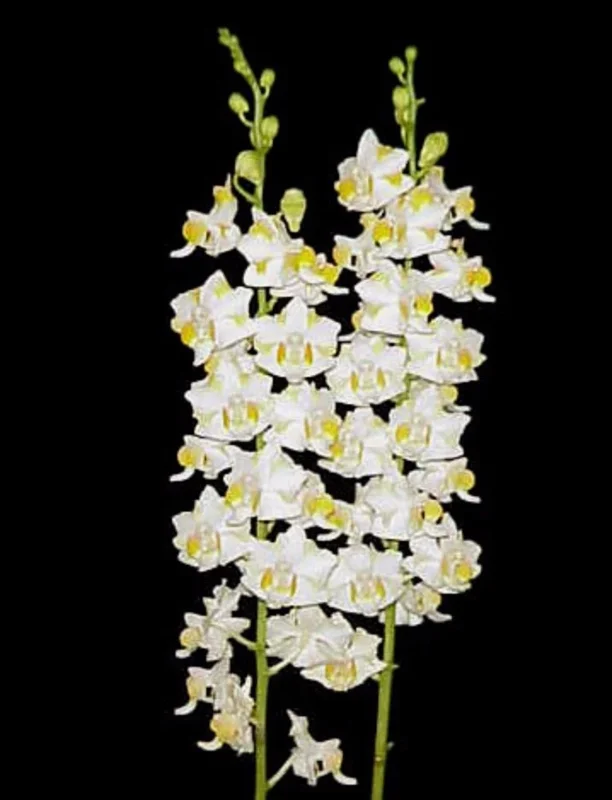
Houseplants
Phalaenopsis pulcherrima ‘Mauna Kea Snow’ Orchid Live Plant – White Flowers, Potted 2.5 in
Sold 50 products
$49.88RELATED posts
Awapuhi Wild Ginger Plant: Zones, Care, and Propagation
Learn which USDA zones suit awapuhi wild ginger, plus sunlight, water, planting, propagation, pests, size, [...]
Awapuhi Shampoo Ginger – Care, Growing Zones, and Differences
Learn how to grow awapuhi (shampoo) ginger, its USDA zones, watering schedule, propagation tips, and [...]
Awapuhi Shampoo Plant Buying Guide – Choose the Right Zingiber zerumbet
META: Learn which awapuhi (shampoo ginger) plant or rhizome pack gives the best natural shampoo, [...]
Awapuhi Plant for Sale: Complete Buying Guide
Find the right awapuhi (shampoo ginger) plant, size, price, soil mix, and online source. Practical [...]
Shampoo Ginger Plant for Sale – Buying Guide & Tips
Find the right shampoo ginger plant, size, price, and care tips. Quick guide for U.S. [...]
Shampoo Ginger Plant (Awapuhi) Care Guide
Learn how to grow, care for, and use shampoo ginger (Zingiber zerumbet), the tropical awapuhi [...]
How to Grow Cuban Oregano Plants: A Complete Care Guide
If you’ve ever wanted a plant that combines the culinary punch of traditional oregano with [...]
Aug
How to Grow Habanero Pepper Plants: A Step-by-Step Guide
Habanero pepper plants are prized for their vibrant colors, intense heat, and exceptional flavor, making [...]
Aug

Reviews
There are no reviews yet.