
Cardinal Flower Seeds – Lobelia cardinalis – 150 Seeds – Vibrant Red Perennial
Original price was: $25.00.$17.50Current price is: $17.50.
Cultivate stunning Cardinal Flower seeds (Lobelia cardinalis) and enjoy their brilliant red spires. This native North American perennial is a magnet for hummingbirds and butterflies, bringing dynamic life to your garden. Perfect for moist areas, partial shade to full sun, and hardy in zones 3-9.
Shipping and Return policies:
We stand behind our plants with our Alive & Thrive Guarantee. If you experience any issues within the first 30 days, please email us, and our team will be happy to help. When needed, we’ll send you a one-time replacement free of charge to make sure your garden keeps growing strong.

Reasonable Price
We offer reasonable price

Support 24/7
Contact us 24 hrs a day
100% Money Back
You’ve 30 days to Return
Payment Secure
100% secure payment
Overview
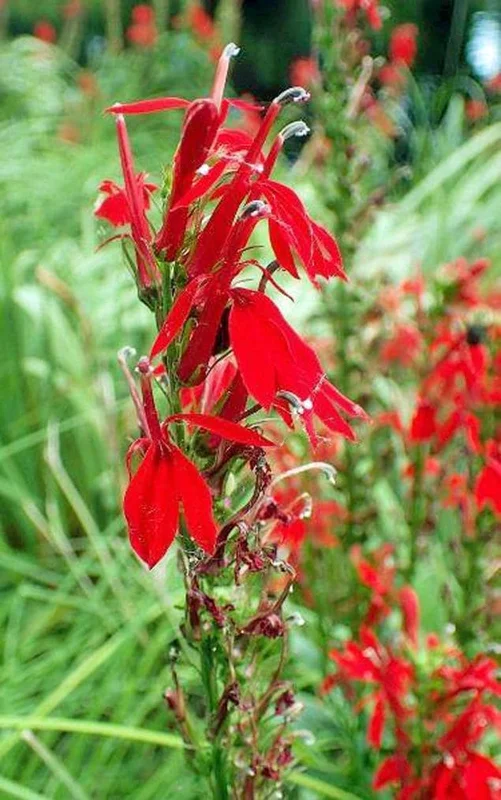
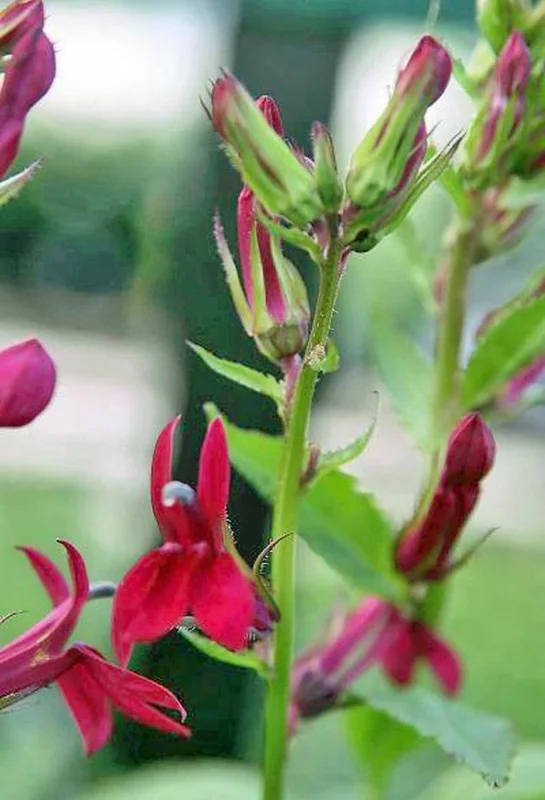
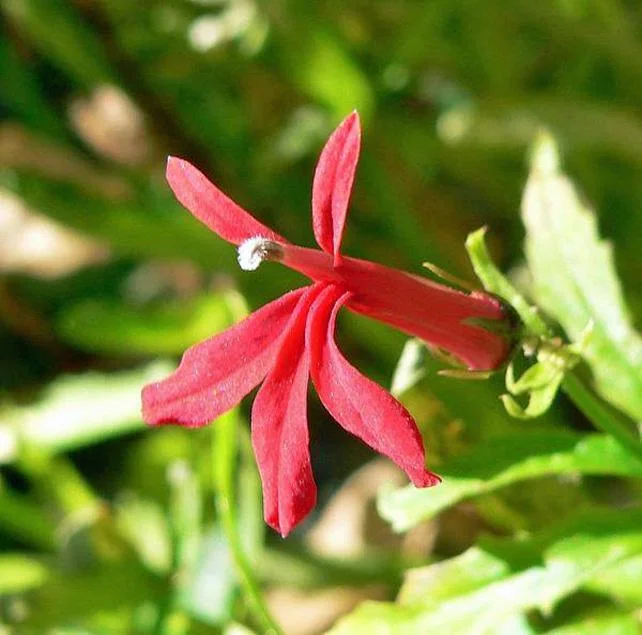
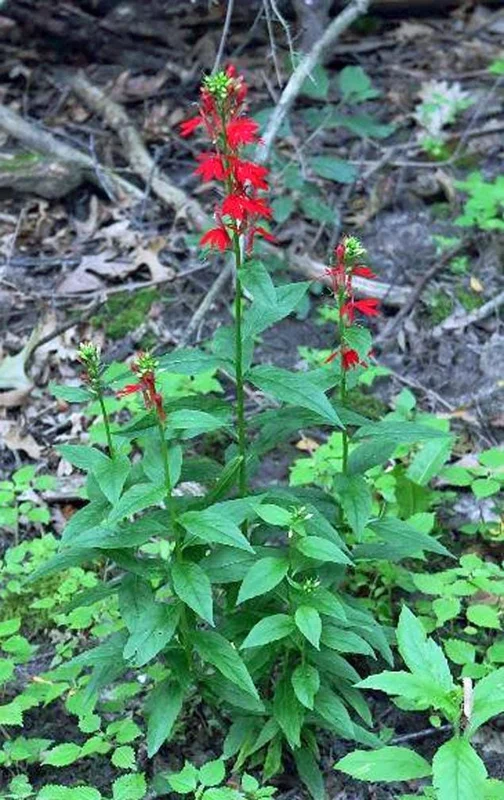
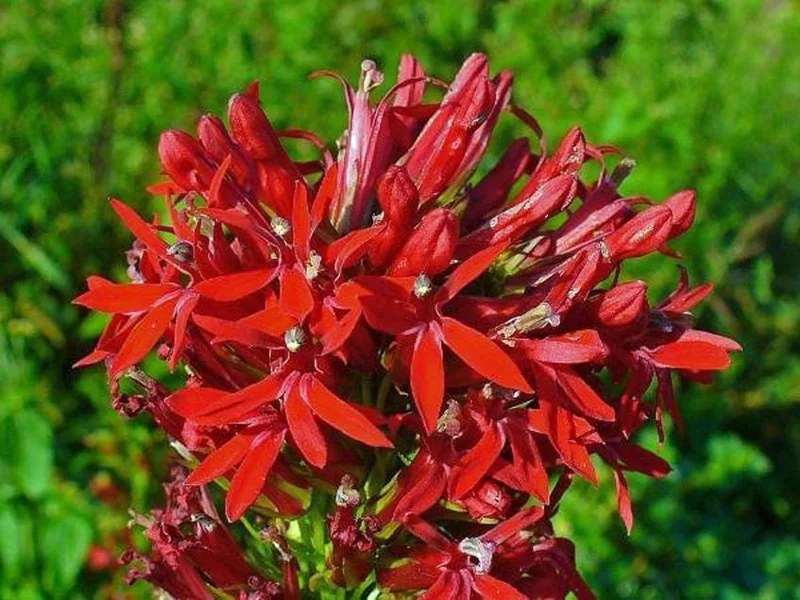
Discover the captivating beauty of Cardinal Flower seeds, scientifically known as Lobelia cardinalis. This remarkable perennial, also commonly called Queen Victoria, is celebrated for its intensely vibrant red flowers that stand tall on striking spires. A native to North America, from Quebec down to Florida and across to Texas, the Cardinal Flower seeds thrive in meadows, swamps, and damp shorelines, making them an excellent choice for naturalized areas, rain gardens, or borders where consistent moisture is available. Growing from these seeds allows you to cultivate a plant that not only adds a splash of dramatic color to your landscape but also serves as a crucial nectar source for hummingbirds and other pollinators, making your garden a haven for wildlife.
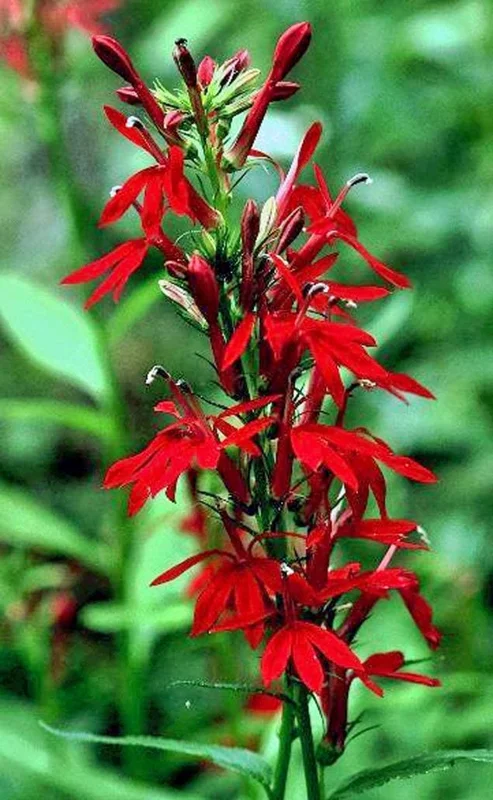
These Lobelia cardinalis seeds offer an opportunity to grow a robust plant that can reach up to 3 feet in height and 1.5 feet in width, creating a significant visual impact. Its rich green foliage provides a beautiful contrast to the fiery red blooms, ensuring a stunning display throughout its flowering season. Embracing the growth of Cardinal Flower seeds means inviting a piece of natural American heritage into your outdoor space, fostering biodiversity, and enjoying the simple pleasure of watching nature unfold.
Key Benefits
Planting Cardinal Flower seeds in your garden offers a multitude of advantages, enhancing both the aesthetic appeal and ecological value of your outdoor space. These benefits extend beyond just their visual charm, making them a truly rewarding addition to any landscape.
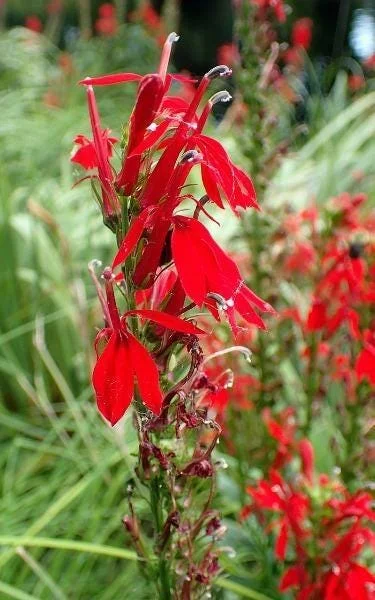
- Attracts Pollinators: The brilliant red tubular flowers of the Cardinal Flower are irresistible to hummingbirds, acting as a powerful magnet. They also attract butterflies and other beneficial insects, promoting a healthy garden ecosystem.
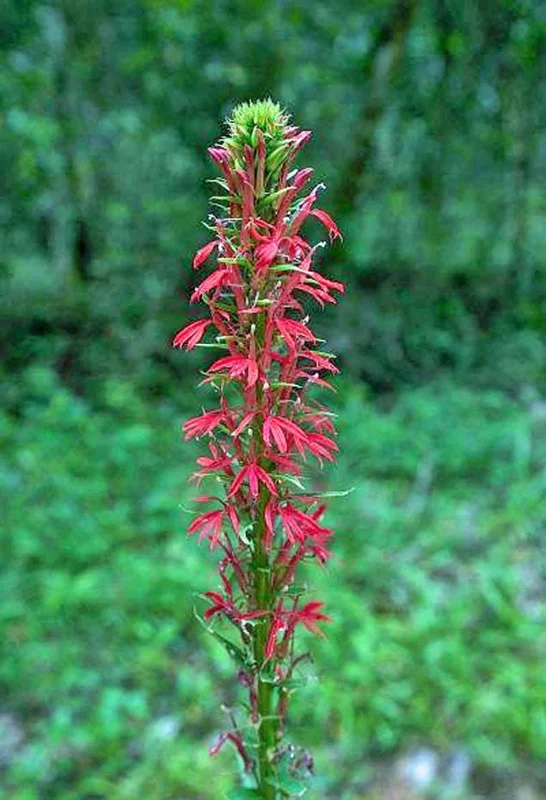
- Striking Visual Impact: With their tall, upright spikes of intensely red flowers, Lobelia cardinalis seeds grow into plants that provide a dramatic focal point in any garden design. Their vibrant color stands out against green foliage.
- Native and Adaptable: As a native North American perennial, the Cardinal Flower is well-adapted to local climates and soils, making it relatively easy to establish and maintain once germinated from Cardinal Flower seeds. It thrives in various conditions within its hardiness zones.
- Suitable for Moist Areas: This plant naturally prefers moist to wet soil conditions, making it an excellent choice for pond edges, bog gardens, rain gardens, or areas of your yard that tend to stay damp.
- Low Maintenance Once Established: After the initial care for germinating the Cardinal Flower seeds and establishing the seedlings, these plants are relatively low-maintenance, requiring consistent moisture and occasional deadheading for prolonged blooming.
- Deer Resistant: While not entirely deer-proof, Cardinal Flower is generally considered to be deer resistant, making it a good option for gardens in areas where deer are a concern.
- Long Blooming Period: Enjoy a prolonged display of brilliant red flowers from mid-summer through early fall, providing continuous color when many other plants begin to fade.
Plant Care & Growing Tips
Caring for your Cardinal Flower, especially when starting from Cardinal Flower seeds, involves understanding its specific needs to ensure robust growth and prolific blooms. This perennial thrives in conditions that mimic its natural habitat. For optimal results, provide a location with full sun to part shade. While it can tolerate full sun, especially in cooler climates, some afternoon shade is beneficial in hotter regions to prevent leaf scorching and help maintain soil moisture. Ensure your planting site has good wind protection, as the tall flower stalks can be susceptible to damage from strong gusts.
The most crucial aspect of how to grow Cardinal Flower successfully is consistent moisture. This plant requires a well-drained, rich soil that is kept consistently moist, but not waterlogged. Amend heavy soils with organic matter to improve drainage while increasing moisture retention. During dry spells, regular watering is essential. For fertilizing, a balanced slow-release granular fertilizer in early spring or a liquid feed every few weeks during the growing season can promote vigorous growth and abundant flowering. Lobelia cardinalis seeds are hardy in USDA Zones 3-9, indicating their adaptability to a wide range of climates. Protection from harsh winter winds and mulching in colder zones can help ensure their return year after year. Watch out for common pests like slugs and snails, especially on young plants; organic baits or hand-picking can help manage them.
Size & Details
The Cardinal Flower, grown from these Cardinal Flower seeds, typically develops into an upright perennial plant reaching an impressive height of up to 3 feet (approximately 90 cm) and spreading about 1.5 feet (45 cm) wide. Its growth habit is clumping, forming a neat mound of foliage from which the striking flower spikes emerge. These particular Cardinal Flower seeds are provided in a pack containing 150 seeds, offering ample opportunity to start a vibrant patch of these beautiful plants. While germination can be slow and may take more than a year, patience is rewarded with magnificent blooms.
The plants will typically begin to bloom in mid-summer and continue through early fall, providing a long season of intense red color. They are best shipped as dry seeds, ready for stratification and planting. Expect the plant to reach mature flowering size within 1-2 years after successful germination, depending on growing conditions. These details are vital for anyone planning to cultivate these stunning plants from Lobelia cardinalis seeds.
Frequently Asked Questions
- Q: How big does this plant get? A: The Cardinal Flower typically grows to a height of about 3 feet (90 cm) and spreads approximately 1.5 feet (45 cm) wide, forming an attractive upright clump.
- Q: Is this an indoor or outdoor plant? A: The Cardinal Flower is primarily an outdoor perennial plant, thriving in garden beds, borders, and moist areas. It is not generally grown as an indoor houseplant.
- Q: How much sunlight does it need? A: This plant prefers full sun to partial shade. In hotter climates, some afternoon shade is beneficial to protect the foliage and maintain soil moisture.
- Q: Is this plant easy to care for? A: Once established, the Cardinal Flower is relatively easy to care for, provided its need for consistently moist, rich soil and adequate sunlight is met. Starting from Cardinal Flower seeds requires a bit more patience due to the slow germination.
- Q: What condition will it arrive in? A: This product consists of Cardinal Flower seeds, which will arrive as a packet of dry seeds ready for you to begin the germination process.
- Q: How long until it blooms? A: After successful germination from Lobelia cardinalis seeds, which can be slow, plants typically begin to bloom in their second year, from mid-summer through early fall.
- Q: Will it survive winter in my zone? A: Yes, the Cardinal Flower is hardy in USDA Zones 3-9. In colder zones, applying mulch around the base can help protect the roots during winter.
- Q: What’s the minimum temperature it can tolerate? A: As a hardy perennial in USDA Zones 3-9, it can tolerate winter temperatures down to approximately -40°F (-40°C) with proper care and mulching in the colder parts of its range.
- Q: Can I use these seeds to attract hummingbirds? A: Absolutely! The vibrant red flowers of the Cardinal Flower are a known favorite of hummingbirds, making these Cardinal Flower seeds an excellent choice for attracting them to your garden.
- Q: When is the best time to plant these seeds? A: The best time to plant Cardinal Flower seeds is typically in late fall or early spring, after a period of cold stratification, to mimic natural conditions.
Be the first to review “Cardinal Flower Seeds – Lobelia cardinalis – 150 Seeds – Vibrant Red Perennial”
You must be logged in to post a review.
People also Viewed

Sold 50 products
Original price was: $109.95.$79.98Current price is: $79.98.
Sold 50 products
Original price was: $25.00.$17.50Current price is: $17.50.
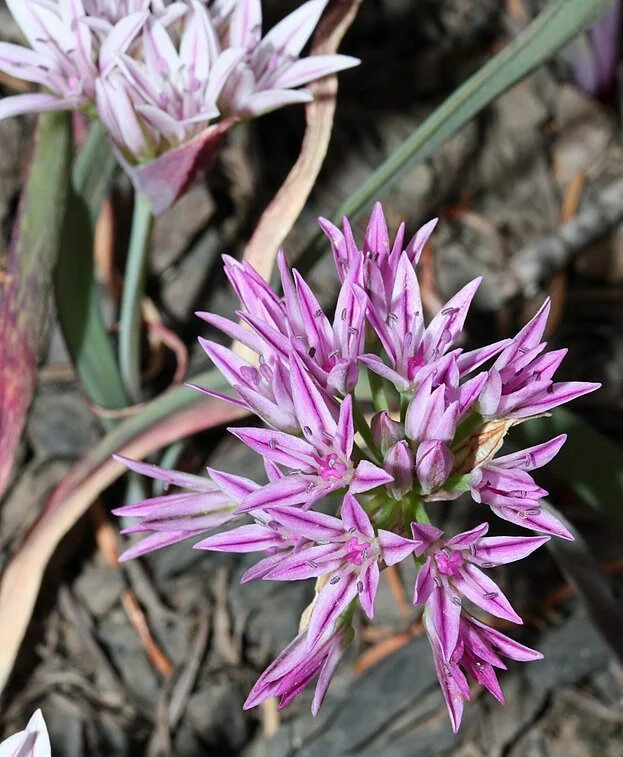
Flower Seeds
Olympic Onion Seeds – Allium crenulatum Flower Seeds – 10 Seed Pack – Outdoor Native Plant
Sold 50 products
Original price was: $25.00.$17.50Current price is: $17.50.
Sold 50 products
Original price was: $25.00.$17.50Current price is: $17.50.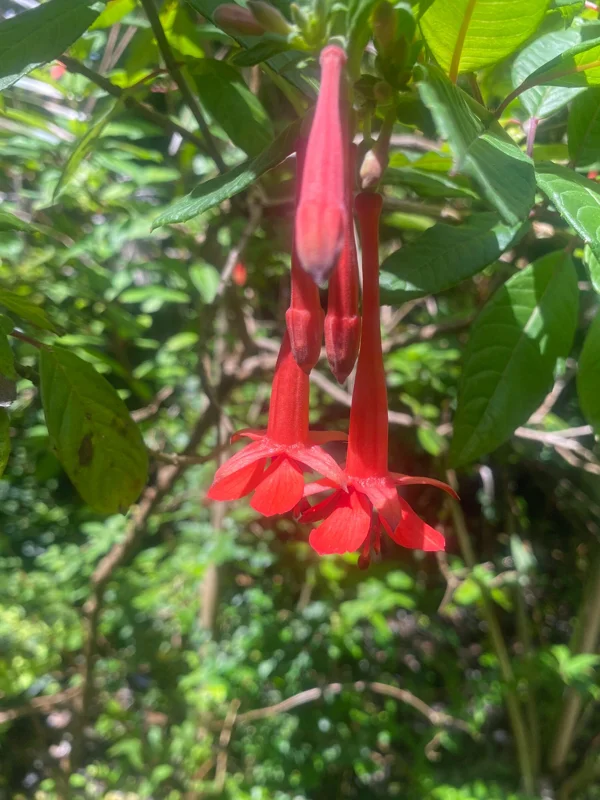
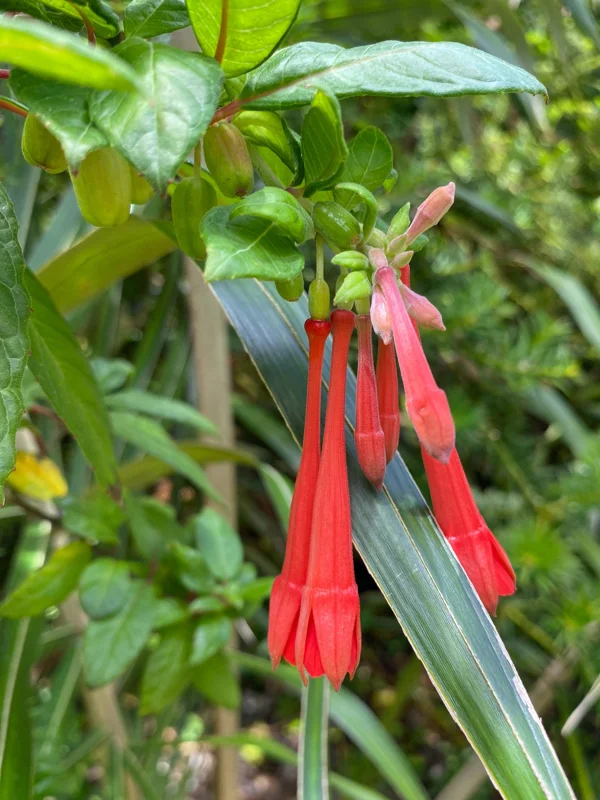
Flower Seeds
Fuchsia vulcanica Seeds – 20 Pack – Vibrant Orange Coral Flowers for Garden & Containers
Sold 50 products
Original price was: $25.00.$17.50Current price is: $17.50.
Sold 50 products
Original price was: $116.98.$95.68Current price is: $95.68.
Sold 50 products
Original price was: $21.00.$14.10Current price is: $14.10.
Aquatic Plant Seeds
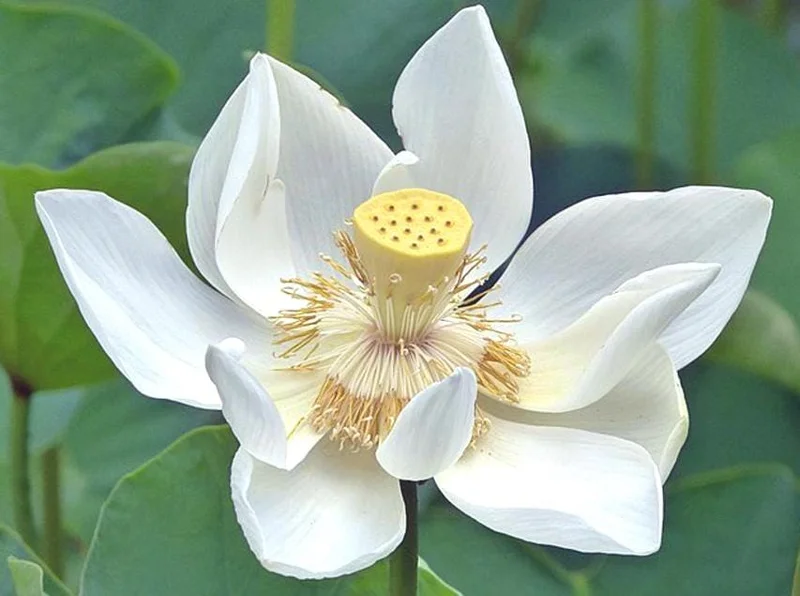
White Lotus Seeds – Nelumbo Nucifera Aquatic Pond Plant – 5 Seeds for Water Garden
Sold 50 products
Original price was: $29.00.$20.90Current price is: $20.90.RELATED posts
Awapuhi Wild Ginger Plant: Zones, Care, and Propagation
Learn which USDA zones suit awapuhi wild ginger, plus sunlight, water, planting, propagation, pests, size, [...]
Awapuhi Shampoo Ginger – Care, Growing Zones, and Differences
Learn how to grow awapuhi (shampoo) ginger, its USDA zones, watering schedule, propagation tips, and [...]
Awapuhi Shampoo Plant Buying Guide – Choose the Right Zingiber zerumbet
META: Learn which awapuhi (shampoo ginger) plant or rhizome pack gives the best natural shampoo, [...]
Awapuhi Plant for Sale: Complete Buying Guide
Find the right awapuhi (shampoo ginger) plant, size, price, soil mix, and online source. Practical [...]
Shampoo Ginger Plant for Sale – Buying Guide & Tips
Find the right shampoo ginger plant, size, price, and care tips. Quick guide for U.S. [...]
Shampoo Ginger Plant (Awapuhi) Care Guide
Learn how to grow, care for, and use shampoo ginger (Zingiber zerumbet), the tropical awapuhi [...]
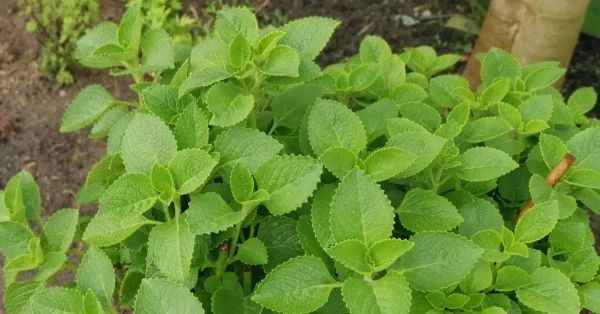
How to Grow Cuban Oregano Plants: A Complete Care Guide
If you’ve ever wanted a plant that combines the culinary punch of traditional oregano with [...]
Aug
How to Grow Habanero Pepper Plants: A Step-by-Step Guide
Habanero pepper plants are prized for their vibrant colors, intense heat, and exceptional flavor, making [...]
Aug
Reviews
There are no reviews yet.