
Cardboard Palm Seeds – Zamia furfuracea Cycad, 5 Seeds – Tropical Houseplant
Original price was: $25.00.$17.50Current price is: $17.50.
Start your own unique tropical plant with these cardboard palm seeds. Also known as Zamia furfuracea seeds, these cycad seeds are perfect for growing a striking, drought-tolerant houseplant or an outdoor specimen in warmer climates. Enjoy the distinctive stiff, textured leaves of this fascinating ‘Green Plant of Mystery’.
Shipping and Return policies:
We stand behind our plants with our Alive & Thrive Guarantee. If you experience any issues within the first 30 days, please email us, and our team will be happy to help. When needed, we’ll send you a one-time replacement free of charge to make sure your garden keeps growing strong.

Reasonable Price
We offer reasonable price

Support 24/7
Contact us 24 hrs a day
100% Money Back
You’ve 30 days to Return
Payment Secure
100% secure payment
Overview
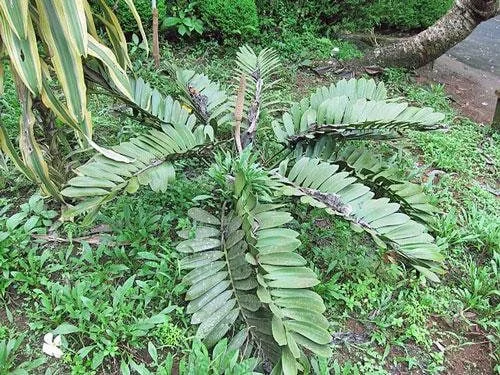
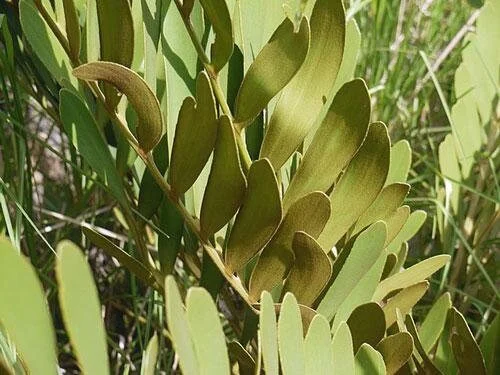
Embark on an exciting horticultural journey by growing your very own cardboard palm seeds. These unique seeds belong to the fascinating Zamia furfuracea, a captivating cycad native to Mexico, renowned for its distinctive stiff, leathery leaves that resemble cardboard. Often referred to by its charming common names such as Cardboard Palm, Cardboard Cycad, Green Plant of Mystery, Cardboard Plant, Cardboard Sago, Jamaican Sago, and Mexican Cycad, this plant makes a dramatic statement in any collection. While initially a slow grower, once the trunk matures, it develops into a robust and striking specimen, reaching up to 4 feet tall and 8 feet wide. These Zamia furfuracea seeds offer the opportunity to cultivate a beautiful, resilient plant that can thrive both as an exotic houseplant or an impressive outdoor perennial in appropriate climates.
Cultivating a cardboard palm from seed is a rewarding experience, providing a unique insight into the lifecycle of these ancient plants. The process, while requiring patience, culminates in a stunning, architectural plant that commands attention. Its salt and drought-tolerant nature makes it a resilient choice for various growing conditions, and its adaptability to indoor environments further broadens its appeal. Whether you’re a seasoned gardener looking for a challenge or a plant enthusiast eager to expand your collection with something truly special, these cardboard palm seeds are an excellent choice for adding a touch of tropical mystique to your home or garden.
Key Benefits
Growing a cardboard palm offers a multitude of benefits, from its striking appearance to its hardy nature, making it a valuable addition to any plant enthusiast’s collection. These Zamia furfuracea seeds provide the foundation for a truly unique botanical experience.
- Unique Ornamental Appeal: The distinctive stiff, textured leaves of the cardboard palm create an architectural focal point. Its unique foliage is unlike most other houseplants, providing an exotic, prehistoric aesthetic that enhances any indoor or outdoor space.
- Drought and Salt Tolerance: This resilient plant is naturally tolerant of dry conditions and salt spray, making it an excellent choice for xeriscaping or coastal gardens where other plants might struggle. Its low water needs reduce maintenance effort.
- Versatile Growing Options: The cardboard palm can be successfully grown as a captivating houseplant, bringing a tropical vibe indoors, or as an outdoor perennial in USDA Zones 9-11, where it can become a magnificent landscape specimen.
- Low Maintenance (Once Established): Although germination requires patience, mature cardboard palm plants are relatively low-maintenance. They thrive with minimal fuss, making them suitable for busy individuals or those new to growing unique plants.
- Long-Lived Specimen: Cycads are known for their longevity. With proper care, your cultivated cardboard palm can become a long-term fixture in your garden or home, maturing gracefully over many years and becoming a cherished part of your collection.
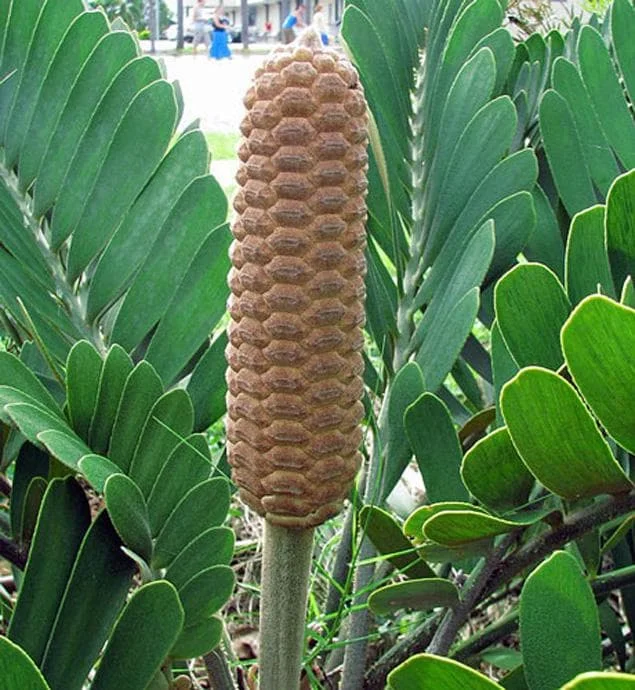
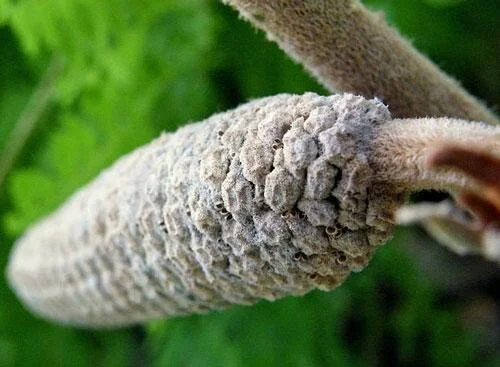
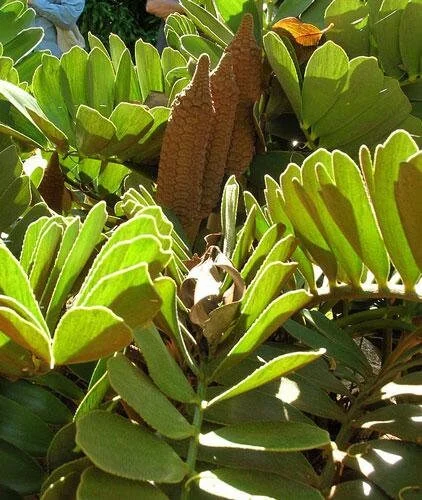
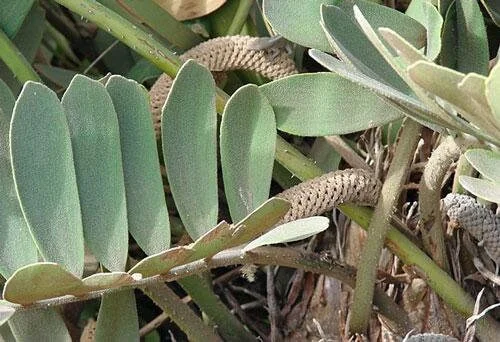
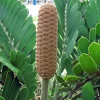
- Fascinating Growth Habit: Observe the intriguing growth of its frond-like leaves that emerge erect in full sun and become more horizontal in shade. The plant also produces unique cones in its center, which can reach over a foot long and contain crimson-colored seeds.
Plant Care & Growing Tips
Successfully cultivating cardboard palm seeds into a thriving plant requires attention to specific environmental conditions. These tropical cycads, known botanically as Zamia furfuracea, appreciate warmth and good drainage. For germination, first soak the Zamia furfuracea seeds in warm water for 24 hours. Sow the seeds about 1 inch deep in a well-drained potting mix. Keep the soil consistently moist but not waterlogged, and place the container in a bright spot, ideally covering it with plastic to maintain high humidity. Maintain temperatures around 65-75°F (18-24°C) for optimal germination, which can take anywhere from 7 to 60 days. Patience is key when starting these unique cardboard palm seeds.
Once your cardboard palm seedlings emerge and establish, they will require bright light. They prefer full sun to part shade; in full sun, the leaves tend to be more erect, while in shade, they become more horizontal. The soil must be exceptionally well-drained, as these plants are susceptible to root rot in soggy conditions. A sandy, loamy mix is ideal. Water thoroughly when the top few inches of soil are dry, allowing it to dry out almost completely between waterings, especially for indoor plants. Fertilize occasionally with a palm-specific food during the growing season (spring and summer). These plants are hardy in USDA Zones 9-11 and are notably salt and drought-tolerant once mature. Protect from frost if growing outdoors in cooler parts of its range. Common problems include overwatering, which can be mitigated by ensuring excellent drainage and proper watering practices.
Size & Details
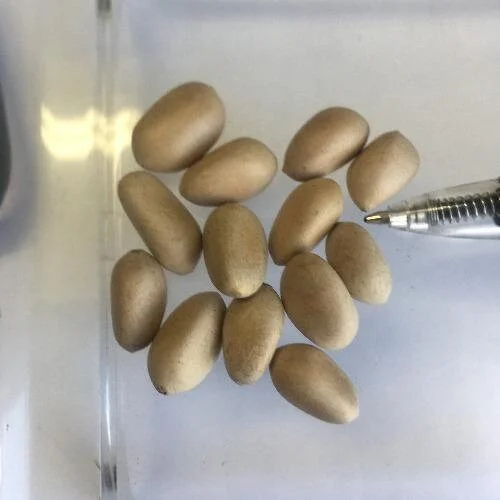
This offering includes 5 seeds of the cardboard palm, Zamia furfuracea. These seeds provide the opportunity to grow a striking plant that, at maturity, can reach an impressive height of up to 4 feet and spread up to 8 feet wide. The leaves are substantial, growing 4-6 feet long with 6-12 pairs of foot-long, incredibly stiff leaflets. The plant produces unique cones in its center, which can exceed a foot in length and contain vibrant crimson seeds. The growth rate is initially slow, particularly from seed, but accelerates significantly once the trunk begins to mature. These cardboard palm seeds are shipped as raw, unstratified seeds, ready for your germination efforts.
The cardboard palm is known for its robust and sturdy structure. As a cycad, it possesses a unique appearance, often described as a ‘living fossil’ due to its ancient lineage. While the seeds can be time-consuming and somewhat challenging to germinate, the reward is a long-lived, architectural plant. Expect several weeks for germination, followed by a slow but steady growth rate. Once established, this plant is a resilient and captivating addition, either as a tropical houseplant or a hardy outdoor perennial in suitable climates.
Frequently Asked Questions
- Q: How big does this plant get? A: The cardboard palm can grow to an impressive 4 feet tall and spread up to 8 feet wide once mature, making it a significant landscape plant or a large, striking houseplant over time.
- Q: Is this an indoor or outdoor plant? A: The cardboard palm is versatile. It can be grown as a beautiful tropical houseplant indoors or as an outdoor perennial in USDA Hardiness Zones 9-11.
- Q: How much sunlight does it need? A: This plant thrives in full sun to part shade. In full sun, its leaves tend to be more erect, while in partial shade, they will grow more horizontally.
- Q: What condition will the seeds arrive in? A: You will receive 5 seeds of Zamia furfuracea, shipped as raw, unstratified seeds, ready for you to begin the germination process at home.
- Q: Is this plant easy to care for? A: While germinating the cardboard palm seeds can be time-consuming and sometimes difficult, mature plants are relatively low-maintenance, being drought and salt-tolerant.
- Q: How long until the seeds germinate? A: Germination for these Zamia furfuracea seeds can take anywhere from 7 to 60 days, requiring patience and consistent warmth and moisture.
- Q: What’s the minimum temperature this plant can tolerate? A: The cardboard palm is hardy in USDA Zones 9-11, meaning it can tolerate temperatures down to about 20-25°F (-6 to -4°C) for short periods once established, but prefers warmer climates.
- Q: What kind of soil does the cardboard palm prefer? A: It requires well-drained soil, preferably a sandy, loamy mix. Good drainage is crucial to prevent root rot, as the plant is sensitive to overly wet conditions.
- Q: How often should I water my cardboard palm? A: Water thoroughly when the top few inches of soil are dry. Allow the soil to dry out almost completely between waterings, especially for indoor plants, to mimic its natural arid environment.
- Q: Can I grow this plant in a container? A: Yes, the cardboard palm makes an excellent container plant, especially when grown as a houseplant or in areas outside its hardiness zone where it can be brought indoors for winter protection.
Be the first to review “Cardboard Palm Seeds – Zamia furfuracea Cycad, 5 Seeds – Tropical Houseplant”
You must be logged in to post a review.
People also Viewed


Sold 50 products
Original price was: $109.95.$79.98Current price is: $79.98.

Sold 50 products
Original price was: $25.00.$17.50Current price is: $17.50.

Flower Seeds
Olympic Onion Seeds – Allium crenulatum Flower Seeds – 10 Seed Pack – Outdoor Native Plant
Sold 50 products
Original price was: $25.00.$17.50Current price is: $17.50.

Sold 50 products
Original price was: $25.00.$17.50Current price is: $17.50.

Flower Seeds
Fuchsia vulcanica Seeds – 20 Pack – Vibrant Orange Coral Flowers for Garden & Containers
Sold 50 products
Original price was: $25.00.$17.50Current price is: $17.50.

Sold 50 products
Original price was: $116.98.$95.68Current price is: $95.68.

Sold 50 products
Original price was: $21.00.$14.10Current price is: $14.10.

Aquatic Plant Seeds
White Lotus Seeds – Nelumbo Nucifera Aquatic Pond Plant – 5 Seeds for Water Garden
Sold 50 products
Original price was: $29.00.$20.90Current price is: $20.90.RELATED posts
Awapuhi Wild Ginger Plant: Zones, Care, and Propagation
Learn which USDA zones suit awapuhi wild ginger, plus sunlight, water, planting, propagation, pests, size, [...]
Awapuhi Shampoo Ginger – Care, Growing Zones, and Differences
Learn how to grow awapuhi (shampoo) ginger, its USDA zones, watering schedule, propagation tips, and [...]
Awapuhi Shampoo Plant Buying Guide – Choose the Right Zingiber zerumbet
META: Learn which awapuhi (shampoo ginger) plant or rhizome pack gives the best natural shampoo, [...]
Awapuhi Plant for Sale: Complete Buying Guide
Find the right awapuhi (shampoo ginger) plant, size, price, soil mix, and online source. Practical [...]
Shampoo Ginger Plant for Sale – Buying Guide & Tips
Find the right shampoo ginger plant, size, price, and care tips. Quick guide for U.S. [...]
Shampoo Ginger Plant (Awapuhi) Care Guide
Learn how to grow, care for, and use shampoo ginger (Zingiber zerumbet), the tropical awapuhi [...]

How to Grow Cuban Oregano Plants: A Complete Care Guide
If you’ve ever wanted a plant that combines the culinary punch of traditional oregano with [...]
Aug

How to Grow Habanero Pepper Plants: A Step-by-Step Guide
Habanero pepper plants are prized for their vibrant colors, intense heat, and exceptional flavor, making [...]
Aug
Reviews
There are no reviews yet.