
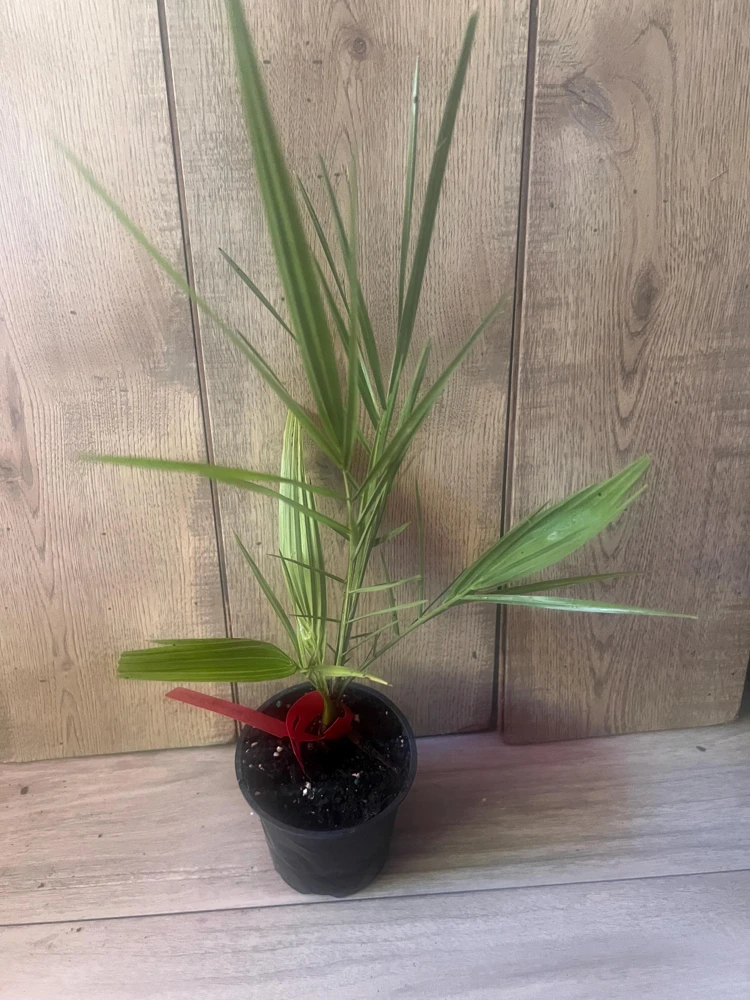
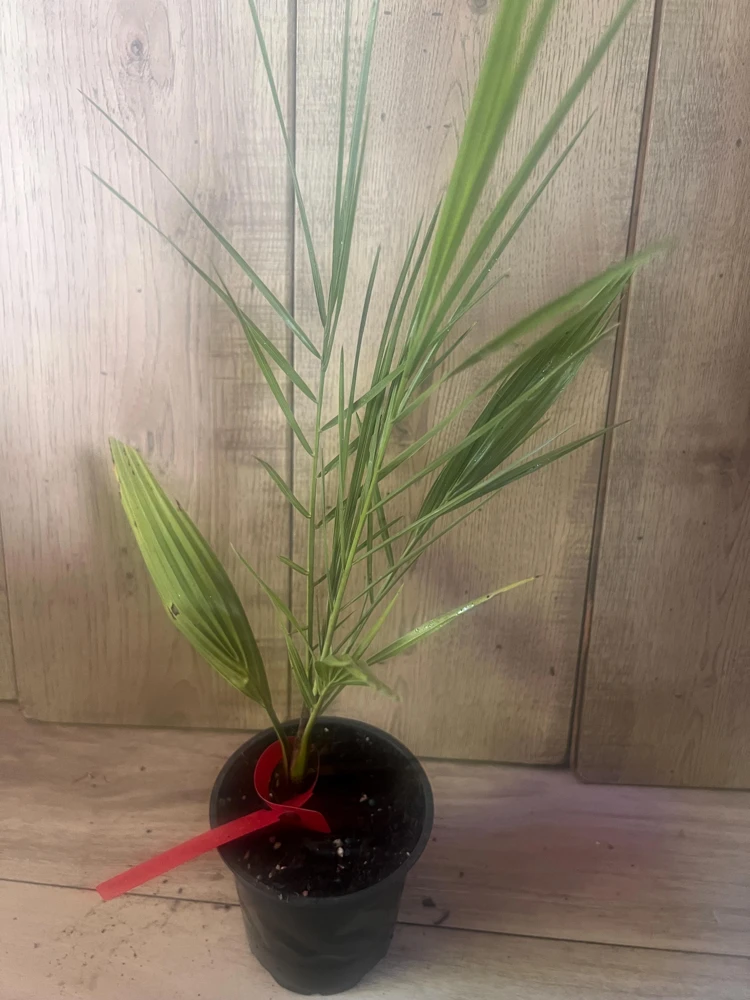
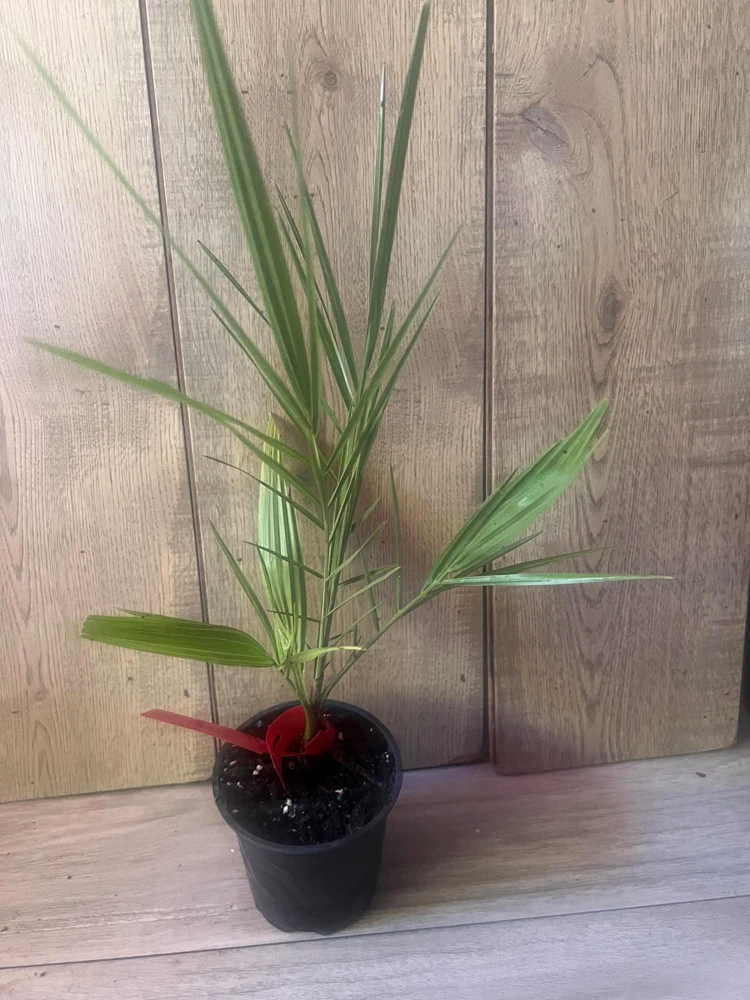
Canary Palm Live Plant – Phoenix canariensis – 4 inch Pot – Outdoor Tropical Tree – Cannot ship to CA
Original price was: $54.63.$35.47Current price is: $35.47.
Bring a touch of the tropics to your garden with this Canary Palm live plant. Also known as Phoenix canariensis tree or Canary Island Date Palm, this majestic tree is perfect for creating a stunning outdoor palm tree centerpiece. It thrives in full sun and well-draining soil, offering a timeless aesthetic.
Shipping and Return policies:
We stand behind our plants with our Alive & Thrive Guarantee. If you experience any issues within the first 30 days, please email us, and our team will be happy to help. When needed, we’ll send you a one-time replacement free of charge to make sure your garden keeps growing strong.

Reasonable Price
We offer reasonable price

Support 24/7
Contact us 24 hrs a day
100% Money Back
You’ve 30 days to Return
Payment Secure
100% secure payment
Overview
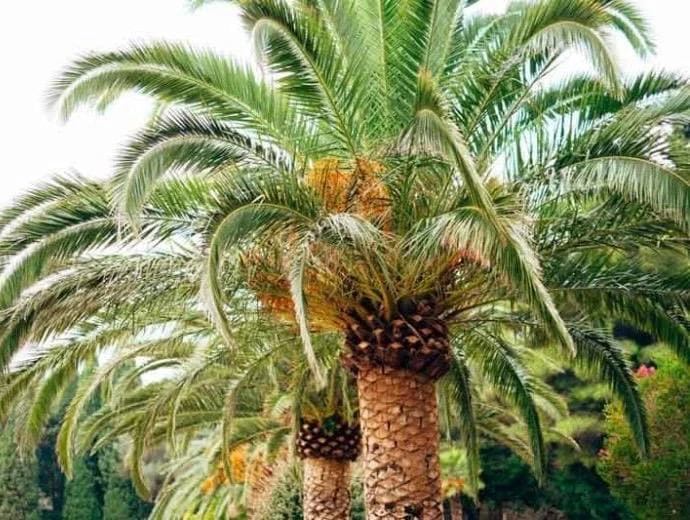
Transform your landscape into a tropical oasis with the magnificent Canary Palm live plant. This stunning specimen, scientifically known as Phoenix canariensis tree, is also commonly referred to as the Canary Island Date Palm. Prized for its grand, arching fronds and robust, textured trunk, this live plant is a true statement piece. Native to the Canary Islands, it infuses an elegant and exotic charm into any outdoor setting, making it an ideal choice for gardens, driveways, and resorts. The Canary Palm live plant is renowned for its ability to thrive in full sun and well-draining soil, demonstrating excellent tolerance to heat, drought, and coastal conditions once established, making it a resilient and beautiful addition to your home.
This particular offering provides you with a healthy, vibrant Canary Palm live plant, ready to grow and flourish in its new environment. Its symmetrical crown and relatively slow growth rate ensure it remains a manageable yet impressive feature in both residential and commercial landscaping projects. Opting for a Phoenix canariensis tree means choosing a plant that delivers a timeless tropical aesthetic with minimal ongoing maintenance, allowing you to enjoy its beauty without constant fuss. It’s an excellent choice for anyone looking to add significant visual impact and a touch of the exotic to their outdoor space.
Key Benefits
Adding a Canary Palm live plant to your landscape offers a multitude of benefits, enhancing both the aesthetic appeal and overall ambiance of your outdoor areas. This majestic palm is not just a plant; it’s an investment in the beauty and tranquility of your home.
- Stunning Tropical Aesthetic: The Canary Palm live plant instantly creates a resort-like atmosphere with its large, graceful fronds and imposing trunk, bringing an exotic and luxurious feel to any garden or entryway. It’s a quintessential tropical landscape palm.
- Low Maintenance Once Established: Despite its grand appearance, the Phoenix canariensis tree is surprisingly low-maintenance. Once it has established its root system, it requires minimal care, making it perfect for busy homeowners.
- Drought and Heat Tolerant: This palm is incredibly resilient, thriving in hot climates and tolerating periods of drought. This makes it an excellent choice for arid regions or areas with water restrictions, ensuring your outdoor palm tree remains vibrant.
- Coastal Condition Adaptability: The Canary Island Date Palm is well-suited for coastal environments, capable of withstanding salty air and sandy soils. This broadens its suitability for various geographical locations.
- Exceptional Architectural Element: With its striking silhouette and robust form, the Canary Palm live plant serves as an outstanding architectural element, providing strong vertical interest and a focal point in any landscape design.
- Long Lifespan: A well-cared-for Phoenix canariensis tree can live for many decades, becoming a long-term fixture in your garden and increasing the property’s value and appeal over time.
- Versatile Landscaping Use: Whether used as a singular specimen, in groupings, or along avenues, this tropical landscape palm adapts beautifully to various design applications, enhancing both large estates and smaller gardens.
Plant Care & Growing Tips
Caring for your Canary Palm live plant, or Phoenix canariensis tree, is straightforward, especially once it’s established. This palm thrives in warm, sunny climates and is best suited for USDA zones 9–11. It demands full sun exposure, meaning it should receive at least six hours of direct sunlight per day to ensure robust growth and health. The ideal soil type is well-draining, such as sandy or loamy compositions, to prevent root rot. Ensure proper drainage is paramount, especially when planting in containers or areas with heavy clay soil, which can be amended with sand or perlite.
During the first year after planting, regular watering is crucial to help the roots establish firmly. Once mature, allow the soil to dry out slightly between waterings, as established palms are quite drought-tolerant. Overwatering is a common mistake and can lead to issues. Apply a slow-release palm fertilizer rich in essential micronutrients like magnesium and manganese 2–3 times a year, typically during spring and summer, to support vigorous growth and maintain the lush green color of its fronds. Pruning should be minimal, focusing only on removing dead or severely damaged fronds to maintain a tidy canopy and prevent disease. Avoid excessive pruning of green fronds, as this can stress the palm.
While established Canary Island Date Palm specimens can tolerate short periods of heat up to 100°F (38°C) and brief cold spells down to 25°F (−4°C), frost protection is recommended in colder areas or during unusually severe winters. Covering the crown with burlap or frost cloth can provide necessary insulation. Consistent care and attention to its specific needs will ensure your outdoor palm tree remains a healthy and impressive feature in your landscape for many years to come.
Size & Details
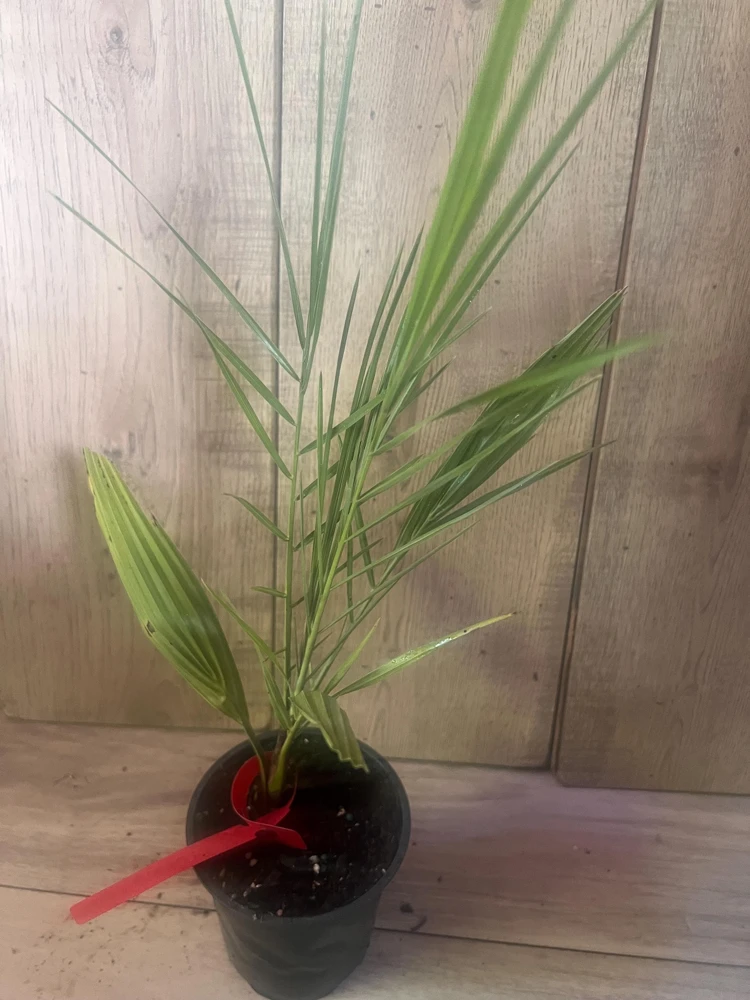
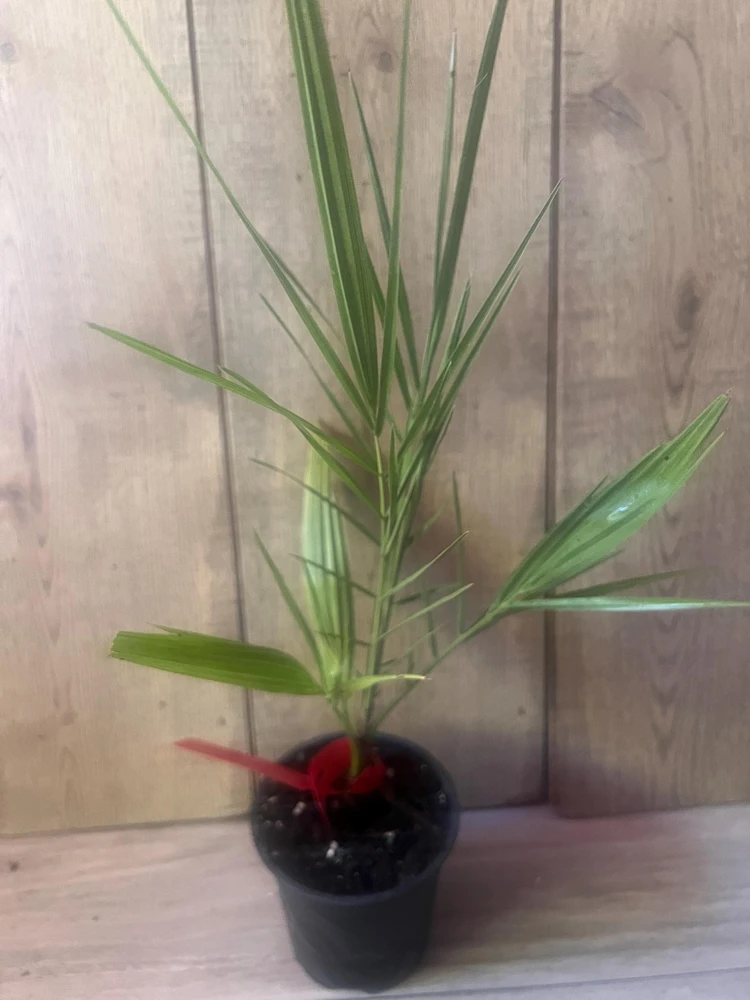
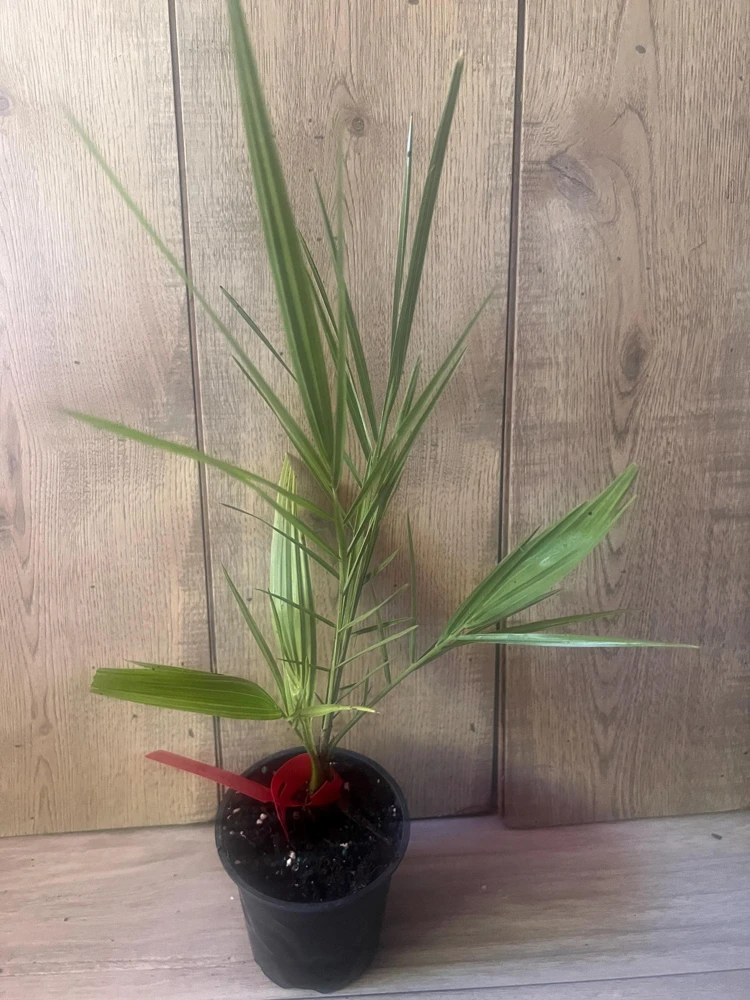
This offering features a vibrant Canary Palm live plant grown in a 4-inch nursery pot, providing a healthy start for your landscape project. At this stage, the plant is typically compact, making it easy to handle and transplant. While exact dimensions can vary slightly, you can expect a young, well-rooted specimen that is ready for careful acclimatization to its new environment. The Phoenix canariensis tree is known for its slow to moderate growth rate, meaning it will gradually mature into a grand specimen over the years, eventually reaching impressive heights of 40 to 60 feet in optimal conditions, with a spread of 20 to 30 feet. This makes it an ideal choice for a long-term tropical landscape palm.
The plant will be shipped securely to ensure it arrives in excellent condition, ready for planting. While it arrives in a 4-inch pot, it will eventually require a much larger space to accommodate its mature size, whether planted directly in the ground or transferred to a significantly larger container for patio display. The robust nature of the Canary Island Date Palm ensures it will develop its characteristic thick, textured trunk and majestic arching fronds, adding significant visual appeal to your garden over time. Prepare to watch this magnificent outdoor palm tree flourish into a striking centerpiece.
Frequently Asked Questions
- Q: How big does this Canary Palm live plant get? A: While it arrives in a 4-inch pot, a mature Phoenix canariensis tree can reach heights of 40 to 60 feet with a spread of 20 to 30 feet, making it a very large and majestic outdoor palm.
- Q: What size pot does it come in? A: This Canary Palm live plant is provided in a 4-inch nursery pot, suitable for its current stage of growth. You’ll want to transplant it to a larger container or directly into the ground as it grows.
- Q: Is this an indoor or outdoor palm tree? A: The Canary Palm live plant is primarily an outdoor palm tree, thriving in full sun and warm climates. It can be grown in containers indoors in very bright conditions when young, but will eventually need to be moved outside.
- Q: How much sunlight does the Canary Island Date Palm need? A: This palm requires full sun exposure, meaning at least 6 hours of direct sunlight per day, to grow strong and healthy.
- Q: Is this plant easy to care for? A: Yes, once established, the Canary Palm live plant is considered relatively low-maintenance. It’s tolerant of heat, drought, and coastal conditions, making it an easy-care tropical landscape palm.
- Q: What condition will it arrive in? A: Your plant will be carefully packaged and shipped to ensure it arrives healthy and ready for planting, similar to the pictures shown.
- Q: When is the best time to plant a Phoenix canariensis tree? A: The best time to plant is typically in spring or early summer, allowing the palm ample time to establish its root system before cooler weather arrives.
- Q: Will this outdoor palm tree survive winter in my zone? A: The Canary Palm live plant is hardy in USDA zones 9–11. If you are in a colder zone, it will require winter protection or must be grown in a container and brought indoors during cold spells.
- Q: What’s the minimum temperature this palm can tolerate? A: Established Canary Island Date Palm specimens can tolerate brief cold spells down to 25°F (−4°C), but frost protection is recommended for sustained cold or younger plants.
- Q: What kind of soil does this tropical landscape palm prefer? A: It prefers well-draining soil, such as sandy or loamy types. Good drainage is crucial to prevent root rot.
Be the first to review “Canary Palm Live Plant – Phoenix canariensis – 4 inch Pot – Outdoor Tropical Tree – Cannot ship to CA”
You must be logged in to post a review.
People also Viewed
Sold 50 products
$32.38
Sold 50 products
$27.38
Sold 50 products
$32.38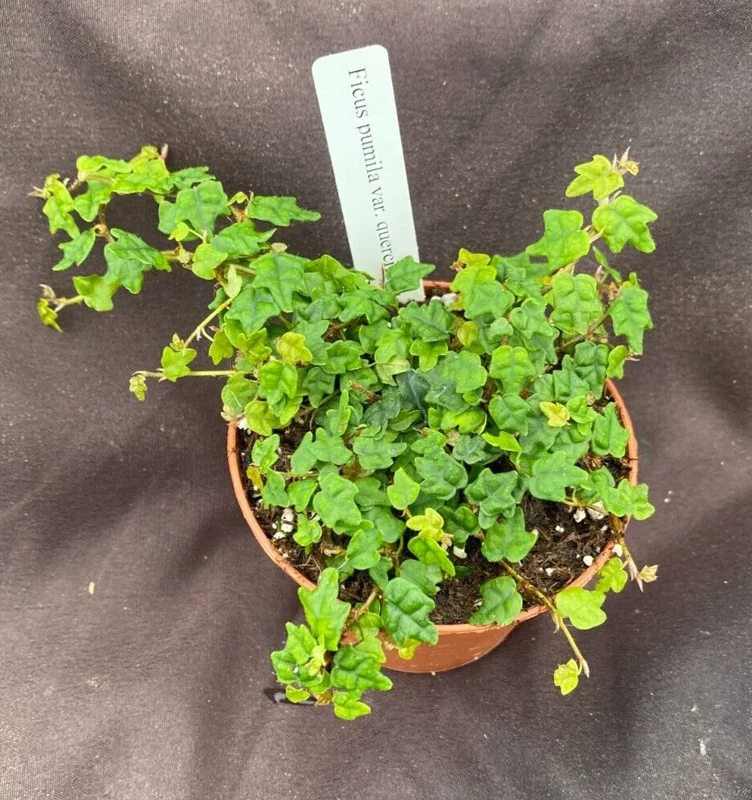
Sold 50 products
$19.88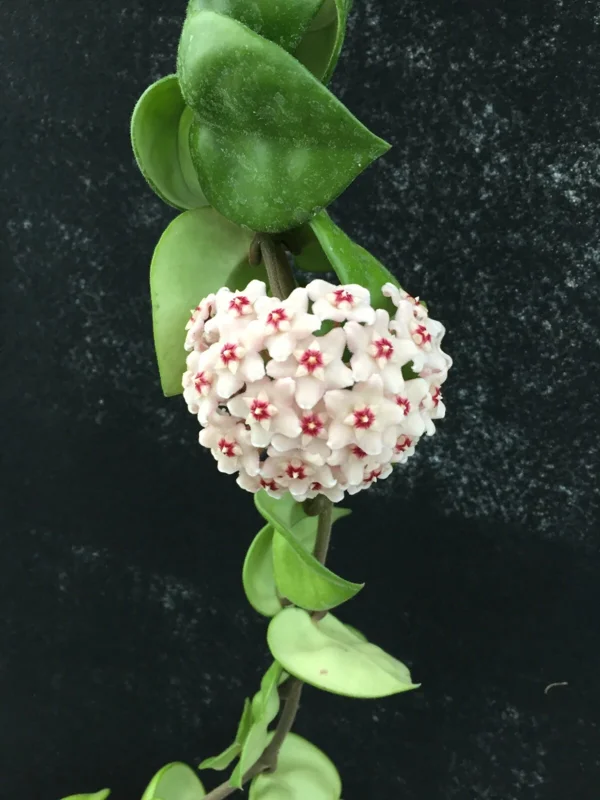
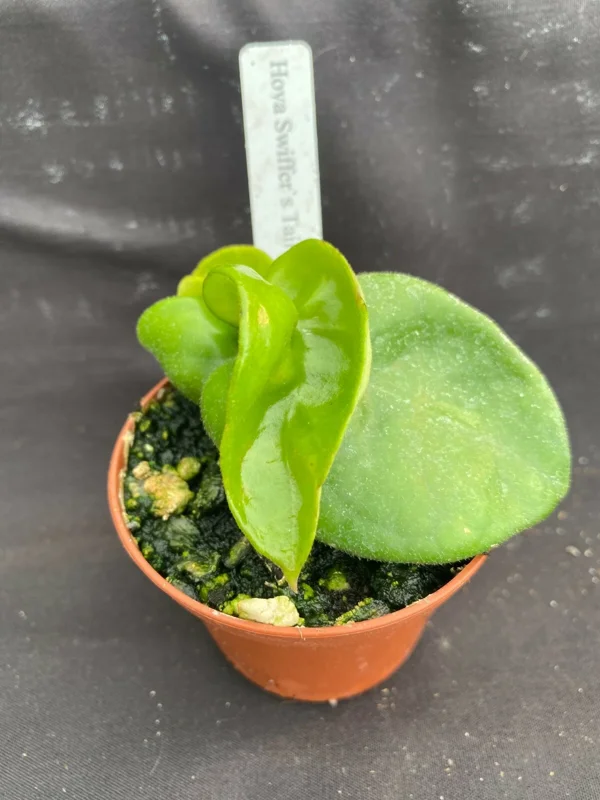
Sold 50 products
$62.38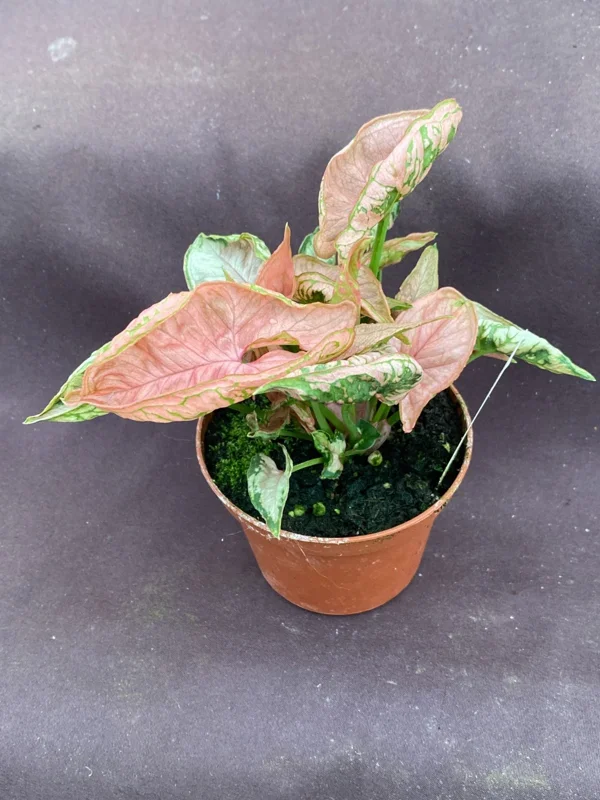
Sold 50 products
$24.88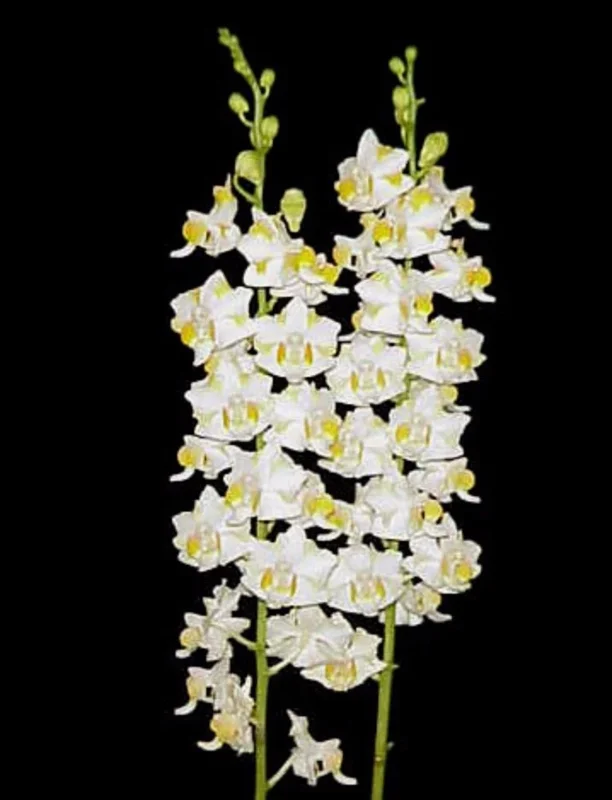
Houseplants
Phalaenopsis pulcherrima ‘Mauna Kea Snow’ Orchid Live Plant – White Flowers, Potted 2.5 in
Sold 50 products
$49.88
Sold 50 products
$49.88RELATED posts
Awapuhi Wild Ginger Plant: Zones, Care, and Propagation
Learn which USDA zones suit awapuhi wild ginger, plus sunlight, water, planting, propagation, pests, size, [...]
Awapuhi Shampoo Ginger – Care, Growing Zones, and Differences
Learn how to grow awapuhi (shampoo) ginger, its USDA zones, watering schedule, propagation tips, and [...]
Awapuhi Shampoo Plant Buying Guide – Choose the Right Zingiber zerumbet
META: Learn which awapuhi (shampoo ginger) plant or rhizome pack gives the best natural shampoo, [...]
Awapuhi Plant for Sale: Complete Buying Guide
Find the right awapuhi (shampoo ginger) plant, size, price, soil mix, and online source. Practical [...]
Shampoo Ginger Plant for Sale – Buying Guide & Tips
Find the right shampoo ginger plant, size, price, and care tips. Quick guide for U.S. [...]
Shampoo Ginger Plant (Awapuhi) Care Guide
Learn how to grow, care for, and use shampoo ginger (Zingiber zerumbet), the tropical awapuhi [...]
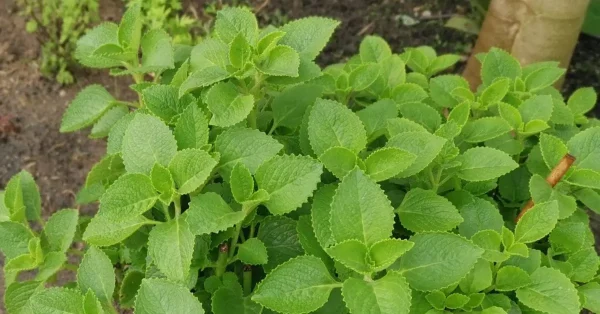
How to Grow Cuban Oregano Plants: A Complete Care Guide
If you’ve ever wanted a plant that combines the culinary punch of traditional oregano with [...]
Aug
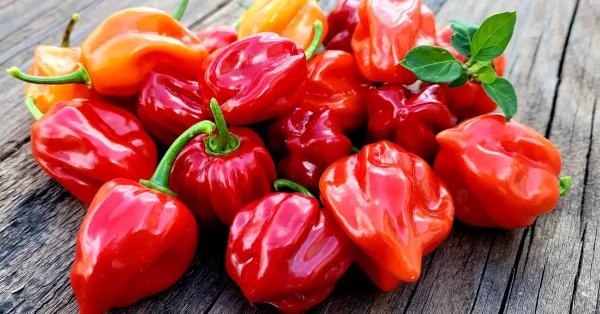
How to Grow Habanero Pepper Plants: A Step-by-Step Guide
Habanero pepper plants are prized for their vibrant colors, intense heat, and exceptional flavor, making [...]
Aug
Reviews
There are no reviews yet.