
Camptotheca acuminata Cancer Tree Seeds – 100 Count – Happy Tree Seeds
Original price was: $25.00.$17.50Current price is: $17.50.
Cultivate the remarkable Camptotheca acuminata seeds, commonly known as the Cancer Tree or Happy Tree. Each packet contains 100 high-quality seeds for growing this distinctive deciduous tree. Known for its fast growth and attractive foliage, these Happy Tree seeds are ideal for zones 8-11, offering a unique addition to your landscape.
Shipping and Return policies:
We stand behind our plants with our Alive & Thrive Guarantee. If you experience any issues within the first 30 days, please email us, and our team will be happy to help. When needed, we’ll send you a one-time replacement free of charge to make sure your garden keeps growing strong.

Reasonable Price
We offer reasonable price

Support 24/7
Contact us 24 hrs a day
100% Money Back
You’ve 30 days to Return
Payment Secure
100% secure payment
Overview
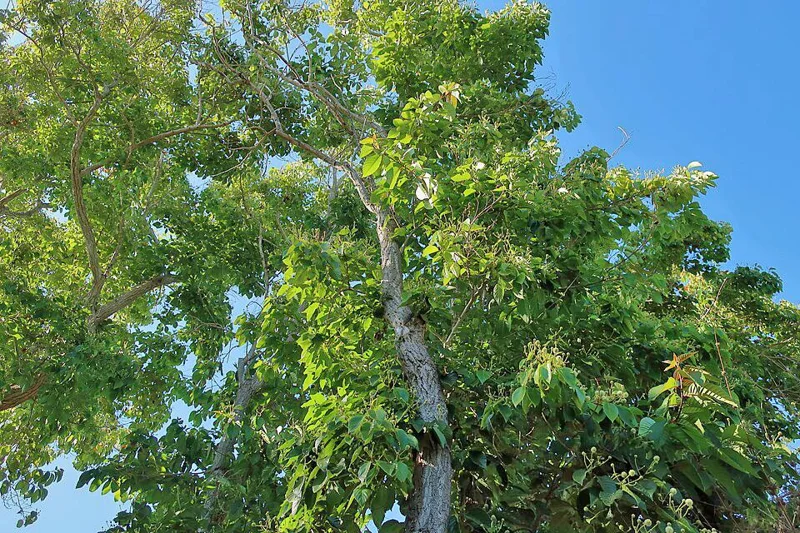
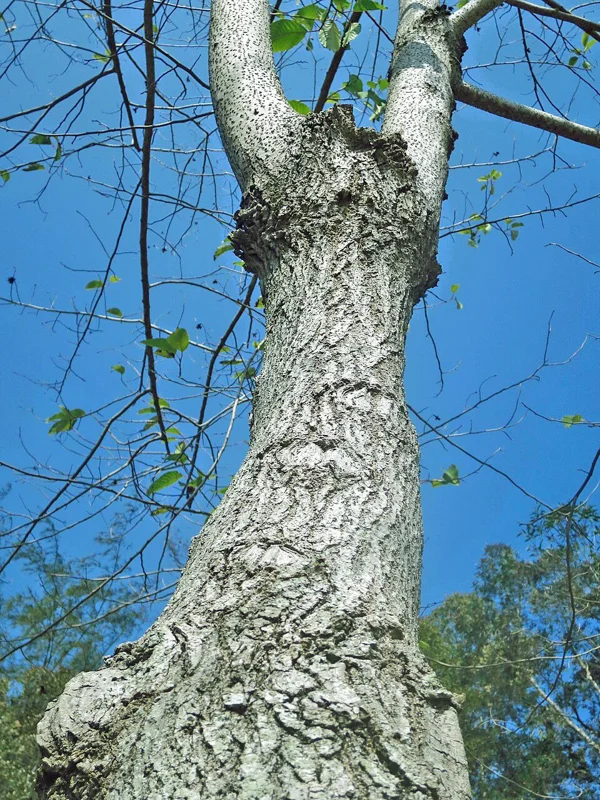
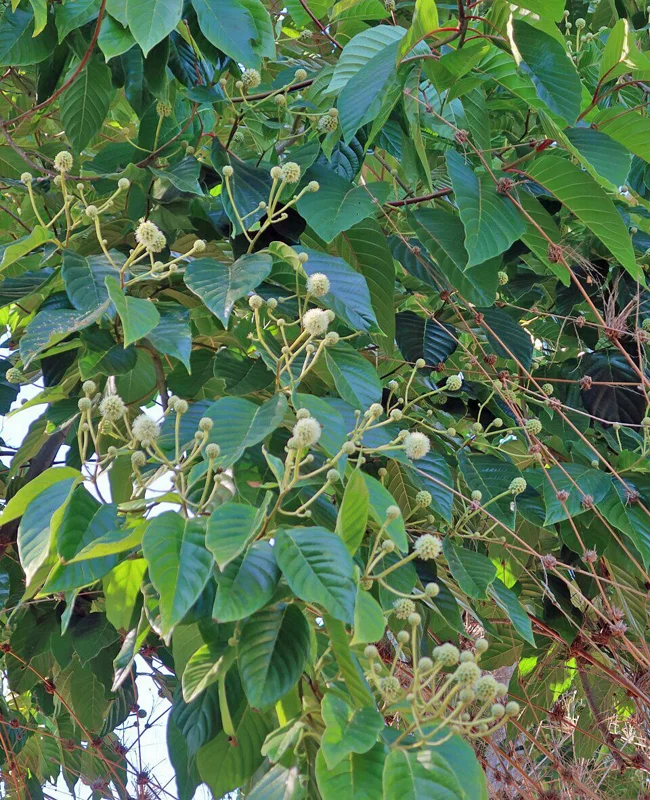
Embark on a rewarding gardening journey by cultivating Camptotheca acuminata seeds, also widely recognized as the Cancer Tree, Happy Tree, or Tree of Life. This offering includes 100 premium seeds, providing an excellent opportunity to grow this significant deciduous tree. Native to southern China and parts of Tibet, the Camptotheca acuminata is celebrated for its rapid growth, reaching impressive heights of 15–25 meters. Its straight trunk, smooth gray-brown bark, and large, glossy, bright-green leaves with prominent veining make it a striking botanical specimen. These Camptotheca acuminata seeds are perfect for gardeners looking to introduce a unique and historically valued tree into their landscape, thriving in warm temperate to subtropical environments.
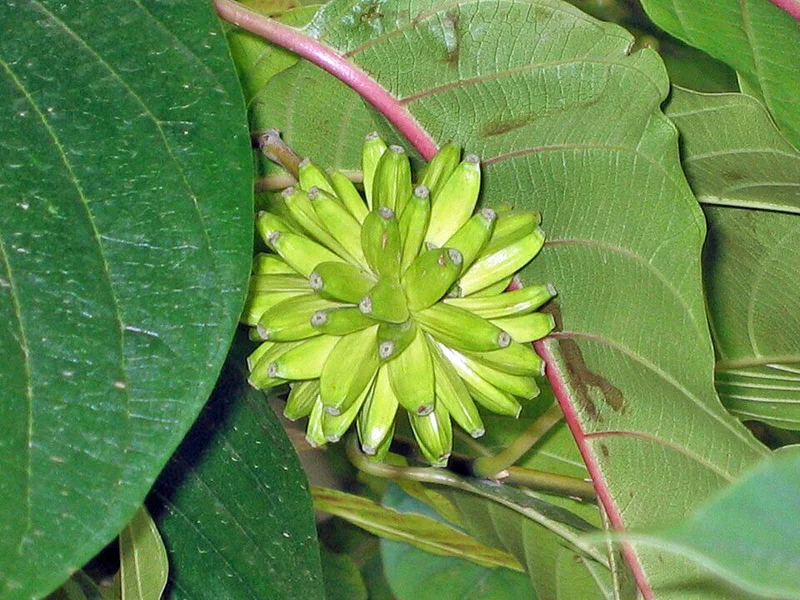
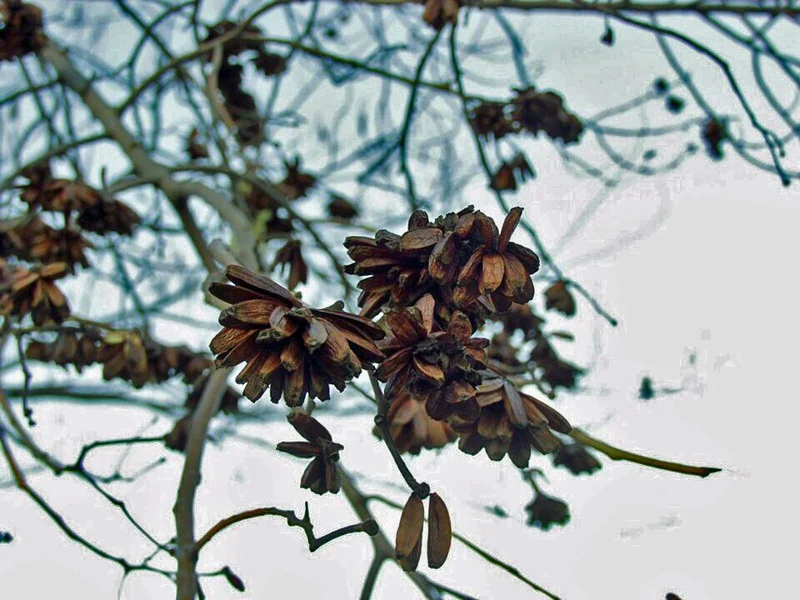
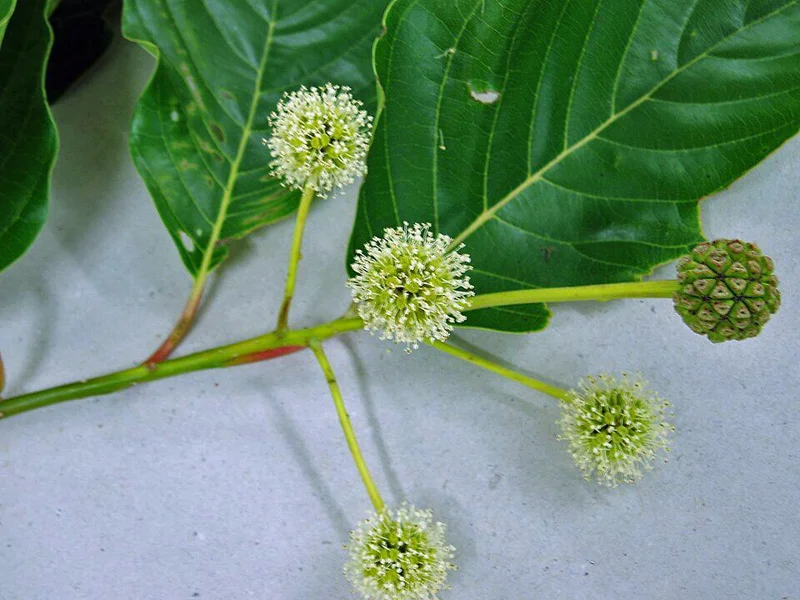
The tree produces small, greenish-white flowers in late spring to summer, followed by distinctive spherical aggregates of winged seeds that add to its ornamental appeal. Growing the Cancer Tree seeds allows you to witness the full life cycle of this magnificent plant, from germination to maturity. Its adaptability to various conditions, preferring full sun to partial shade and moist, fertile, well-drained soils, makes it a resilient choice for a range of garden settings. Start your journey with these tree of life seeds and watch your garden flourish with this remarkable species.
Key Benefits
Growing Camptotheca acuminata seeds offers a multitude of benefits, from enhancing your garden’s aesthetic to contributing to ecological diversity. These trees are known for their robust nature and distinctive appearance, making them a valuable addition to any planting scheme. The unique characteristics of the Cancer Tree make it a focal point in any landscape.
- Distinctive Foliage: The tree boasts large, glossy, ovate to lance-shaped leaves with acuminate tips and prominent veining, creating a lush, bright-green display that adds vibrant color and texture to your garden.
- Rapid Growth: Known for its fast-growing nature, the Camptotheca acuminata quickly establishes itself, allowing you to enjoy a mature tree sooner than many other species. This rapid development is a key advantage for gardeners.
- Unique Seed Pods: Following its inconspicuous flowers, the tree develops distinctive spherical aggregates of winged seeds, which persist on the tree and provide extended visual interest throughout the season.
- Adaptable Cultivation: These Camptotheca acuminata seeds grow into trees that thrive in a range of warm temperate to subtropical conditions, tolerating both full sun and partial shade, making them versatile for various garden exposures.
- Ecological Value: As a native species to southern China and Tibet, planting this tree contributes to biodiversity and can support local ecosystems if grown in suitable climates.
- Historical Significance: Commonly known as the tree of life seeds, this plant has cultural and traditional significance, adding a layer of depth and interest to your gardening endeavors.
- Resilient Nature: The tree’s ability to thrive in moist, fertile, well-drained soils and its adaptability to different light conditions showcase its resilience, making it a relatively easy plant to establish and maintain once germinated from Happy Tree seeds.
Plant Care & Growing Tips
Cultivating Camptotheca acuminata seeds into thriving trees requires attention to specific care guidelines, ensuring optimal growth and health. These trees prefer warm temperate to subtropical conditions and are hardy in USDA Zones 8-11. They can tolerate both full sun and partial shade, but generally perform best with ample light exposure. For successful growth, consistent moisture and well-drained, fertile soil are crucial. Avoid waterlogged conditions, which can be detrimental to root health. Regular watering, especially during dry spells and in the initial years after planting, will help the tree establish a strong root system. The Cancer Tree appreciates a rich soil environment, so amending the planting site with compost or organic matter can significantly improve soil structure and nutrient availability.
When it comes to fertilization, a balanced slow-release fertilizer can be applied in spring to support vigorous growth. Young Camptotheca acuminata trees may benefit from protection against harsh winter winds in the cooler parts of their hardiness range. While generally robust, monitor for common pests and diseases, addressing any issues promptly with appropriate organic or chemical treatments. Proper air circulation around the tree can help prevent fungal problems. Pruning should focus on removing dead or damaged branches and shaping the tree as needed, typically done in late winter or early spring before new growth emerges. Following these care tips will help ensure your Camptotheca acuminata thrives, growing into a magnificent tree of life.
For successful Camptotheca acuminata germination, begin by soaking the Camptotheca acuminata seeds in room-temperature water for 12–24 hours to enhance moisture uptake. Sow the seeds on the surface of a moist, well-drained seed-starting mix or lightly cover them with a thin layer of substrate, as they benefit from some light exposure during germination. Maintain consistent moisture in the growing medium without waterlogging, and keep temperatures between 20–25°C (68–77°F). Place the seed tray in a bright location with indirect light and good air circulation. Germination typically occurs within 2–8 weeks. Once seedlings develop several true leaves, transplant them carefully into individual containers and continue growing them in warm, bright conditions, protecting them from frost and prolonged drought.
Size & Details
This product includes 100 Camptotheca acuminata seeds, providing a generous quantity for starting your own collection of these distinctive trees. The Cancer Tree is a fast-growing deciduous species that typically reaches heights of 15–25 meters (approximately 50-80 feet) with a spread of similar proportions at maturity, developing a straight trunk and a broad canopy. It is shipped as a packet of high-quality, viable seeds, ready for your cultivation efforts. The growth rate is considered fast, meaning you will see significant development within a few years of successful germination and planting. Expected time to reach a substantial size will vary based on growing conditions, but young trees can establish quickly.
The seeds are ideal for planting in USDA Zones 8-11. Once established, these trees require minimal maintenance, making them a lasting addition to your landscape. The lush, bright-green leaves provide excellent seasonal interest, and the unique winged seed aggregates ensure that the tree remains visually appealing throughout the year. These Happy Tree seeds offer the opportunity to grow a substantial and impactful tree that will provide shade and beauty for decades.
Frequently Asked Questions
- Q: How big does the Camptotheca acuminata tree get? A: The Camptotheca acuminata is a fast-growing deciduous tree that typically reaches impressive heights of 15–25 meters (50-80 feet) with a similar spread when mature. Its straight trunk and broad canopy make it a substantial landscape tree.
- Q: Is this an indoor or outdoor plant? A: The Cancer Tree is primarily an outdoor plant, suited for warm temperate to subtropical climates within USDA Zones 8-11. It can be started indoors as seedlings before transplanting outside.
- Q: How much sunlight does it need? A: This tree thrives in full sun but can also tolerate partial shade. For optimal growth and flowering, providing ample sunlight is recommended.
- Q: Are these seeds easy to germinate for beginners? A: While germination requires patience (2-8 weeks), the instructions provided for soaking and sowing the Camptotheca acuminata seeds are straightforward, making it achievable for beginners with careful attention to temperature and moisture.
- Q: What condition will the seeds arrive in? A: The Camptotheca acuminata seeds will arrive as a packet of dry, viable seeds, ready for you to begin the germination process according to the provided instructions.
- Q: When is the best time to plant these seeds? A: It is best to initiate germination of Camptotheca acuminata seeds in late winter or early spring indoors, allowing seedlings to develop before being transplanted outdoors after the last frost.
- Q: What kind of soil does the Cancer Tree prefer? A: The Cancer Tree thrives in moist, fertile, and well-drained soils. Amending your soil with organic matter will help provide the ideal growing environment.
- Q: What are the main benefits of growing this tree? A: Key benefits include its rapid growth, beautiful glossy foliage, unique winged seed pods, and adaptability to various light conditions. It’s a striking and historically significant addition to any landscape.
- Q: How long does it take for the tree to mature? A: As a fast-growing species, the Camptotheca acuminata will develop quickly. You can expect to see a substantial tree within several years, with full maturity reached over a longer period depending on growing conditions.
- Q: Will these Happy Tree seeds survive winter in my zone? A: These trees are hardy in USDA Zones 8-11. If you are in a colder zone, they will require significant winter protection or greenhouse conditions to survive.
Be the first to review “Camptotheca acuminata Cancer Tree Seeds – 100 Count – Happy Tree Seeds”
You must be logged in to post a review.
People also Viewed
Sold 50 products
Original price was: $109.95.$79.98Current price is: $79.98.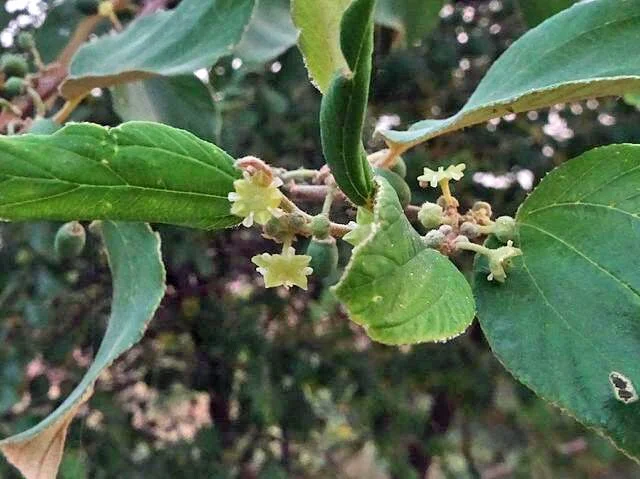
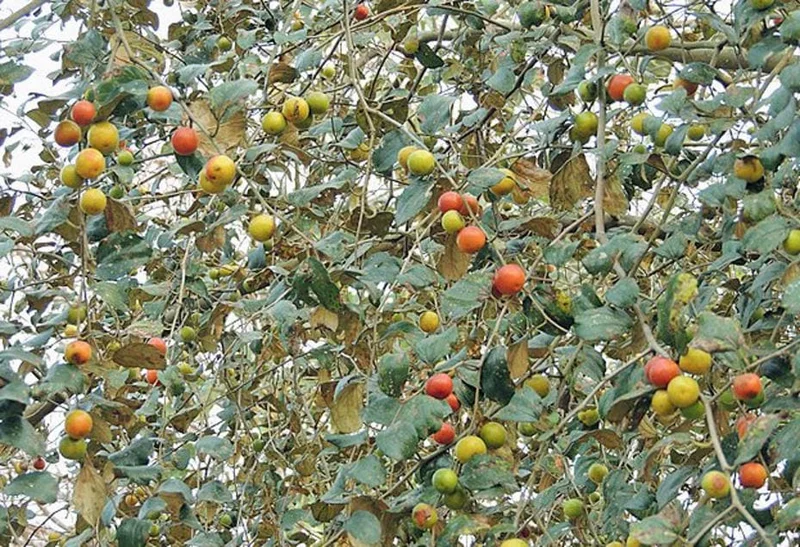
Sold 50 products
Original price was: $25.00.$17.50Current price is: $17.50.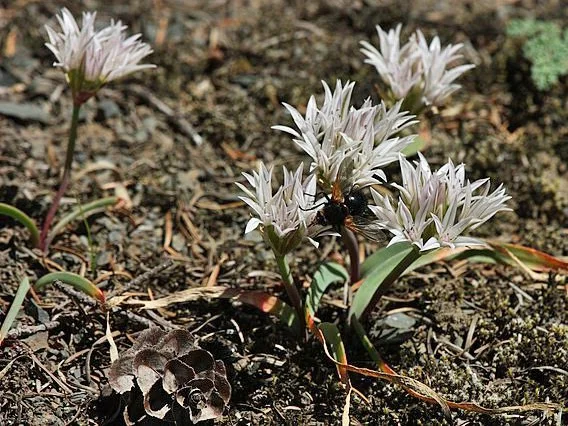
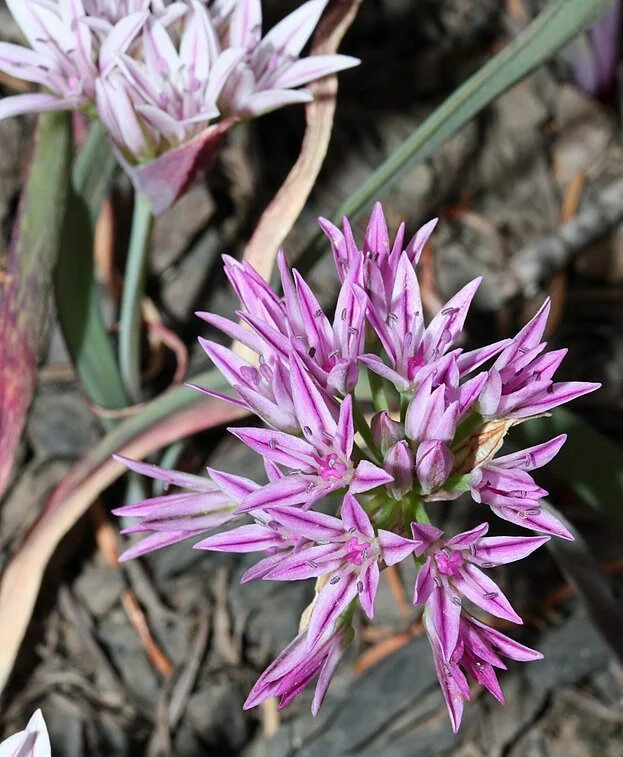
Flower Seeds
Olympic Onion Seeds – Allium crenulatum Flower Seeds – 10 Seed Pack – Outdoor Native Plant
Sold 50 products
Original price was: $25.00.$17.50Current price is: $17.50.
Sold 50 products
Original price was: $25.00.$17.50Current price is: $17.50.
Flower Seeds
Fuchsia vulcanica Seeds – 20 Pack – Vibrant Orange Coral Flowers for Garden & Containers
Sold 50 products
Original price was: $25.00.$17.50Current price is: $17.50.
Sold 50 products
Original price was: $116.98.$95.68Current price is: $95.68.
Sold 50 products
Original price was: $21.00.$14.10Current price is: $14.10.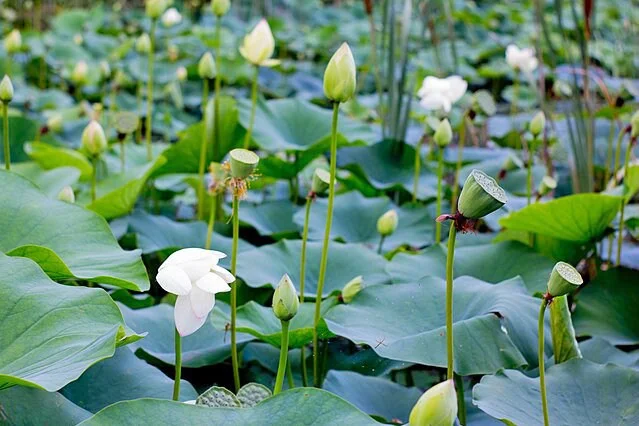
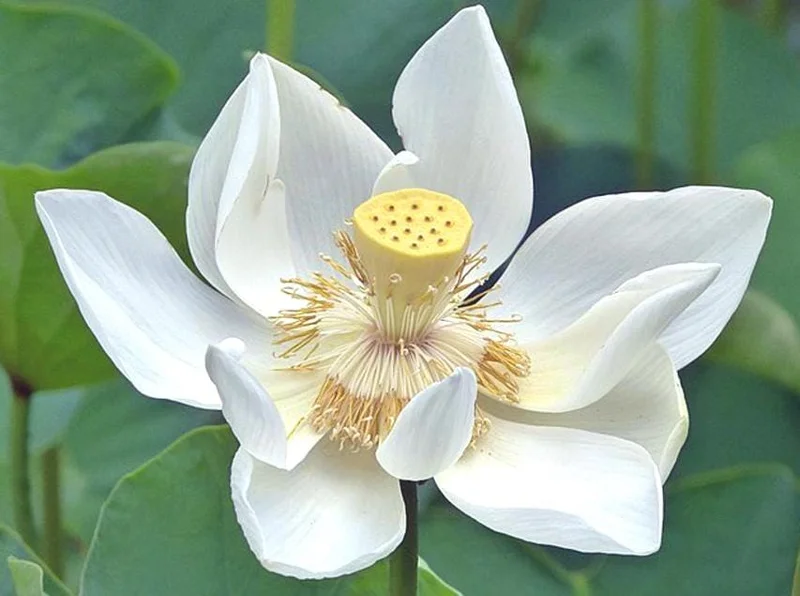
Aquatic Plant Seeds
White Lotus Seeds – Nelumbo Nucifera Aquatic Pond Plant – 5 Seeds for Water Garden
Sold 50 products
Original price was: $29.00.$20.90Current price is: $20.90.RELATED posts
Awapuhi Wild Ginger Plant: Zones, Care, and Propagation
Learn which USDA zones suit awapuhi wild ginger, plus sunlight, water, planting, propagation, pests, size, [...]
Awapuhi Shampoo Ginger – Care, Growing Zones, and Differences
Learn how to grow awapuhi (shampoo) ginger, its USDA zones, watering schedule, propagation tips, and [...]
Awapuhi Shampoo Plant Buying Guide – Choose the Right Zingiber zerumbet
META: Learn which awapuhi (shampoo ginger) plant or rhizome pack gives the best natural shampoo, [...]
Awapuhi Plant for Sale: Complete Buying Guide
Find the right awapuhi (shampoo ginger) plant, size, price, soil mix, and online source. Practical [...]
Shampoo Ginger Plant for Sale – Buying Guide & Tips
Find the right shampoo ginger plant, size, price, and care tips. Quick guide for U.S. [...]
Shampoo Ginger Plant (Awapuhi) Care Guide
Learn how to grow, care for, and use shampoo ginger (Zingiber zerumbet), the tropical awapuhi [...]
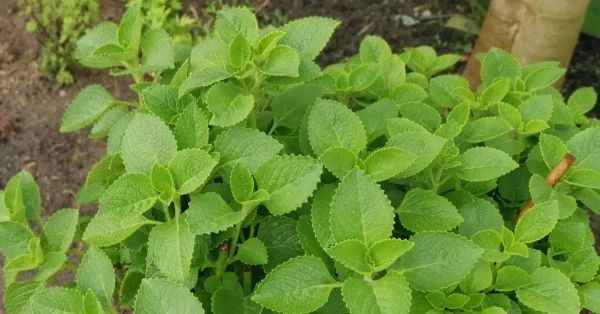
How to Grow Cuban Oregano Plants: A Complete Care Guide
If you’ve ever wanted a plant that combines the culinary punch of traditional oregano with [...]
Aug
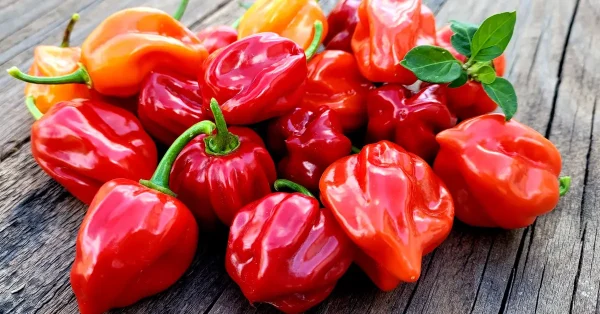
How to Grow Habanero Pepper Plants: A Step-by-Step Guide
Habanero pepper plants are prized for their vibrant colors, intense heat, and exceptional flavor, making [...]
Aug
Reviews
There are no reviews yet.