
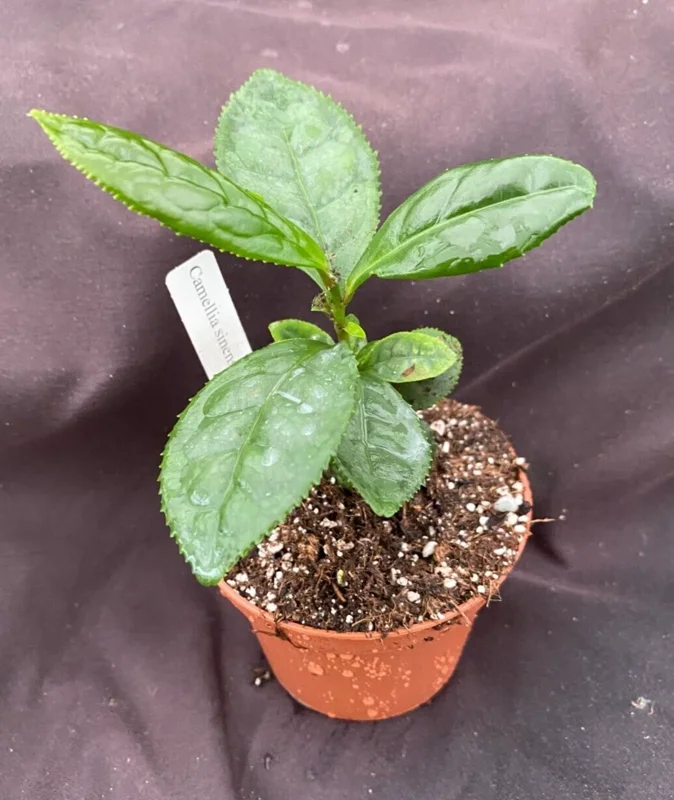
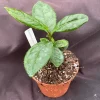
Camellia Sinensis Live Plant – Tea Tree – Grow Your Own Tea – Rooted in 3″ Pot
$32.38
Cultivate your own fresh tea leaves with this vibrant Camellia Sinensis live plant. This rooted tea tree plant arrives in a 3-inch pot, ready to thrive in your garden or as a container plant. Enjoy the process of growing your own green or black tea at home.
Shipping and Return policies:
We stand behind our plants with our Alive & Thrive Guarantee. If you experience any issues within the first 30 days, please email us, and our team will be happy to help. When needed, we’ll send you a one-time replacement free of charge to make sure your garden keeps growing strong.

Reasonable Price
We offer reasonable price

Support 24/7
Contact us 24 hrs a day
100% Money Back
You’ve 30 days to Return
Payment Secure
100% secure payment
Overview
Embark on the rewarding journey of cultivating your own tea with this exquisite Camellia Sinensis live plant. Commonly known as the tea plant or tea tree, Camellia sinensis is the very species from which all true teas – black, green, oolong, and white – are derived. This healthy, rooted specimen is carefully shipped in a 3-inch pot, ensuring it arrives ready for planting and growth. Whether you envision a dedicated tea garden or simply wish to enjoy the freshness of homegrown tea, this plant offers an exciting opportunity for gardeners of all levels. Its lush green foliage and potential for delicate white flowers add ornamental beauty to any setting, making it a versatile choice for both its practical and aesthetic appeal.
The Camellia Sinensis live plant is a remarkable addition to any home, providing not just a source of fresh tea but also an engaging horticultural project. It’s a plant steeped in history and culture, now easily accessible for your personal enjoyment. Growing your own tea allows for complete control over the cultivation process, from leaf to cup, promising a truly unique and satisfying experience. This robust young plant is propagated to ensure a strong start, allowing you to quickly establish your very own tea-producing shrub.
Key Benefits
The Camellia Sinensis live plant offers a multitude of benefits, from the joy of growing your own beverages to its natural beauty and potential health advantages. Here are some of the key reasons to add this versatile plant to your collection:
- Fresh Homegrown Tea: Enjoy the unparalleled freshness and flavor of tea leaves harvested directly from your own garden. You can process them into green, black, or oolong tea, tailoring the taste to your preference. This also ensures your tea is free from pesticides and other chemicals often found in commercial teas.
- Ornamental Appeal: Beyond its utility, the tea tree plant is an attractive evergreen shrub with glossy, dark green leaves and delicate white or pinkish-white flowers that bloom in fall or winter. It makes a beautiful addition to garden beds, borders, or even as a standalone container plant.
- Health Benefits: Tea made from Camellia sinensis is renowned for its antioxidant properties and potential health benefits, including supporting heart health and boosting metabolism. Growing your own ensures you’re consuming the purest form of these beneficial compounds.
- Educational Experience: Cultivating a Camellia Sinensis live plant provides a fascinating educational experience for both adults and children, teaching about plant cycles, tea production, and sustainable living.
- Versatile Growing: This plant can be grown both outdoors in suitable climates and indoors as a container plant, offering flexibility for various living situations. It adapts well to pruning, making it manageable for different spaces.
- Long-Lived Specimen: With proper care, a tea tree plant can be a long-term fixture in your garden, providing many years of tea harvests and natural beauty.
Plant Care & Growing Tips
Caring for your Camellia Sinensis live plant is straightforward, and with the right conditions, it will thrive and reward you with abundant leaves for tea. Understanding the specific needs of your tea tree plant is crucial for its long-term health and productivity. This plant generally prefers a slightly acidic soil and consistent moisture, mirroring its native subtropical and tropical highland environments.
Sunlight Requirements
Camellia sinensis thrives in partial shade to full sun. In hotter climates, it benefits from some afternoon shade to protect its leaves from scorching. If growing indoors, place it near a window that receives bright, indirect light for at least 4-6 hours a day. A south or east-facing window is often ideal, but be mindful of intense midday sun. Rotating the pot regularly will ensure even growth.
Watering Schedule and Soil Moisture Preferences
Keep the soil consistently moist but never waterlogged. Water thoroughly when the top inch of soil feels dry to the touch. During hot, dry periods, or if your plant is in a container, you may need to water more frequently. Ensure good drainage to prevent root rot, which is a common issue for overwatered plants. The grow tea plant prefers rainwater or distilled water if your tap water is hard or alkaline, as this helps maintain the necessary soil acidity.
Soil Type and Drainage Requirements
The ideal soil for your Camellia Sinensis live plant is well-draining, rich in organic matter, and acidic, with a pH between 5.5 and 6.5. A good potting mix for acid-loving plants, or a blend of peat moss, pine bark, and perlite, works well for containers. For in-ground planting, amend heavy clay soils with compost and sand to improve drainage and adjust pH if necessary. Proper drainage is paramount to prevent fungal diseases and ensure healthy root development.
Temperature Range and USDA Hardiness Zone
Camellia sinensis is hardy in USDA zones 7-9, but some varieties can tolerate zone 6 with protection. It prefers temperatures between 65-80°F (18-27°C) during the growing season and can tolerate cooler temperatures down to 10°F (-12°C) when dormant, though protection from harsh freezes is recommended. If growing indoors, protect it from extreme temperature fluctuations and cold drafts.
Fertilization Schedule and Type
Fertilize your tea tree plant during the growing season (spring and summer) with a slow-release, acid-forming fertilizer formulated for camellias or other acid-loving plants. Follow the product instructions for application rates. Avoid fertilizing in late fall or winter when the plant is dormant. Over-fertilization can harm the plant, so less is often more.
Common Problems and Solutions
Watch out for pests like aphids, scale, and spider mites, especially on indoor plants. Treat infestations with insecticidal soap or neem oil. Yellowing leaves can indicate nutrient deficiency, usually iron, which can be corrected with an acid-forming fertilizer or iron supplement. Root rot is a sign of overwatering or poor drainage; ensure your plant is in well-draining soil and a pot with drainage holes. Understanding tea tree plant care will help you address these issues proactively.
Size & Details
This Camellia Sinensis live plant is shipped as a healthy, rooted plant in a 3-inch nursery pot, providing a robust start for your tea-growing endeavors. Upon arrival, the plant will typically stand between 4 to 8 inches tall, with established roots ready for transplanting. While growth rates vary based on environmental conditions and care, a tea tree plant can eventually reach a mature height of 6-10 feet in optimal outdoor conditions, though it can be kept much smaller through regular pruning, especially for tea harvesting. When grown in containers, its size is naturally limited, making it suitable for patios or indoor settings. Expect your plant to begin producing harvestable leaves within 1-2 years, with more significant yields as it matures.
The plant’s evergreen nature ensures year-round foliage, adding continuous greenery to your space. Its compact size when shipped makes it easy to handle and establish. The goal is to provide a strong foundation for your future tea harvests, focusing on healthy root development and vigorous initial growth. With consistent care, this Camellia Sinensis live plant will develop into a beautiful and productive shrub.
Frequently Asked Questions
-
Q: How big does this Camellia Sinensis live plant get?
A: In optimal outdoor conditions, a mature tea tree plant can grow 6-10 feet tall and wide. However, it can be easily maintained at a smaller size, typically 3-5 feet, through regular pruning, especially when grown in containers or for tea harvesting. -
Q: What size pot does it come in?
A: This Camellia Sinensis live plant is shipped as a rooted plant in a 3-inch nursery pot. This size is ideal for safe transport and provides a good starting point for your plant to establish itself before transplanting. -
Q: Is this an indoor or outdoor plant?
A: Camellia sinensis can be grown both indoors and outdoors. It thrives outdoors in USDA zones 7-9. In colder climates, it can be grown in a container and brought indoors during winter, or cultivated year-round as a houseplant with sufficient light. -
Q: How much sunlight does it need?
A: The tea tree plant prefers partial shade to full sun. In regions with intense summer heat, some afternoon shade is beneficial. Indoors, aim for bright, indirect light for several hours daily. -
Q: Is this plant easy to care for? Is it good for beginners?
A: Yes, with attention to its specific needs for acidic soil and consistent moisture, the Camellia Sinensis live plant is relatively easy to care for and can be a rewarding project for beginner gardeners. The key is understanding its basic requirements for water, light, and soil pH. -
Q: What condition will it arrive in? Is it shipped in soil?
A: Your Camellia Sinensis live plant will arrive as a healthy, rooted plant in its 3-inch nursery pot with soil. It is carefully packaged to ensure its safe arrival, ready for you to acclimate and transplant. -
Q: Can I really make tea from the leaves?
A: Absolutely! The leaves from your tea tree plant are precisely what is used to make all types of true tea. You can harvest the young leaves and process them yourself to create your own green, black, or oolong tea. Many resources are available on how to grow tea plant and process the leaves. -
Q: How long until it blooms?
A: Camellia sinensis typically blooms in the fall or winter months, producing small, fragrant white or light pink flowers. Young plants may take 1-2 years to produce their first blooms. -
Q: Will it survive winter in my zone? What’s the minimum temperature?
A: The tea tree plant is generally hardy in USDA Zones 7-9. It can tolerate temperatures down to about 10°F (-12°C) when dormant. In colder zones, it needs winter protection or should be grown in a container and moved indoors. -
Q: What are the Camellia sinensis benefits beyond making tea?
A: Beyond its use for tea, the plant is an attractive evergreen shrub that provides year-round greenery and delicate flowers, adding aesthetic value to your garden or home. It also contributes to local biodiversity if planted outdoors. -
Q: Can I grow a green tea plant indoor?
A: Yes, Camellia sinensis can be successfully grown indoors as a houseplant, especially in colder climates. Ensure it receives bright, indirect light, consistent moisture, and protection from drafts, and maintain appropriate humidity levels.
Be the first to review “Camellia Sinensis Live Plant – Tea Tree – Grow Your Own Tea – Rooted in 3″ Pot”
You must be logged in to post a review.
People also Viewed
Sold 50 products
$32.38
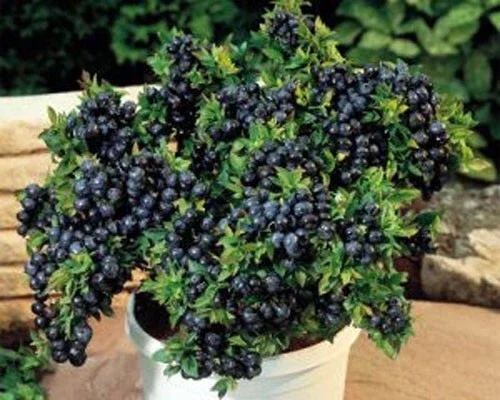
Sold 50 products
$27.38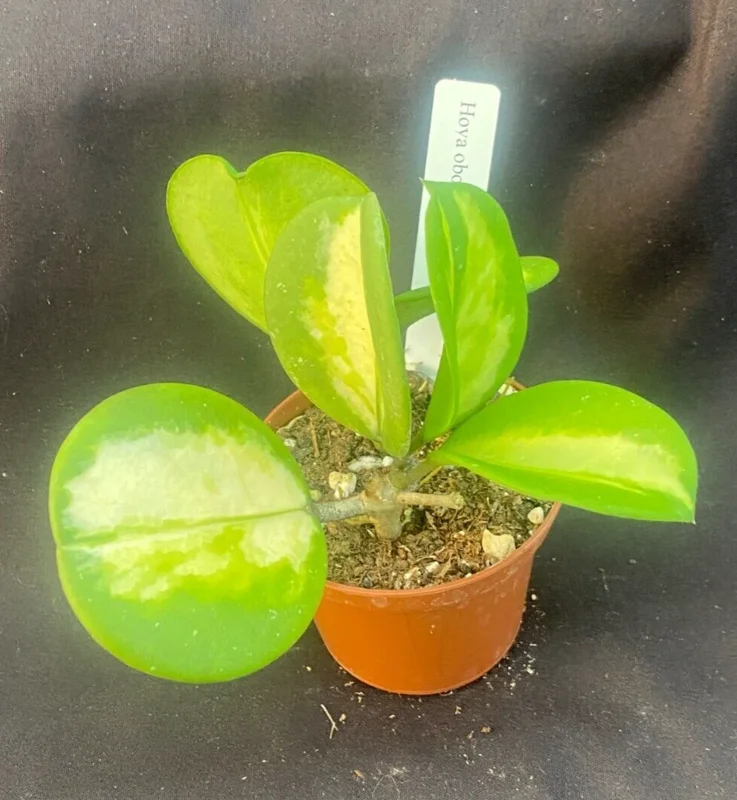
Sold 50 products
$32.38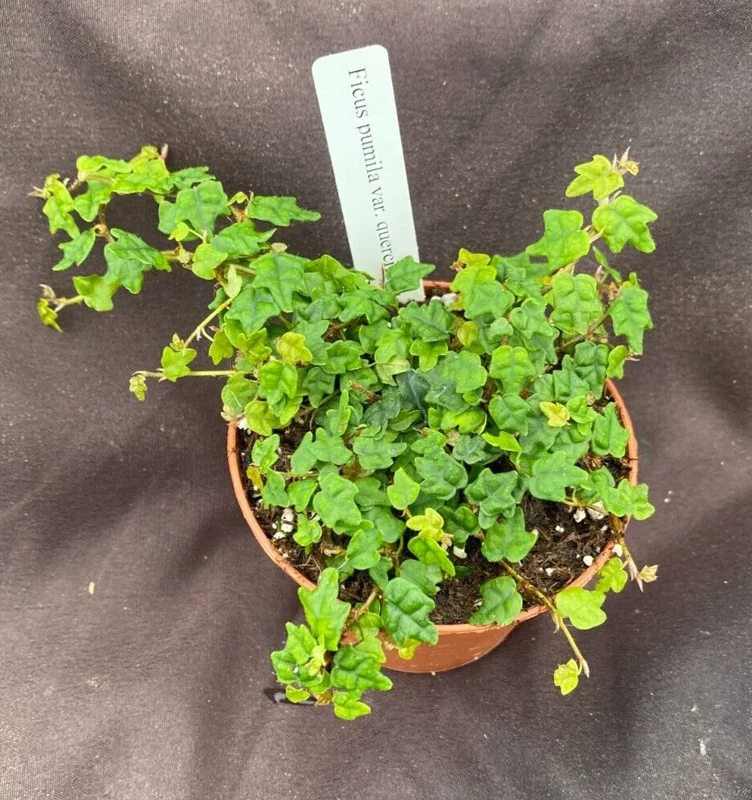
Sold 50 products
$19.88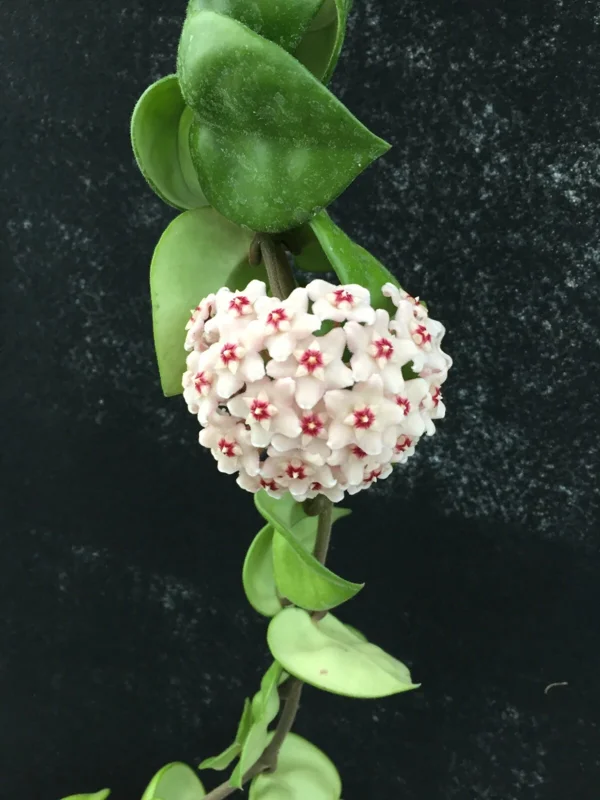
Sold 50 products
$62.38
Sold 50 products
$24.88
Houseplants
Phalaenopsis pulcherrima ‘Mauna Kea Snow’ Orchid Live Plant – White Flowers, Potted 2.5 in
Sold 50 products
$49.88
Sold 50 products
$49.88RELATED posts
Awapuhi Wild Ginger Plant: Zones, Care, and Propagation
Learn which USDA zones suit awapuhi wild ginger, plus sunlight, water, planting, propagation, pests, size, [...]
Awapuhi Shampoo Ginger – Care, Growing Zones, and Differences
Learn how to grow awapuhi (shampoo) ginger, its USDA zones, watering schedule, propagation tips, and [...]
Awapuhi Shampoo Plant Buying Guide – Choose the Right Zingiber zerumbet
META: Learn which awapuhi (shampoo ginger) plant or rhizome pack gives the best natural shampoo, [...]
Awapuhi Plant for Sale: Complete Buying Guide
Find the right awapuhi (shampoo ginger) plant, size, price, soil mix, and online source. Practical [...]
Shampoo Ginger Plant for Sale – Buying Guide & Tips
Find the right shampoo ginger plant, size, price, and care tips. Quick guide for U.S. [...]
Shampoo Ginger Plant (Awapuhi) Care Guide
Learn how to grow, care for, and use shampoo ginger (Zingiber zerumbet), the tropical awapuhi [...]
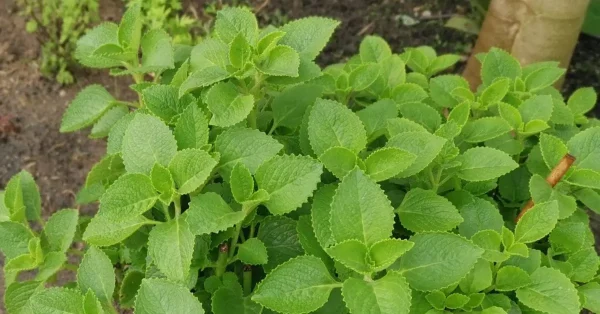
How to Grow Cuban Oregano Plants: A Complete Care Guide
If you’ve ever wanted a plant that combines the culinary punch of traditional oregano with [...]
Aug
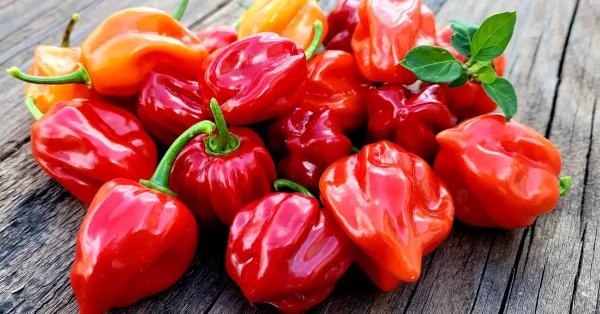
How to Grow Habanero Pepper Plants: A Step-by-Step Guide
Habanero pepper plants are prized for their vibrant colors, intense heat, and exceptional flavor, making [...]
Aug
Reviews
There are no reviews yet.