
California Pipevine Seeds – Aristolochia californica – 10 Seeds – Host Plant
Original price was: $35.00.$26.00Current price is: $26.00.
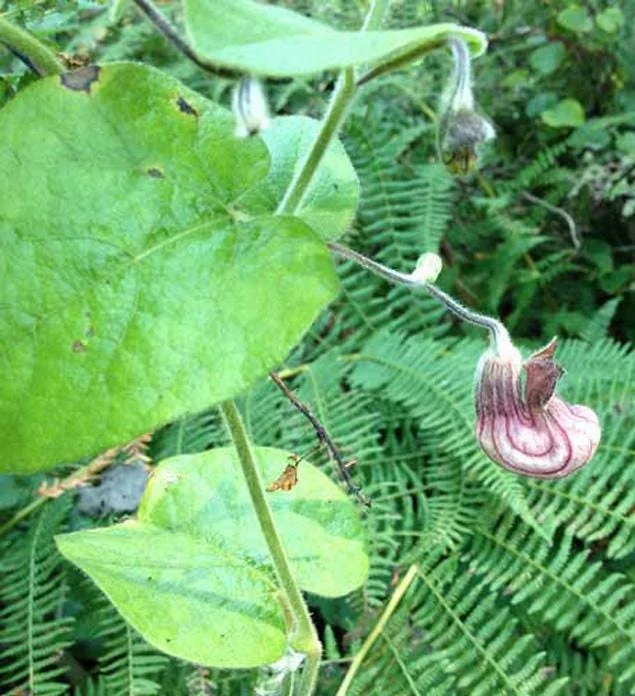
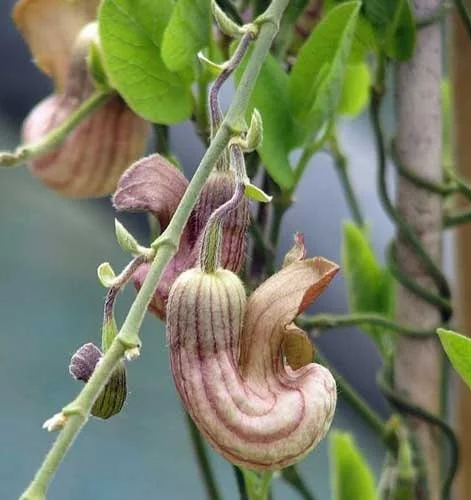
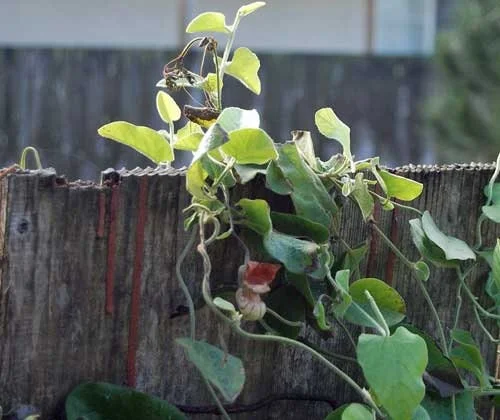
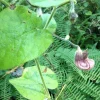
Cultivate the enchanting California Pipevine seeds (Aristolochia californica), a captivating native vine perfect for supporting local ecosystems. These 10 seeds will grow into plants featuring heart-shaped leaves and distinctive maroon, curved flowers, serving as an essential host for the Pipevine Swallowtail butterfly.
Shipping and Return policies:
We stand behind our plants with our Alive & Thrive Guarantee. If you experience any issues within the first 30 days, please email us, and our team will be happy to help. When needed, we’ll send you a one-time replacement free of charge to make sure your garden keeps growing strong.

Reasonable Price
We offer reasonable price

Support 24/7
Contact us 24 hrs a day
100% Money Back
You’ve 30 days to Return
Payment Secure
100% secure payment
Overview
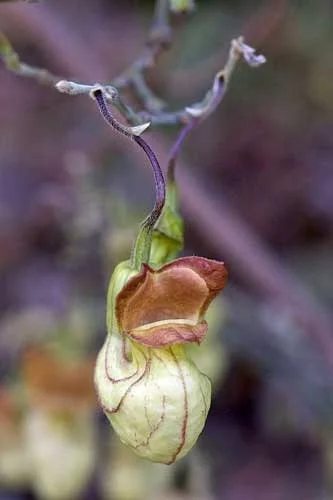
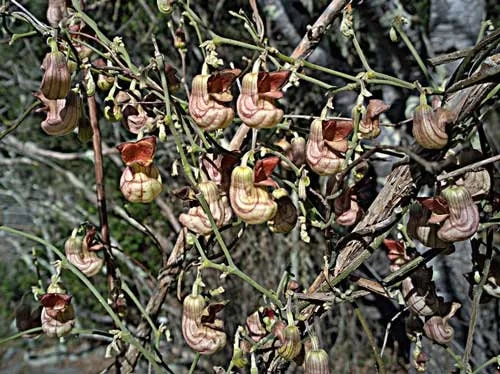
Discover the beauty and ecological value of the California Pipevine seeds (Aristolochia californica). This unique offering provides 10 seeds of a captivating native vine, renowned for its distinctive appearance and vital role in supporting biodiversity. The California Pipevine, also known simply as Pipevine, is a deciduous plant that will bring a touch of natural elegance to your garden. Its heart-shaped leaves create a lush backdrop for the truly remarkable maroon flowers, which feature an unusual flaring, curved tube shape. These intriguing blooms are not only visually striking but also serve a crucial purpose in the ecosystem, making Aristolochia californica seeds a top choice for environmentally conscious gardeners. By planting these seeds, you contribute to the habitat of the beautiful Pipevine Swallowtail butterfly, ensuring a charming and ecologically rich garden space.
Growing California Pipevine seeds allows you to cultivate a resilient and ecologically valuable plant right in your backyard. This native vine thrives in specific conditions, rewarding patient gardeners with its unique aesthetics and active wildlife support. Ideal for zones 8-10, this plant is a testament to the beauty of native flora and the intricate connections within natural habitats. Embrace the opportunity to foster local wildlife and enhance your garden’s appeal with this exceptional plant.
Key Benefits
Planting California Pipevine seeds offers numerous advantages, transforming your garden into a vibrant haven for both aesthetics and wildlife. This native vine is not only beautiful but also plays a significant ecological role.
- Ecological Host Plant: The primary benefit of growing Aristolochia californica seeds is its role as the exclusive larval host plant for the Pipevine Swallowtail butterfly. By providing food for their caterpillars, you directly support the life cycle of these stunning native butterflies, enhancing local biodiversity.
- Unique Ornamental Appeal: With its heart-shaped leaves and distinctive maroon, pipe-shaped flowers, the California Pipevine offers a truly unique visual element to any garden. Its unusual blooms are a conversation starter and add an exotic touch.
- Native and Resilient: As a native California plant, the California Pipevine is well-adapted to its local climate, making it a relatively low-maintenance and resilient addition to gardens within its hardiness zones.
- Attractive Foliage: Beyond its flowers, the lush, heart-shaped green foliage provides a beautiful backdrop, especially when used to cover trellises, fences, or arbors, adding texture and greenery to your landscape.
- Drought Tolerance: Once established, California Pipevine seeds plants exhibit good drought tolerance, making them suitable for water-wise gardening practices in appropriate climates.
- Wildlife Attraction: In addition to Pipevine Swallowtail butterflies, the unique flowers may attract other pollinators and beneficial insects, contributing to a healthy garden ecosystem.
- Supports Local Ecosystems: By choosing native plants like this, you help maintain the balance of local ecosystems, providing essential resources for native wildlife that have co-evolved with these plants.
Plant Care & Growing Tips
Successfully growing California Pipevine seeds requires attention to specific conditions to ensure healthy germination and robust plant development. This deciduous vine thrives in well-draining soil and prefers a location with full sun to partial shade. In hotter climates, partial shade during the hottest part of the day can prevent stress. Adequate air circulation is also beneficial to prevent fungal issues. For optimal growth, ensure the soil remains consistently moist, especially during the establishment phase, but avoid waterlogging, which can lead to root rot. A layer of mulch can help retain soil moisture and regulate soil temperature.
The California Pipevine is hardy in USDA Zones 8-10. During colder months in the lower end of its hardiness range, the plant may lose its leaves, only to re-emerge in spring. Fertilization should be moderate; a balanced, slow-release fertilizer in early spring can support vigorous growth. Avoid excessive nitrogen, which can lead to lush foliage at the expense of flowering. Pruning can be done in late winter or early spring to shape the plant, remove dead or damaged branches, and encourage bushier growth. Watch out for common garden pests, though the California Pipevine is generally resistant. Its unique chemistry, which deters many herbivores, is also what makes it a specific food source for the Pipevine Swallowtail.
Size & Details
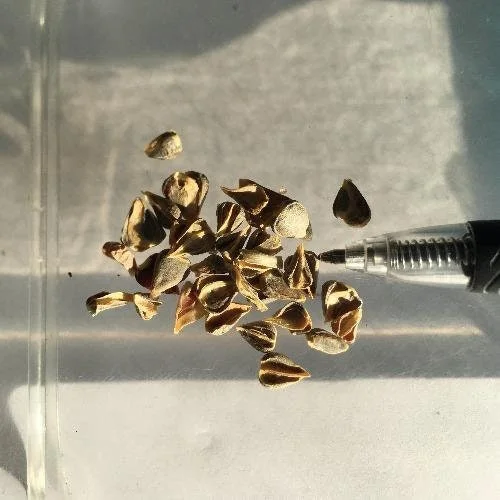
This product includes 10 California Pipevine seeds (Aristolochia californica), ready for germination. Once established, the California Pipevine is a vigorous climbing vine, typically reaching heights of 10 to 20 feet, though it can grow even taller with ideal support and conditions. Its spread can be considerable, making it an excellent choice for covering large trellises, arbors, or fences. The plant will arrive as a packet of seeds, requiring home germination and cultivation. Growth rate is moderate to fast once established, and you can expect the plant to begin flowering within 1-2 years from germination, depending on growing conditions and care. The unique maroon flowers are generally 1-2 inches long, emerging in spring and early summer.
The seeds require scarification and soaking to aid germination, which typically occurs within 2-6 weeks under optimal conditions. Mature plants will develop a robust root system and woody stems over time. Providing a sturdy support structure is crucial for this climbing vine. The deciduous nature means it will shed leaves in colder months, offering seasonal interest and a period of dormancy before re-emerging with fresh growth in spring. These Aristolochia californica seeds offer a rewarding project for gardeners seeking to add a distinctive native element to their landscape.
Frequently Asked Questions
- Q: How big does the California Pipevine get? A: The California Pipevine is a vigorous vine that typically grows 10 to 20 feet tall, but it can reach greater heights with proper support. Its spread can also be quite extensive, making it suitable for large trellises or arbors.
- Q: Is this an indoor or outdoor plant? A: The California Pipevine (Aristolochia californica) is primarily an outdoor plant, native to California. It thrives in suitable outdoor conditions within USDA Zones 8-10.
- Q: How much sunlight does it need? A: This plant prefers full sun to partial shade. In regions with intense summer heat, providing some afternoon shade can protect the foliage from scorching.
- Q: Is this plant easy to care for? A: Once established, the California Pipevine is relatively low-maintenance, especially when grown in its native range. The initial germination and seedling care for California Pipevine seeds require a bit more attention.
- Q: What condition will the seeds arrive in? A: You will receive a packet containing 10 viable California Pipevine seeds, ready for scarification and planting according to the provided instructions.
- Q: How long until it blooms? A: Typically, the California Pipevine grown from seeds will begin to produce its unique maroon flowers within 1 to 2 years after germination, depending on the growing conditions and care it receives.
- Q: Will it survive winter in my zone? A: The California Pipevine is hardy in USDA Zones 8-10. If you are in these zones, it should survive winter, often losing its leaves and regrowing in spring. In colder zones, it may not survive outdoors without significant protection.
- Q: What is the best soil for California Pipevine seeds? A: Plant these seeds in a well-draining seed starting mix. For mature plants, well-draining garden soil is essential to prevent root rot.
- Q: Why is scarification needed for these seeds? A: Aristolochia californica seeds have a hard outer coat that benefits from scarification (lightly scratching or nicking) to help water penetrate and encourage germination. Soaking after scarification further aids this process.
- Q: What is the main benefit of planting California Pipevine? A: The primary benefit is its role as the exclusive larval host plant for the Pipevine Swallowtail butterfly, making it an excellent choice for supporting local ecosystems and biodiversity.
Be the first to review “California Pipevine Seeds – Aristolochia californica – 10 Seeds – Host Plant”
You must be logged in to post a review.
People also Viewed
Sold 50 products
Original price was: $109.95.$79.98Current price is: $79.98.
Sold 50 products
Original price was: $25.00.$17.50Current price is: $17.50.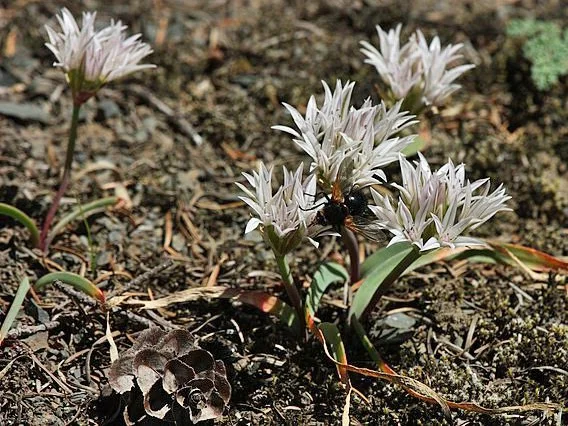
Flower Seeds
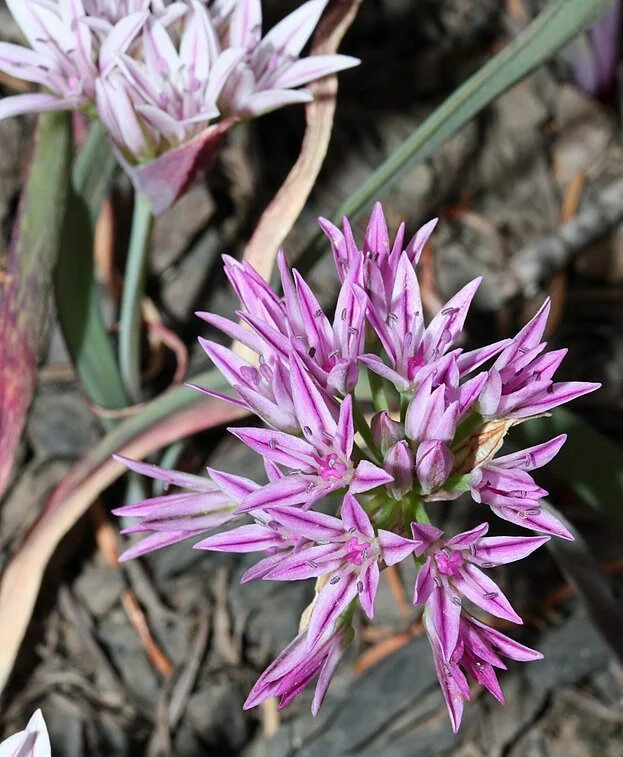
Olympic Onion Seeds – Allium crenulatum Flower Seeds – 10 Seed Pack – Outdoor Native Plant
Sold 50 products
Original price was: $25.00.$17.50Current price is: $17.50.
Sold 50 products
Original price was: $25.00.$17.50Current price is: $17.50.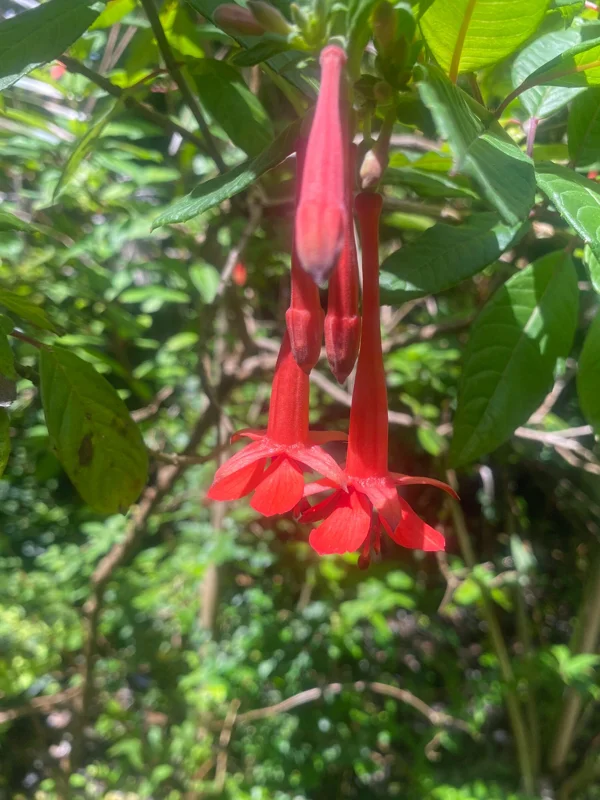
Flower Seeds
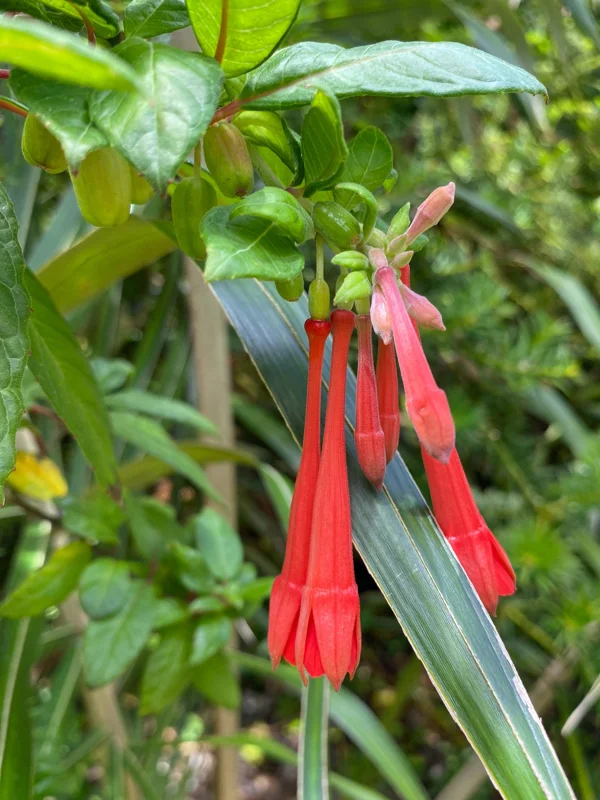
Fuchsia vulcanica Seeds – 20 Pack – Vibrant Orange Coral Flowers for Garden & Containers
Sold 50 products
Original price was: $25.00.$17.50Current price is: $17.50.
Sold 50 products
Original price was: $116.98.$95.68Current price is: $95.68.
Sold 50 products
Original price was: $21.00.$14.10Current price is: $14.10.
Aquatic Plant Seeds
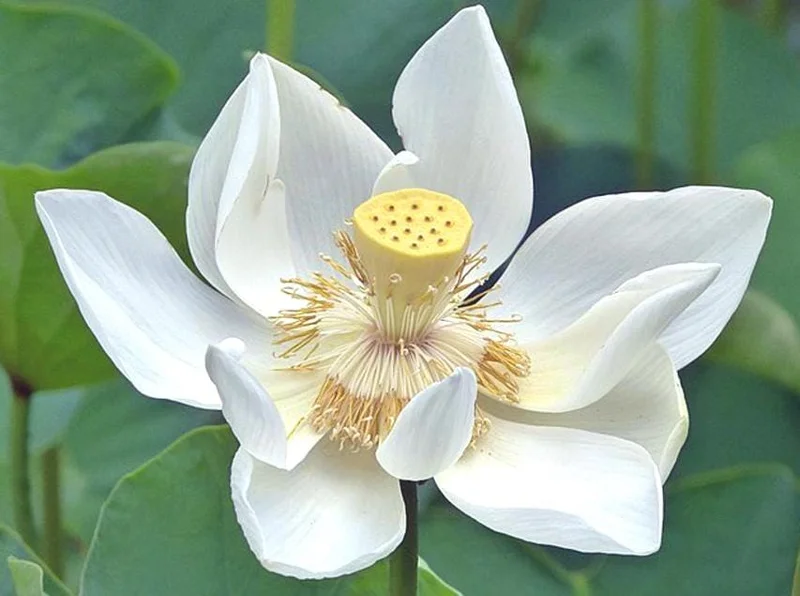
White Lotus Seeds – Nelumbo Nucifera Aquatic Pond Plant – 5 Seeds for Water Garden
Sold 50 products
Original price was: $29.00.$20.90Current price is: $20.90.RELATED posts
Awapuhi Wild Ginger Plant: Zones, Care, and Propagation
Learn which USDA zones suit awapuhi wild ginger, plus sunlight, water, planting, propagation, pests, size, [...]
Awapuhi Shampoo Ginger – Care, Growing Zones, and Differences
Learn how to grow awapuhi (shampoo) ginger, its USDA zones, watering schedule, propagation tips, and [...]
Awapuhi Shampoo Plant Buying Guide – Choose the Right Zingiber zerumbet
META: Learn which awapuhi (shampoo ginger) plant or rhizome pack gives the best natural shampoo, [...]
Awapuhi Plant for Sale: Complete Buying Guide
Find the right awapuhi (shampoo ginger) plant, size, price, soil mix, and online source. Practical [...]
Shampoo Ginger Plant for Sale – Buying Guide & Tips
Find the right shampoo ginger plant, size, price, and care tips. Quick guide for U.S. [...]
Shampoo Ginger Plant (Awapuhi) Care Guide
Learn how to grow, care for, and use shampoo ginger (Zingiber zerumbet), the tropical awapuhi [...]
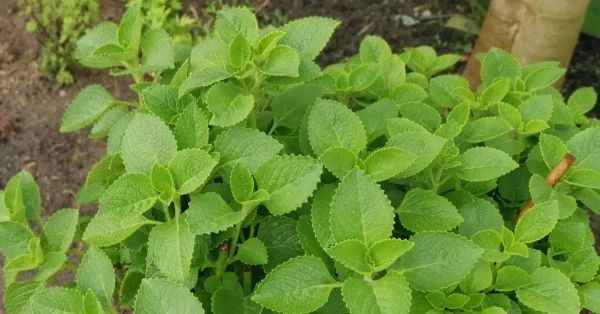
How to Grow Cuban Oregano Plants: A Complete Care Guide
If you’ve ever wanted a plant that combines the culinary punch of traditional oregano with [...]
Aug
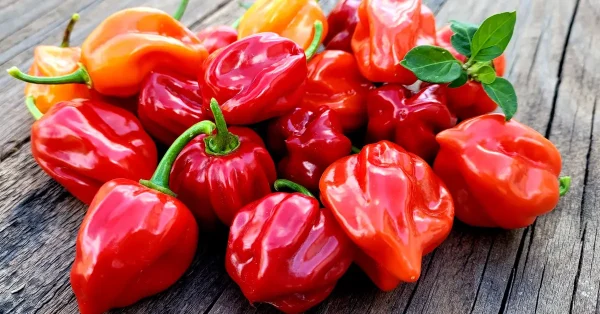
How to Grow Habanero Pepper Plants: A Step-by-Step Guide
Habanero pepper plants are prized for their vibrant colors, intense heat, and exceptional flavor, making [...]
Aug


Reviews
There are no reviews yet.