
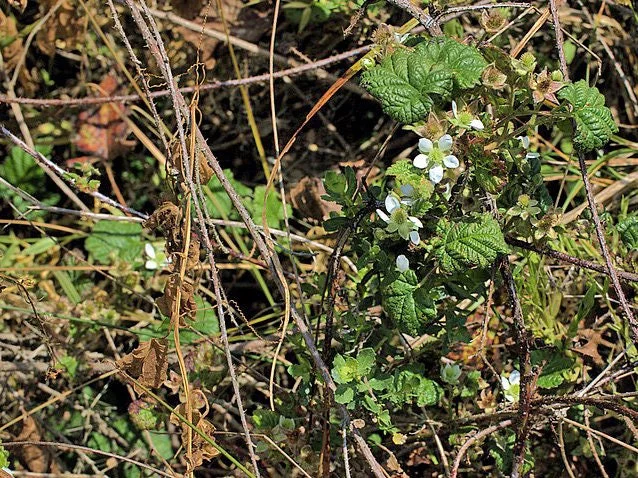
California Blackberry Seeds – Rubus ursinus – 20 Seed Pack – Native Fruit
Original price was: $25.00.$17.50Current price is: $17.50.
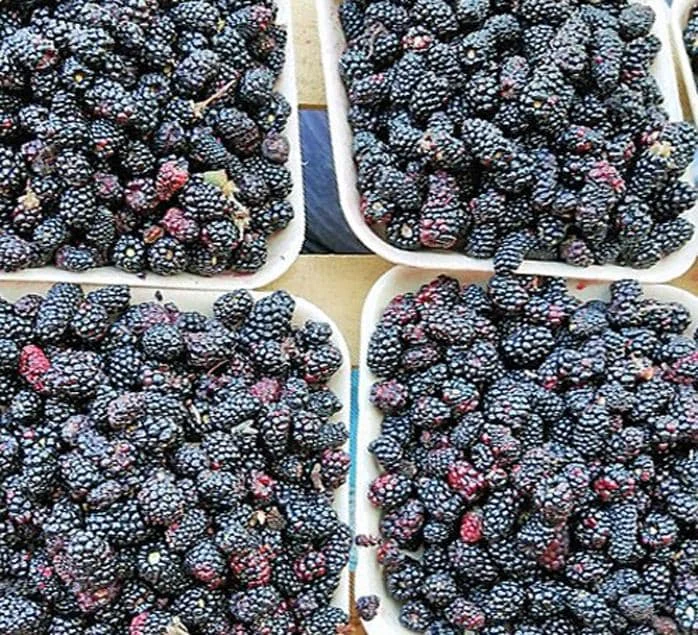
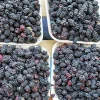
Cultivate your own native fruit with this pack of 20 California Blackberry seeds (Rubus ursinus). This deciduous shrub produces delicious berries and supports local wildlife, making it an excellent choice for naturalized gardens and erosion control.
Shipping and Return policies:
We stand behind our plants with our Alive & Thrive Guarantee. If you experience any issues within the first 30 days, please email us, and our team will be happy to help. When needed, we’ll send you a one-time replacement free of charge to make sure your garden keeps growing strong.

Reasonable Price
We offer reasonable price

Support 24/7
Contact us 24 hrs a day
100% Money Back
You’ve 30 days to Return
Payment Secure
100% secure payment
Overview
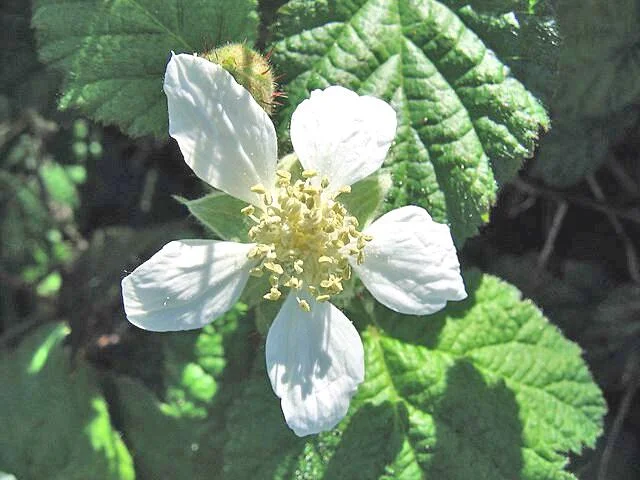
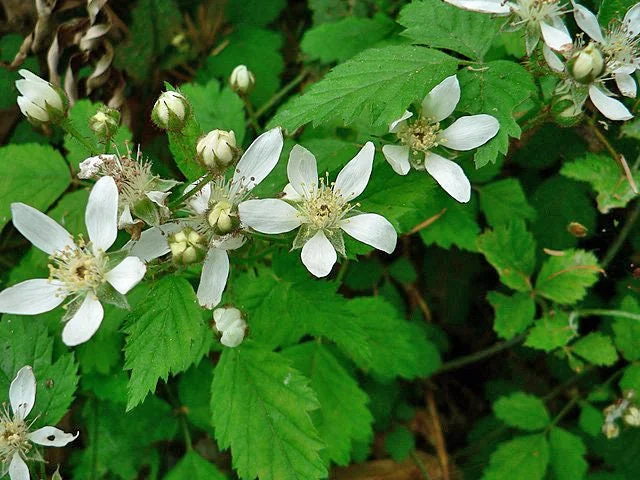
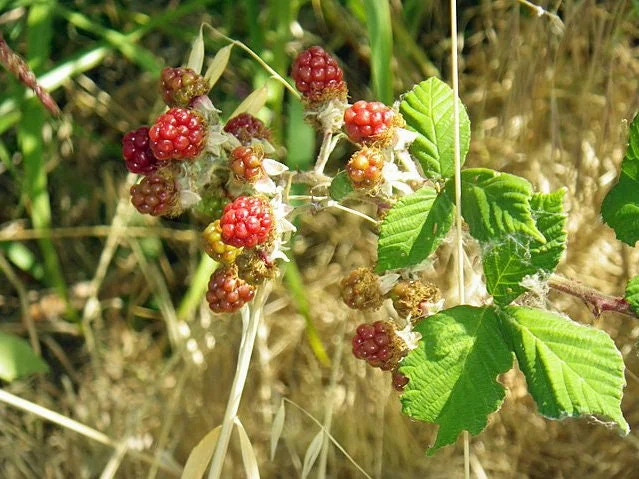
Embark on a rewarding gardening journey by growing your own California Blackberry seeds. This pack contains 20 seeds of Rubus ursinus, commonly known as the California blackberry or trailing blackberry. This native deciduous shrub thrives in the western regions of North America, particularly in California, and is well-adapted to diverse habitats, ranging from coastal scrublands to wooded areas and canyons. Characterized by its trailing and arching stems, Rubus ursinus produces compound leaves with toothed edges. The plant blooms with white to pale pink flowers, followed by delicious blackberries that are a favorite among foragers and wildlife alike. These berries are not only prized for their sweet taste but also for their nutritional value, being rich in antioxidants, vitamins, and fiber. Growing Rubus ursinus seeds allows you to contribute to local ecosystems and enjoy fresh, homegrown fruit.
The California blackberry plays a crucial ecological role by providing habitat and food for various species. It is also valued for its ability to prevent soil erosion due to its spreading nature. Conservation efforts are in place to ensure the preservation of Rubus ursinus and its ecological contributions in the diverse ecosystems it inhabits. Cultivating these seeds offers a unique opportunity to connect with nature and enjoy a resilient, low-maintenance plant. If you’re looking to grow California blackberry, these seeds provide an excellent starting point.
Key Benefits
Planting California Blackberry seeds offers a multitude of advantages for both your garden and the environment. This native species is a valuable addition to any landscape, providing both aesthetic appeal and ecological support.
- Delicious Edible Fruit: Enjoy sweet, nutritious blackberries directly from your garden. These berries are perfect for fresh eating, jams, pies, and smoothies, offering a rich source of antioxidants and vitamins.
- Supports Wildlife: The berries are a favorite food source for birds and other small animals, while the dense foliage provides essential habitat and cover, making your garden a haven for local fauna.
- Erosion Control: With its vigorous, spreading nature, the trailing blackberry is an excellent choice for stabilizing soil on slopes and preventing erosion, particularly in naturalized or wild areas.
- Adaptable & Resilient: As a native plant, Rubus ursinus is well-adapted to a variety of soil types and conditions within its hardiness zones, requiring less intervention once established.
- Attractive Foliage & Flowers: The plant features compound leaves with toothed edges and delicate white to pale pink flowers, adding natural beauty to your landscape before the fruit appears.
- Low Maintenance: Once established, this native shrub requires minimal care, making it ideal for gardeners seeking productive plants without extensive upkeep.
- Ecological Contribution: By planting native blackberry seeds, you help preserve local biodiversity and support the health of your regional ecosystem.
Plant Care & Growing Tips
Successfully germinating and growing Rubus ursinus seeds requires a few key steps to ensure robust plant development. To germinate California Blackberry seeds, start by cleaning the seeds thoroughly to remove any remaining fruit debris. The next crucial step involves stratification to break seed dormancy. Place the cleaned seeds in a cold and moist environment, such as a sealed bag with damp sand or peat moss, in your refrigerator for 4-6 weeks. This process replicates winter conditions, signaling to the seed that it’s time to sprout.
After stratification, sow the seeds in a well-draining growing medium, such as a mix of soil and sand, about 1/4 inch deep. Maintain adequate moisture during the germination process, ensuring the soil remains consistently damp but not waterlogged. Position the planting container or area in a well-lit location, as Rubus ursinus favors full sun to partial shade for optimal growth. Once seedlings emerge, ensure they receive consistent moisture and consider transplanting them to their final outdoor location after the last frost. The trailing blackberry is hardy in USDA Zones 3-9.
For established plants, provide consistent moisture, especially during dry periods, but avoid overwatering. Fertilization is generally not heavily required for native plants in suitable soil, but a balanced, slow-release fertilizer can be applied in early spring if growth appears sluggish. Prune as needed to manage growth and remove dead or diseased canes. With proper care and attention to these germination instructions, you can encourage the successful sprouting of native blackberry seeds, leading to the development of young and robust plants.
Size & Details
This product includes 20 California Blackberry seeds (Rubus ursinus), providing ample opportunity to establish multiple plants. As a deciduous shrub, the California blackberry typically grows into a spreading plant, reaching lengths of 3 to 10 feet with its trailing and arching stems. It can form dense thickets, making it excellent for ground cover or naturalized areas. The plants will develop from seed over several months, with fruit production typically beginning in the second year after planting. The specific growth rate and ultimate size can vary based on growing conditions, soil fertility, and sunlight exposure.
The seeds are packaged to ensure viability and are ready for stratification and planting upon arrival. While the initial growth from seed will be small, mature plants are vigorous and can spread significantly. The berries are small to medium-sized, packed with flavor. This product is ideal for those looking to start a native plant garden, enhance wildlife habitats, or cultivate their own delicious fruit from scratch. To grow California blackberry successfully, ensure you follow the stratification and planting guidelines provided.
Frequently Asked Questions
- Q: How big does this plant get? A: The California Blackberry is a trailing shrub that can spread 3 to 10 feet in length. Its arching stems can create dense ground cover, especially when established.
- Q: Is this an indoor or outdoor plant? A: Rubus ursinus is an outdoor plant, native to western North America. It thrives in various outdoor habitats and is hardy in USDA Zones 3-9.
- Q: How much sunlight does it need? A: This plant prefers full sun to partial shade. For optimal fruit production, aim for at least 6 hours of direct sunlight per day.
- Q: Is this plant easy to care for? A: Once established, the trailing blackberry is relatively low-maintenance, especially as a native plant. The main care involves stratification for seeds and consistent moisture during establishment.
- Q: What condition will the seeds arrive in? A: The California Blackberry seeds will arrive cleaned and ready for the stratification process, packaged to maintain viability during transit.
- Q: How long until it produces fruit? A: Typically, Rubus ursinus seeds will produce plants that start bearing fruit in their second year after germination and establishment.
- Q: When is the best time to plant these seeds? A: After the required 4-6 weeks of cold stratification, the seeds should be sown in early spring, replicating natural germination cycles.
- Q: What is stratification and why is it needed for these seeds? A: Stratification is a process of exposing seeds to cold, moist conditions to break dormancy. For native blackberry seeds, it mimics winter conditions, signaling to the seed that spring has arrived and it’s safe to germinate.
- Q: Can I grow California Blackberry in a container? A: While possible, due to its trailing and spreading nature, it’s best suited for larger containers or ground planting where it has room to expand.
- Q: Are the berries edible? A: Yes, the berries of Rubus ursinus are delicious and edible, known for their sweet taste and nutritional value. They are a popular choice for foraging.
Be the first to review “California Blackberry Seeds – Rubus ursinus – 20 Seed Pack – Native Fruit”
You must be logged in to post a review.
People also Viewed
Sold 50 products
Original price was: $109.95.$79.98Current price is: $79.98.
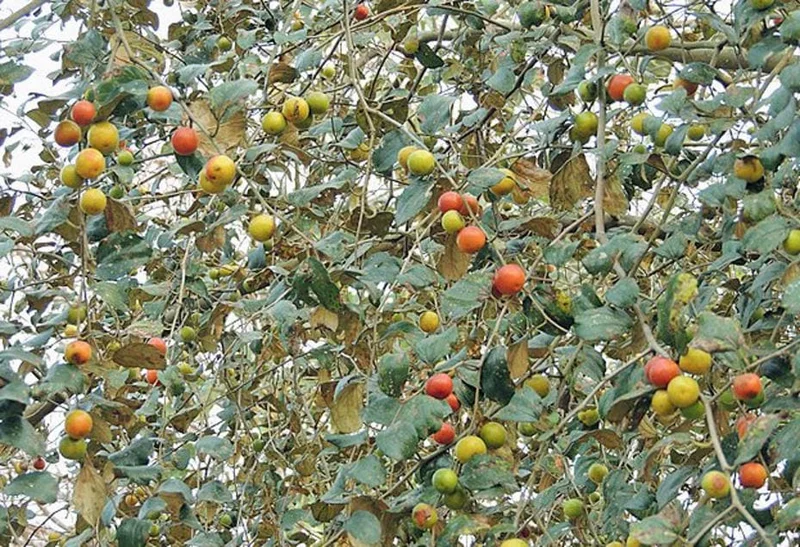
Sold 50 products
Original price was: $25.00.$17.50Current price is: $17.50.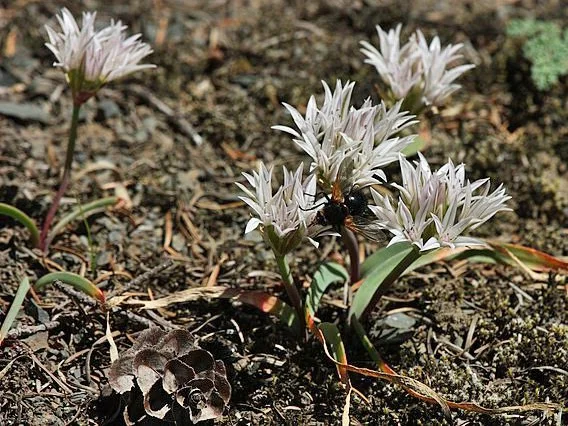
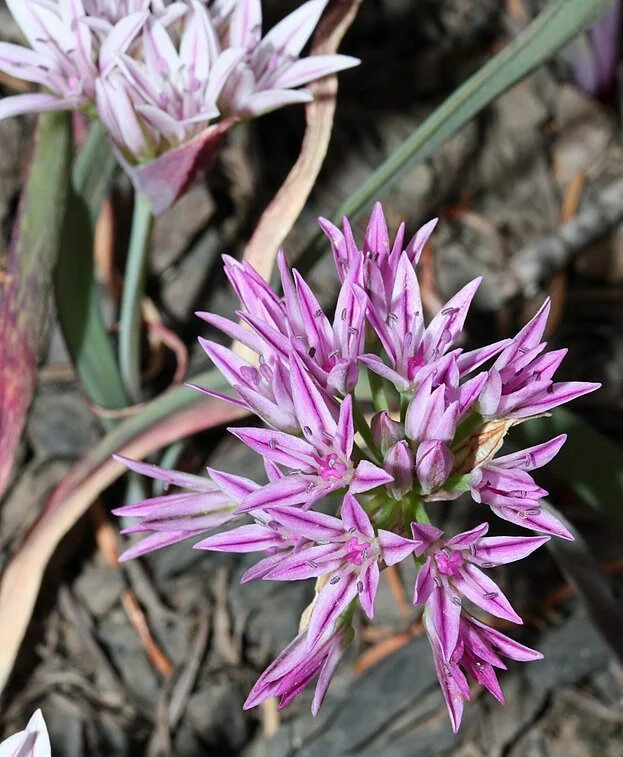
Flower Seeds
Olympic Onion Seeds – Allium crenulatum Flower Seeds – 10 Seed Pack – Outdoor Native Plant
Sold 50 products
Original price was: $25.00.$17.50Current price is: $17.50.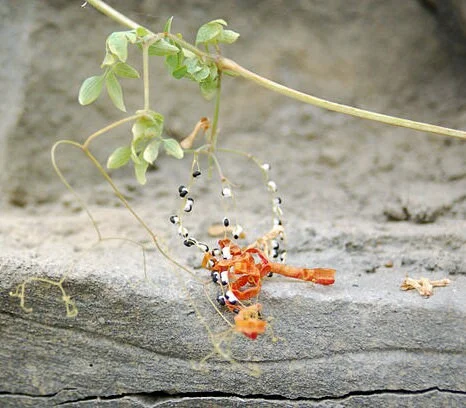
Sold 50 products
Original price was: $25.00.$17.50Current price is: $17.50.
Flower Seeds
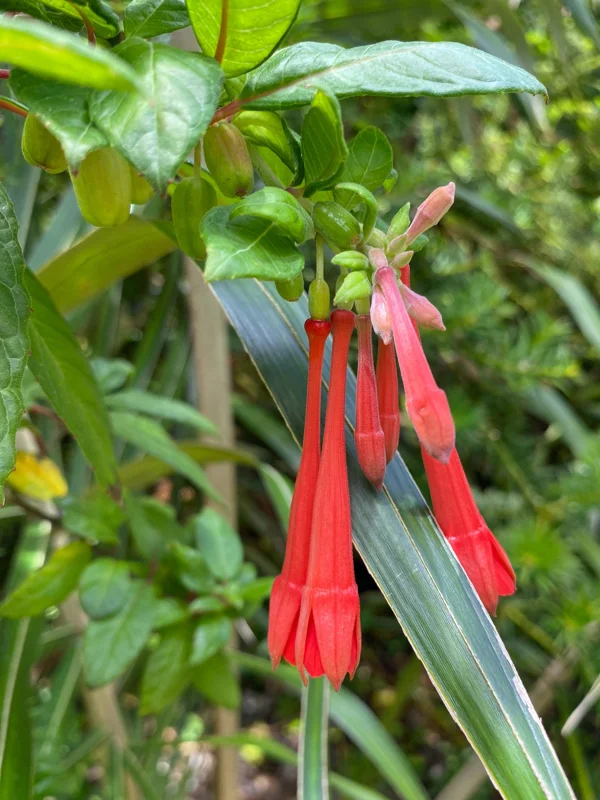
Fuchsia vulcanica Seeds – 20 Pack – Vibrant Orange Coral Flowers for Garden & Containers
Sold 50 products
Original price was: $25.00.$17.50Current price is: $17.50.
Sold 50 products
Original price was: $116.98.$95.68Current price is: $95.68.
Sold 50 products
Original price was: $21.00.$14.10Current price is: $14.10.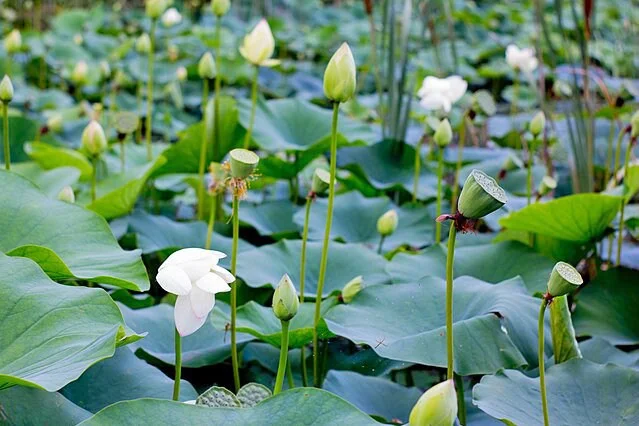
Aquatic Plant Seeds
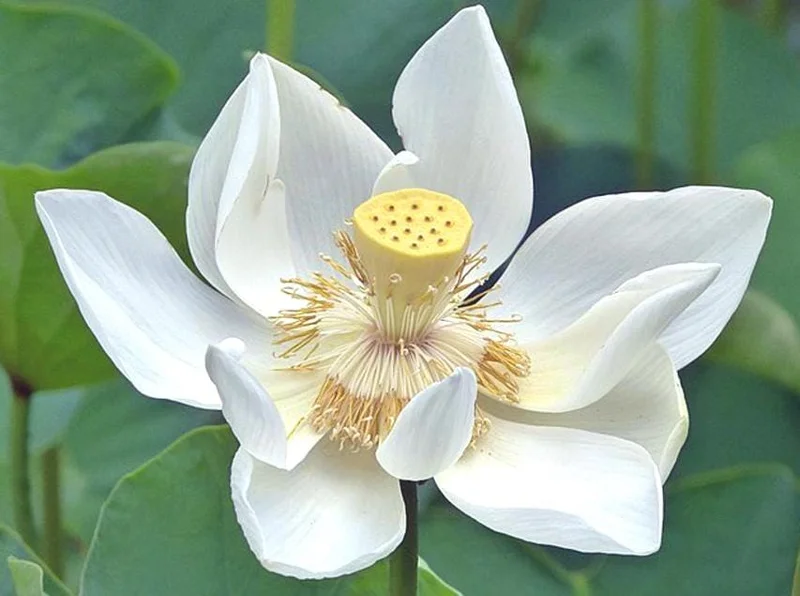
White Lotus Seeds – Nelumbo Nucifera Aquatic Pond Plant – 5 Seeds for Water Garden
Sold 50 products
Original price was: $29.00.$20.90Current price is: $20.90.RELATED posts
Awapuhi Wild Ginger Plant: Zones, Care, and Propagation
Learn which USDA zones suit awapuhi wild ginger, plus sunlight, water, planting, propagation, pests, size, [...]
Awapuhi Shampoo Ginger – Care, Growing Zones, and Differences
Learn how to grow awapuhi (shampoo) ginger, its USDA zones, watering schedule, propagation tips, and [...]
Awapuhi Shampoo Plant Buying Guide – Choose the Right Zingiber zerumbet
META: Learn which awapuhi (shampoo ginger) plant or rhizome pack gives the best natural shampoo, [...]
Awapuhi Plant for Sale: Complete Buying Guide
Find the right awapuhi (shampoo ginger) plant, size, price, soil mix, and online source. Practical [...]
Shampoo Ginger Plant for Sale – Buying Guide & Tips
Find the right shampoo ginger plant, size, price, and care tips. Quick guide for U.S. [...]
Shampoo Ginger Plant (Awapuhi) Care Guide
Learn how to grow, care for, and use shampoo ginger (Zingiber zerumbet), the tropical awapuhi [...]
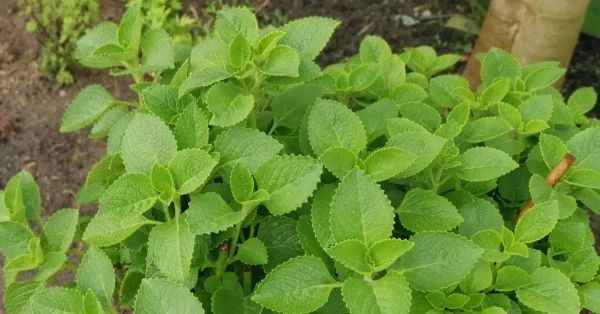
How to Grow Cuban Oregano Plants: A Complete Care Guide
If you’ve ever wanted a plant that combines the culinary punch of traditional oregano with [...]
Aug
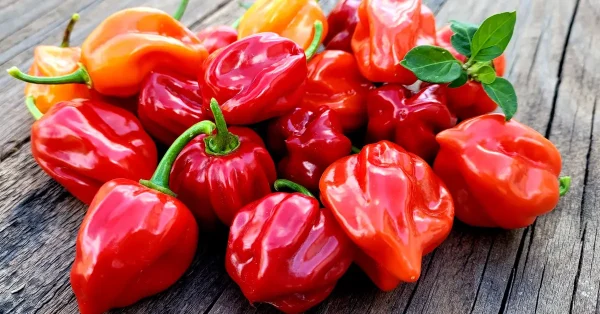
How to Grow Habanero Pepper Plants: A Step-by-Step Guide
Habanero pepper plants are prized for their vibrant colors, intense heat, and exceptional flavor, making [...]
Aug
Reviews
There are no reviews yet.