
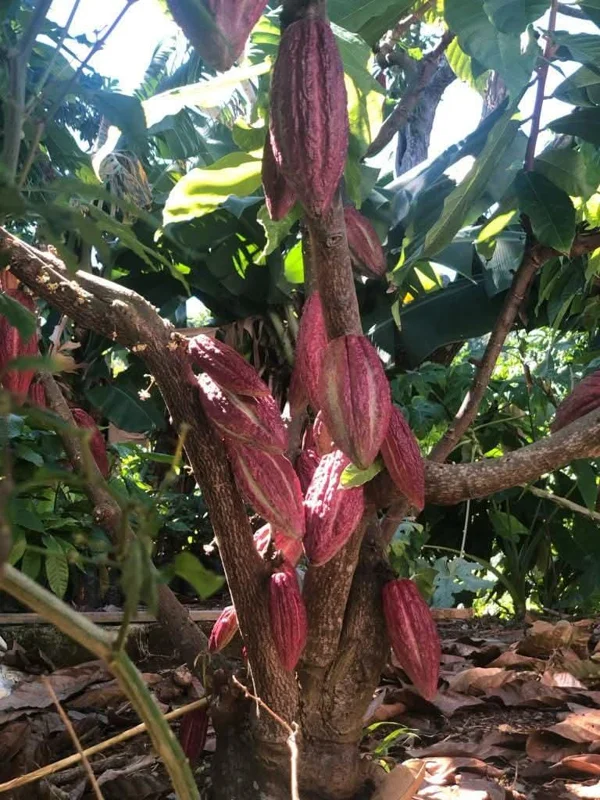
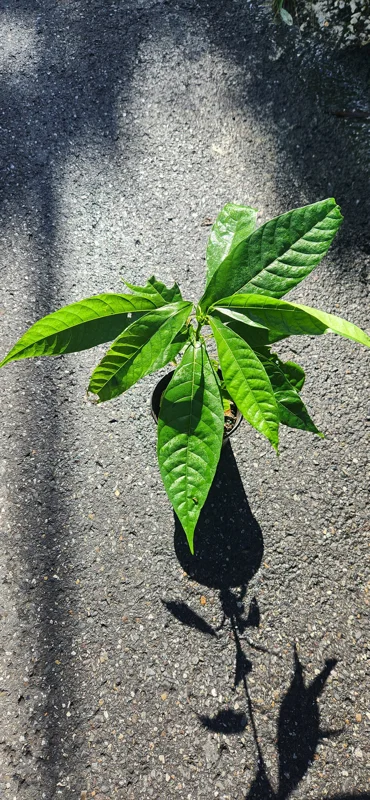
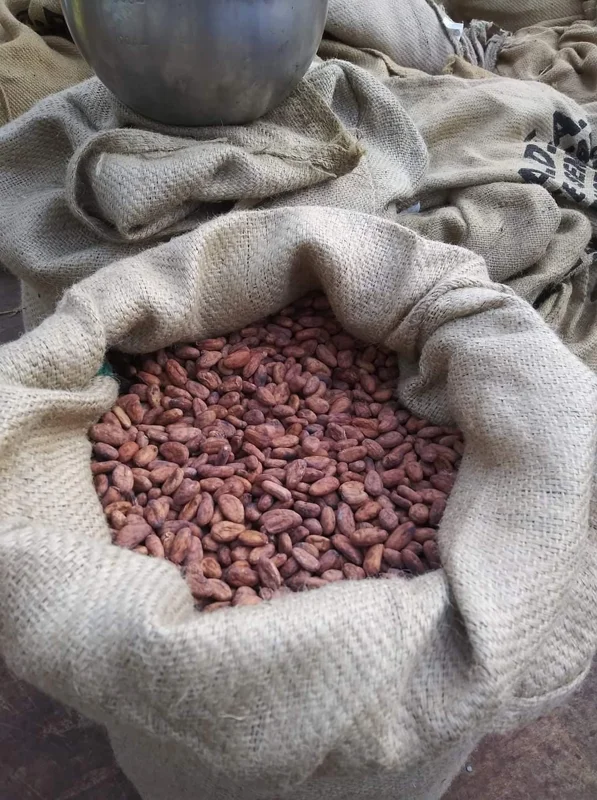
Cacao Tree Live Plant (Theobroma cacao) 12-24in – Grow Your Own Chocolate
$104.88
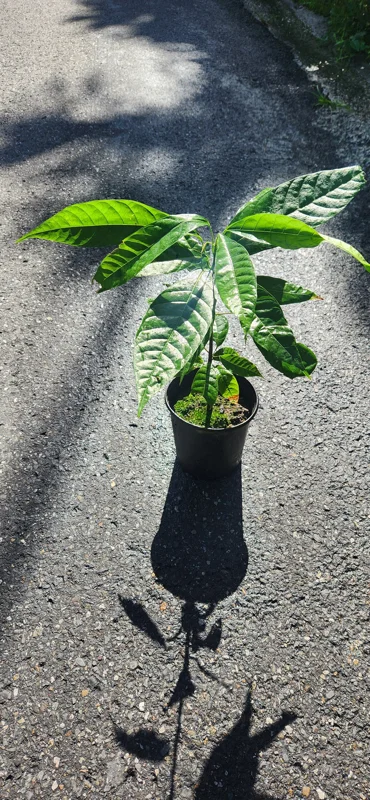
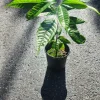
Cultivate your own chocolate with a cacao tree live plant (Theobroma cacao). This tropical fruit tree, growing 12-24 inches tall, is perfect for warm climates, producing the essential beans for homemade chocolate. Enjoy a unique and rewarding gardening experience.
Shipping and Return policies:
We stand behind our plants with our Alive & Thrive Guarantee. If you experience any issues within the first 30 days, please email us, and our team will be happy to help. When needed, we’ll send you a one-time replacement free of charge to make sure your garden keeps growing strong.

Reasonable Price
We offer reasonable price

Support 24/7
Contact us 24 hrs a day
100% Money Back
You’ve 30 days to Return
Payment Secure
100% secure payment
Overview
Embark on a unique gardening adventure by cultivating your very own cacao tree live plant. This tropical marvel, scientifically known as Theobroma cacao, is the source of the world’s most beloved treat – chocolate. Imagine the satisfaction of harvesting your own cacao beans and crafting delicious chocolate right from your home! Our healthy, vibrant cacao trees are ready to thrive in suitable warm and tropical environments, bringing an exotic touch and a rewarding experience to your garden or patio. The Theobroma cacao plant is not just a producer of a precious commodity; it’s also an attractive addition to any tropical landscape.
The journey from a small plant to a chocolate-producing tree is fascinating. These young trees are carefully nurtured to ensure they arrive strong and ready for planting. Whether you’re an experienced gardener or a curious beginner, growing a cacao tree live plant offers a connection to nature and a deeper appreciation for the origins of chocolate. This plant is a true conversation starter and a testament to the wonders of tropical horticulture.
Key Benefits
Owning a cacao tree live plant offers a multitude of benefits, from the sheer joy of growing your food to contributing to sustainable practices. This unique tropical tree is more than just a plant; it’s a gateway to a rewarding and delicious hobby.
- Homemade Chocolate Potential: The primary benefit is the ability to grow your own cacao beans, the fundamental ingredient for making fresh, homemade chocolate. Experience the full bean-to-bar process.
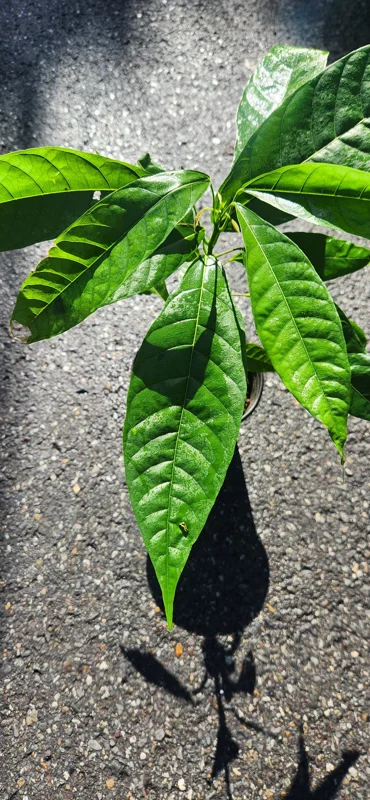
- Exotic Garden Addition: The Theobroma cacao plant brings a lush, tropical aesthetic to your home, patio, or garden, creating a unique and vibrant atmosphere. Its broad, attractive leaves provide excellent visual appeal.
- Educational Experience: Growing a cacao tree offers a fantastic learning opportunity about tropical agriculture, sustainability, and the origins of one of the world’s most popular foods. It’s an engaging project for all ages.
- Sustainable Living: By cultivating your own cacao, you contribute to a more sustainable lifestyle, reducing reliance on mass-produced, potentially unsustainably sourced chocolate. It’s a small step towards a greener planet.
- Air Purification: Like many live plants, the cacao tree live plant contributes to improved air quality by absorbing carbon dioxide and releasing oxygen, making your environment healthier.
- Unique Gift Idea: A cacao tree makes an incredibly unique and thoughtful gift for plant enthusiasts, foodies, or anyone interested in sustainable living and exotic gardening.
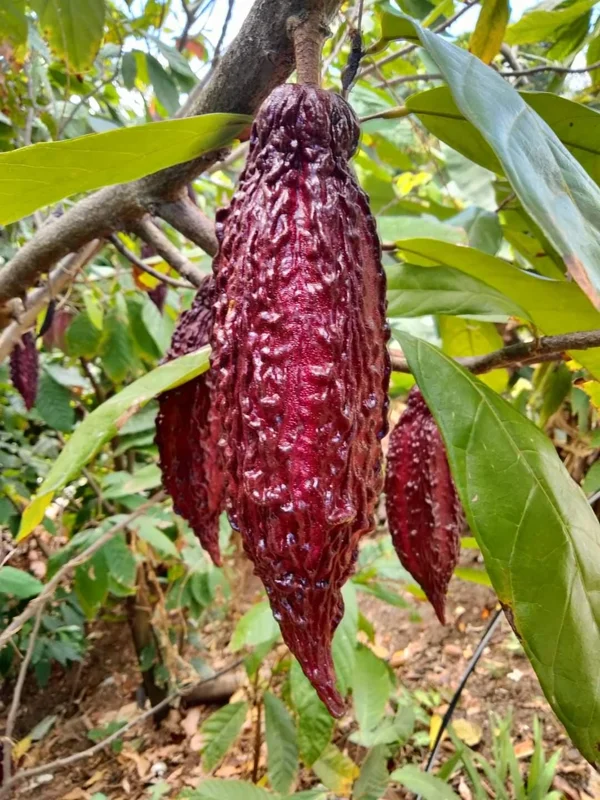
- Sensory Delight: Enjoy the subtle fragrance of the cacao flowers and the visual appeal of the developing cacao pods, adding a multi-sensory dimension to your gardening experience.
Plant Care & Growing Tips
Caring for your cacao tree live plant requires attention to its tropical origins, but with the right conditions, it can thrive beautifully. The key is to mimic its native rainforest environment. Provide a location with consistent warmth and high humidity. While it enjoys bright light, direct scorching sun can be detrimental, especially for young plants. Aim for partial shade or filtered sunlight, similar to what it would receive under a rainforest canopy. Indoor growers should place it near a bright window with indirect light, supplemented by grow lights if necessary.
Watering is crucial for a Theobroma cacao plant. The soil should be kept consistently moist but never waterlogged, as this can lead to root rot. Good drainage is essential. Water thoroughly when the top inch of soil feels dry to the touch, and reduce watering slightly during cooler months. High humidity is paramount; regular misting, a pebble tray with water, or a humidifier will greatly benefit your cacao tree, especially in drier climates. Fertilize regularly during the growing season (spring and summer) with a balanced, slow-release tropical plant fertilizer to support its growth and fruit production. Understanding cacao plant care is vital for a healthy, productive tree.
The ideal temperature range for a grow your own chocolate tree is between 65-85°F (18-29°C), and it is not tolerant of frost. If you live outside of USDA zones 10-11, you will likely need to grow it in a container and bring it indoors during cooler temperatures. Protect it from strong winds, which can damage its broad leaves. Regularly inspect your plant for pests and diseases, treating any issues promptly with organic solutions. With proper attention to these conditions, your cacao tree live plant can flourish and potentially reward you with its unique pods.
Size & Details
This cacao tree live plant is typically shipped at a height ranging from 12 to 24 inches tall, making it a well-established young plant ready for transplanting into a larger pot or your garden. These are vigorous growers in optimal conditions, eventually forming a small to medium-sized tree in their native habitat, though they can be maintained at a more manageable size through pruning when grown in containers. The plant will arrive healthy and carefully packaged to ensure its safe journey to your home. It’s a fantastic opportunity to grow your own chocolate tree from a robust start.
The growth rate of a Theobroma cacao plant can vary depending on environmental factors such as light, humidity, and nutrition. Under ideal conditions, it can grow quite rapidly, eventually developing the capacity to produce the distinctive cacao pods. While it may take several years for the tree to mature and begin fruiting, the journey of nurturing this tropical gem is incredibly rewarding. Expect a sturdy plant with healthy foliage, ready to adapt to its new environment and begin its journey towards chocolate production. Proper cacao plant care will significantly influence its development.
Frequently Asked Questions
- Q: How big does this plant get? A: Your cacao tree live plant will arrive between 12 to 24 inches tall. In ideal tropical conditions, it can grow into a small to medium-sized tree, but its size can be managed with pruning when grown in containers.
- Q: Is this an indoor or outdoor plant? A: The Theobroma cacao plant is a tropical species. It thrives outdoors in USDA zones 10-11. In cooler climates, it must be grown indoors or in a greenhouse, protected from temperatures below 60°F (15°C).
- Q: How much sunlight does it need? A: Cacao trees prefer partial shade or filtered sunlight. Avoid direct, intense afternoon sun, especially in hot climates, as it can scorch the leaves. Bright indirect light is best.
- Q: Is this plant easy to care for? A: While it requires specific tropical conditions (warmth, high humidity, consistent moisture), with attention to these needs, cacao plant care is manageable. It’s considered moderately easy for those who can provide the right environment.
- Q: What condition will it arrive in? A: Your cacao tree live plant will be carefully packaged and shipped as a healthy, vibrant young plant, ready for transplanting. We take great care to ensure it arrives in excellent condition.
- Q: How long until it produces fruit (cacao pods)? A: A grow your own chocolate tree typically takes 3-5 years to mature and begin producing its first cacao pods, given optimal growing conditions and care.
- Q: What kind of soil is best for a cacao tree? A: Cacao trees prefer rich, well-draining soil with a slightly acidic to neutral pH. A good quality potting mix amended with compost or organic matter works well for potted plants.
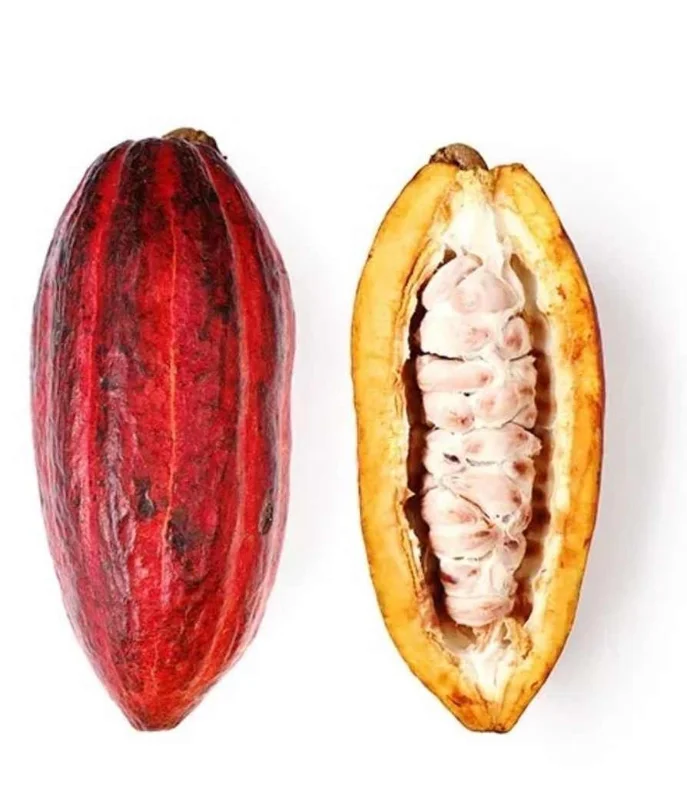
- Q: Can I really make chocolate from the beans? A: Yes! Once your cacao tree live plant produces pods, you can harvest the beans, ferment, dry, roast, and grind them to make your own homemade chocolate. It’s a rewarding process for any enthusiast.
- Q: How often should I fertilize my cacao tree? A: Fertilize your Theobroma cacao plant every 2-4 weeks during the active growing season (spring and summer) with a balanced liquid fertilizer or a slow-release granular fertilizer. Reduce feeding in fall and winter.
- Q: Will it survive winter in my zone if grown outdoors? A: Only in USDA zones 10-11 will a cacao tree live plant survive winter outdoors. In other zones, it must be protected from cold temperatures and brought indoors when temperatures drop below 60°F (15°C).
Be the first to review “Cacao Tree Live Plant (Theobroma cacao) 12-24in – Grow Your Own Chocolate”
You must be logged in to post a review.
People also Viewed
Sold 50 products
Original price was: $37.48.$23.98Current price is: $23.98.
Sold 50 products
$32.38
Sold 50 products
$27.38
Sold 50 products
$32.38
Sold 50 products
$19.88
Sold 50 products
$62.38
Sold 50 products
$24.88
Houseplants
Phalaenopsis pulcherrima ‘Mauna Kea Snow’ Orchid Live Plant – White Flowers, Potted 2.5 in
Sold 50 products
$49.88RELATED posts
Awapuhi Wild Ginger Plant: Zones, Care, and Propagation
Learn which USDA zones suit awapuhi wild ginger, plus sunlight, water, planting, propagation, pests, size, [...]
Awapuhi Shampoo Ginger – Care, Growing Zones, and Differences
Learn how to grow awapuhi (shampoo) ginger, its USDA zones, watering schedule, propagation tips, and [...]
Awapuhi Shampoo Plant Buying Guide – Choose the Right Zingiber zerumbet
META: Learn which awapuhi (shampoo ginger) plant or rhizome pack gives the best natural shampoo, [...]
Awapuhi Plant for Sale: Complete Buying Guide
Find the right awapuhi (shampoo ginger) plant, size, price, soil mix, and online source. Practical [...]
Shampoo Ginger Plant for Sale – Buying Guide & Tips
Find the right shampoo ginger plant, size, price, and care tips. Quick guide for U.S. [...]
Shampoo Ginger Plant (Awapuhi) Care Guide
Learn how to grow, care for, and use shampoo ginger (Zingiber zerumbet), the tropical awapuhi [...]
How to Grow Cuban Oregano Plants: A Complete Care Guide
If you’ve ever wanted a plant that combines the culinary punch of traditional oregano with [...]
Aug
How to Grow Habanero Pepper Plants: A Step-by-Step Guide
Habanero pepper plants are prized for their vibrant colors, intense heat, and exceptional flavor, making [...]
Aug
Reviews
There are no reviews yet.