
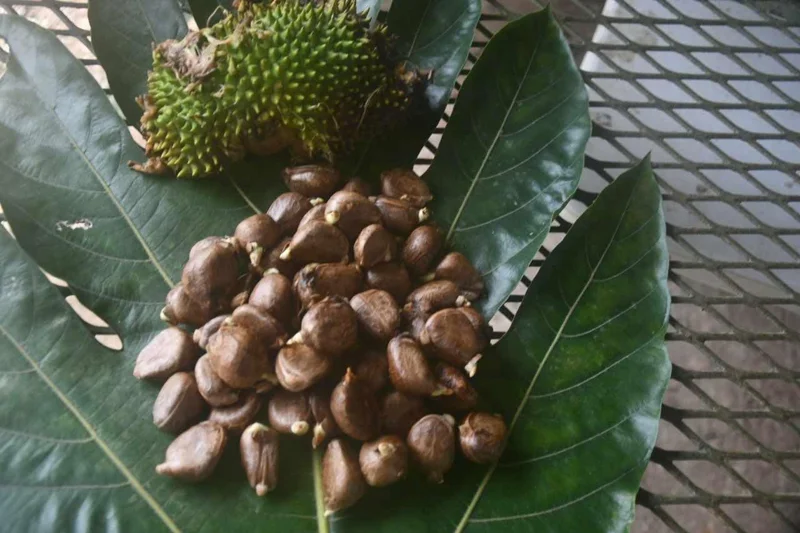
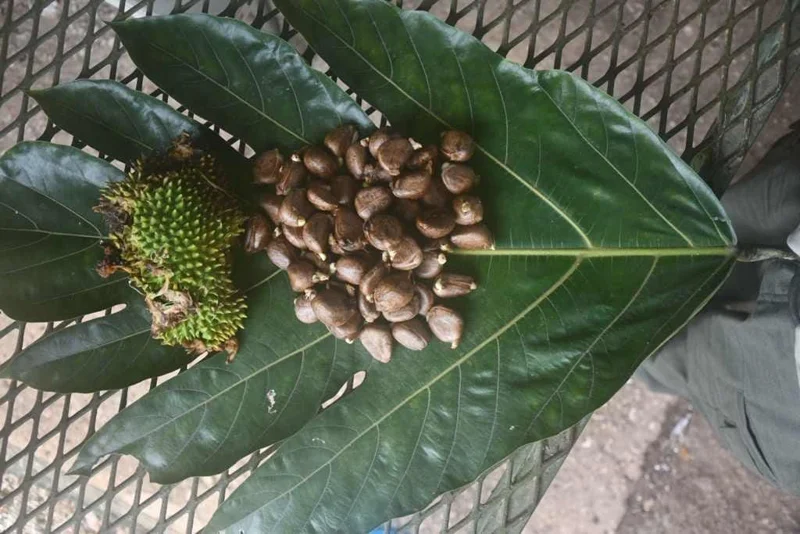
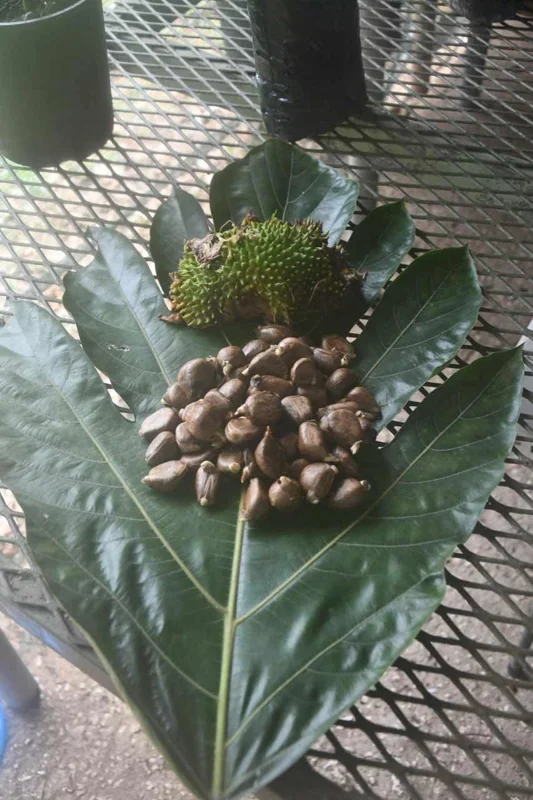
Breadnut Seeds 1lb – “Fruta del Pan” Tropical Seeds for Planting
$110.00
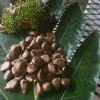
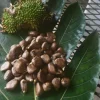
Cultivate your own tropical delight with breadnut seeds, also known as “fruta del pan.” This 1lb pack of nutrient-rich seeds offers a versatile ingredient for cooking and a sustainable choice for your garden. Perfect for those looking to grow breadnut from seed and enjoy its unique flavor and health benefits.
Shipping and Return policies:
We stand behind our plants with our Alive & Thrive Guarantee. If you experience any issues within the first 30 days, please email us, and our team will be happy to help. When needed, we’ll send you a one-time replacement free of charge to make sure your garden keeps growing strong.

Reasonable Price
We offer reasonable price

Support 24/7
Contact us 24 hrs a day
100% Money Back
You’ve 30 days to Return
Payment Secure
100% secure payment
Overview
Embark on a unique gardening journey with our premium breadnut seeds. Also widely known as “fruta del pan,” “mazapán,” “vijahoó,” or “panapén” in various tropical regions, these seeds are the starting point for cultivating a remarkable and nutritious tree. This 1lb offering provides a generous quantity of seeds, ideal for both enthusiastic home gardeners and those interested in sustainable food sources. Breadnuts are a staple in many tropical diets, cherished for their versatility and rich nutritional profile. Growing your own breadnut tree from these seeds allows you to experience the satisfaction of harvesting a truly exotic fruit, bringing a taste of the tropics directly to your home or garden.
The breadnut tree (Artocarpus camansi) is a close relative of the breadfruit and jackfruit, offering a similar culinary appeal but with distinct characteristics. These seeds are specifically for growing the tree, which will eventually yield the fruit. Our breadnut seeds are selected for freshness and viability, ensuring you have the best possible chance of successful germination and growth. Whether you’re an experienced horticulturist or a curious beginner, these seeds provide an exciting opportunity to explore tropical agriculture.
Key Benefits
Growing breadnut from seed offers a wealth of benefits, both for your garden and your diet. These tropical plants are not only rewarding to cultivate but also provide a sustainable and healthy food source. Discover why tropical breadnut seeds are an excellent addition to your planting plans:
- Nutrient-Rich Harvest: Breadnuts are celebrated for being packed with protein, dietary fiber, and essential vitamins and minerals, making them a highly nutritious food source for a balanced diet.
- Culinary Versatility: The resulting breadnut fruit can be enjoyed in numerous ways. It’s excellent in savory dishes like soups and stews, can be roasted as a healthy snack, or even incorporated into desserts, offering a unique flavor profile.
- Sustainable Gardening: Cultivating your own breadnut tree from these breadnut seeds supports sustainable living and reduces your carbon footprint. It’s a natural and eco-conscious choice for food production.
- Exotic Appeal: Introduce a touch of the tropics to your landscape. The breadnut tree is a beautiful specimen with large, lobed leaves, adding an exotic aesthetic to any garden.
- Long-Term Investment: Once established, a breadnut tree can provide years of harvests, making it a valuable long-term food source and a rewarding project for any gardener.
- Educational Experience: For families and educators, growing breadnuts from seed offers a fantastic opportunity to learn about plant life cycles, tropical agriculture, and sustainable food systems.
- Unique Flavor Profile: Experience the distinct taste of breadnut, which is often described as starchy, nutty, and subtly sweet, making it a fascinating ingredient to experiment with in the kitchen.
Plant Care & Growing Tips
Successful cultivation of breadnut seeds requires attention to specific tropical conditions. To ensure your seeds germinate and grow into healthy trees, consider the following care guidelines. Breadnut trees thrive in warm, humid environments, mimicking their native habitats. Proper light, water, and soil are crucial for the development of a robust breadnut plant. Understanding breadnut plant care is essential for a bountiful harvest.
For germination, plant the tropical breadnut seeds in a well-draining potting mix, about 1 inch deep. Keep the soil consistently moist but not waterlogged, and maintain a warm temperature, ideally between 75-85°F (24-29°C). Germination can take several weeks to a few months. Once seedlings emerge, they will need bright, indirect light. As they grow, gradually acclimate them to more direct sunlight. Mature breadnut trees prefer full sun exposure, meaning at least 6-8 hours of direct sunlight per day. They require consistently moist soil, especially during dry periods, but good drainage is paramount to prevent root rot. A rich, loamy soil with a slightly acidic to neutral pH (6.0-7.0) is ideal. Fertilize young trees every 2-3 months with a balanced, slow-release fertilizer. Protect young plants from strong winds and cold temperatures, as they are not frost-tolerant. If you want to grow breadnut from seed successfully, patience and consistent care are key.
Size & Details
This offering includes 1lb of fresh breadnut seeds, providing a substantial quantity for planting. Each seed is capable of growing into a significant tree under optimal conditions. Breadnut trees are fast-growing and can reach heights of 40-60 feet (12-18 meters) at maturity, with a spread of 20-40 feet (6-12 meters). The large, deeply lobed leaves can be up to 2 feet long, creating a dense, attractive canopy. The fruit itself is typically round to oval, 4-8 inches (10-20 cm) in diameter, covered in soft spines. The seeds are harvested from these fruits. While the exact number of seeds per pound can vary, 1lb generally contains a good quantity for starting multiple plants.
These seeds are intended for planting and will arrive ready for germination. The growth rate of the tree is moderate to fast, and it can begin producing fruit within 3-5 years after planting, depending on environmental factors and care. The breadnut fruit is typically harvested when mature but still green, and the seeds are then extracted for culinary use or further planting. This product focuses on the seeds themselves, offering you the raw material to cultivate your own breadnut trees and enjoy the benefits of this unique tropical plant.
Frequently Asked Questions
- Q: How much does a breadnut tree grow? A: A mature breadnut tree can reach impressive heights of 40-60 feet (12-18 meters) with a spread of 20-40 feet (6-12 meters), making it a substantial addition to a tropical landscape.
- Q: What size pot should I use for germinating breadnut seeds? A: For germinating breadnut seeds, start with individual pots at least 4-6 inches in diameter to allow for initial root development before transplanting.
- Q: Is this an indoor or outdoor plant? A: Breadnut trees are tropical plants that thrive outdoors in warm, humid climates (USDA Zones 10-11). In cooler regions, they can be grown in large containers and brought indoors during colder months, though fruiting may be less prolific.
- Q: How much sunlight do breadnut trees need? A: Once established, breadnut trees require full sun exposure, meaning at least 6-8 hours of direct sunlight daily, to grow vigorously and produce fruit.
- Q: Is it difficult to grow breadnut from seed? A: While germinating tropical breadnut seeds requires patience and consistent warmth and moisture, it is a rewarding process. Following proper care instructions can lead to successful growth for even novice gardeners.
- Q: What condition will the breadnut seeds arrive in? A: Your breadnut seeds will arrive fresh and ready for planting, carefully packaged to maintain their viability during transit.
- Q: Can I use breadnut in cooking? A: Absolutely! Breadnut is highly versatile in the kitchen. The fruit can be boiled, roasted, fried, or used in soups, stews, and even desserts, offering a starchy, nutty flavor.
- Q: How long does it take for a breadnut tree to produce fruit? A: A breadnut tree grown from seed typically begins to bear fruit within 3-5 years, although this can vary based on growing conditions and specific care.
- Q: What is the best time to plant breadnut seeds? A: The best time to plant breadnut seeds is during the warm, humid months, typically late spring or early summer, to take advantage of favorable germination conditions.
- Q: Will breadnut survive winter in my zone? A: Breadnut trees are highly sensitive to cold and will not survive frost. They are best suited for USDA Hardiness Zones 10-11 for outdoor planting year-round.
Be the first to review “Breadnut Seeds 1lb – “Fruta del Pan” Tropical Seeds for Planting”
You must be logged in to post a review.
People also Viewed
Sold 50 products
Original price was: $37.48.$23.98Current price is: $23.98.
Sold 50 products
$32.38
Sold 50 products
$27.38
Sold 50 products
$32.38
Sold 50 products
$19.88
Sold 50 products
$62.38
Sold 50 products
$24.88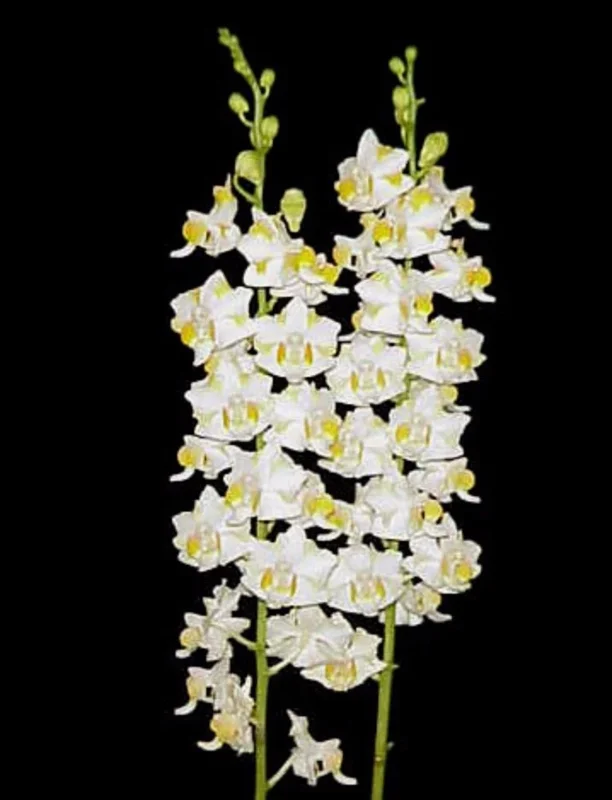
Houseplants
Phalaenopsis pulcherrima ‘Mauna Kea Snow’ Orchid Live Plant – White Flowers, Potted 2.5 in
Sold 50 products
$49.88RELATED posts
Awapuhi Wild Ginger Plant: Zones, Care, and Propagation
Learn which USDA zones suit awapuhi wild ginger, plus sunlight, water, planting, propagation, pests, size, [...]
Awapuhi Shampoo Ginger – Care, Growing Zones, and Differences
Learn how to grow awapuhi (shampoo) ginger, its USDA zones, watering schedule, propagation tips, and [...]
Awapuhi Shampoo Plant Buying Guide – Choose the Right Zingiber zerumbet
META: Learn which awapuhi (shampoo ginger) plant or rhizome pack gives the best natural shampoo, [...]
Awapuhi Plant for Sale: Complete Buying Guide
Find the right awapuhi (shampoo ginger) plant, size, price, soil mix, and online source. Practical [...]
Shampoo Ginger Plant for Sale – Buying Guide & Tips
Find the right shampoo ginger plant, size, price, and care tips. Quick guide for U.S. [...]
Shampoo Ginger Plant (Awapuhi) Care Guide
Learn how to grow, care for, and use shampoo ginger (Zingiber zerumbet), the tropical awapuhi [...]
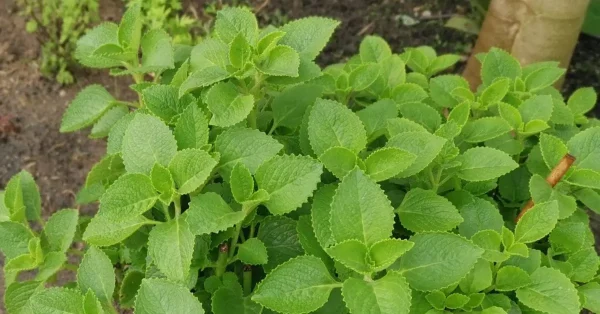
How to Grow Cuban Oregano Plants: A Complete Care Guide
If you’ve ever wanted a plant that combines the culinary punch of traditional oregano with [...]
Aug
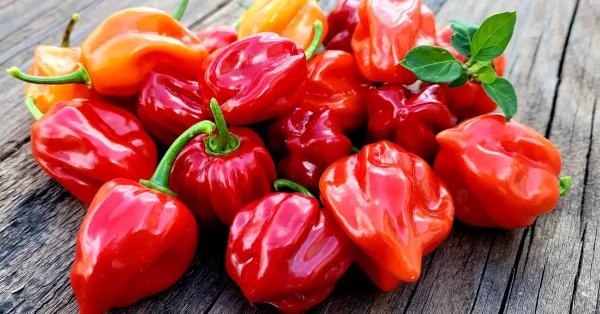
How to Grow Habanero Pepper Plants: A Step-by-Step Guide
Habanero pepper plants are prized for their vibrant colors, intense heat, and exceptional flavor, making [...]
Aug
Reviews
There are no reviews yet.