
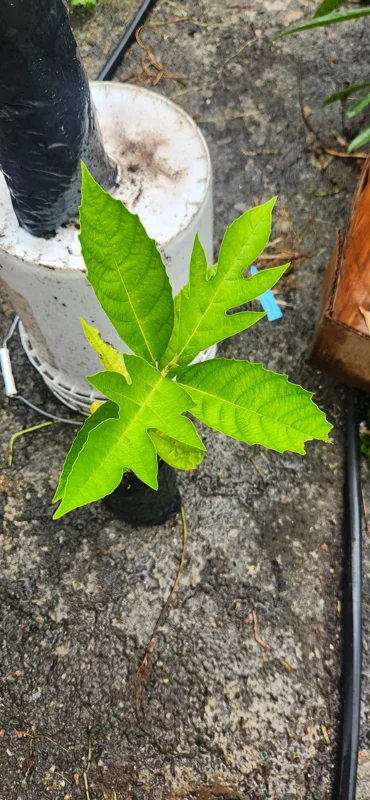
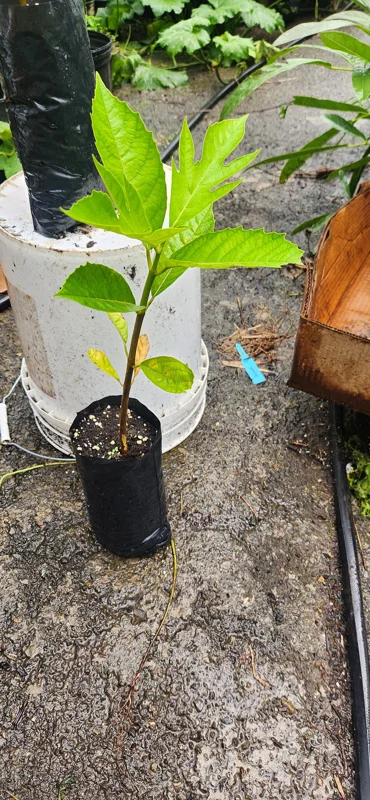
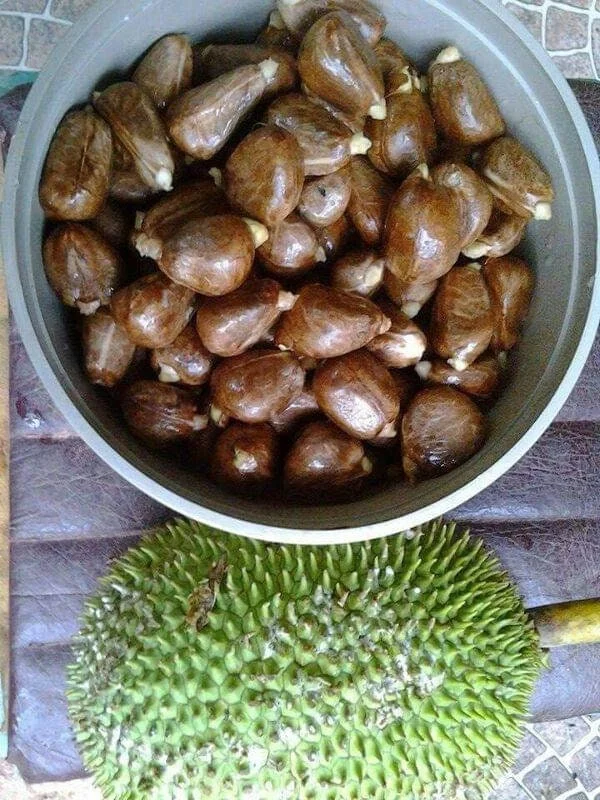
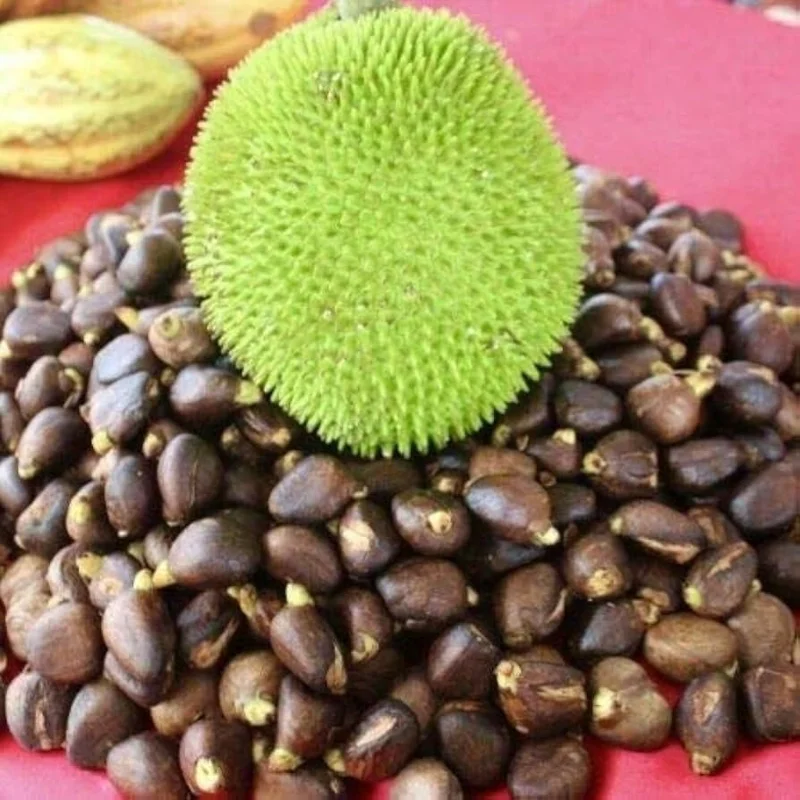
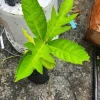
Breadfruit Live Tree – Tropical Fruit Plant – 10 to 12 Inches Tall
$102.50
Bring the tropics to your home with a breadfruit live tree, approximately 10-12 inches tall. This exotic fruit plant is known for its large, edible fruit and lush foliage, making it a unique addition to any garden or greenhouse. Enjoy the journey of growing your own tropical bounty.
Shipping and Return policies:
We stand behind our plants with our Alive & Thrive Guarantee. If you experience any issues within the first 30 days, please email us, and our team will be happy to help. When needed, we’ll send you a one-time replacement free of charge to make sure your garden keeps growing strong.

Reasonable Price
We offer reasonable price

Support 24/7
Contact us 24 hrs a day
100% Money Back
You’ve 30 days to Return
Payment Secure
100% secure payment
Overview
Cultivate a taste of the tropics with this vibrant breadfruit live tree. Ranging from 10 to 12 inches in height, this young plant is ready to establish itself in your garden or a suitable container. The breadfruit tree, scientifically known as Artocarpus altilis, is a fascinating and highly productive tropical fruit tree renowned for its versatile, starchy fruit that serves as a staple food in many equatorial regions. Growing a breadfruit live tree offers not only the promise of delicious harvests but also adds a striking, ornamental presence with its large, deeply lobed leaves. This particular specimen provides a head start on growing your own tropical produce, allowing you to experience the unique journey from a young plant to a fruit-bearing tree.
Originating from the South Pacific, the breadfruit tree is a symbol of sustenance and natural beauty. Our breadfruit live tree is carefully nurtured to ensure it arrives healthy and ready for planting. Whether you’re an experienced tropical gardener or looking to expand your plant collection with something truly special, this tree offers an exciting opportunity. Imagine harvesting your own breadfruit, a culinary delight that can be prepared in numerous ways, from baking and frying to boiling. This plant is a true conversation starter and a rewarding project for any green thumb.
Key Benefits
Adding a breadfruit live tree to your landscape or container garden comes with a host of advantages, from its unique produce to its aesthetic appeal:
- Exotic Fruit Production: Enjoy the unique and nutritious breadfruit, a versatile staple that can be cooked in various ways. Freshly harvested breadfruit offers a culinary experience unlike any other.
- Striking Ornamental Value: With its large, deeply lobed, glossy green leaves, the breadfruit tree provides a dramatic and lush tropical aesthetic, enhancing any garden or patio space.
- Shade and Ambiance: As it matures, this tree can offer significant shade, creating a comfortable and inviting outdoor environment, perfect for relaxation during warm weather.
- Sustainable Food Source: Growing your own breadfruit live tree contributes to a sustainable lifestyle, providing a renewable source of food right from your backyard.
- Educational Experience: It’s a wonderful opportunity to learn about tropical horticulture and the journey of food from plant to plate, ideal for families and gardening enthusiasts.
- Air Purification: Like many large-leafed plants, breadfruit trees contribute to better air quality by absorbing carbon dioxide and releasing oxygen, making your environment healthier.
- Long-Term Investment: A well-cared-for breadfruit tree can provide bountiful harvests for many years, becoming a valuable and enduring part of your garden.
Plant Care & Growing Tips
Caring for your breadfruit live tree requires attention to its tropical origins. These trees thrive in warm, humid environments and prefer consistent moisture. When considering how to grow breadfruit tree, adequate sunlight is paramount. Provide at least 6-8 hours of direct sunlight daily. In extremely hot climates, some afternoon shade can be beneficial to prevent leaf scorch. If growing indoors or in a greenhouse, place it near a south-facing window or use supplemental grow lights to ensure it receives sufficient light intensity.
Watering should be regular and thorough, especially during dry periods and when the plant is young. The soil should remain consistently moist but never waterlogged, as this can lead to root rot. Good drainage is crucial. For soil, a rich, well-draining loam with a slightly acidic to neutral pH (6.0-7.0) is ideal. Amending with compost or well-rotted manure can improve soil fertility and structure. Fertilize every 2-3 months during the growing season with a balanced, slow-release fertilizer or a liquid feed rich in nitrogen, phosphorus, and potassium. Reduce fertilization in cooler months. The ideal temperature range is between 65°F and 90°F (18°C-32°C), and it is not tolerant of frost, making it suitable for USDA zones 9-11 or as a container plant moved indoors during winter.
Common problems can include pest infestations like aphids or mealybugs, which can typically be managed with horticultural oil or insecticidal soap. Fungal diseases can occur in overly wet conditions, so ensuring good air circulation and proper watering practices is key. Pruning is generally not required for the first few years, but as the tree matures, light pruning can help maintain shape and encourage fruit production. Remember, consistent care is key to a healthy breadfruit live tree and abundant harvests.
Size & Details
This offering is for one breadfruit live tree, measuring approximately 10 to 12 inches in height from the base of the soil to the tip of the tallest leaf. It arrives as a young, actively growing plant, typically shipped in a small nursery pot with its root ball intact and protected. The exact pot size may vary but will be adequate for safe transport and initial establishment. Breadfruit trees are known for their relatively fast growth rate under optimal conditions, potentially reaching a considerable size in several years, especially when planted directly in the ground in suitable climates. When mature, they can grow up to 50-60 feet tall, with a spread of 20-40 feet, though container-grown plants will remain much smaller.
The plant you receive will be a healthy specimen, ready for transplanting into a larger pot or directly into your garden. While fruit production can begin in 3-5 years under ideal conditions, it may take longer for container-grown plants. This young tree represents the initial stage of cultivating your very own tropical garden staple. Expect some natural variations in leaf shape and overall form due to its unique characteristics, but rest assured, each plant is selected for its vigor and health. You’ll be well on your way to enjoying your own tropical fruit with this thriving tropical fruit tree.
Frequently Asked Questions
- Q: How big does this breadfruit tree get? A: This particular breadfruit live tree is 10-12 inches tall upon arrival. When planted in the ground in a tropical climate, it can grow up to 50-60 feet tall. If grown in a container, its size will be much more manageable, typically 6-15 feet depending on pot size and pruning.
- Q: Is this an indoor or outdoor plant? A: Breadfruit trees are tropical plants that thrive outdoors in USDA Zones 9-11. In cooler climates, they can be grown in large containers and brought indoors during the colder months, or cultivated year-round in a greenhouse.
- Q: How much sunlight does a breadfruit tree need? A: A breadfruit live tree requires at least 6-8 hours of direct sunlight per day to grow well and produce fruit. In very hot, intense sun, some afternoon shade can be beneficial to protect the leaves.
- Q: Is this plant easy to care for? A: While breadfruit trees are not extremely difficult, they do require consistent care, especially regarding warmth, humidity, and watering. They are best suited for gardeners familiar with tropical plant care or those willing to learn about specific needs to grow breadfruit tree successfully.
- Q: What condition will the breadfruit tree arrive in? A: Your breadfruit tree will arrive as a healthy, actively growing young plant, typically in a nursery pot with its root system intact and protected. It will be carefully packaged to minimize stress during transit.
- Q: Can I use breadfruit in cooking? A: Absolutely! Breadfruit is a highly versatile tropical fruit. It can be baked, boiled, fried, roasted, or steamed and used in both savory and sweet dishes. It’s a staple in many cuisines.
- Q: When is the best time to plant a breadfruit tree? A: The best time to plant your breadfruit live tree is in the spring or early summer after all danger of frost has passed, allowing it ample time to establish before cooler temperatures arrive.
- Q: What kind of soil does a breadfruit tree prefer? A: Breadfruit trees prefer rich, well-draining loamy soil with a slightly acidic to neutral pH. Good drainage is crucial to prevent root issues, so avoid heavy clay soils.
- Q: Will it survive winter in my zone? A: Breadfruit trees are sensitive to cold and will not survive freezing temperatures. If you live outside USDA Zones 9-11, you must provide winter protection by moving the plant indoors or into a heated greenhouse.
- Q: How long until it produces fruit? A: Under optimal growing conditions, a tropical fruit tree like breadfruit can start producing fruit in 3-5 years. Container-grown plants may take longer or produce smaller yields.
Be the first to review “Breadfruit Live Tree – Tropical Fruit Plant – 10 to 12 Inches Tall”
You must be logged in to post a review.
People also Viewed
Sold 50 products
Original price was: $37.48.$23.98Current price is: $23.98.
Sold 50 products
$32.38
Sold 50 products
$27.38
Sold 50 products
$32.38
Sold 50 products
$19.88
Sold 50 products
$62.38
Sold 50 products
$24.88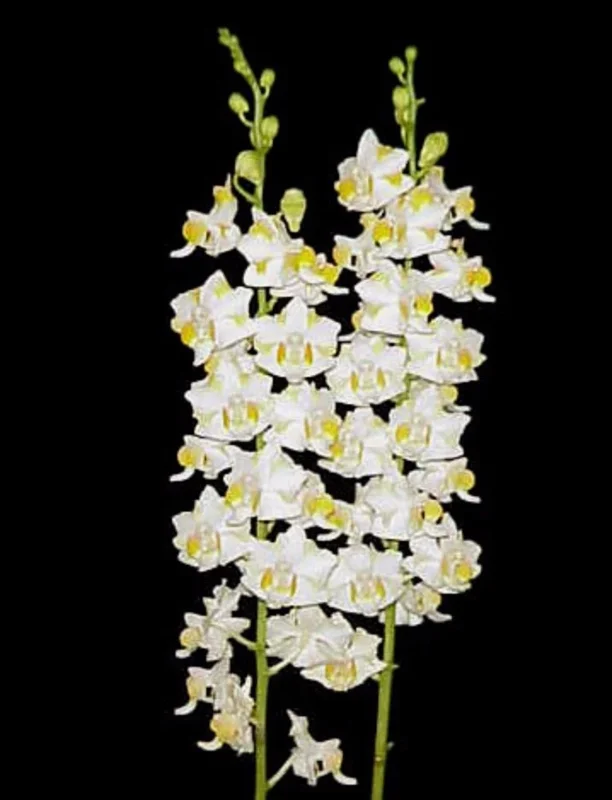
Houseplants
Phalaenopsis pulcherrima ‘Mauna Kea Snow’ Orchid Live Plant – White Flowers, Potted 2.5 in
Sold 50 products
$49.88RELATED posts
Awapuhi Wild Ginger Plant: Zones, Care, and Propagation
Learn which USDA zones suit awapuhi wild ginger, plus sunlight, water, planting, propagation, pests, size, [...]
Awapuhi Shampoo Ginger – Care, Growing Zones, and Differences
Learn how to grow awapuhi (shampoo) ginger, its USDA zones, watering schedule, propagation tips, and [...]
Awapuhi Shampoo Plant Buying Guide – Choose the Right Zingiber zerumbet
META: Learn which awapuhi (shampoo ginger) plant or rhizome pack gives the best natural shampoo, [...]
Awapuhi Plant for Sale: Complete Buying Guide
Find the right awapuhi (shampoo ginger) plant, size, price, soil mix, and online source. Practical [...]
Shampoo Ginger Plant for Sale – Buying Guide & Tips
Find the right shampoo ginger plant, size, price, and care tips. Quick guide for U.S. [...]
Shampoo Ginger Plant (Awapuhi) Care Guide
Learn how to grow, care for, and use shampoo ginger (Zingiber zerumbet), the tropical awapuhi [...]
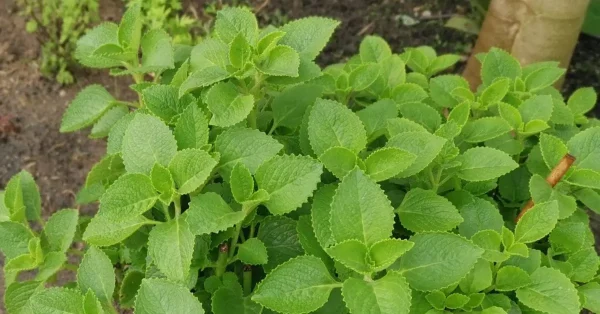
How to Grow Cuban Oregano Plants: A Complete Care Guide
If you’ve ever wanted a plant that combines the culinary punch of traditional oregano with [...]
Aug
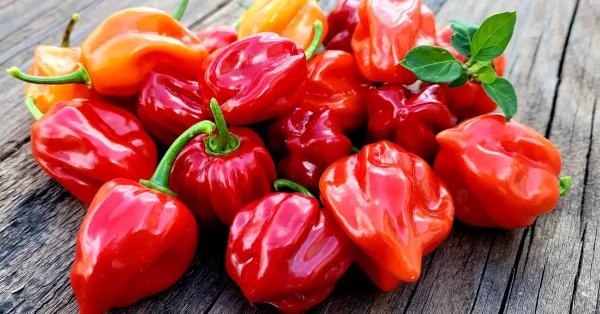
How to Grow Habanero Pepper Plants: A Step-by-Step Guide
Habanero pepper plants are prized for their vibrant colors, intense heat, and exceptional flavor, making [...]
Aug

Reviews
There are no reviews yet.