
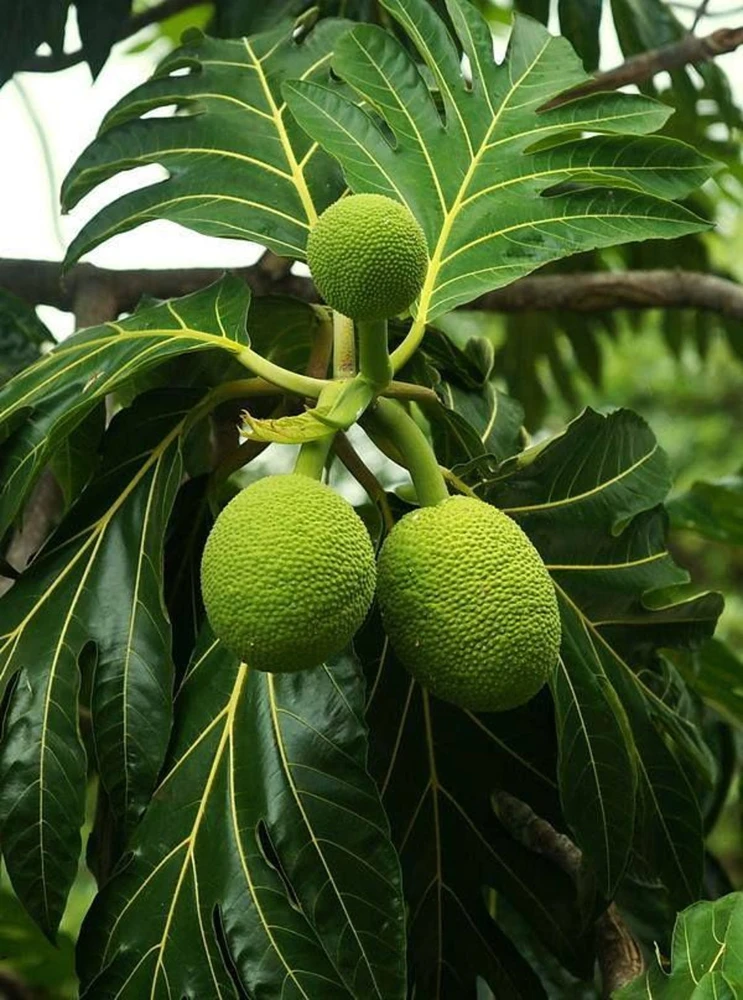
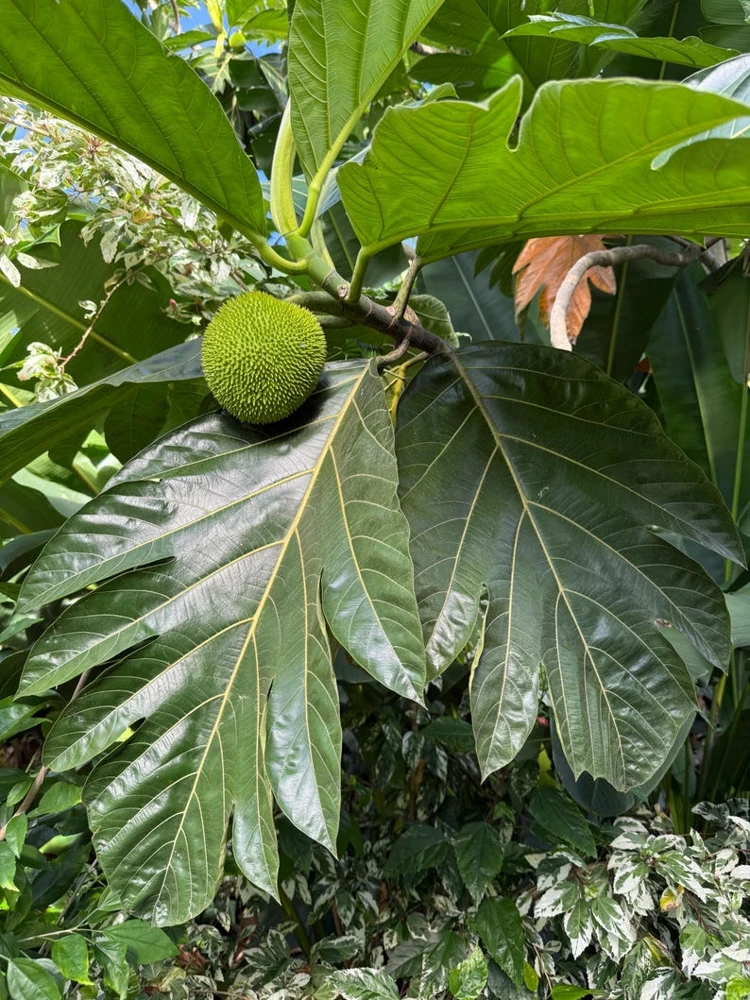
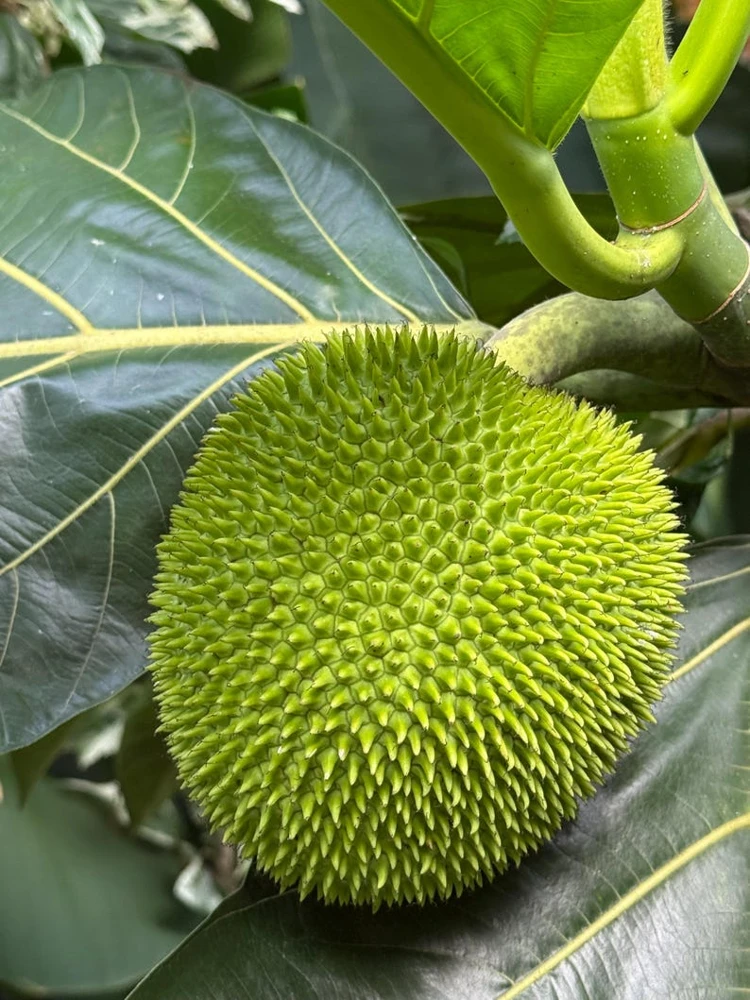
Breadfruit Live Plant 14-18 Inches Tall – Potted Tropical Fruit Tree
Original price was: $107.50.$92.00Current price is: $92.00.
Bring the tropics to your garden with this breadfruit live plant, standing 14-18 inches tall. This young tree is ready to grow into a productive source of delicious, starchy fruit, ideal for warm climates. Enjoy fresh, homegrown breadfruit for cooking and baking.
Shipping and Return policies:
We stand behind our plants with our Alive & Thrive Guarantee. If you experience any issues within the first 30 days, please email us, and our team will be happy to help. When needed, we’ll send you a one-time replacement free of charge to make sure your garden keeps growing strong.

Reasonable Price
We offer reasonable price

Support 24/7
Contact us 24 hrs a day
100% Money Back
You’ve 30 days to Return
Payment Secure
100% secure payment
Overview
Cultivate a taste of the tropics right in your own garden with this vibrant breadfruit live plant. Standing at an impressive 14-18 inches tall, this young tree offers the promise of abundant, nutritious fruit. Breadfruit, scientifically known as Artocarpus altilis, is a staple food in many tropical regions, cherished for its versatility in culinary applications. This particular specimen is a healthy, actively growing plant, carefully selected to ensure a strong start in its new home. Unlike many common fruit trees, the breadfruit live plant provides a unique and exotic addition to your landscape, offering both ornamental beauty with its large, deeply lobed leaves and the rewarding experience of harvesting your own tropical produce. Its rapid growth potential and generous yields make it a favorite among gardeners in suitable climates, allowing you to enjoy fresh breadfruit for various dishes, from savory to sweet.
The breadfruit tree is renowned not only for its fruit but also for its majestic appearance, growing into a magnificent shade tree over time. Originating from the South Pacific, this species thrives in warm, humid environments, making it an excellent choice for USDA Zones 10-11, or as a container plant in cooler regions if brought indoors during colder months. Our breadfruit live plant has been nurtured to ensure it is robust and ready to adapt to your garden conditions, providing you with a head start on growing this incredible tropical specimen. Embrace the opportunity to grow a plant with historical significance and immense nutritional value, adding a touch of exotic flair to your outdoor living space.
Key Benefits
Investing in a breadfruit live plant brings a multitude of benefits, from its unique culinary uses to its striking presence in your garden. This tropical tree is more than just a source of food; it’s a statement piece that offers both aesthetic appeal and practical advantages.
- Exotic Fruit Production: Enjoy the satisfaction of harvesting your own fresh, versatile breadfruit. The fruit can be roasted, boiled, fried, or baked, serving as a starchy vegetable or a base for desserts, offering a taste of the tropics.
- Ornamental Value: With its large, glossy, deeply lobed leaves and stately growth habit, the breadfruit tree adds significant tropical beauty and lush greenery to any landscape, providing excellent shade.
- Nutritional Powerhouse: Breadfruit is a good source of carbohydrates, dietary fiber, and essential vitamins and minerals, making it a healthy and sustainable food source for your family.
- Sustainable Gardening: Growing your own breadfruit live plant contributes to sustainable living by reducing your carbon footprint and providing a fresh, local food source.
- Rapid Growth: Given the right conditions, breadfruit trees are known for their relatively fast growth rate, allowing you to enjoy fruit production sooner than many other fruit trees.
- Unique Culinary Experience: Discover new culinary possibilities with breadfruit, experimenting with traditional recipes or creating your own innovative dishes.
- Environmental Contribution: As a large tree, it helps improve air quality, provides habitat for local wildlife, and contributes to a healthier ecosystem in your garden.
Plant Care & Growing Tips
Proper care is essential for a thriving breadfruit live plant. These tropical trees flourish in specific conditions that mimic their native environment. They require abundant sunlight, preferring at least 6-8 hours of direct sun per day. In very hot climates, some afternoon shade can be beneficial, especially for young plants. Ensure your breadfruit tree is planted in a location with good air circulation to prevent fungal issues. This plant is not frost-tolerant, so if you’re in a cooler zone than USDA 10-11, consider growing it in a large container that can be moved indoors during winter.
When it comes to watering, consistency is key, especially during the establishment phase and dry periods. The soil should be kept consistently moist but never waterlogged. Good drainage is crucial to prevent root rot. For soil, a rich, well-draining loam with a slightly acidic to neutral pH (6.1-7.4) is ideal. Amend heavy clay soils with organic matter like compost to improve drainage and fertility. Fertilize your breadfruit live plant regularly during the growing season with a balanced, slow-release fertilizer, or an organic option rich in phosphorus and potassium to encourage fruiting. Reduce fertilization in the cooler months. Monitor for common pests like mealybugs or scale and treat promptly with appropriate organic solutions.
Understanding how to grow breadfruit successfully involves attention to these details. Pruning is generally minimal, focused on removing dead or diseased branches and shaping the tree for structure and light penetration. While mature trees are quite resilient, young plants will benefit from protection from strong winds. Protecting your young tropical fruit tree from extreme temperatures and providing consistent care will ensure it grows into a healthy, productive specimen, ready to bear its unique and delicious fruit.
Size & Details
This offering is for one healthy breadfruit live plant, which measures approximately 14-18 inches in height from the base of the soil to the tip of its tallest leaf. It comes established in a nursery pot, typically a 1-gallon size, with a robust root system ready for transplanting. Breadfruit trees are known for their relatively fast growth rate, and with optimal conditions, this young plant will quickly develop into a more substantial specimen. The mature size of a breadfruit tree can vary significantly depending on the cultivar and growing conditions, often reaching heights of 30-60 feet with an equivalent spread, creating a magnificent canopy. Expect fruit production to begin within 3-5 years from planting, though this can be influenced by care and climate. Your plant will arrive carefully packaged to ensure its safety during transit, ready for its new home.
The plant’s current size makes it manageable for initial establishment, whether you choose to plant it directly in the ground in suitable zones or grow it in a larger container. The leaves are typically large and deeply lobed, contributing to its striking tropical aesthetic. This breadfruit live plant is a young, vigorous specimen, poised for growth and future fruit bearing, offering a rewarding experience for any gardener looking to grow exotic and useful plants.
Frequently Asked Questions
- Q: How big does this plant get? A: This particular breadfruit live plant is 14-18 inches tall upon arrival. Mature breadfruit trees can grow quite large, typically reaching 30-60 feet tall and wide, depending on the variety and growing conditions.
- Q: What size pot does it come in? A: The plant is shipped in a standard nursery pot, usually a 1-gallon size, providing ample space for its initial root development before transplanting.
- Q: Is this an indoor or outdoor plant? A: Breadfruit trees are tropical plants best suited for outdoor planting in USDA Zones 10-11 and warmer climates. In cooler zones, they can be grown in large containers and brought indoors during cold weather.
- Q: How much sunlight does it need? A: A breadfruit live plant thrives in full sun, requiring at least 6-8 hours of direct sunlight per day to produce fruit and grow vigorously.
- Q: Is this plant easy to care for? A: While not as low-maintenance as some houseplants, breadfruit trees are relatively easy to care for in their preferred tropical environment, requiring consistent watering, good drainage, and regular fertilization. Understanding breadfruit plant care is key.
- Q: What condition will it arrive in? A: Your breadfruit plant will arrive carefully packaged, healthy, and actively growing, ready for planting. We take great care to ensure it reaches you in the best possible condition.
- Q: Can I use breadfruit in cooking? A: Absolutely! Breadfruit is a highly versatile and delicious tropical fruit, often used as a staple vegetable. It can be roasted, boiled, fried, or baked in a variety of savory and sweet dishes.
- Q: How long until it blooms and fruits? A: Under ideal growing conditions, a young tropical fruit tree like breadfruit can start producing fruit within 3-5 years after planting.
- Q: Will it survive winter in my zone? A: Breadfruit trees are very sensitive to cold and will not survive freezing temperatures. They are best suited for tropical and subtropical climates (breadfruit tree USDA Zones 10-11). If you’re in a colder zone, ensure it’s protected indoors during winter.
- Q: What is the best way to ensure successful growth of my breadfruit plant? A: To ensure healthy growth, focus on providing ample sunlight, well-draining soil, consistent moisture, and regular feeding. Protecting young plants from strong winds can also be beneficial, helping you learn how to grow breadfruit successfully.
Be the first to review “Breadfruit Live Plant 14-18 Inches Tall – Potted Tropical Fruit Tree”
You must be logged in to post a review.
People also Viewed
Sold 50 products
$32.38
Sold 50 products
$27.38
Sold 50 products
$32.38
Sold 50 products
$19.88
Sold 50 products
$62.38
Sold 50 products
$24.88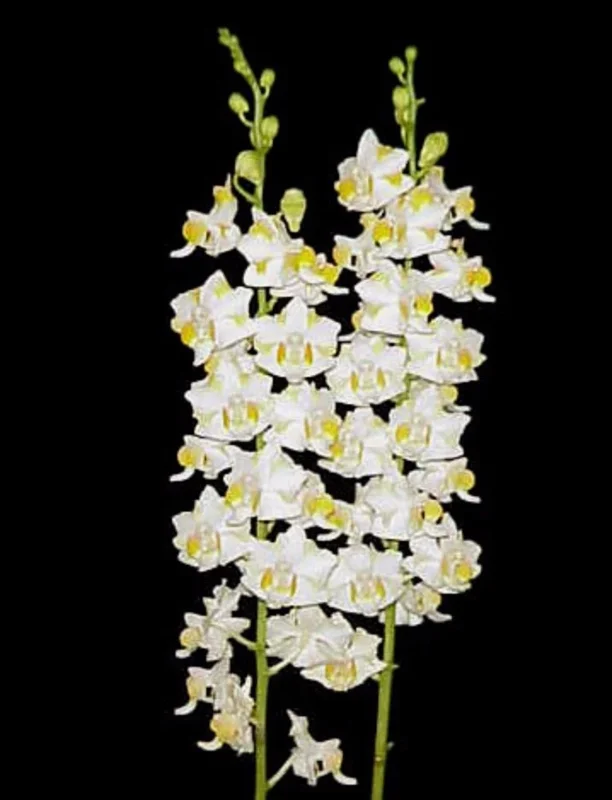
Houseplants
Phalaenopsis pulcherrima ‘Mauna Kea Snow’ Orchid Live Plant – White Flowers, Potted 2.5 in
Sold 50 products
$49.88
Sold 50 products
$49.88RELATED posts
Awapuhi Wild Ginger Plant: Zones, Care, and Propagation
Learn which USDA zones suit awapuhi wild ginger, plus sunlight, water, planting, propagation, pests, size, [...]
Awapuhi Shampoo Ginger – Care, Growing Zones, and Differences
Learn how to grow awapuhi (shampoo) ginger, its USDA zones, watering schedule, propagation tips, and [...]
Awapuhi Shampoo Plant Buying Guide – Choose the Right Zingiber zerumbet
META: Learn which awapuhi (shampoo ginger) plant or rhizome pack gives the best natural shampoo, [...]
Awapuhi Plant for Sale: Complete Buying Guide
Find the right awapuhi (shampoo ginger) plant, size, price, soil mix, and online source. Practical [...]
Shampoo Ginger Plant for Sale – Buying Guide & Tips
Find the right shampoo ginger plant, size, price, and care tips. Quick guide for U.S. [...]
Shampoo Ginger Plant (Awapuhi) Care Guide
Learn how to grow, care for, and use shampoo ginger (Zingiber zerumbet), the tropical awapuhi [...]
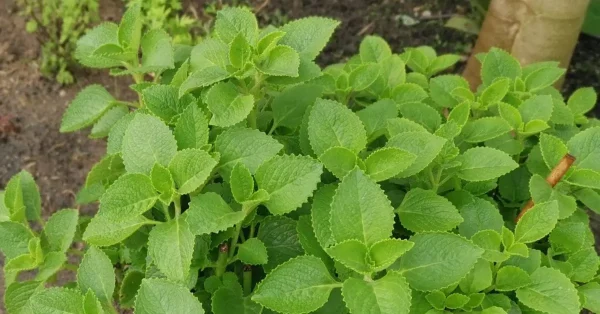
How to Grow Cuban Oregano Plants: A Complete Care Guide
If you’ve ever wanted a plant that combines the culinary punch of traditional oregano with [...]
Aug
How to Grow Habanero Pepper Plants: A Step-by-Step Guide
Habanero pepper plants are prized for their vibrant colors, intense heat, and exceptional flavor, making [...]
Aug
Reviews
There are no reviews yet.