
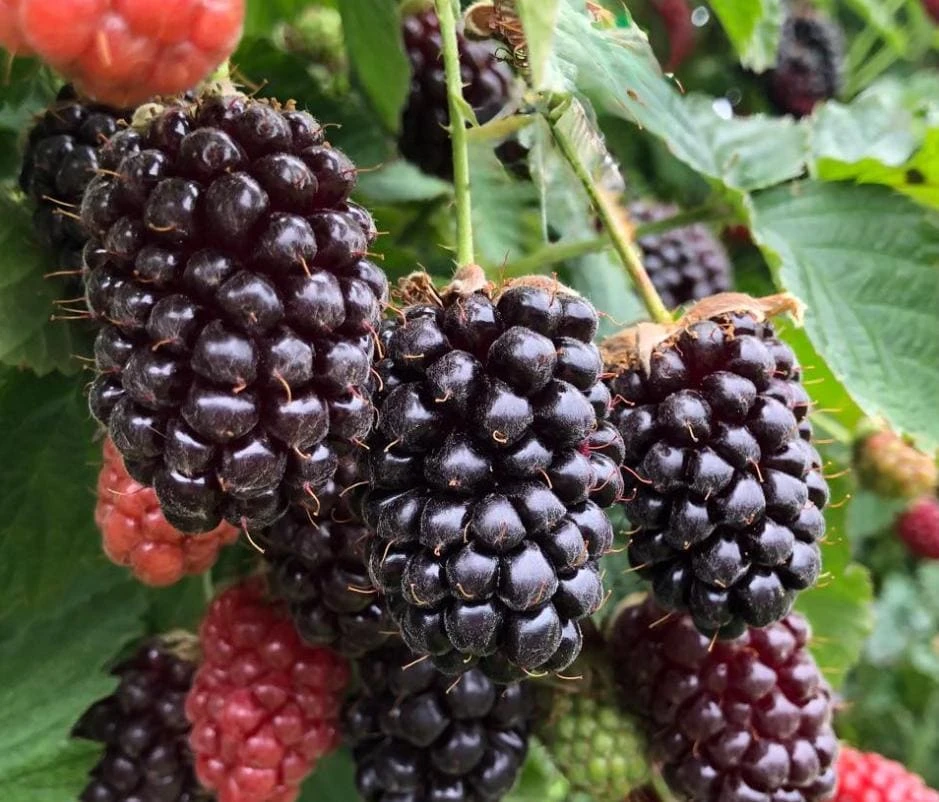
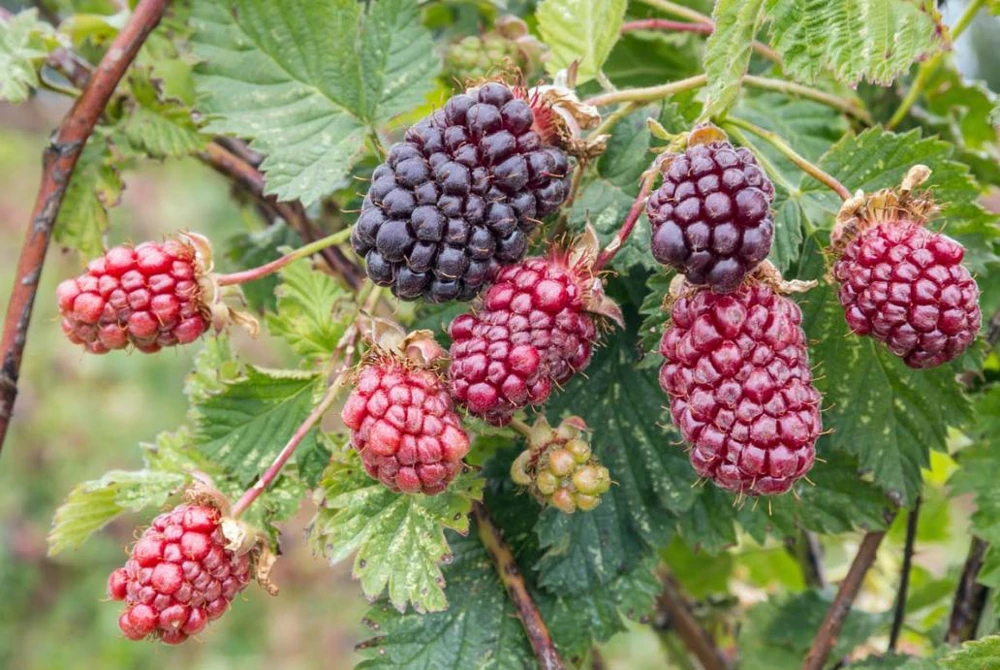
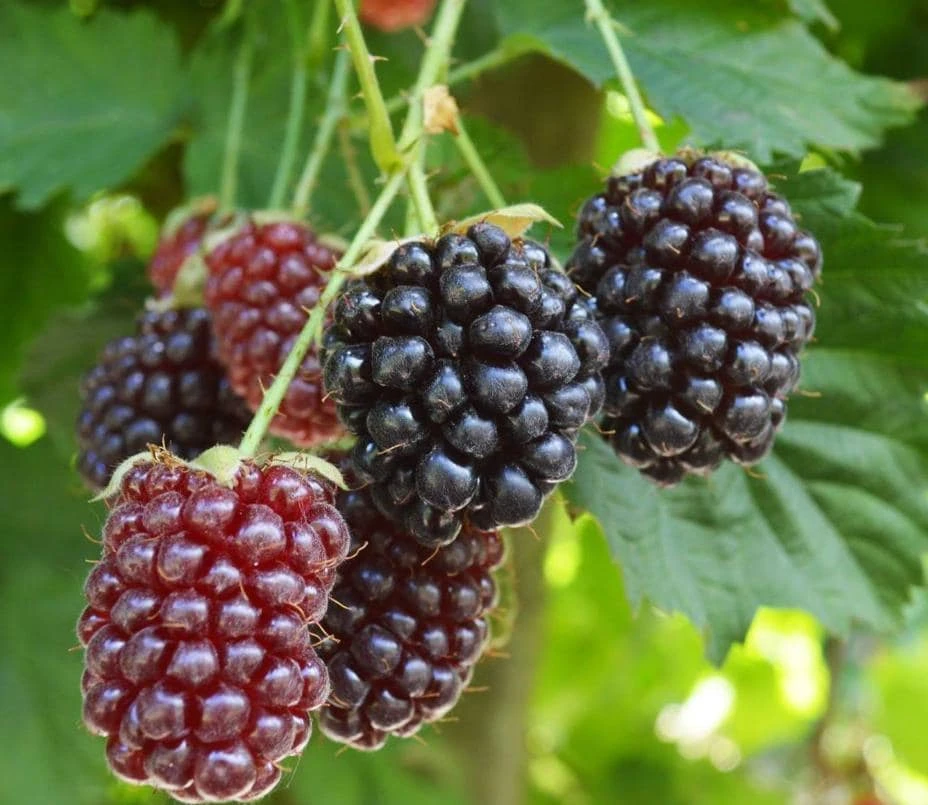
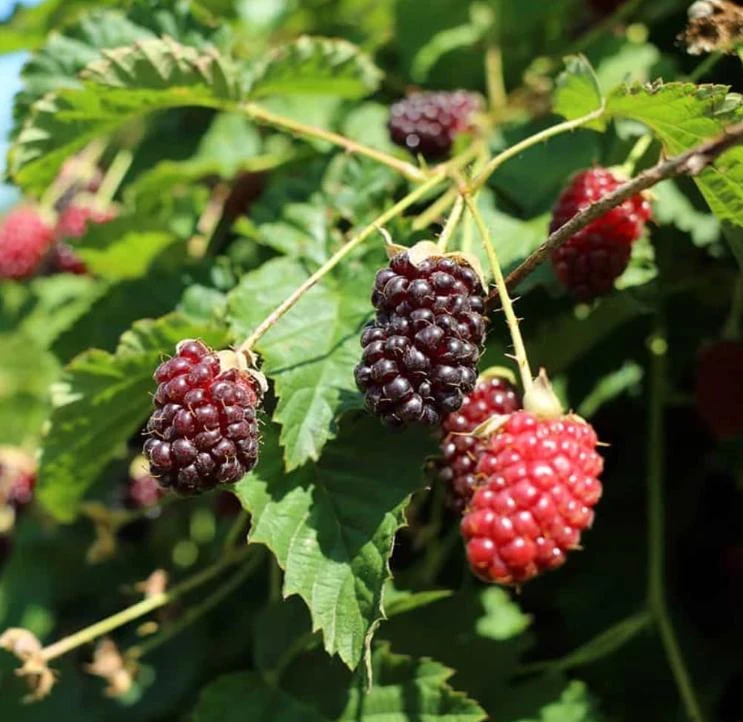
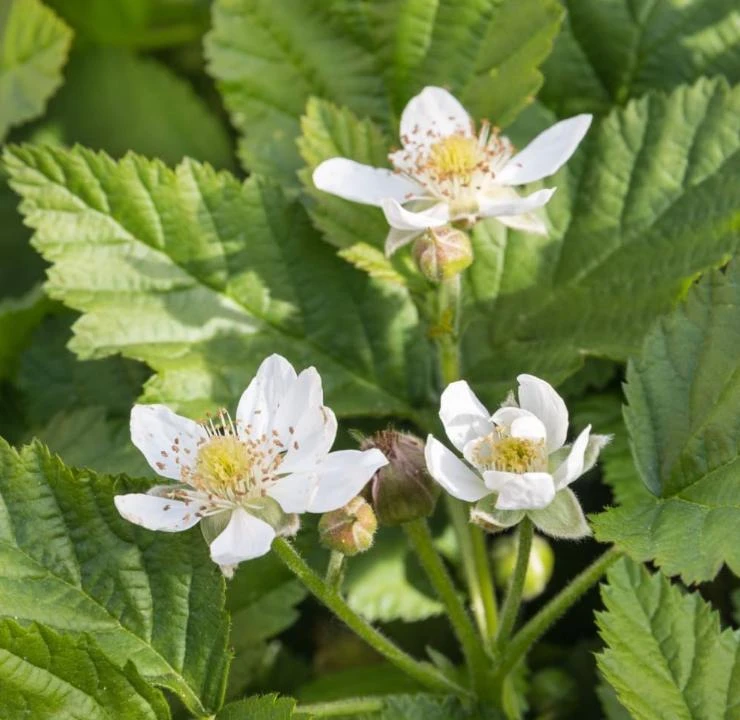
Boysenberry Live Plant – 3-6″ Tall Bare Root Cane – Rubus ursinus Hybrid – Outdoor Berry Plant for Garden & Trellis
Original price was: $28.79.$21.59Current price is: $21.59.
Cultivate your own flavorful berries with this boysenberry live plant. This 3-6″ tall bare-root cane, a vigorous Rubus ursinus hybrid, thrives outdoors and is perfect for garden beds or trellises. Enjoy abundant harvests of sweet-tart boysenberries for fresh eating, baking, and preserves.
Shipping and Return policies:
We stand behind our plants with our Alive & Thrive Guarantee. If you experience any issues within the first 30 days, please email us, and our team will be happy to help. When needed, we’ll send you a one-time replacement free of charge to make sure your garden keeps growing strong.

Reasonable Price
We offer reasonable price

Support 24/7
Contact us 24 hrs a day
100% Money Back
You’ve 30 days to Return
Payment Secure
100% secure payment
Overview
Bring the joy of homegrown fruit to your garden with this vibrant boysenberry live plant. A fascinating hybrid of raspberry, blackberry, and loganberry, the boysenberry offers a unique, rich flavor that is both sweet and tart. This particular offering is a 3-6″ tall starter cane, perfect for establishing a productive berry patch. Known botanically as a Rubus ursinus hybrid, boysenberries are a highly sought-after addition to any home orchard or garden. They are excellent for fresh eating, baking, jams, and preserves, providing a versatile bounty from early to mid-summer. Growing your own boysenberries ensures you have access to fresh, organic fruit, free from pesticides and picked at peak ripeness. This easy-to-grow plant is a fantastic choice for both novice and experienced gardeners looking to expand their edible landscape.
Our boysenberry live plant arrives ready to be transplanted, providing a head start on growing boysenberry. These vigorous growers will quickly establish themselves, given the right conditions, and begin producing fruit in due course. The canes are known for their trailing habit, making them ideal for support structures like trellises, which not only maximizes space but also makes harvesting easier. Invest in a boysenberry live plant today and look forward to abundant harvests of luscious, dark purple berries that are far superior to store-bought varieties.
Key Benefits
Adding a boysenberry live plant to your garden offers numerous advantages, from delicious harvests to ornamental appeal. These robust plants provide a rewarding gardening experience and a bounty of healthy fruit.
- Abundant & Delicious Harvests: Enjoy a prolific yield of large, juicy boysenberries, perfect for fresh eating, pies, jams, and more. The flavor is a complex blend of sweet and tart, making them a culinary delight. This berry plant for garden use provides an unparalleled taste experience.
- Nutrient-Rich Fruit: Boysenberries are packed with vitamins, antioxidants, and fiber, contributing to a healthy diet. Growing your own ensures a fresh, organic source of these beneficial nutrients.
- Versatile Garden Addition: Ideal for home orchards, kitchen gardens, or as an attractive addition to a landscape where their trailing canes can be trained along fences or trellises, enhancing garden aesthetics.
- Vigorous Growth & Resilience: As a Rubus ursinus hybrid, these plants are known for their strong growth habit and ability to adapt to various growing conditions, offering a reliable fruit-bearing option.
- Supports Local Pollinators: The flowers of the boysenberry plant attract bees and other beneficial insects, contributing to the health and biodiversity of your garden ecosystem.
- Easy to Train on Trellis: Their natural vining habit makes them perfect for growing on trellises, fences, or arbors, saving space and making harvesting more convenient. This also ensures better air circulation, reducing disease risk.
- Long-Term Productivity: With proper care, a boysenberry live plant can provide many years of fruit production, making it a valuable long-term investment for your edible garden.
Plant Care & Growing Tips
Caring for your boysenberry live plant is straightforward and rewarding, leading to bountiful harvests. These plants thrive with consistent attention to their basic needs, ensuring strong growth and delicious fruit production. The initial 3-6″ tall cane needs a good start to develop into a robust producer. Choose a location that receives full sun, meaning at least 6-8 hours of direct sunlight per day. Good air circulation is also crucial to prevent fungal diseases, especially when the plant is trellised. Prepare your soil by ensuring it is well-draining and rich in organic matter. Boysenberries prefer a slightly acidic to neutral pH (6.0-7.0).
Watering is key, especially during dry spells and when the fruit is developing. Keep the soil consistently moist but never waterlogged. Deep watering encourages a strong root system. Fertilize in early spring with a balanced slow-release fertilizer or an organic compost. Pruning is essential for maintaining plant health and maximizing fruit production. Boysenberries typically fruit on second-year canes. After a cane has fruited, it should be cut back to the ground. New canes will emerge for the following year’s harvest. Training canes on a trellis or support system is highly recommended for managing growth and simplifying harvest, which is part of effective boysenberry plant care.
Protect your boysenberry live plant from pests and diseases by practicing good garden hygiene and inspecting plants regularly. Common issues include aphids and fungal diseases, which can often be managed with organic sprays or proper cultural practices. For best results with growing boysenberry, ensure adequate winter protection in colder climates, such as mulching around the base or covering the canes. Understanding the specific needs of this berry plant for garden use will lead to a thriving and productive patch.
Size & Details
This offering is for one boysenberry live plant, measuring approximately 3-6″ in height. It is shipped as a bare-root cane, without a pot, to ensure optimal health during transit and ease of planting upon arrival. The plant is a Rubus ursinus hybrid, known for its vigorous growth once established. Boysenberries are typically sprawling plants that can reach lengths of 6-10 feet if not pruned or supported. They are best grown with a trellis or support system to manage their growth and facilitate harvesting. Expect first fruit production within 1-2 years after planting, with full production achieved in 2-3 years. The growth rate is moderate to fast, depending on climate and care. These plants are deciduous, losing their leaves in winter and regrowing them in spring, ready for a new season of fruit. This size is ideal for planting directly into your garden or a larger container if you prefer to grow them on a patio or balcony, making it a versatile berry plant for garden enthusiasts.
Frequently Asked Questions
- Q: How big does this plant get? A: This boysenberry live plant is sent as a 3-6″ tall cane. Once established, the canes can grow 6-10 feet long if left unsupported, making a trellis highly recommended for managing growth and maximizing fruit production.
- Q: Is this an indoor or outdoor plant? A: Boysenberry plants are primarily outdoor plants, thriving in full sun conditions in a garden setting. They require a period of dormancy in colder temperatures to produce fruit.
- Q: How much sunlight does it need? A: For optimal fruit production, your boysenberry live plant requires at least 6-8 hours of direct sunlight per day. Choose a sunny spot in your garden.
- Q: Is this plant easy to care for? A: Yes, boysenberries are relatively easy to care for, especially with proper planting and a good support system. Consistent watering and annual pruning are key components of successful boysenberry plant care.
- Q: What condition will it arrive in? A: This plant is shipped as a bare-root cane, meaning it will arrive without soil or a pot. This method ensures the plant’s health during shipping and is ready for immediate planting upon arrival.
- Q: When is the best time to plant? A: The best time for growing boysenberry is typically in early spring after the last frost, or in the fall before the ground freezes, allowing the roots to establish before extreme temperatures.
- Q: Will it survive winter in my zone? A: Boysenberries are generally hardy in USDA Zones 5-9. In colder zones, some winter protection like mulching or covering the canes may be necessary to ensure survival and productivity.
- Q: Can I grow this berry plant for garden in a container? A: While possible, boysenberries are large and vigorous growers. If you choose to grow them in a container, select a very large pot (at least 20-gallon capacity) and be prepared for more frequent watering and annual pruning.
- Q: How long until it produces fruit? A: A well-cared-for boysenberry live plant typically begins producing fruit in its second year after planting, with full production usually achieved in the third year.
- Q: What is a Rubus ursinus hybrid? A: It refers to the botanical classification of the boysenberry, indicating its hybrid origin from different Rubus species, including Rubus ursinus (Pacific blackberry), contributing to its unique characteristics and robust nature.
Be the first to review “Boysenberry Live Plant – 3-6″ Tall Bare Root Cane – Rubus ursinus Hybrid – Outdoor Berry Plant for Garden & Trellis”
You must be logged in to post a review.
People also Viewed
Sold 50 products
$32.38
Sold 50 products
$27.38
Sold 50 products
$32.38
Sold 50 products
$19.88
Sold 50 products
$62.38
Sold 50 products
$24.88
Houseplants
Phalaenopsis pulcherrima ‘Mauna Kea Snow’ Orchid Live Plant – White Flowers, Potted 2.5 in
Sold 50 products
$49.88
Sold 50 products
$49.88RELATED posts
Awapuhi Wild Ginger Plant: Zones, Care, and Propagation
Learn which USDA zones suit awapuhi wild ginger, plus sunlight, water, planting, propagation, pests, size, [...]
Awapuhi Shampoo Ginger – Care, Growing Zones, and Differences
Learn how to grow awapuhi (shampoo) ginger, its USDA zones, watering schedule, propagation tips, and [...]
Awapuhi Shampoo Plant Buying Guide – Choose the Right Zingiber zerumbet
META: Learn which awapuhi (shampoo ginger) plant or rhizome pack gives the best natural shampoo, [...]
Awapuhi Plant for Sale: Complete Buying Guide
Find the right awapuhi (shampoo ginger) plant, size, price, soil mix, and online source. Practical [...]
Shampoo Ginger Plant for Sale – Buying Guide & Tips
Find the right shampoo ginger plant, size, price, and care tips. Quick guide for U.S. [...]
Shampoo Ginger Plant (Awapuhi) Care Guide
Learn how to grow, care for, and use shampoo ginger (Zingiber zerumbet), the tropical awapuhi [...]
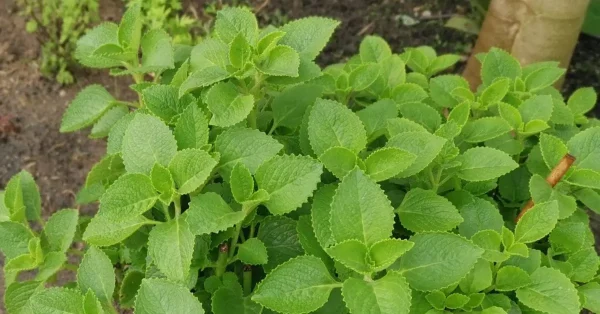
How to Grow Cuban Oregano Plants: A Complete Care Guide
If you’ve ever wanted a plant that combines the culinary punch of traditional oregano with [...]
Aug
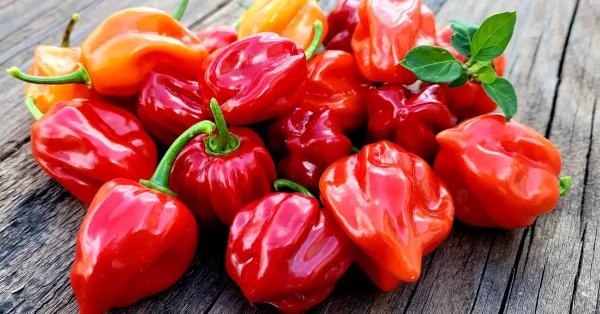
How to Grow Habanero Pepper Plants: A Step-by-Step Guide
Habanero pepper plants are prized for their vibrant colors, intense heat, and exceptional flavor, making [...]
Aug



Reviews
There are no reviews yet.