
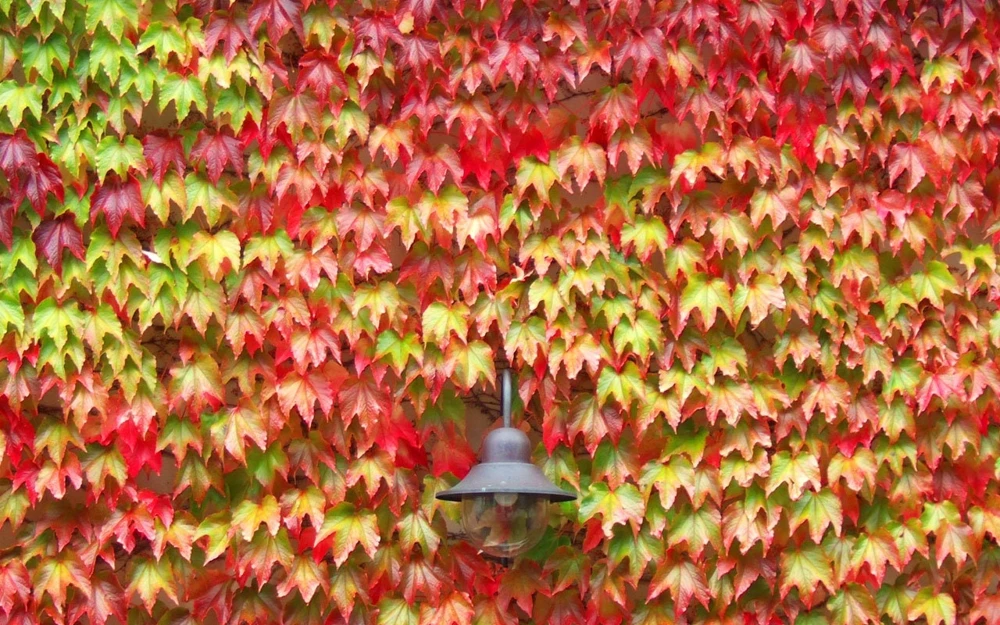

Boston Ivy Live Plant – Fast Growing Deciduous Vine – Colorful Fall Foliage – Starter Plant
Original price was: $31.98.$25.48Current price is: $25.48.
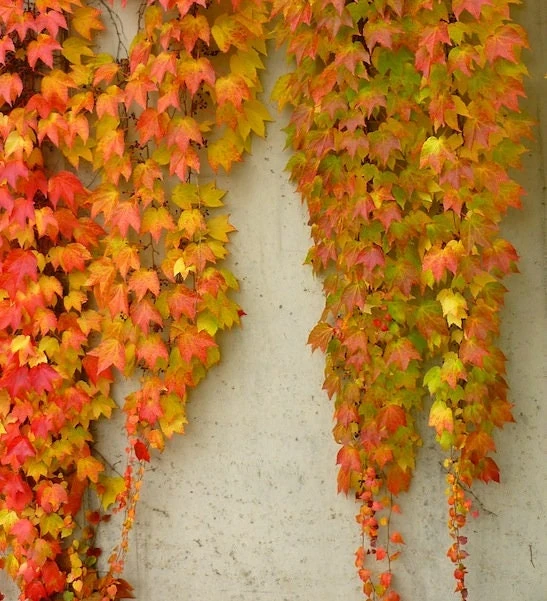
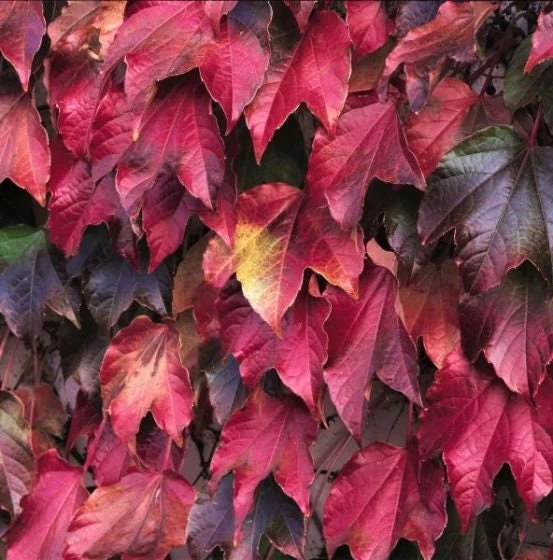
Bring vibrant fall color and lush greenery to your landscape with the Boston Ivy live plant. This fast growing vine is a deciduous, self-clinging climber, perfect for covering walls, fences, and trellises. Enjoy its brilliant red, orange, and purple autumn leaves and easy care.
Shipping and Return policies:
We stand behind our plants with our Alive & Thrive Guarantee. If you experience any issues within the first 30 days, please email us, and our team will be happy to help. When needed, we’ll send you a one-time replacement free of charge to make sure your garden keeps growing strong.

Reasonable Price
We offer reasonable price

Support 24/7
Contact us 24 hrs a day
100% Money Back
You’ve 30 days to Return
Payment Secure
100% secure payment
Overview
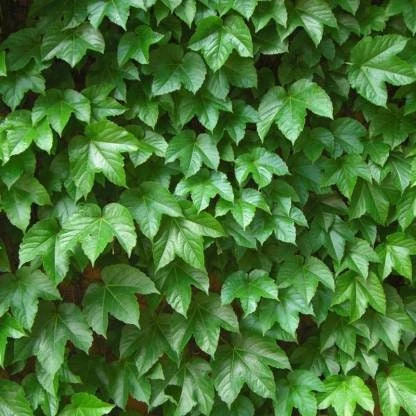
Transform your garden or home exterior with the stunning beauty of a Boston Ivy live plant. This remarkable Parthenocissus tricuspidata is a highly sought-after deciduous vine, celebrated for its vigorous growth and breathtaking seasonal display. Known for its lush green foliage throughout spring and summer, the Boston Ivy truly shines in the fall, when its leaves explode into brilliant shades of red, orange, and purple. This fast growing vine is a self-clinging climber, meaning it adheres naturally to surfaces like walls, fences, and trellises without the need for extensive support structures. It’s an ideal choice for adding year-round visual interest and can even provide excellent insulation for buildings. Whether you’re looking to create a living wall, soften architectural lines, or add a touch of classic charm, the Boston Ivy offers a low-maintenance and adaptable solution for both urban and traditional garden settings.
Key Benefits
The Boston Ivy live plant offers a multitude of advantages for any landscape, making it a popular and rewarding choice for gardeners:
- Spectacular Seasonal Color: Experience a dramatic transformation as the lush green leaves of this Boston Ivy vine turn into brilliant reds, oranges, and purples in autumn, providing an unforgettable display of colorful fall foliage.
- Rapid Growth & Coverage: As a fast growing vine, Boston Ivy quickly establishes itself and covers large surfaces, offering instant impact and privacy. It’s perfect for quickly greening up bare walls or fences.
- Self-Clinging Nature: This variety naturally adheres to most surfaces using adhesive pads, eliminating the need for complex trellises or ties and simplifying installation and maintenance.
- Low Maintenance & Adaptable: Once established, Boston Ivy requires minimal care. It is highly adaptable to various soil types and light conditions, making it suitable for a wide range of environments.
- Architectural Enhancement: Soften harsh building lines, add texture to facades, or create a classic, established look for your home with this elegant climbing plant.
- Natural Insulation: The dense foliage can provide a layer of insulation, potentially helping to keep buildings cooler in summer and warmer in winter.
- Urban Garden Friendly: Its resilience and adaptability make the Boston Ivy live plant an excellent choice for urban landscapes where space might be limited or conditions challenging.
Plant Care & Growing Tips
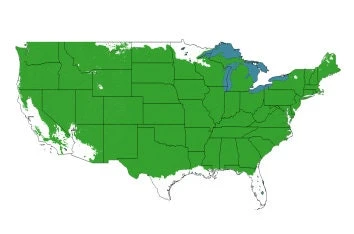
Caring for your Boston Ivy live plant is straightforward, ensuring years of beautiful growth and vibrant autumn color. This resilient vine thrives in USDA Hardiness Zones 4-9, making it suitable for a wide range of climates. For optimal growth, plant your Boston Ivy in a location that receives full sun to partial shade. While it can tolerate some shade, more sun exposure will intensify its spectacular colorful fall foliage. The ideal soil should be well-draining and fertile; however, this vine is quite adaptable and can tolerate poorer soil conditions once established. When it comes to watering, keep the soil evenly moist, especially during dry periods, but avoid overwatering, as soggy soil can lead to root rot. Young plants will require more consistent moisture to establish a strong root system. This plant is cold-hardy and heat-tolerant, making it a robust addition to your garden. Fertilization is generally not heavily required; a balanced, slow-release fertilizer in spring can encourage vigorous growth. Pruning is best done in late winter or early spring to control its size and shape, or to remove any unwanted growth. Watch out for common pests like mites or scale, and treat with horticultural oil if necessary. With proper care, your Parthenocissus tricuspidata will flourish and provide stunning visual appeal.
Size & Details
This listing is for a rooted starter Boston Ivy live plant, which typically ships either bare root or in a 2.5×4 inch greenhouse pot. Each living plant is unique and its size, color, or shape may vary slightly depending on the season and growing conditions. Boston Ivy is a remarkably fast growing vine, known for its rapid establishment and ability to cover large areas. Under ideal conditions, it can grow several feet in a single season, eventually reaching lengths of 30-50 feet or more. The leaves are typically 4-8 inches wide, creating a dense canopy. Expect your starter plant to quickly begin climbing and developing its characteristic lobed leaves. While it provides excellent coverage, its self-clinging nature means minimal intervention is needed for support. The glorious colorful fall foliage will become more pronounced as the plant matures and experiences the seasonal temperature changes. This resilient Boston Ivy vine offers a long-term, beautiful solution for enhancing your landscape.
Frequently Asked Questions
- Q: How big does this plant get? A: The Boston Ivy live plant is a vigorous climber that can reach impressive lengths of 30 to 50 feet or more, covering large walls or trellises effectively. Its rapid growth rate ensures quick coverage.
- Q: Is this an indoor or outdoor plant? A: Boston Ivy is primarily an outdoor plant, ideally suited for landscaping and covering exterior surfaces. It is hardy in USDA Zones 4-9.
- Q: How much sunlight does it need? A: This fast growing vine thrives in full sun to partial shade. More sun exposure will result in more vibrant and intense colorful fall foliage.
- Q: Is this plant easy to care for? A: Yes, Boston Ivy is considered low-maintenance and adaptable. Once established, it requires minimal care, making it a great choice for both novice and experienced gardeners.
- Q: What condition will it arrive in? A: Your Boston Ivy live plant will arrive as a rooted starter plant, shipped either bare root or in a 2.5×4 inch greenhouse pot, ready for planting.
- Q: When is the best time to plant Boston Ivy? A: The best time to plant Boston Ivy is in spring or early fall, allowing the plant time to establish its root system before extreme temperatures.
- Q: Will it survive winter in my zone? A: Yes, Parthenocissus tricuspidata is very cold-hardy and will survive winters in USDA Hardiness Zones 4-9. It is deciduous, so it will lose its leaves in winter, regrowing them in spring.
- Q: Can the Boston Ivy damage walls? A: While the self-clinging pads generally don’t damage sound masonry, they can adhere strongly and may leave residue or potentially damage mortar or painted surfaces if removed forcefully.
- Q: How often should I water my Boston Ivy? A: Water moderately, keeping the soil evenly moist but not soggy, especially when the plant is young. Established plants are more drought-tolerant but appreciate consistent moisture during dry spells.
- Q: Does Boston Ivy produce flowers or berries? A: Boston Ivy produces small, inconspicuous green flowers in late spring to early summer, followed by small, dark blue berries that are attractive to birds but are not for human consumption.
Be the first to review “Boston Ivy Live Plant – Fast Growing Deciduous Vine – Colorful Fall Foliage – Starter Plant”
You must be logged in to post a review.
People also Viewed
Sold 50 products
Original price was: $37.48.$23.98Current price is: $23.98.
Sold 50 products
$32.38
Sold 50 products
$27.38
Sold 50 products
$32.38
Sold 50 products
$19.88
Sold 50 products
$62.38
Sold 50 products
$24.88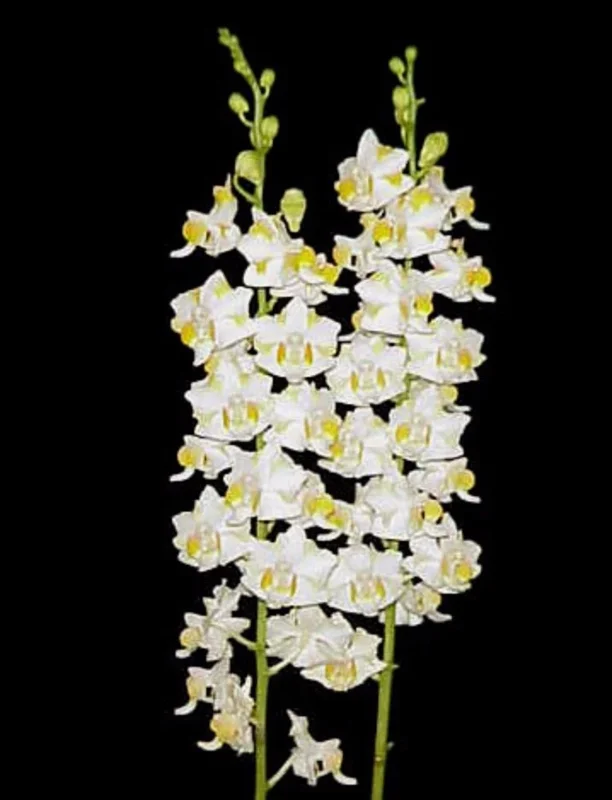
Houseplants
Phalaenopsis pulcherrima ‘Mauna Kea Snow’ Orchid Live Plant – White Flowers, Potted 2.5 in
Sold 50 products
$49.88RELATED posts
Awapuhi Wild Ginger Plant: Zones, Care, and Propagation
Learn which USDA zones suit awapuhi wild ginger, plus sunlight, water, planting, propagation, pests, size, [...]
Awapuhi Shampoo Ginger – Care, Growing Zones, and Differences
Learn how to grow awapuhi (shampoo) ginger, its USDA zones, watering schedule, propagation tips, and [...]
Awapuhi Shampoo Plant Buying Guide – Choose the Right Zingiber zerumbet
META: Learn which awapuhi (shampoo ginger) plant or rhizome pack gives the best natural shampoo, [...]
Awapuhi Plant for Sale: Complete Buying Guide
Find the right awapuhi (shampoo ginger) plant, size, price, soil mix, and online source. Practical [...]
Shampoo Ginger Plant for Sale – Buying Guide & Tips
Find the right shampoo ginger plant, size, price, and care tips. Quick guide for U.S. [...]
Shampoo Ginger Plant (Awapuhi) Care Guide
Learn how to grow, care for, and use shampoo ginger (Zingiber zerumbet), the tropical awapuhi [...]
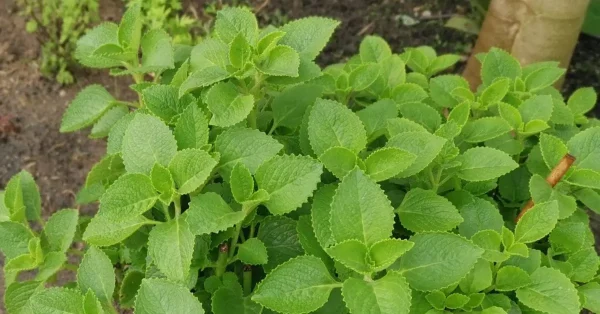
How to Grow Cuban Oregano Plants: A Complete Care Guide
If you’ve ever wanted a plant that combines the culinary punch of traditional oregano with [...]
Aug
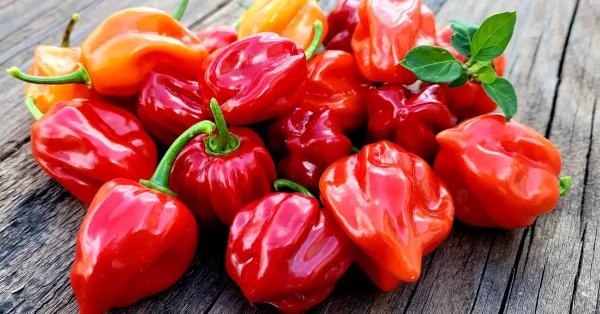
How to Grow Habanero Pepper Plants: A Step-by-Step Guide
Habanero pepper plants are prized for their vibrant colors, intense heat, and exceptional flavor, making [...]
Aug


Reviews
There are no reviews yet.