
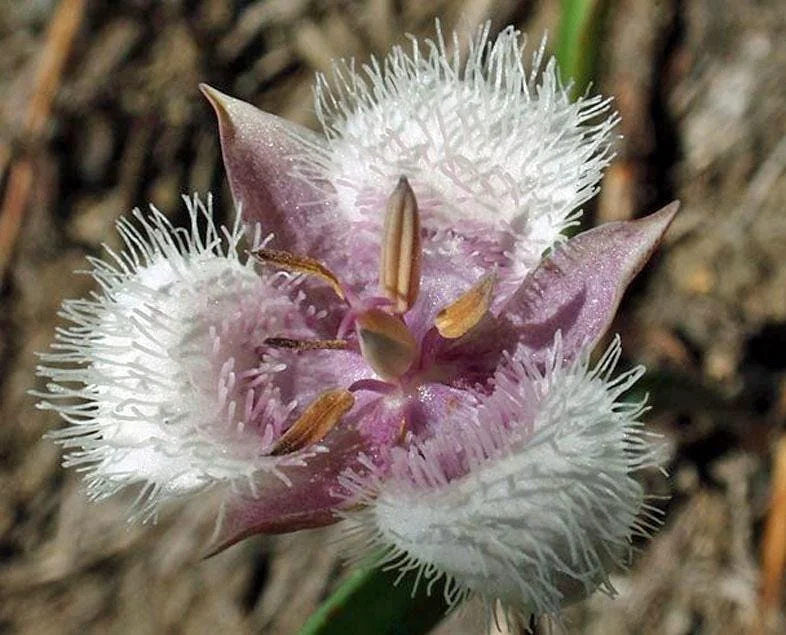
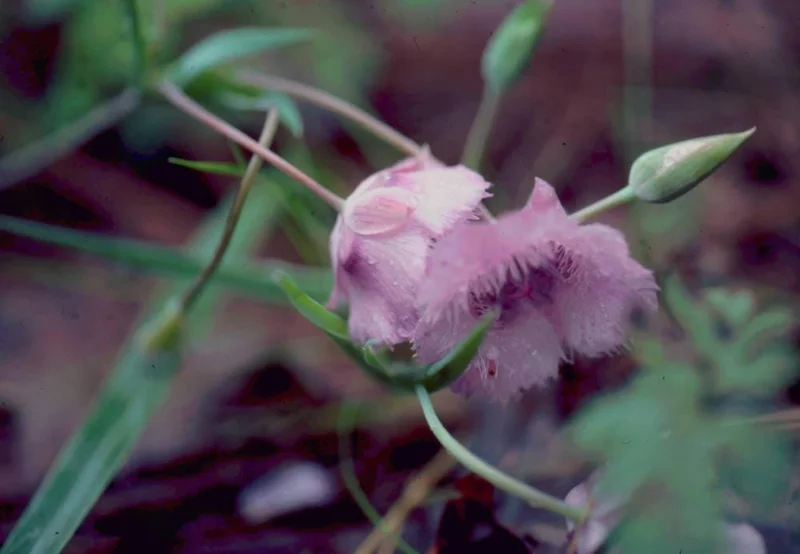
Blue Star Tulip Seeds – Calochortus coeruleus – 5 Seeds – Outdoor
Original price was: $25.00.$17.50Current price is: $17.50.
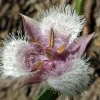
Discover the ethereal beauty of the blue star tulip seeds (Calochortus coeruleus). This packet contains 5 seeds to cultivate delicate, star-shaped blue to lavender blooms, perfect for rock gardens, native plant landscapes, or wildflower meadows. A rare and enchanting addition for gardeners seeking unique native flora.
Shipping and Return policies:
We stand behind our plants with our Alive & Thrive Guarantee. If you experience any issues within the first 30 days, please email us, and our team will be happy to help. When needed, we’ll send you a one-time replacement free of charge to make sure your garden keeps growing strong.

Reasonable Price
We offer reasonable price

Support 24/7
Contact us 24 hrs a day
100% Money Back
You’ve 30 days to Return
Payment Secure
100% secure payment
Overview
Embark on a rewarding gardening journey with our exquisite blue star tulip seeds. Calochortus coeruleus, commonly known as the blue star tulip, is a truly delicate and rare bulbous perennial native to the sun-drenched oak woodlands and grassy slopes of California. These Calochortus coeruleus seeds offer the opportunity to cultivate a unique wildflower admired for its ethereal beauty and its vital role in supporting native pollinators. Growing from seed allows you to witness the full life cycle of this enchanting plant, culminating in its breathtaking spring blooms. Each packet contains 5 seeds, providing a foundation for establishing these charming plants in your garden.
The blue star tulip is a captivating species, producing slender, grass-like basal leaves and exquisite star-shaped blooms. Its petals, in shades of pale blue to lavender, often possess a satiny sheen and are centered by bright yellow stamens. This plant is an ideal choice for those looking to add a touch of native elegance to rock gardens, naturalized areas, or specialized wildflower meadows, thriving particularly well in regions with dry summers. Cultivating the blue star tulip plant from seed requires patience but promises a truly rewarding display of natural artistry.
Key Benefits
The blue star tulip seeds offer numerous benefits for both the discerning gardener and the local ecosystem, bringing a touch of rare beauty and ecological value to your outdoor space. These unique seeds allow you to cultivate a plant that stands out with its distinct charm.
- Ethereal Beauty: Produce delicate, star-shaped blooms in captivating shades of pale blue to lavender, adding a unique aesthetic to your garden. The satiny sheen and subtle veining make each flower a miniature work of art.
- Native Plant Appeal: Grow a native Californian species that is well-adapted to specific regional conditions, promoting biodiversity and supporting local ecosystems.
- Pollinator Support: The exquisite blooms are a magnet for native pollinators, contributing to the health and vitality of your garden’s insect population. Planting these helps sustain essential wildlife.
- Unique Rock Garden Addition: Its compact size and preference for well-drained soils make it an excellent choice for rock gardens, where its delicate flowers can be admired up close.
- Wildflower Meadow Enhancement: Integrate this rare species into wildflower meadows for a naturalized look, creating a stunning and ecologically rich landscape.
- Drought Tolerance: Once established, the blue star tulip is known for its ability to thrive in dry summer conditions, making it a sustainable choice for water-wise gardens.
- Rewarding Cultivation: While requiring patience, successfully growing the blue star tulip plant from seed provides immense satisfaction and a deeper connection to nature’s cycles.
Plant Care & Growing Tips
Cultivating Calochortus coeruleus seeds requires attention to specific conditions to ensure successful germination and establishment. These seeds need a period of cold stratification to break dormancy, mimicking natural winter conditions. Sow the blue star tulip seeds on the surface of a well-draining, sandy seed-starting mix, gently pressing them into the soil without covering, as they require light for germination. Keep the soil consistently moist but never waterlogged. Place the container in a cold environment, such as a refrigerator or an outdoor cold frame, for 8 to 12 weeks. This cold period is crucial for stimulating germination.
After stratification, move the container to a bright, cool location with temperatures around 60 to 65°F (15-18°C). Germination can be slow and sporadic, often taking several weeks to months, so patience is key. Ensure good air circulation to prevent damping off, a common issue with seedlings. Seedlings may take two to three years to reach flowering size, but the unique blooms are well worth the wait. Once established, the blue star tulip plant thrives in full sun to light dappled shade and prefers well-drained, sandy or rocky soils. It is particularly well-suited to regions with dry summers and is hardy in USDA Zones 6-9. Avoid heavy, poorly draining soils, which can lead to bulb rot. Fertilization is generally not heavily required in native settings; a light application of a balanced, slow-release fertilizer in early spring can be beneficial for cultivated plants, but avoid over-fertilizing.
To ensure robust growth and beautiful blooms for your blue star tulip, consider its native habitat. It naturally occurs in areas with distinct wet winters and dry summers. Mimicking these conditions, especially concerning soil moisture, will greatly benefit your plants. During its dormant summer period, reduce watering significantly. Monitoring for common garden pests is always advisable, though native plants often show good resistance. Remember that patience is a virtue when you grow blue star tulip from seed, but the reward of these exquisite native flowers is truly unparalleled.
Size & Details
Our offering includes 5 seeds of Calochortus coeruleus, providing a starting point for cultivating this rare and beautiful native perennial. Once mature, the blue star tulip plant typically grows 6 to 12 inches tall, forming a delicate, upright presence in the garden. Its slender, grass-like basal leaves often wither by the time the plant flowers in spring, allowing the exquisite blooms to take center stage. This species has a moderate growth rate from seed, with seedlings typically requiring two to three years to reach flowering size and produce their first enchanting blooms.
These seeds are provided in a protective packet, ready for stratification and planting. The mature plants are well-suited for various garden applications, including rock gardens, native plant landscapes, and wildflower meadows, especially in its preferred hardiness zones of USDA 6-9. The plant develops a bulbous root system, which allows it to thrive in well-drained, sandy or rocky soils. The compact nature of the mature plant makes it an excellent choice for smaller garden spaces or container growing, provided adequate drainage is ensured. Each seed holds the potential for a stunning addition to your outdoor space, bringing the beauty of a rare wildflower seeds to your home.
Frequently Asked Questions
- Q: How big does the blue star tulip plant get? A: The blue star tulip plant typically grows to a height of 6 to 12 inches when mature, showcasing its delicate blooms on slender stems. Its compact size makes it suitable for various garden settings.
- Q: Is this an indoor or outdoor plant? A: Calochortus coeruleus is an outdoor plant, best suited for rock gardens, native plant landscapes, and wildflower meadows. It thrives in specific outdoor conditions and is not typically grown as an indoor houseplant.
- Q: How much sunlight do these seeds need to germinate? A: The Calochortus coeruleus seeds require light to germinate, so they should be sown on the surface of the soil and lightly pressed in, rather than covered. Once established, the mature plant prefers full sun to light dappled shade.
- Q: Is this plant easy to care for? A: Growing the blue star tulip from seed requires patience and specific care, particularly cold stratification for germination. Once established, it is relatively low-maintenance, especially in its preferred climate and soil conditions.
- Q: What condition will the seeds arrive in? A: The product includes 5 seeds of Calochortus coeruleus, carefully packaged to ensure their viability and safe arrival, ready for you to begin the stratification and planting process.
- Q: How long until the blue star tulip blooms from seed? A: Germination can be slow, taking weeks to months, and seedlings typically require two to three years to reach flowering size and produce their first blooms. Patience is essential when you grow blue star tulip.
- Q: What’s the best time to plant blue star tulip seeds? A: The best time to sow blue star tulip seeds is in late fall or early winter, allowing them to undergo natural cold stratification outdoors, or you can simulate this period indoors using a refrigerator.
- Q: What USDA hardiness zones are suitable for Calochortus coeruleus? A: The blue star tulip plant is hardy in USDA Zones 6-9, thriving in regions that provide its preferred climate, particularly dry summers.
- Q: What kind of soil does the blue star tulip prefer? A: This plant thrives in well-drained, sandy or rocky soils, mimicking its native habitat. Good drainage is crucial to prevent bulb rot.
- Q: Can I really grow a rare wildflower from these seeds? A: Yes, these are indeed rare wildflower seeds. With proper care and patience, you can successfully cultivate Calochortus coeruleus and enjoy its unique, ethereal beauty in your garden.
Be the first to review “Blue Star Tulip Seeds – Calochortus coeruleus – 5 Seeds – Outdoor”
You must be logged in to post a review.
People also Viewed
Sold 50 products
Original price was: $109.95.$79.98Current price is: $79.98.
Sold 50 products
Original price was: $25.00.$17.50Current price is: $17.50.
Flower Seeds
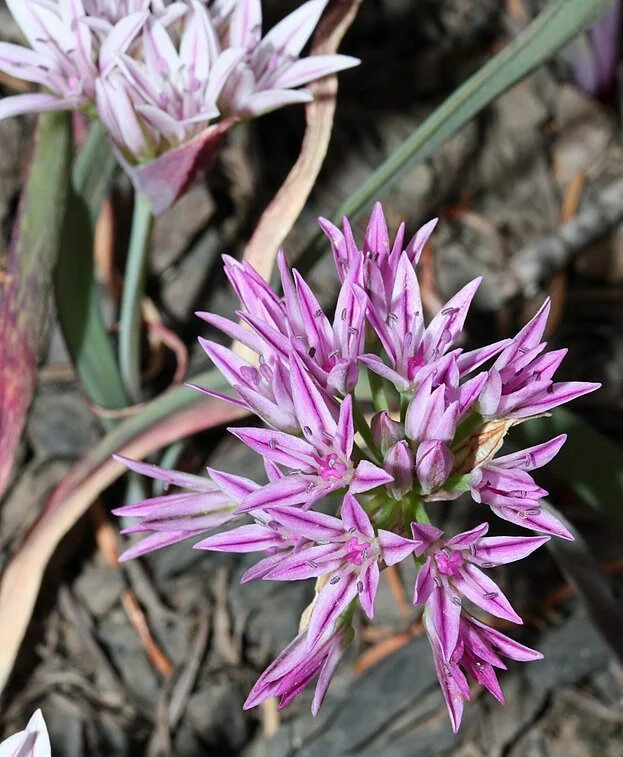
Olympic Onion Seeds – Allium crenulatum Flower Seeds – 10 Seed Pack – Outdoor Native Plant
Sold 50 products
Original price was: $25.00.$17.50Current price is: $17.50.
Sold 50 products
Original price was: $25.00.$17.50Current price is: $17.50.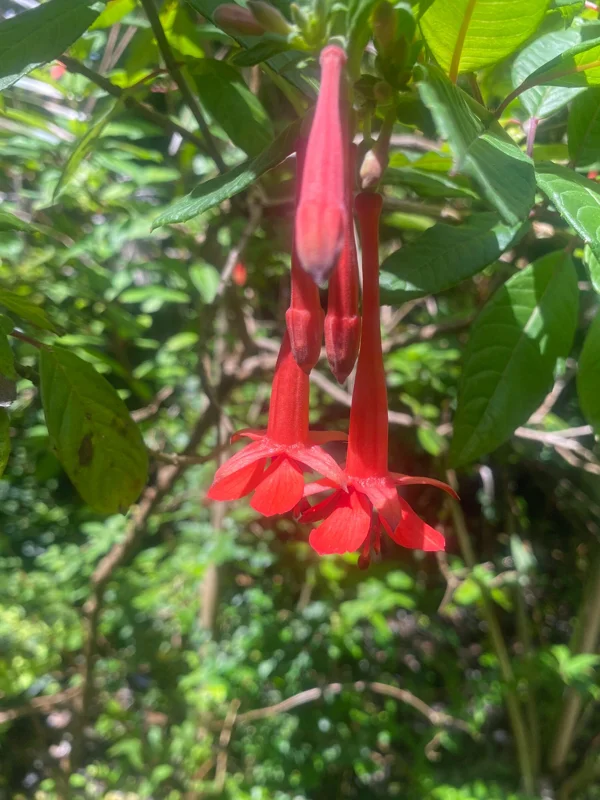
Flower Seeds
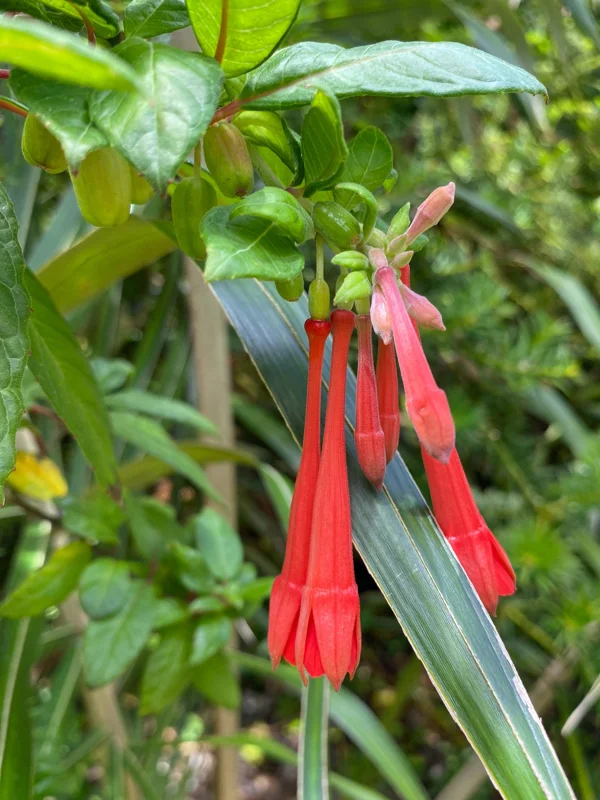
Fuchsia vulcanica Seeds – 20 Pack – Vibrant Orange Coral Flowers for Garden & Containers
Sold 50 products
Original price was: $25.00.$17.50Current price is: $17.50.
Sold 50 products
Original price was: $116.98.$95.68Current price is: $95.68.
Sold 50 products
Original price was: $21.00.$14.10Current price is: $14.10.
Aquatic Plant Seeds
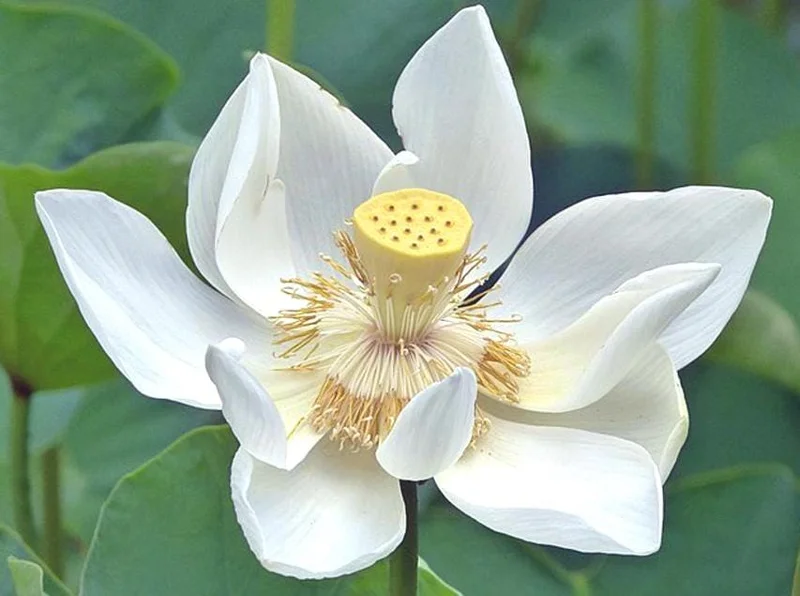
White Lotus Seeds – Nelumbo Nucifera Aquatic Pond Plant – 5 Seeds for Water Garden
Sold 50 products
Original price was: $29.00.$20.90Current price is: $20.90.RELATED posts
Awapuhi Wild Ginger Plant: Zones, Care, and Propagation
Learn which USDA zones suit awapuhi wild ginger, plus sunlight, water, planting, propagation, pests, size, [...]
Awapuhi Shampoo Ginger – Care, Growing Zones, and Differences
Learn how to grow awapuhi (shampoo) ginger, its USDA zones, watering schedule, propagation tips, and [...]
Awapuhi Shampoo Plant Buying Guide – Choose the Right Zingiber zerumbet
META: Learn which awapuhi (shampoo ginger) plant or rhizome pack gives the best natural shampoo, [...]
Awapuhi Plant for Sale: Complete Buying Guide
Find the right awapuhi (shampoo ginger) plant, size, price, soil mix, and online source. Practical [...]
Shampoo Ginger Plant for Sale – Buying Guide & Tips
Find the right shampoo ginger plant, size, price, and care tips. Quick guide for U.S. [...]
Shampoo Ginger Plant (Awapuhi) Care Guide
Learn how to grow, care for, and use shampoo ginger (Zingiber zerumbet), the tropical awapuhi [...]
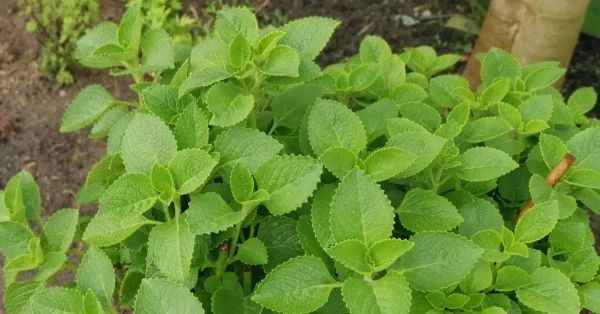
How to Grow Cuban Oregano Plants: A Complete Care Guide
If you’ve ever wanted a plant that combines the culinary punch of traditional oregano with [...]
Aug
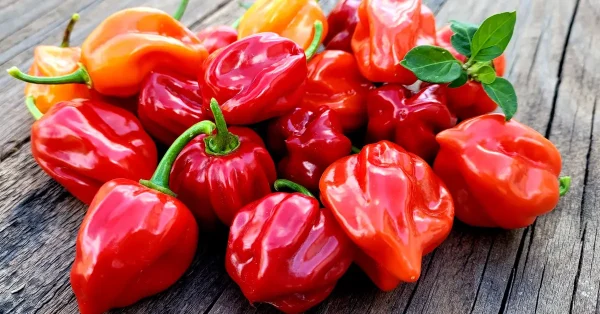
How to Grow Habanero Pepper Plants: A Step-by-Step Guide
Habanero pepper plants are prized for their vibrant colors, intense heat, and exceptional flavor, making [...]
Aug


Reviews
There are no reviews yet.