
Blue Grama Grass Seeds – Bouteloua gracilis – 100 Seeds – Drought Tolerant
Original price was: $25.00.$17.50Current price is: $17.50.
Cultivate a resilient landscape with Blue Grama Grass seeds. Each pack contains 100 seeds of Bouteloua gracilis, a native North American perennial known for its drought tolerance and minimal care requirements. Ideal for creating naturalized areas or enhancing existing prairies.
Shipping and Return policies:
We stand behind our plants with our Alive & Thrive Guarantee. If you experience any issues within the first 30 days, please email us, and our team will be happy to help. When needed, we’ll send you a one-time replacement free of charge to make sure your garden keeps growing strong.

Reasonable Price
We offer reasonable price

Support 24/7
Contact us 24 hrs a day
100% Money Back
You’ve 30 days to Return
Payment Secure
100% secure payment
Overview
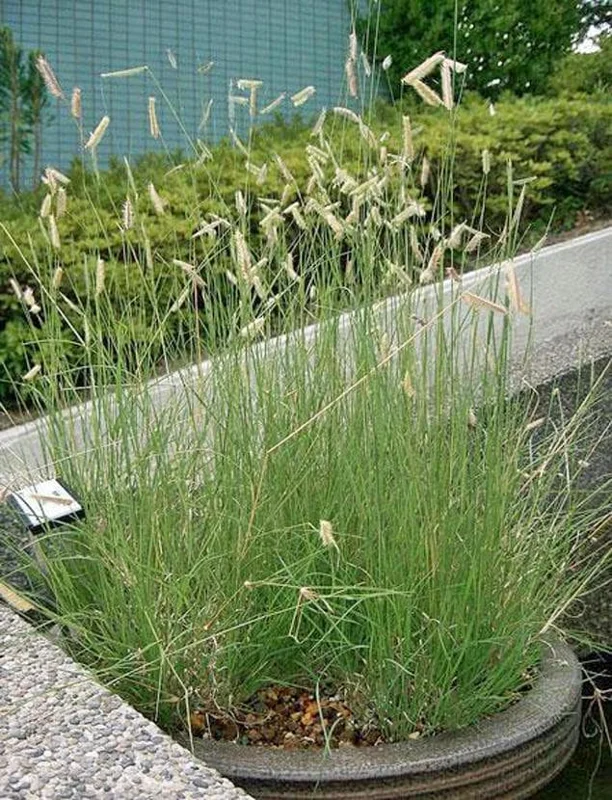
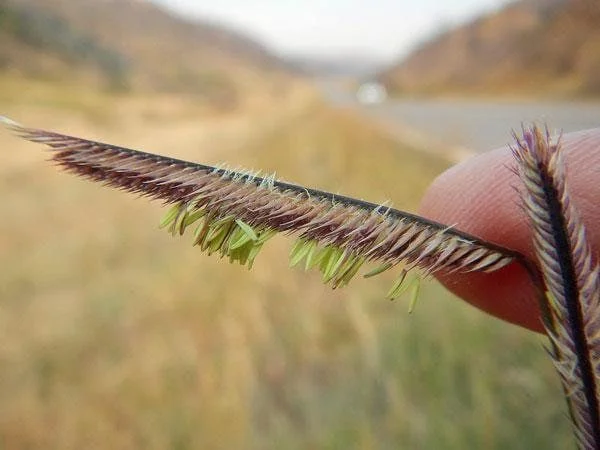
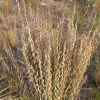
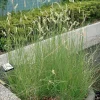
Transform your garden into a beautiful, sustainable landscape with Blue Grama Grass seeds. This offering provides 100 seeds of Bouteloua gracilis, a remarkable perennial grass celebrated for its hardiness and distinctive appearance. Commonly known as Eyebrow Grass or Mosquito Grass due to its unique seed spikes, Blue Grama Grass is a native to North America, thriving from Canada down to the northern Mexican plateau. It forms a significant part of the prairie ecosystem in the southern Great Plains, making it an excellent choice for those looking to establish a native garden, a drought-tolerant lawn alternative, or a low-maintenance landscape. Growing to about a foot tall, this grass is not only visually appealing but also a fantastic option for livestock forage.
These Bouteloua gracilis seeds offer an opportunity to grow a resilient and beautiful grass that requires very little attention once established. Its low-growing habit and exceptional drought tolerance make it a favorite among gardeners and landscapers seeking sustainable solutions. Whether you’re aiming to restore a prairie, create a natural meadow, or simply add a touch of native beauty to your yard, Blue Grama Grass seeds are an ideal starting point. The unique seed heads, resembling tiny eyebrows or mosquitos, add an interesting textural element to any garden design, swaying gently in the breeze.
Key Benefits
Investing in Blue Grama Grass seeds brings a multitude of benefits to your landscape, blending aesthetic appeal with ecological advantages. This robust perennial is a smart choice for various gardening needs, offering long-term value and beauty.
- Exceptional Drought Tolerance: Once established, Blue Grama Grass requires very little water, making it perfect for xeriscaping and areas prone to dry conditions. This significantly reduces water consumption and maintenance efforts.
- Low Maintenance: This grass is a true set-it-and-forget-it plant. It thrives with minimal intervention, eliminating the need for frequent mowing, fertilizing, or extensive care routines, especially when compared to traditional lawn grasses.
- Native Habitat Support: By planting Bouteloua gracilis seeds, you contribute to supporting local ecosystems. Native grasses provide vital food and shelter for beneficial insects and wildlife, enhancing biodiversity in your garden.
- Erosion Control: The fibrous root system of Blue Grama Grass spreads effectively, helping to stabilize soil and prevent erosion on slopes or in areas with loose soil, protecting your landscape naturally.
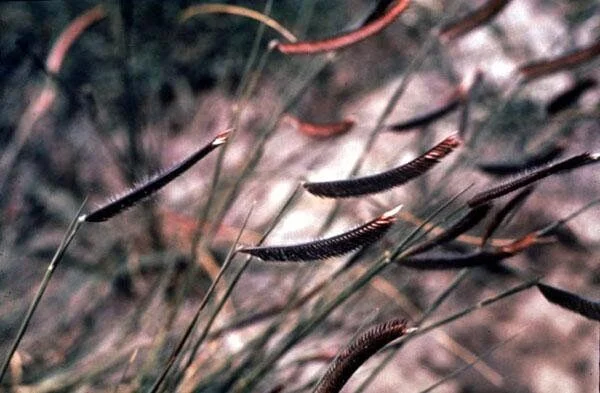
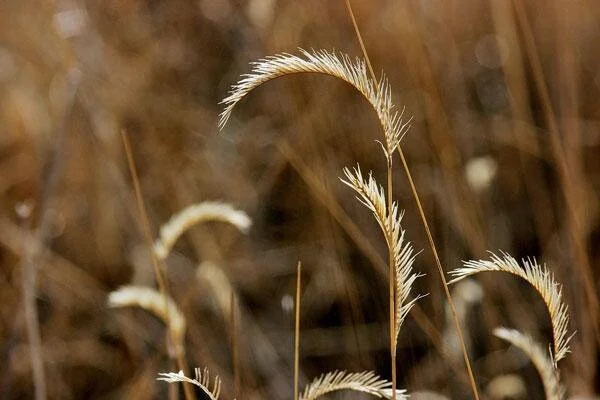
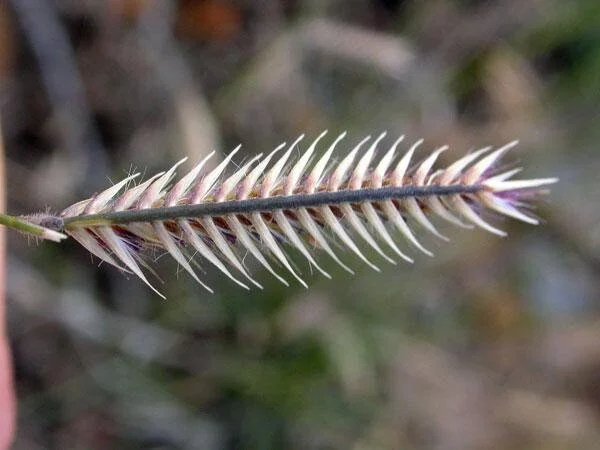
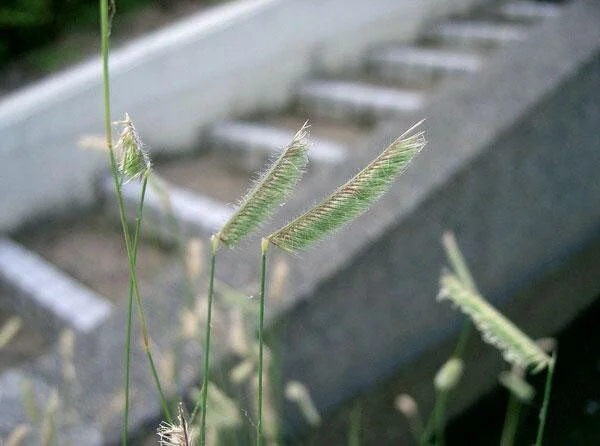
- Unique Ornamental Appeal: The distinctive ‘eyebrow’ or ‘mosquito’ shaped seed spikes provide unique visual interest, adding texture and movement to your garden throughout the growing season. It’s an elegant addition to any naturalistic or modern design.
- Livestock Forage: Beyond its ornamental value, Blue Grama Grass is also known to be a good forage grass for livestock, offering a practical benefit for those with agricultural interests.
- Adaptable to Various Soils: This resilient grass can grow in a wide range of soil types, from sandy to clay, as long as it has good drainage, demonstrating its remarkable adaptability.
Plant Care & Growing Tips
Growing Blue Grama Grass from seed is a rewarding experience, leading to a resilient and beautiful landscape feature. This native grass is renowned for its low maintenance, but understanding its basic needs will ensure optimal establishment and growth. Bouteloua gracilis seeds are relatively easy to germinate and grow, making them suitable for both experienced gardeners and those new to native plants.
For successful germination, sow Blue Grama Grass seeds approximately 1/4 inch deep and lightly cover them with a suitable medium. It is crucial to keep the soil consistently moist during the germination period, but avoid overwatering, which can lead to rot. Maintain a bright location, ensuring the seeds receive ample light. The ideal temperature range for germination is between 65-75°F (18-24°C). Germination can take anywhere from 7 to 30 days, so patience is key. Once seedlings emerge, ensure they continue to receive full sun exposure for robust growth.
Once established, Blue Grama Grass is incredibly drought-tolerant and prefers full sun. It can thrive in most soil types, provided they are well-draining. While it can tolerate some partial shade, full sun will encourage the strongest growth and most abundant seed production. Fertilization is generally not necessary for this native grass, as it is adapted to nutrient-poor soils. Over-fertilization can sometimes lead to excessive top growth at the expense of root development. This drought tolerant grass is hardy in USDA Zones 3-10, making it suitable for a wide range of climates across the US. Watch for any signs of waterlogging, as good drainage is paramount for its health. This low maintenance grass truly shines in its ability to thrive with minimal intervention.
Size & Details
This product includes 100 seeds of Blue Grama Grass (Bouteloua gracilis), ready for planting. As a low-growing perennial, Blue Grama Grass typically reaches a mature height of around 1 foot (30 cm) tall. Its roots are known to spread about a foot in either direction, forming a dense, fibrous mat that aids in soil stabilization. Each stem will typically feature two distinctive spikes that droop gracefully away from the main stem, giving it its common ‘eyebrow’ appearance. The growth rate is moderate, with established plants showing significant development within their first year, and reaching full maturity within 2-3 years.
These Bouteloua gracilis seeds are shipped in a protective packet, ensuring their viability upon arrival. Expect the plants to bloom and produce their characteristic seed heads during the summer months. This grass is an excellent choice for creating a native prairie grass landscape, offering both ecological benefits and unique ornamental value. Its compact size makes it suitable for various applications, from large-scale naturalization projects to smaller garden beds where a resilient, attractive grass is desired.
Frequently Asked Questions
- Q: How big does Blue Grama Grass get? A: Blue Grama Grass typically grows to about 1 foot (30 cm) tall. Its roots spread roughly a foot in either direction, creating a dense, low-growing clump.
- Q: Is this an indoor or outdoor plant? A: Blue Grama Grass is primarily an outdoor plant, ideal for landscapes, prairies, and gardens. It thrives in full sun and is adapted to a wide range of outdoor conditions.
- Q: How much sunlight does it need? A: This grass prefers full sun exposure to grow best. While it can tolerate some partial shade, at least 6-8 hours of direct sunlight per day will result in the healthiest plants and best appearance.
- Q: Is this plant easy to care for? A: Yes, Blue Grama Grass is known for being very easy to care for. It’s a low maintenance grass that is drought-tolerant and requires minimal watering or fertilization once established.
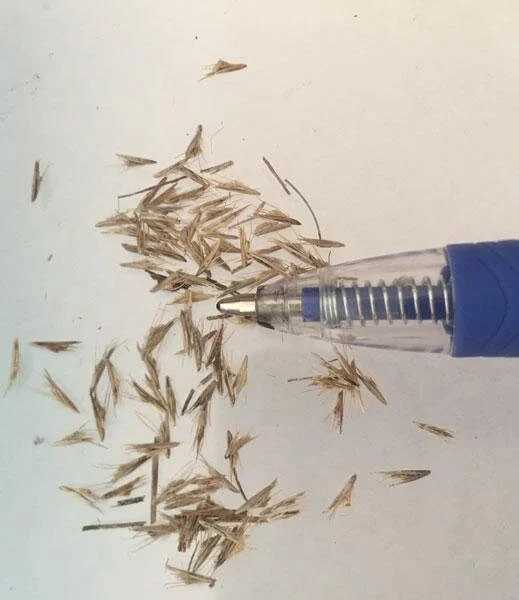
- Q: What condition will the seeds arrive in? A: The Blue Grama Grass seeds will arrive in a protective packet, ensuring their quality and readiness for planting. They are dry and ready to be sown according to the germination instructions.
- Q: When is the best time to plant Blue Grama Grass seeds? A: The ideal time to sow Blue Grama Grass seeds is in the spring or early summer after the last frost, when soil temperatures begin to warm up. This allows for optimal germination and establishment before hot summer or cold winter conditions.
- Q: Will it survive winter in my zone? A: Blue Grama Grass is hardy in USDA Zones 3-10. This means it can survive winters in a large portion of the United States, tolerating cold temperatures and returning reliably year after year.
- Q: What type of soil does Blue Grama Grass prefer? A: This adaptable grass can grow in most soil types, including sandy, loamy, or clay soils, as long as they are well-draining. Good drainage is key to preventing root issues.
- Q: Is Blue Grama Grass considered a good forage for livestock? A: Yes, it is well-regarded as a good forage grass for various types of livestock, making it a functional choice for agricultural settings as well as ornamental landscapes.
- Q: What are the unique features of Blue Grama Grass? A: Its most unique feature is the distinctive ‘eyebrow’ or ‘mosquito’ shaped seed spikes that droop from the stems, adding a unique texture and visual interest to the plant. It’s also a fantastic drought tolerant grass.
Be the first to review “Blue Grama Grass Seeds – Bouteloua gracilis – 100 Seeds – Drought Tolerant”
You must be logged in to post a review.
People also Viewed


Sold 50 products
Original price was: $109.95.$79.98Current price is: $79.98.

Sold 50 products
Original price was: $25.00.$17.50Current price is: $17.50.

Flower Seeds
Olympic Onion Seeds – Allium crenulatum Flower Seeds – 10 Seed Pack – Outdoor Native Plant
Sold 50 products
Original price was: $25.00.$17.50Current price is: $17.50.

Sold 50 products
Original price was: $25.00.$17.50Current price is: $17.50.

Flower Seeds
Fuchsia vulcanica Seeds – 20 Pack – Vibrant Orange Coral Flowers for Garden & Containers
Sold 50 products
Original price was: $25.00.$17.50Current price is: $17.50.

Sold 50 products
Original price was: $116.98.$95.68Current price is: $95.68.

Sold 50 products
Original price was: $21.00.$14.10Current price is: $14.10.

Aquatic Plant Seeds
White Lotus Seeds – Nelumbo Nucifera Aquatic Pond Plant – 5 Seeds for Water Garden
Sold 50 products
Original price was: $29.00.$20.90Current price is: $20.90.RELATED posts
Awapuhi Wild Ginger Plant: Zones, Care, and Propagation
Learn which USDA zones suit awapuhi wild ginger, plus sunlight, water, planting, propagation, pests, size, [...]
Awapuhi Shampoo Ginger – Care, Growing Zones, and Differences
Learn how to grow awapuhi (shampoo) ginger, its USDA zones, watering schedule, propagation tips, and [...]
Awapuhi Shampoo Plant Buying Guide – Choose the Right Zingiber zerumbet
META: Learn which awapuhi (shampoo ginger) plant or rhizome pack gives the best natural shampoo, [...]
Awapuhi Plant for Sale: Complete Buying Guide
Find the right awapuhi (shampoo ginger) plant, size, price, soil mix, and online source. Practical [...]
Shampoo Ginger Plant for Sale – Buying Guide & Tips
Find the right shampoo ginger plant, size, price, and care tips. Quick guide for U.S. [...]
Shampoo Ginger Plant (Awapuhi) Care Guide
Learn how to grow, care for, and use shampoo ginger (Zingiber zerumbet), the tropical awapuhi [...]

How to Grow Cuban Oregano Plants: A Complete Care Guide
If you’ve ever wanted a plant that combines the culinary punch of traditional oregano with [...]
Aug

How to Grow Habanero Pepper Plants: A Step-by-Step Guide
Habanero pepper plants are prized for their vibrant colors, intense heat, and exceptional flavor, making [...]
Aug
Reviews
There are no reviews yet.