
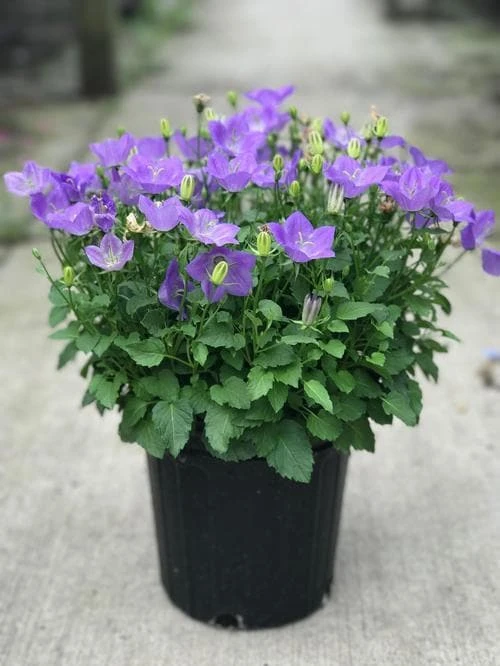
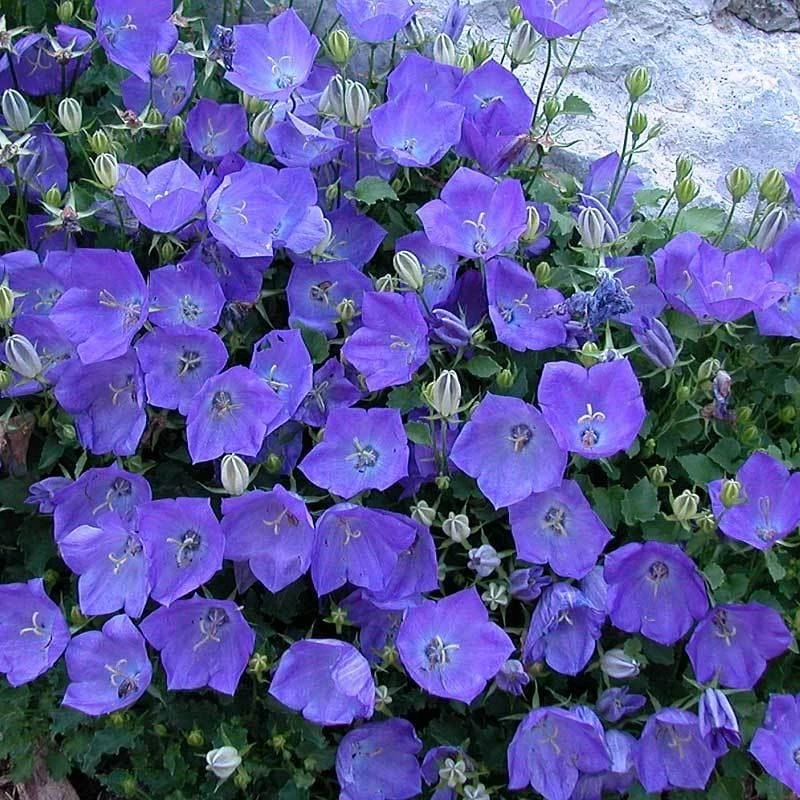
Blue Bellflower Campanula Perennial Live Plant – 2.5″ Pot
Original price was: $25.78.$20.84Current price is: $20.84.
Bring charming blue blooms to your garden with the blue bellflower perennial. This delightful campanula live plant features delicate, bell-shaped flowers, ideal for borders, rock gardens, and containers. Enjoy continuous color with easy care.
Shipping and Return policies:
We stand behind our plants with our Alive & Thrive Guarantee. If you experience any issues within the first 30 days, please email us, and our team will be happy to help. When needed, we’ll send you a one-time replacement free of charge to make sure your garden keeps growing strong.

Reasonable Price
We offer reasonable price

Support 24/7
Contact us 24 hrs a day
100% Money Back
You’ve 30 days to Return
Payment Secure
100% secure payment
Overview
Introduce a touch of serene beauty to your landscape with the enchanting blue bellflower perennial, a captivating addition for any garden enthusiast. This delightful live plant, known botanically as Campanula species, is celebrated for its abundant clusters of delicate, bell-shaped blue blooms. These charming flowers emerge gracefully above lush, soft green foliage, creating a picturesque display that lasts for an extended period. The blue bellflower perennial is a versatile and resilient choice, perfect for adding continuous, soothing color to various garden settings. Whether you’re designing a vibrant border, enhancing a rock garden, cultivating a classic cottage garden, or looking for an elegant container plant, this Campanula will thrive and impress with its graceful form and prolific flowering.
The Campanula genus encompasses a wide array of species, all sharing the characteristic bell-shaped flowers that give them their common name. Our campanula live plant offers a reliable and beautiful option for gardeners seeking long-lasting beauty with relatively low maintenance. Its adaptability to different garden styles makes it a popular choice, ensuring that its soft blue hues can complement almost any design aesthetic. Prepare to enjoy a season full of these exquisite blooms, attracting pollinators and adding a calming presence to your outdoor living space.
Key Benefits
The blue bellflower perennial offers a wealth of advantages that make it a highly desirable plant for any garden. Its charming aesthetics and robust nature contribute to a beautiful and thriving outdoor environment.
- Extended Blooming Season: Enjoy a prolonged period of delicate, bell-shaped blue flowers from late spring through summer, providing consistent color and visual interest in your garden. This extended display ensures your landscape remains vibrant for months.
- Versatile Garden Use: This adaptable campanula live plant is perfect for a variety of garden applications. Use it to soften borders, add texture to rock gardens, create a classic cottage garden feel, or as a charming focal point in containers on patios and balconies.
- Attracts Pollinators: The abundant blooms of the blue bellflower perennial are a magnet for bees and other beneficial pollinators, contributing to the health and biodiversity of your local ecosystem.
- Low Maintenance & Hardy: Once established, Campanula is known for its resilience and ease of care. It is hardy in USDA Zones 3–8, returning reliably year after year with minimal effort, making it an excellent choice for both novice and experienced gardeners.
- Graceful Aesthetic Appeal: The delicate form and soft blue color of the bellflower create a serene and elegant atmosphere, enhancing the beauty of any outdoor space. Its gentle appearance blends seamlessly with other garden plants.
- Deer Resistant: Generally, campanulas are not favored by deer, offering a beautiful flowering option for areas where deer browsing can be an issue.
- Adaptable to Sun Conditions: Thrives in a range from full sun to partial shade, providing flexibility in planting locations and ensuring successful growth in various garden exposures.
Plant Care & Growing Tips
Ensuring your campanula live plant thrives requires attention to a few key care practices. These guidelines will help you cultivate a robust and floriferous blue bellflower perennial, ensuring it returns year after year with stunning blooms. Proper care is essential for maximizing its beauty and longevity in your garden.
For optimal growth, plant your blue bellflower in a location that receives full sun to partial shade. Full sun encourages the most abundant flowering, but in hotter climates, some afternoon shade can prevent scorching. The soil is crucial; it must be well-draining to prevent root rot, as campanulas do not tolerate soggy conditions. A rich, loamy soil amended with organic matter is ideal. When it comes to watering, consistent moisture is preferred, especially during active growth and flowering periods. However, allow the top inch or two of soil to dry out slightly between waterings. Avoid overwatering, which can lead to fungal issues.
The bellflower care routine also includes deadheading spent blooms. This practice encourages the plant to produce more flowers throughout the season and prevents it from expending energy on seed production, leading to a longer and more vibrant display. Fertilize sparingly; a balanced, slow-release granular fertilizer in early spring is usually sufficient. Over-fertilization can lead to lush foliage at the expense of flowers. This plant is hardy in USDA Zones 3–8, making it suitable for a wide range of climates and a reliable returner. For successful campanula growing tips, consider providing a light layer of mulch around the base to help retain soil moisture and regulate soil temperature, especially in extreme weather conditions.
Size & Details
This blue bellflower perennial is typically shipped as a live plant, either in a 2.5″ pot or as a bare root specimen, depending on the season and current availability. When mature, Campanula species generally reach a height of 12-24 inches and spread similarly, forming attractive clumps of foliage topped with their signature blue bells. The growth rate is moderate, and you can expect robust flowering in its first full season after planting. These plants are designed to establish quickly in your garden, providing beauty with ease.
The delicate, bell-shaped flowers of the Campanula typically emerge in late spring and continue through the summer months, offering a long-lasting display. While shipping in a 2.5″ pot, the root system is well-developed to ensure a smooth transition to your garden. Bare root plants, shipped dormant, will quickly sprout new growth once planted in suitable conditions. Both forms are carefully prepared to ensure they arrive healthy and ready to thrive in their new home, embodying excellent perennial flowering plants characteristics.
Frequently Asked Questions
- Q: How big does this campanula live plant get? A: The blue bellflower typically grows to a height of 12-24 inches and can spread similarly, forming a lovely mound of foliage with upright flower stalks. Its size makes it versatile for various garden applications.
- Q: Is this an indoor or outdoor plant? A: The blue bellflower perennial is primarily an outdoor plant, hardy in USDA Zones 3–8. While it can be grown in containers, it thrives best when planted in the ground where it can return reliably each year.
- Q: How much sunlight does it need? A: This plant prefers full sun to partial shade. For the most abundant blooms, aim for at least 6 hours of direct sunlight per day. In very hot climates, some afternoon shade is beneficial to prevent stress.
- Q: Is this plant easy to care for? A: Yes, the blue bellflower perennial is considered relatively easy to care for once established. It requires consistent moisture but good drainage and benefits from deadheading to encourage more blooms, making it suitable for gardeners of all experience levels.
- Q: What condition will it arrive in? A: Your campanula live plant will arrive either in a 2.5″ pot with established roots or as a healthy bare root specimen, depending on the season. Both forms are carefully packaged to ensure they reach you in excellent condition, ready for planting.
- Q: When is the best time to plant the blue bellflower perennial? A: The best time to plant is in spring or early fall, allowing the plant sufficient time to establish its root system before extreme weather conditions set in. If planting a bare root, follow the specific instructions provided.
- Q: Will it survive winter in my zone? A: This perennial is hardy in USDA Zones 3–8. If you are within these zones, the plant will reliably return each spring after winter dormancy, bringing fresh blooms to your garden year after year.
- Q: What type of soil does the blue bellflower perennial prefer? A: It thrives in well-draining soil that is rich in organic matter. Avoid heavy clay soils that retain too much moisture, as this can lead to root rot. Good drainage is key for healthy growth.
- Q: Can I grow this campanula live plant in a container? A: Yes, the blue bellflower is an excellent choice for containers. Ensure the container has drainage holes and use a good quality potting mix. Container plants may require more frequent watering than those in the ground.
- Q: How often should I water my blue bellflower? A: Water regularly to keep the soil consistently moist, especially during dry spells and the flowering period. However, always allow the top layer of soil to dry out slightly between waterings to prevent waterlogging.
Be the first to review “Blue Bellflower Campanula Perennial Live Plant – 2.5″ Pot”
You must be logged in to post a review.
People also Viewed
Sold 50 products
Original price was: $37.48.$23.98Current price is: $23.98.
Sold 50 products
$32.38
Sold 50 products
$27.38
Sold 50 products
$32.38
Sold 50 products
$19.88
Sold 50 products
$62.38
Sold 50 products
$24.88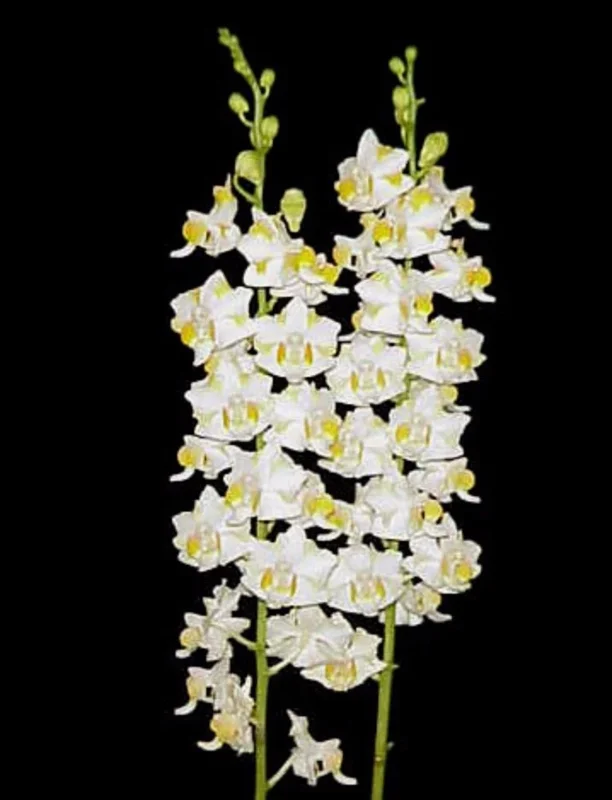
Houseplants
Phalaenopsis pulcherrima ‘Mauna Kea Snow’ Orchid Live Plant – White Flowers, Potted 2.5 in
Sold 50 products
$49.88RELATED posts
Awapuhi Wild Ginger Plant: Zones, Care, and Propagation
Learn which USDA zones suit awapuhi wild ginger, plus sunlight, water, planting, propagation, pests, size, [...]
Awapuhi Shampoo Ginger – Care, Growing Zones, and Differences
Learn how to grow awapuhi (shampoo) ginger, its USDA zones, watering schedule, propagation tips, and [...]
Awapuhi Shampoo Plant Buying Guide – Choose the Right Zingiber zerumbet
META: Learn which awapuhi (shampoo ginger) plant or rhizome pack gives the best natural shampoo, [...]
Awapuhi Plant for Sale: Complete Buying Guide
Find the right awapuhi (shampoo ginger) plant, size, price, soil mix, and online source. Practical [...]
Shampoo Ginger Plant for Sale – Buying Guide & Tips
Find the right shampoo ginger plant, size, price, and care tips. Quick guide for U.S. [...]
Shampoo Ginger Plant (Awapuhi) Care Guide
Learn how to grow, care for, and use shampoo ginger (Zingiber zerumbet), the tropical awapuhi [...]
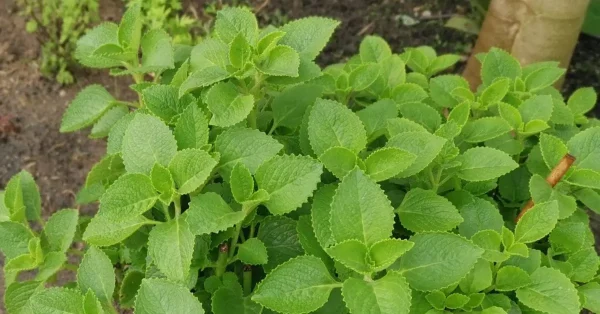
How to Grow Cuban Oregano Plants: A Complete Care Guide
If you’ve ever wanted a plant that combines the culinary punch of traditional oregano with [...]
Aug
How to Grow Habanero Pepper Plants: A Step-by-Step Guide
Habanero pepper plants are prized for their vibrant colors, intense heat, and exceptional flavor, making [...]
Aug
Reviews
There are no reviews yet.