
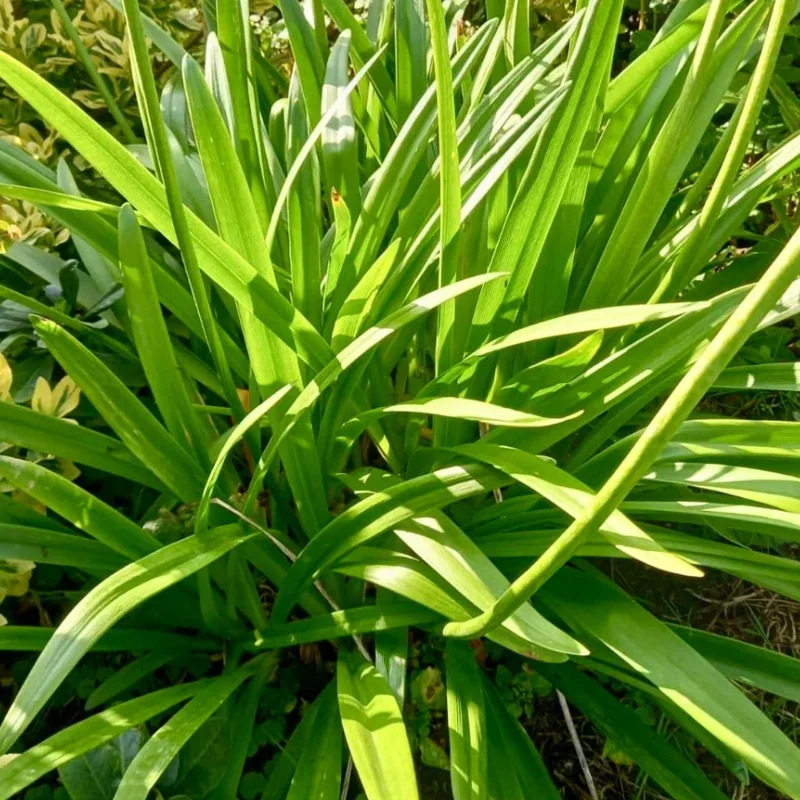
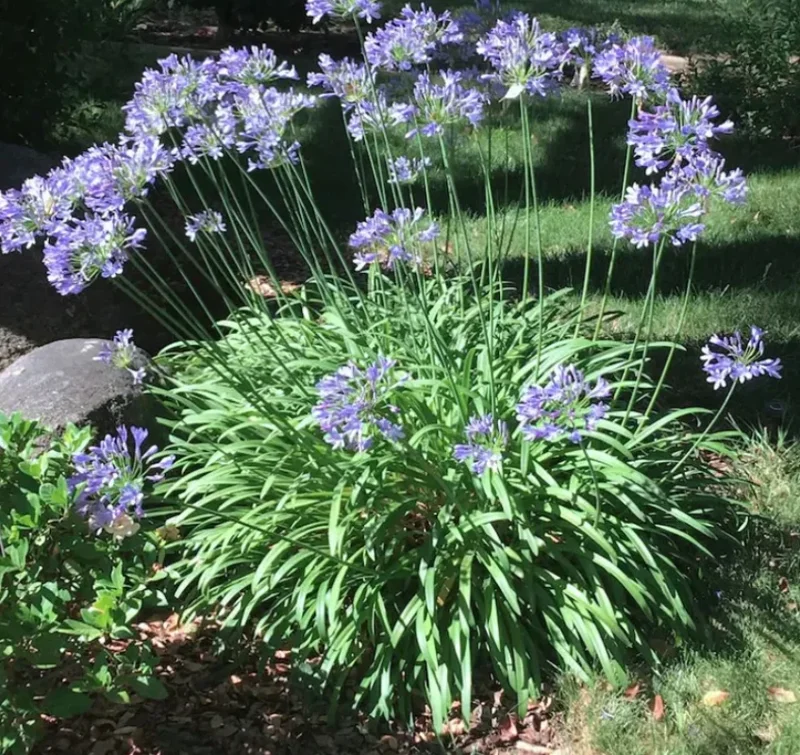
Blue African Agapanthus Live Plant – 6-8″ Tall Starter Plant – Outdoor Garden
$17.59
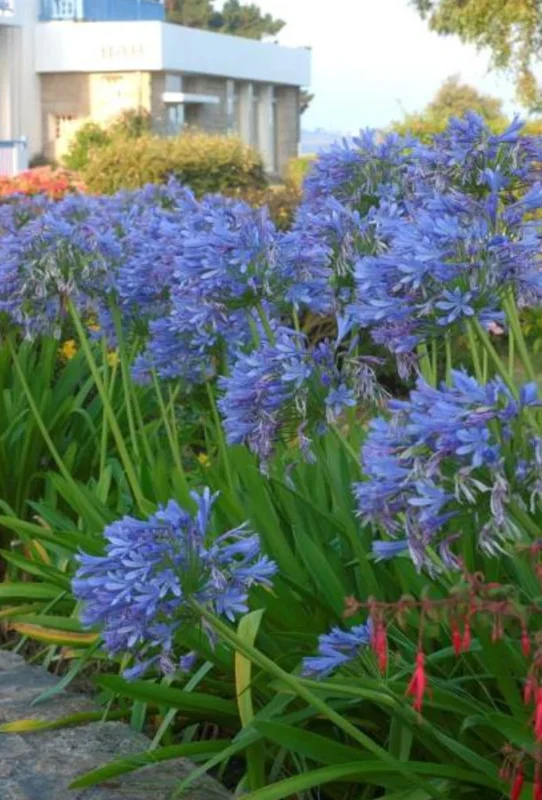
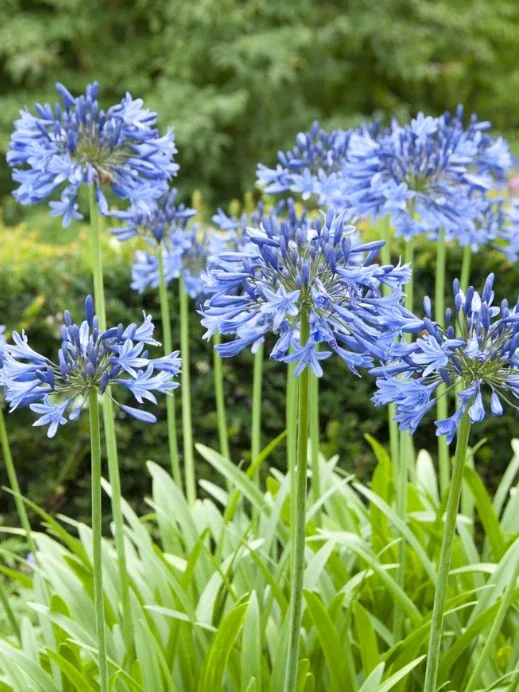
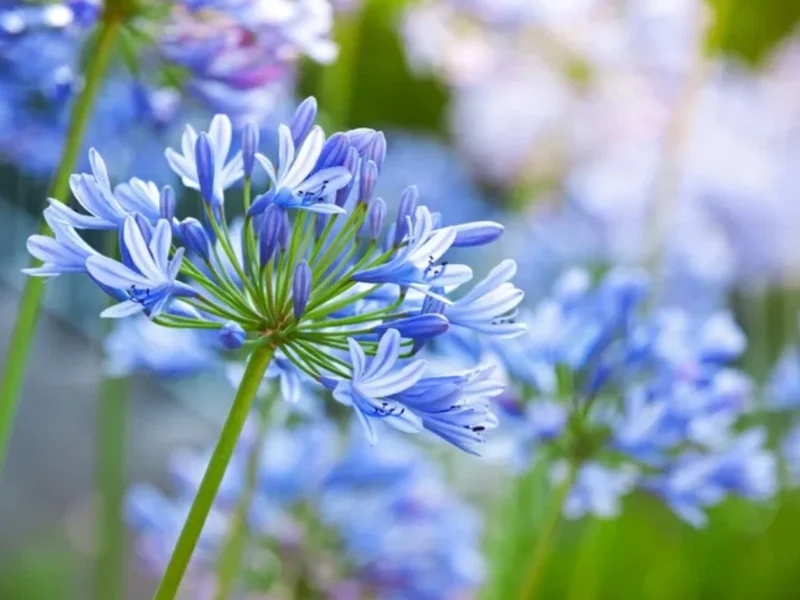
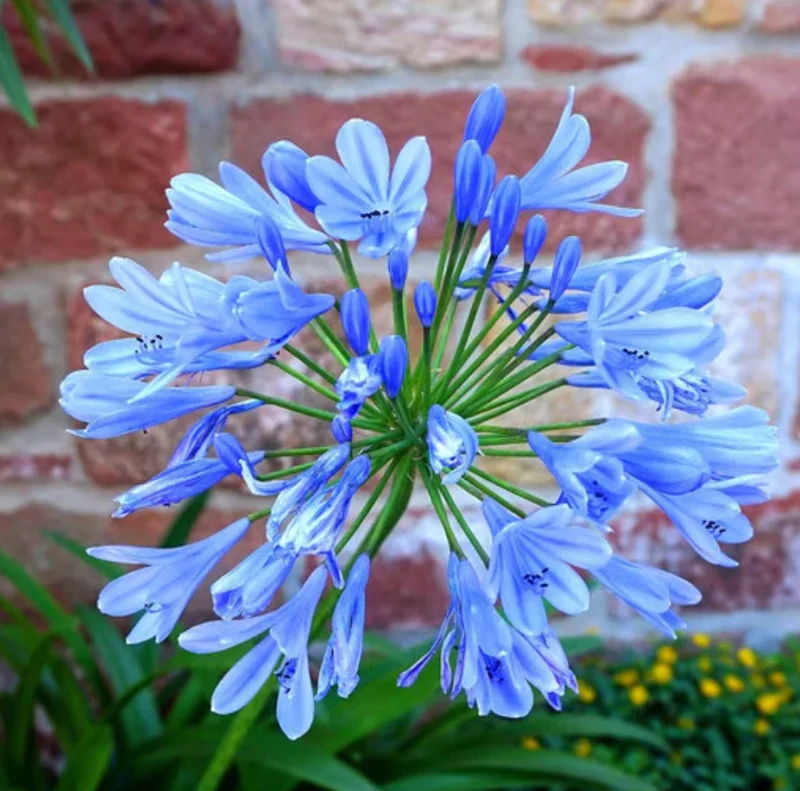
Bring vibrant blue hues to your garden with this blue African Agapanthus live plant. A stunning perennial, this 6-8″ tall starter plant is perfect for borders, containers, or mass plantings. Enjoy its beautiful trumpet-shaped flowers and strap-like foliage, adding elegance to any outdoor space.
Shipping and Return policies:
We stand behind our plants with our Alive & Thrive Guarantee. If you experience any issues within the first 30 days, please email us, and our team will be happy to help. When needed, we’ll send you a one-time replacement free of charge to make sure your garden keeps growing strong.

Reasonable Price
We offer reasonable price

Support 24/7
Contact us 24 hrs a day
100% Money Back
You’ve 30 days to Return
Payment Secure
100% secure payment
Overview
Transform your outdoor space with the captivating beauty of the blue African Agapanthus live plant. Also known as the African Lily, this perennial gem is renowned for its striking clusters of vivid blue, trumpet-shaped flowers that emerge on tall stalks, creating a dramatic visual impact. This offering provides a healthy 6-8″ tall starter plant, ready to establish itself and flourish in your garden. The Agapanthus praecox, commonly referred to as the African Lily, is a resilient and low-maintenance plant that adds a touch of exotic elegance to any landscape. Its architectural form and vibrant blooms make it a favorite among gardeners seeking both beauty and ease of care. Whether planted in garden beds, borders, or decorative containers, the blue African Agapanthus live plant promises to deliver a spectacular display of color and texture, attracting pollinators and admiring glances alike.
Originating from South Africa, this plant thrives in warm climates and is a popular choice for Mediterranean-style gardens, but can adapt to various conditions with proper care. The strap-like, evergreen or semi-evergreen foliage forms attractive clumps, providing year-round interest even when not in bloom. When the flower stalks appear, they rise gracefully above the foliage, culminating in magnificent spherical clusters of flowers. The blue African Agapanthus live plant is not just a visual delight but also a symbol of love and fertility, making it a meaningful addition to your garden.
Key Benefits
Choosing the blue African Agapanthus live plant for your garden offers a multitude of advantages, enhancing both its aesthetic appeal and ecological value. This robust perennial provides long-lasting beauty and requires minimal effort to thrive.
- Stunning Floral Displays: The primary benefit of this plant is its breathtaking blue flower clusters. These vibrant blooms create a focal point in any garden, drawing the eye and adding a sophisticated pop of color. The long-lasting flowers ensure a prolonged period of enjoyment throughout the summer months.
- Low Maintenance: The blue African Agapanthus live plant is incredibly easy to care for, making it an ideal choice for both novice and experienced gardeners. Once established, it is drought-tolerant and requires little attention, freeing up your time to enjoy your garden.
- Versatile Landscaping: Its architectural form and clump-forming habit make it suitable for a variety of landscaping applications. Use it in mass plantings for a dramatic effect, as a border plant, in rock gardens, or as an elegant container specimen on patios and decks.
- Attracts Pollinators: The abundant, nectar-rich flowers are a magnet for bees, butterflies, and other beneficial pollinators, contributing to the biodiversity and health of your garden ecosystem.
- Drought Tolerance: Once established, the blue African Agapanthus live plant is highly tolerant of dry conditions, making it an excellent choice for water-wise gardening and regions with limited rainfall.
- Deer and Rabbit Resistant: Gardeners often appreciate that Agapanthus is generally not palatable to deer and rabbits, helping to protect your garden from common pests.
- Extended Bloom Period: Enjoy its magnificent blooms from late spring through late summer, providing continuous color and interest for several months.
Plant Care & Growing Tips
Caring for your blue African Agapanthus live plant is straightforward, ensuring a spectacular display year after year. Understanding its basic needs for sunlight, water, and soil will help it thrive. This hardy perennial is forgiving, but optimal conditions will yield the best blooms and healthiest foliage.
For best results, plant your African lily plant care in a location that receives full sun to partial shade. Full sun (at least 6 hours of direct sunlight per day) promotes the most abundant flowering, while partial shade, especially in hotter climates, can protect the foliage from scorching. The plant prefers well-draining soil; a sandy or loamy soil enriched with organic matter is ideal. Avoid heavy clay soils that retain too much moisture, as this can lead to root rot. When planting, dig a hole twice as wide as the root ball and just as deep, ensuring the top of the root ball is level with the soil surface. Backfill with soil, gently firming around the base of the plant, and water thoroughly.
Watering requirements for how to grow Agapanthus vary with its stage of growth. During the first growing season, water regularly to help establish a strong root system. Once established, Agapanthus is quite drought-tolerant. Water deeply but infrequently, allowing the soil to dry out between waterings. Reduce watering significantly during the dormant period in winter. Fertilize in early spring with a balanced, slow-release granular fertilizer to encourage vigorous growth and prolific flowering. Deadhead spent flower stalks by cutting them back to the base of the plant to encourage new blooms and maintain a tidy appearance. In colder zones (below USDA Zone 8), Agapanthus may benefit from winter protection or can be grown in containers and brought indoors. The outdoor perennial plants like Agapanthus praecox are generally robust, but watch for common pests like slugs and snails, and treat as needed.
Size & Details
This offering includes a healthy blue African Agapanthus live plant starter, typically measuring 6-8 inches tall from the base of the plant to the tip of its foliage. These young plants are carefully nurtured to ensure they have a strong root system, ready for transplanting into your garden or a larger container. Shipped without a pot to minimize waste and shipping costs, the roots will be carefully protected during transit to ensure a smooth transition to its new home. Once established, this Agapanthus variety can grow to a mature height of 2-4 feet, with flower stalks extending even taller, reaching up to 3-5 feet. The spread can be similar, forming dense clumps of foliage over time. Expect your plant to begin flowering within 1-2 years of planting, with blooms typically appearing from late spring through late summer. The growth rate is moderate, allowing the plant to establish itself steadily and produce an increasingly impressive display each year. This robust starter plant provides an excellent foundation for creating a stunning display of outdoor perennial plants.
Frequently Asked Questions
- Q: How big does this plant get? A: This starter plant is 6-8 inches tall upon arrival. Once mature, the blue African Agapanthus live plant typically reaches 2-4 feet in height, with flower stalks extending up to 3-5 feet. It forms clumps of similar width.
- Q: Is this an indoor or outdoor plant? A: The blue African Agapanthus live plant is primarily an outdoor perennial plant. It thrives in garden beds, borders, and outdoor containers, particularly in USDA Zones 8-11. In colder climates, it can be grown in pots and overwintered indoors.
- Q: How much sunlight does it need? A: For the best flowering, provide your Agapanthus with full sun, meaning at least 6 hours of direct sunlight per day. It can tolerate partial shade, especially in hot afternoon sun, but may produce fewer blooms.
- Q: Is this plant easy to care for? A: Yes, the African lily plant care routine is relatively easy, making it suitable for gardeners of all experience levels. Once established, it is drought-tolerant and requires minimal maintenance, primarily just watering during dry spells and occasional feeding.
- Q: What condition will it arrive in? A: Your blue African Agapanthus live plant will arrive as a healthy 6-8″ tall starter plant, shipped without a pot to ensure efficient and safe transit. The roots will be carefully protected to maintain moisture and health.
- Q: How long until it blooms? A: While it is a starter plant, you can typically expect your Agapanthus to start producing its beautiful blue flowers within 1-2 years of planting, given proper care and growing conditions.
- Q: What’s the best soil for Agapanthus? A: Agapanthus prefers well-draining soil. A sandy or loamy soil mix enriched with organic matter is ideal. Avoid heavy clay soils that can become waterlogged, as this can harm the plant.
- Q: Is the Agapanthus praecox plant deer resistant? A: Yes, a significant benefit of the Agapanthus praecox is its resistance to deer and rabbits, making it a great choice for gardens where these animals are a concern.
- Q: When is the best time to plant this outdoor perennial? A: The best time to plant your outdoor perennial plants like Agapanthus is in spring after the last frost, or in early fall. This allows the plant to establish its root system before extreme temperatures.
- Q: Can I grow this in a container? A: Absolutely! Agapanthus grows very well in containers. Ensure the pot has good drainage holes and is large enough to accommodate the plant’s growth. This also allows you to move it indoors in colder climates.
Be the first to review “Blue African Agapanthus Live Plant – 6-8″ Tall Starter Plant – Outdoor Garden”
You must be logged in to post a review.
People also Viewed
Sold 50 products
Original price was: $37.48.$23.98Current price is: $23.98.
Sold 50 products
$32.38
Sold 50 products
$27.38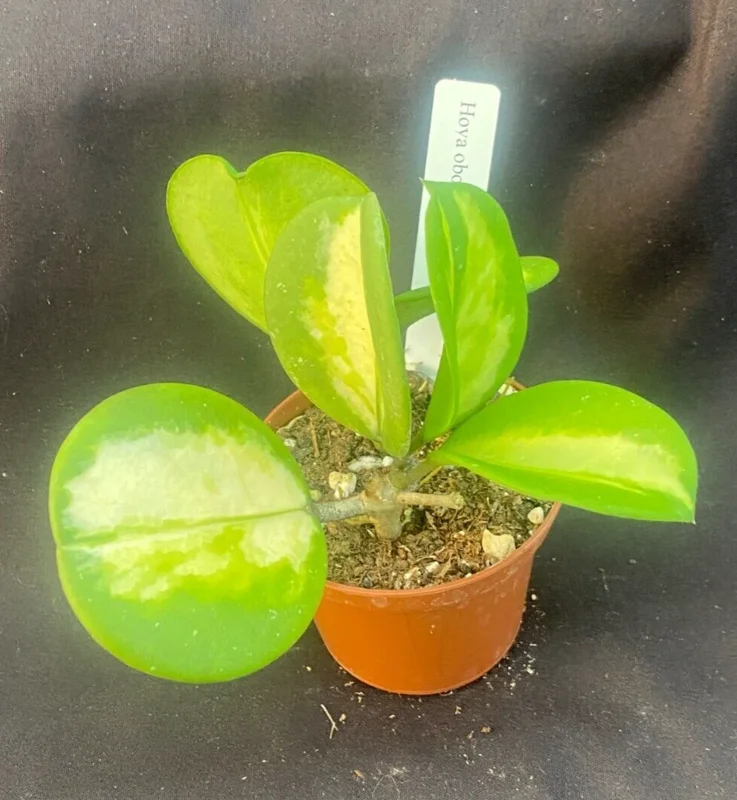
Sold 50 products
$32.38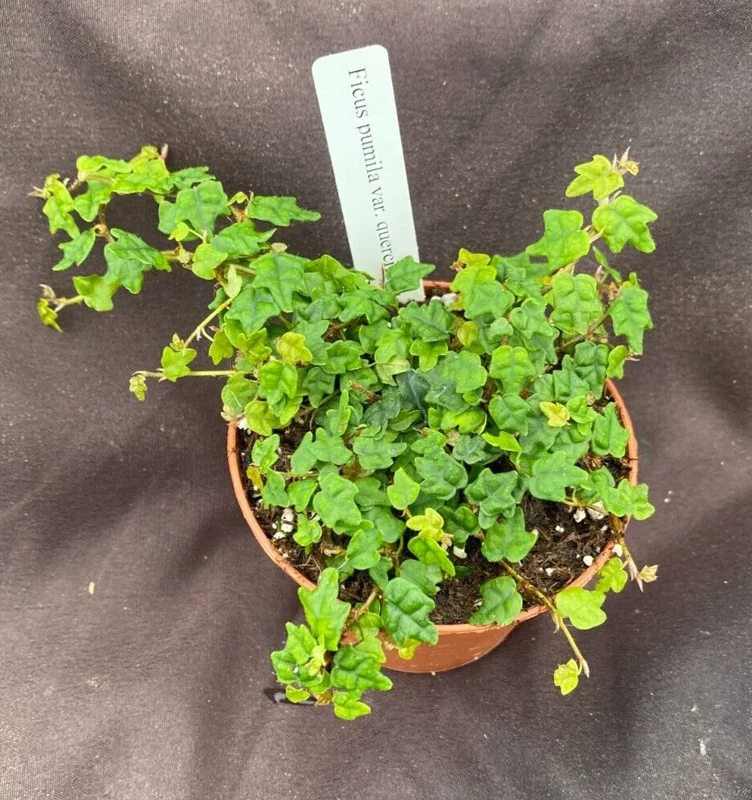
Sold 50 products
$19.88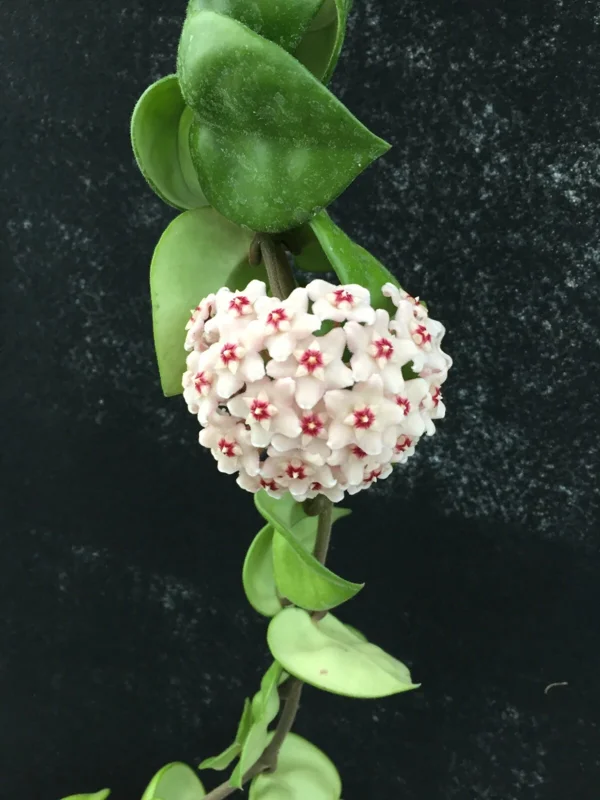
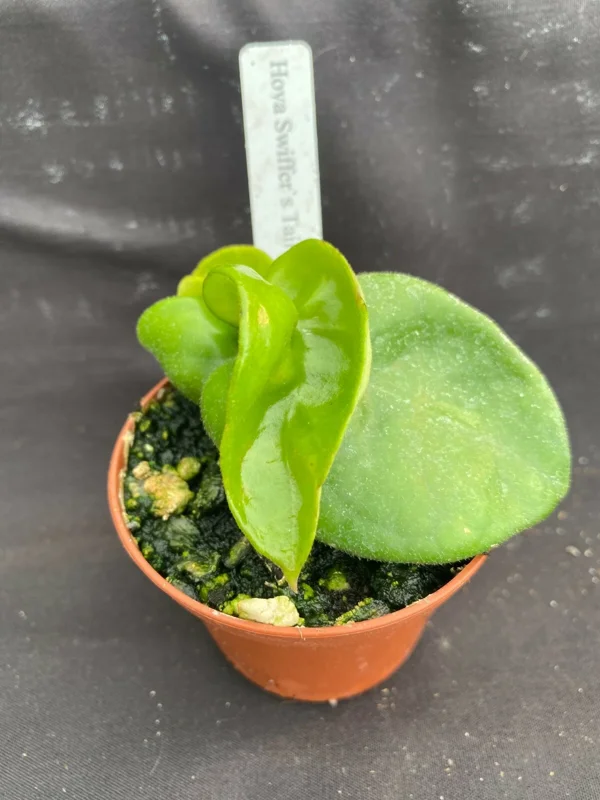
Sold 50 products
$62.38
Sold 50 products
$24.88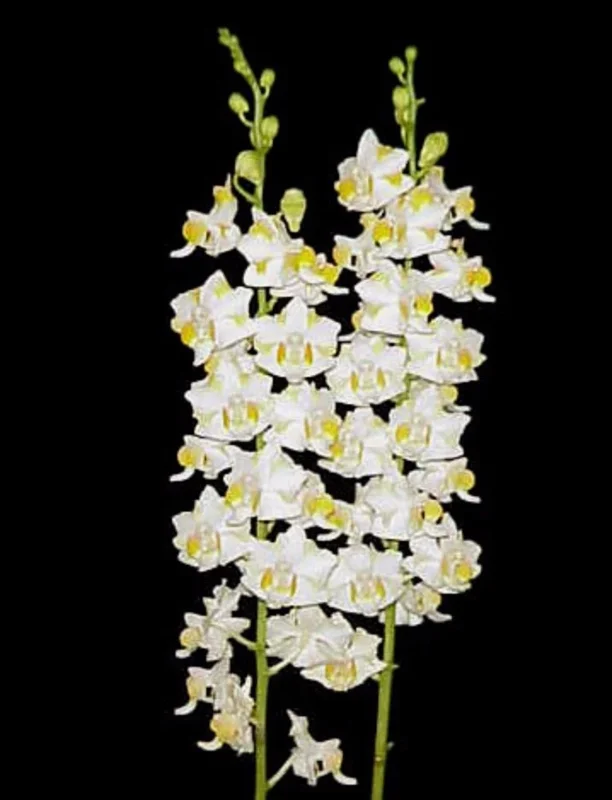
Houseplants
Phalaenopsis pulcherrima ‘Mauna Kea Snow’ Orchid Live Plant – White Flowers, Potted 2.5 in
Sold 50 products
$49.88RELATED posts
Awapuhi Wild Ginger Plant: Zones, Care, and Propagation
Learn which USDA zones suit awapuhi wild ginger, plus sunlight, water, planting, propagation, pests, size, [...]
Awapuhi Shampoo Ginger – Care, Growing Zones, and Differences
Learn how to grow awapuhi (shampoo) ginger, its USDA zones, watering schedule, propagation tips, and [...]
Awapuhi Shampoo Plant Buying Guide – Choose the Right Zingiber zerumbet
META: Learn which awapuhi (shampoo ginger) plant or rhizome pack gives the best natural shampoo, [...]
Awapuhi Plant for Sale: Complete Buying Guide
Find the right awapuhi (shampoo ginger) plant, size, price, soil mix, and online source. Practical [...]
Shampoo Ginger Plant for Sale – Buying Guide & Tips
Find the right shampoo ginger plant, size, price, and care tips. Quick guide for U.S. [...]
Shampoo Ginger Plant (Awapuhi) Care Guide
Learn how to grow, care for, and use shampoo ginger (Zingiber zerumbet), the tropical awapuhi [...]
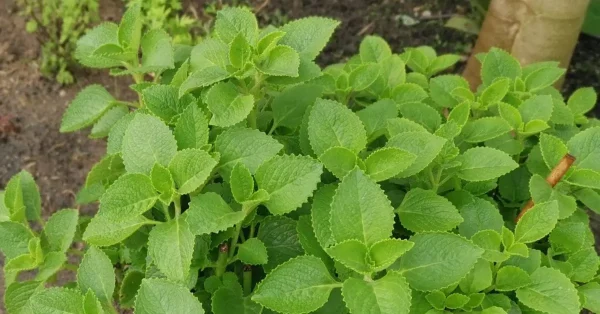
How to Grow Cuban Oregano Plants: A Complete Care Guide
If you’ve ever wanted a plant that combines the culinary punch of traditional oregano with [...]
Aug
How to Grow Habanero Pepper Plants: A Step-by-Step Guide
Habanero pepper plants are prized for their vibrant colors, intense heat, and exceptional flavor, making [...]
Aug
Reviews
There are no reviews yet.