
Blood Amaranth Seeds – Amaranthus cruentus – 100 Seeds for Edible & Ornamental Gardens
Original price was: $25.00.$17.50Current price is: $17.50.
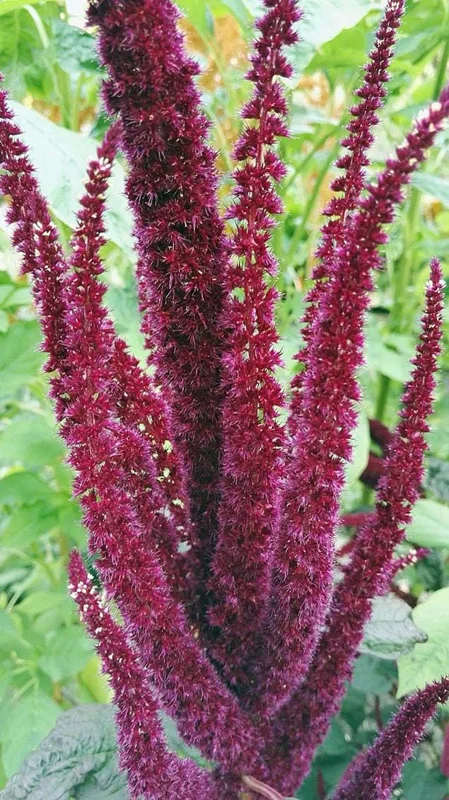
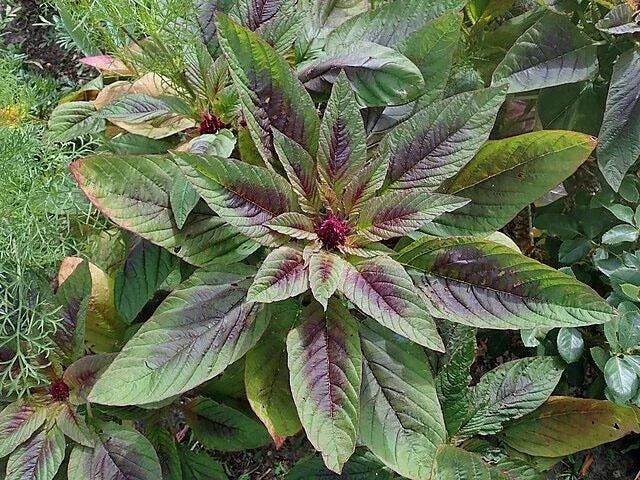
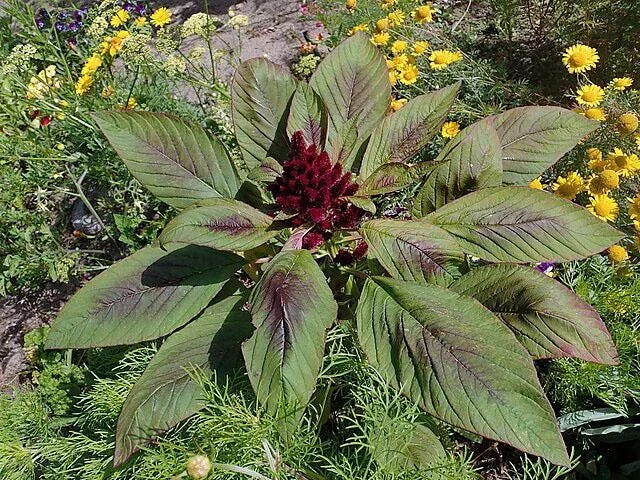
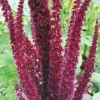
Cultivate vibrant and versatile Blood Amaranth seeds (Amaranthus cruentus) in your garden. This annual plant is prized for its dramatic reddish-purple foliage, striking crimson plumes, and dual use as both an ornamental and edible crop. Each pack contains 100 high-quality seeds.
Shipping and Return policies:
We stand behind our plants with our Alive & Thrive Guarantee. If you experience any issues within the first 30 days, please email us, and our team will be happy to help. When needed, we’ll send you a one-time replacement free of charge to make sure your garden keeps growing strong.

Reasonable Price
We offer reasonable price

Support 24/7
Contact us 24 hrs a day
100% Money Back
You’ve 30 days to Return
Payment Secure
100% secure payment
Overview
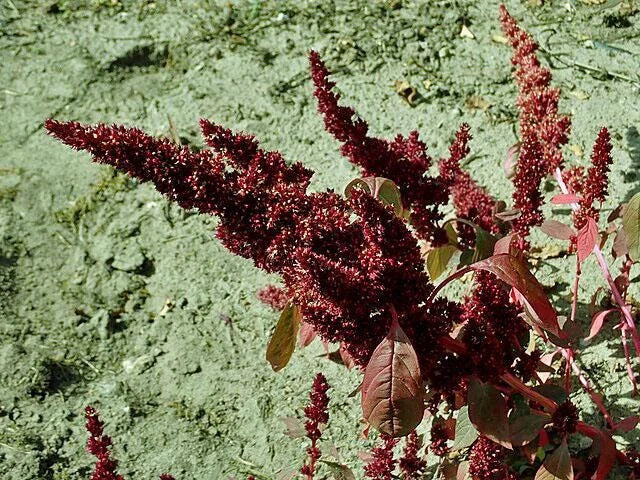
Discover the beauty and utility of Blood Amaranth seeds (Amaranthus cruentus), also widely known as Red Amaranth or Blood Amaranth. This offering provides 100 premium seeds, allowing you to cultivate this exceptional annual plant in your home garden. Amaranthus cruentus is a truly striking species, celebrated for its robust, upright growth and bold, deep green to reddish-purple foliage that adds dramatic visual appeal. Beyond its ornamental charm, this plant is a powerhouse of nutrition, yielding tender, edible young leaves rich in vitamins and minerals, as well as tiny, protein-packed seeds traditionally harvested as a grain. Whether you’re enhancing your landscape with vibrant color or expanding your edible garden, these seeds offer a rewarding growing experience.
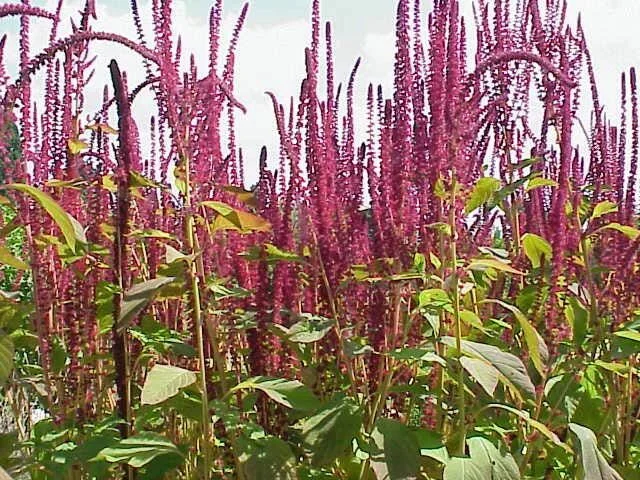
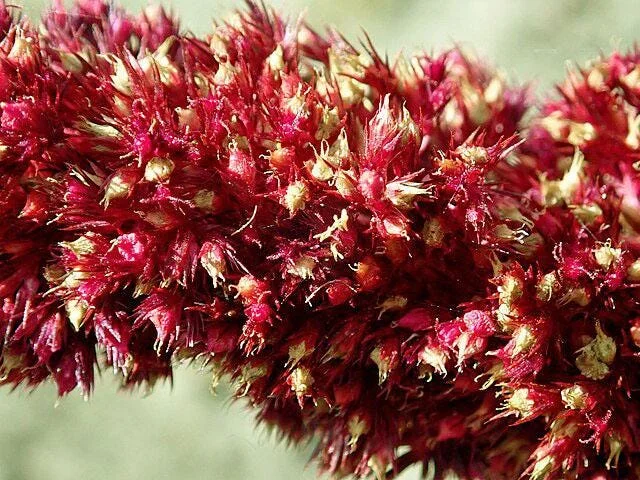
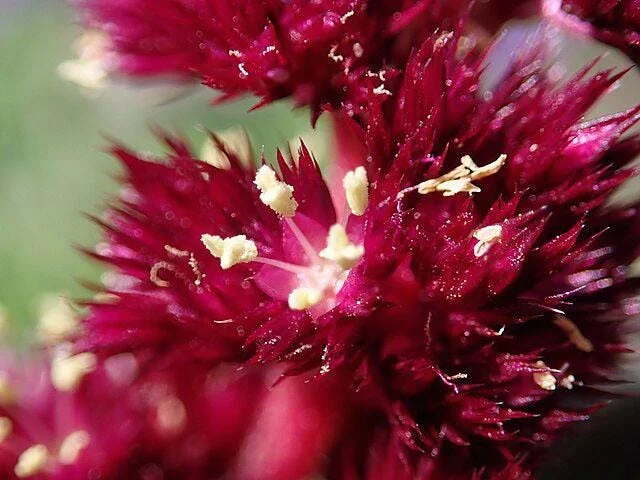
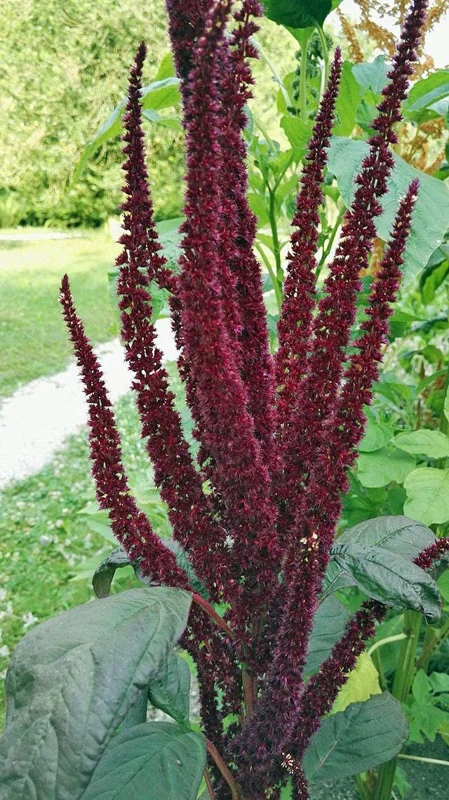
Originating from Central and South America, this ancient grain and leafy green has been cultivated for centuries. The plant develops large, dramatic inflorescences – dense, feathery plumes of crimson to burgundy flowers that emerge from mid-summer into fall. These long-lasting spikes provide intense vertical interest and color, making Amaranthus cruentus a fantastic choice for borders, naturalized settings, or even as a focal point in an edible landscape. It’s a low-maintenance, heat-tolerant, and drought-tolerant plant once established, making it suitable for a wide range of gardening conditions.
Key Benefits
Growing Blood Amaranth seeds offers a multitude of advantages for both the avid gardener and the culinary enthusiast. This versatile plant brings both aesthetic beauty and practical value to your outdoor space.
- Dual Purpose Appeal: Cultivate this plant for its stunning ornamental value, featuring vibrant reddish-purple foliage and dramatic crimson flower plumes, or for its edible leaves and nutritious grain. It’s a perfect choice for gardeners seeking both beauty and utility.
- Nutrient-Rich Edibles: The young leaves of Amaranthus cruentus are packed with essential vitamins and minerals, making them a healthy addition to salads and cooked dishes. The seeds are a highly nutritious, gluten-free grain.
- Vibrant Garden Color: The intense crimson to burgundy flower spikes and colorful foliage provide a bold vertical accent and rich color from mid-summer through fall, enhancing any garden design.
- Attracts Pollinators: The flowers are a magnet for various pollinators, including bees and butterflies, contributing to a healthy garden ecosystem.
- Low Maintenance & Resilient: Once established, red amaranth seeds grow into plants that are remarkably heat and drought tolerant, requiring minimal care and thriving in full sun and well-drained soil.
- Easy to Grow from Seed: These Amaranthus cruentus seeds are straightforward to germinate and cultivate, making them an excellent project for gardeners of all experience levels.
- Versatile Landscape Use: Ideal for ornamental borders, edible landscapes, naturalized areas, or even large containers, adding visual drama and practical value.
Plant Care & Growing Tips
Cultivating Blood Amaranth seeds is a rewarding experience, especially with proper care and attention to its specific needs. This annual plant thrives in warm conditions and is relatively low-maintenance once established. For successful germination, sow seeds directly outdoors after the last frost, when soil temperatures have warmed, or start them indoors 4 to 6 weeks earlier for an earlier harvest.
When sowing, use a fine, well-draining seed-starting mix. Lightly press the tiny seeds onto the surface of the soil without covering them, as they require light to germinate. Maintain consistent moisture in the soil, ensuring it’s moist but not waterlogged. An ideal germination temperature is around 21–26°C (70–79°F), and sprouts typically emerge within 5 to 10 days. If starting indoors, transplant seedlings outdoors once they have developed at least two sets of true leaves and nighttime temperatures are reliably warm. Space individual plants approximately 25–45 cm (10–18 inches) apart to allow for their mature size.
Amaranthus cruentus seeds flourish in full sun, requiring at least 6-8 hours of direct sunlight per day. Well-drained soil is crucial to prevent root rot, and while it tolerates a range of soil types, a moderately fertile loam is ideal. Once established, the plants exhibit excellent heat and drought tolerance, making them a superb choice for summer gardens. Regular watering is important during dry spells, especially when plants are young. Fertilization is generally not heavily required in rich soil, but a balanced liquid fertilizer can be applied every few weeks in poorer soils to encourage robust growth and vibrant color. Watch out for common garden pests, though Amaranth is generally quite resilient. This vibrant plant, sometimes referred to as edible amaranth seeds, is a fantastic addition to any garden.
Size & Details
These Blood Amaranth seeds will grow into robust annual plants, typically reaching a height of 1 to 2.5 meters (3 to 8 feet) with an upright, bushy form. The dramatic inflorescences, or flower plumes, can be quite large, adding significant vertical interest. The seeds are packaged as a count of 100, providing ample opportunity for a generous planting. The plants have a medium to fast growth rate, with edible leaves ready for harvest within weeks of germination and seeds maturing from mid-summer into fall. They are shipped as dry seeds, ready for planting in your garden.
Once planted, expect plants to develop bold, deep green to reddish-purple foliage. The crimson to burgundy flowers will appear from mid-summer and persist into fall, offering long-lasting color. This particular variety, known as red amaranth seeds, is an excellent choice for adding both visual impact and a nutritious harvest to your garden from a single seed packet.
Frequently Asked Questions
- Q: How big does this plant get from these Blood Amaranth seeds? A: Amaranthus cruentus typically grows quite tall, reaching heights of 1 to 2.5 meters (3 to 8 feet) with a robust, upright form. Ensure you provide adequate space for its mature size.
- Q: Is this an indoor or outdoor plant? A: Blood Amaranth seeds are primarily grown outdoors as an annual. It thrives in full sun and warm temperatures, making it ideal for summer gardens and outdoor ornamental or edible landscapes.
- Q: How much sunlight does it need? A: This plant requires full sun, meaning at least 6-8 hours of direct sunlight per day, to achieve its best growth, vibrant color, and abundant seed production.
- Q: Is this plant easy to care for? A: Yes, Amaranthus cruentus is considered a low-maintenance plant. Once established, it is very heat and drought tolerant, making it a good choice for both beginner and experienced gardeners.
- Q: What condition will the seeds arrive in? A: The product consists of 100 dry, viable Amaranthus cruentus seeds, packaged securely for planting. They are not live plants or seedlings.
- Q: Can I use Blood Amaranth leaves and seeds in cooking? A: Absolutely! The tender young leaves are edible and nutritious, often used like spinach. The tiny seeds are also highly nutritious and can be harvested as a gluten-free grain. This is why many seek edible amaranth seeds.
- Q: When is the best time to plant these seeds? A: For outdoor planting, sow the seeds after the last frost date in your area. For an earlier start, you can begin seeds indoors 4-6 weeks before the last frost and transplant them once temperatures are reliably warm.
- Q: What type of soil does Amaranthus cruentus prefer? A: It thrives in well-drained soil. While it tolerates various soil types, a moderately fertile loam will support its best growth. Good drainage is crucial to prevent waterlogging.
- Q: Will this plant attract pollinators to my garden? A: Yes, the vibrant flower plumes of Blood Amaranth are known to attract beneficial pollinators such as bees and butterflies, enhancing your garden’s biodiversity.
- Q: What is the benefit of growing ornamental amaranth? A: Ornamental amaranth, such as ornamental amaranth, adds dramatic vertical interest and intense crimson to burgundy color to your garden, making it a stunning visual feature from summer into fall.
Be the first to review “Blood Amaranth Seeds – Amaranthus cruentus – 100 Seeds for Edible & Ornamental Gardens”
You must be logged in to post a review.
People also Viewed
Sold 50 products
Original price was: $109.95.$79.98Current price is: $79.98.
Sold 50 products
Original price was: $25.00.$17.50Current price is: $17.50.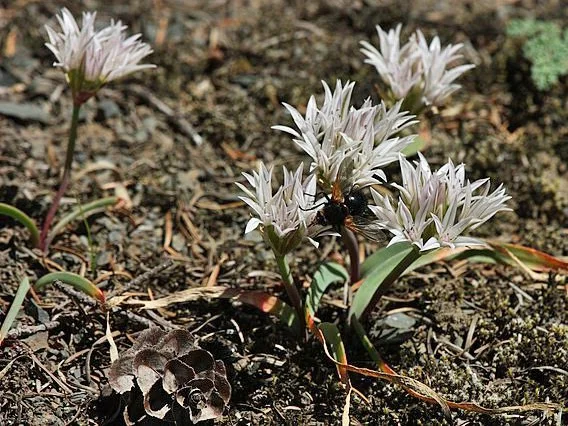
Flower Seeds
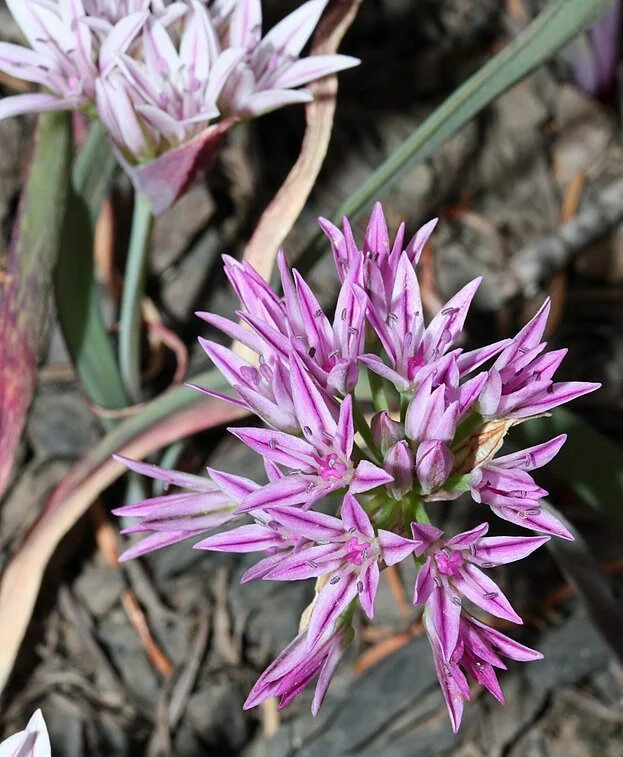
Olympic Onion Seeds – Allium crenulatum Flower Seeds – 10 Seed Pack – Outdoor Native Plant
Sold 50 products
Original price was: $25.00.$17.50Current price is: $17.50.
Sold 50 products
Original price was: $25.00.$17.50Current price is: $17.50.
Flower Seeds
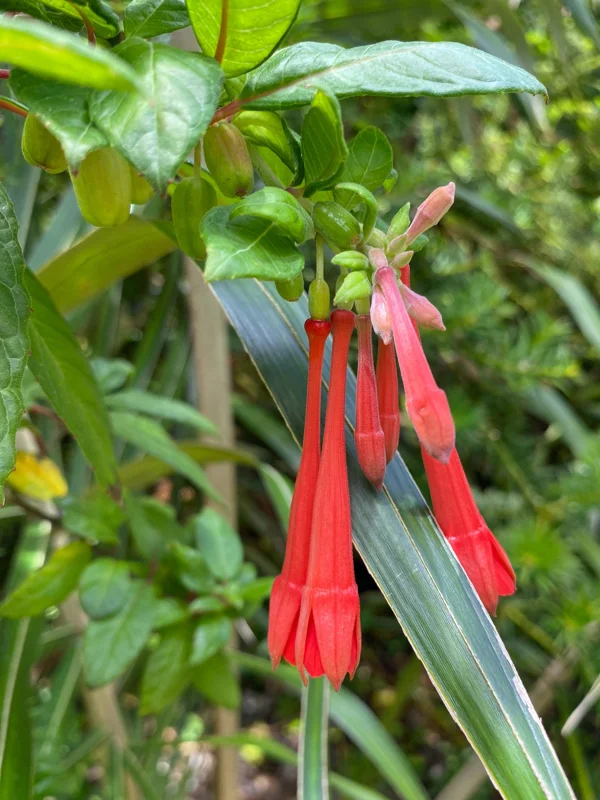
Fuchsia vulcanica Seeds – 20 Pack – Vibrant Orange Coral Flowers for Garden & Containers
Sold 50 products
Original price was: $25.00.$17.50Current price is: $17.50.
Sold 50 products
Original price was: $116.98.$95.68Current price is: $95.68.
Sold 50 products
Original price was: $21.00.$14.10Current price is: $14.10.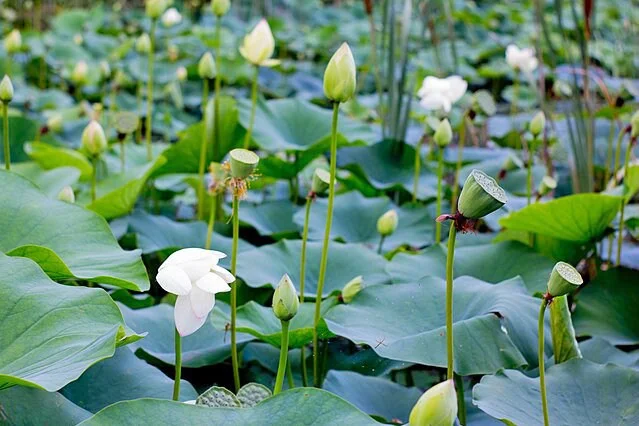
Aquatic Plant Seeds
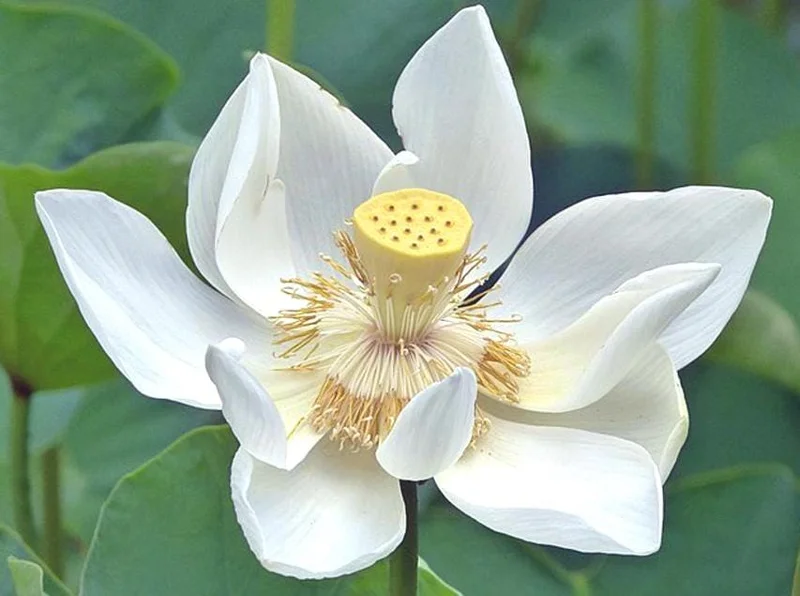
White Lotus Seeds – Nelumbo Nucifera Aquatic Pond Plant – 5 Seeds for Water Garden
Sold 50 products
Original price was: $29.00.$20.90Current price is: $20.90.RELATED posts
Awapuhi Wild Ginger Plant: Zones, Care, and Propagation
Learn which USDA zones suit awapuhi wild ginger, plus sunlight, water, planting, propagation, pests, size, [...]
Awapuhi Shampoo Ginger – Care, Growing Zones, and Differences
Learn how to grow awapuhi (shampoo) ginger, its USDA zones, watering schedule, propagation tips, and [...]
Awapuhi Shampoo Plant Buying Guide – Choose the Right Zingiber zerumbet
META: Learn which awapuhi (shampoo ginger) plant or rhizome pack gives the best natural shampoo, [...]
Awapuhi Plant for Sale: Complete Buying Guide
Find the right awapuhi (shampoo ginger) plant, size, price, soil mix, and online source. Practical [...]
Shampoo Ginger Plant for Sale – Buying Guide & Tips
Find the right shampoo ginger plant, size, price, and care tips. Quick guide for U.S. [...]
Shampoo Ginger Plant (Awapuhi) Care Guide
Learn how to grow, care for, and use shampoo ginger (Zingiber zerumbet), the tropical awapuhi [...]
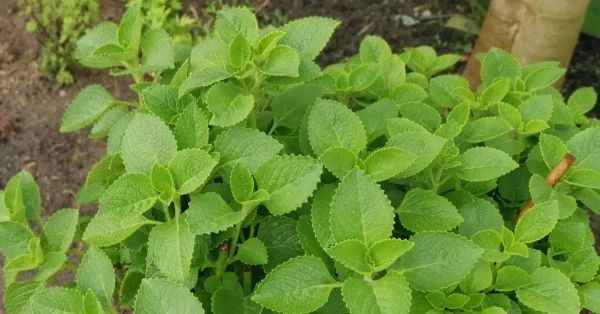
How to Grow Cuban Oregano Plants: A Complete Care Guide
If you’ve ever wanted a plant that combines the culinary punch of traditional oregano with [...]
Aug
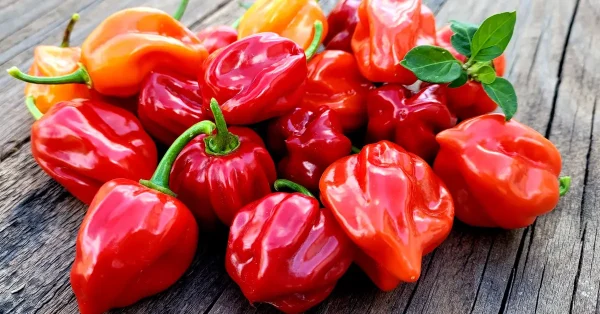
How to Grow Habanero Pepper Plants: A Step-by-Step Guide
Habanero pepper plants are prized for their vibrant colors, intense heat, and exceptional flavor, making [...]
Aug
Reviews
There are no reviews yet.