
Black Elderberry Seeds – Sambucus nigra – 150 Count – Zones 4-9 Outdoor
Original price was: $25.00.$17.50Current price is: $17.50.
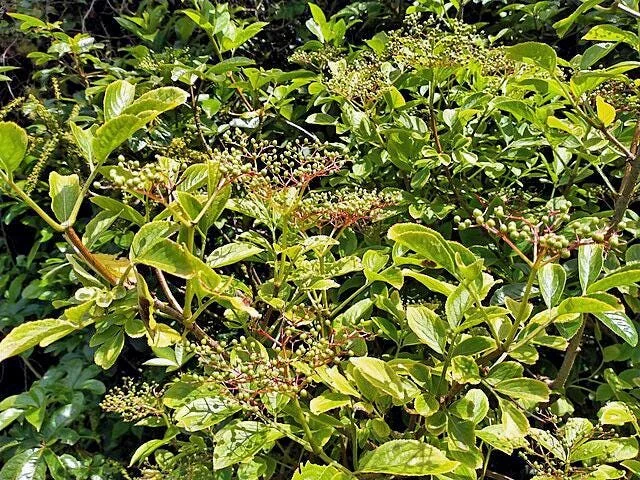
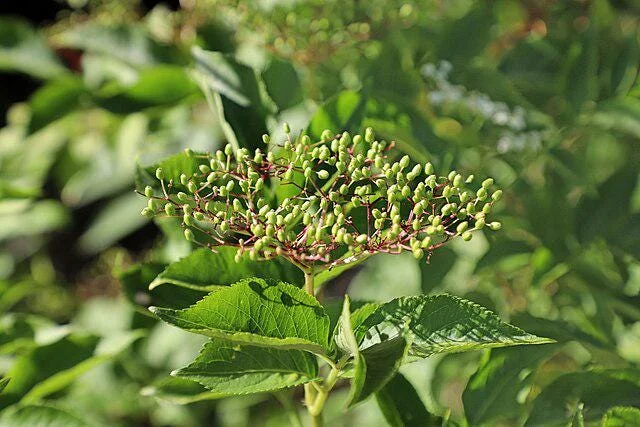
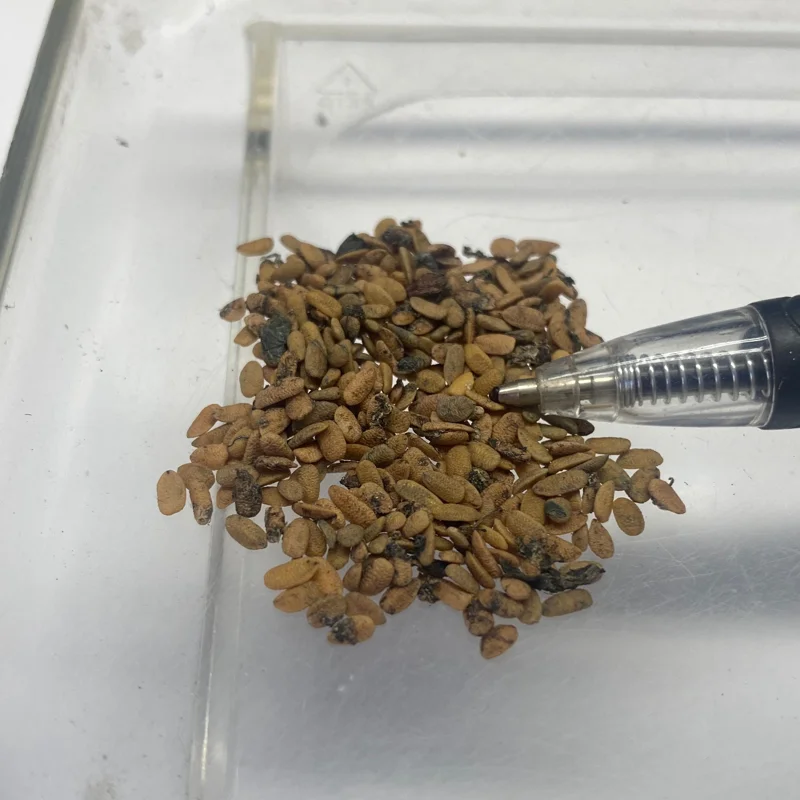
Cultivate your own resilient black elderberry seeds (Sambucus nigra), known for their ornamental beauty and highly valued dark purple berries. Each pack contains 150 seeds, perfect for gardeners in USDA Zones 4-9 looking to establish a thriving shrub for culinary and ecological benefits. Grow your own elderberry plant seeds for a rewarding harvest.
Shipping and Return policies:
We stand behind our plants with our Alive & Thrive Guarantee. If you experience any issues within the first 30 days, please email us, and our team will be happy to help. When needed, we’ll send you a one-time replacement free of charge to make sure your garden keeps growing strong.

Reasonable Price
We offer reasonable price

Support 24/7
Contact us 24 hrs a day
100% Money Back
You’ve 30 days to Return
Payment Secure
100% secure payment
Overview
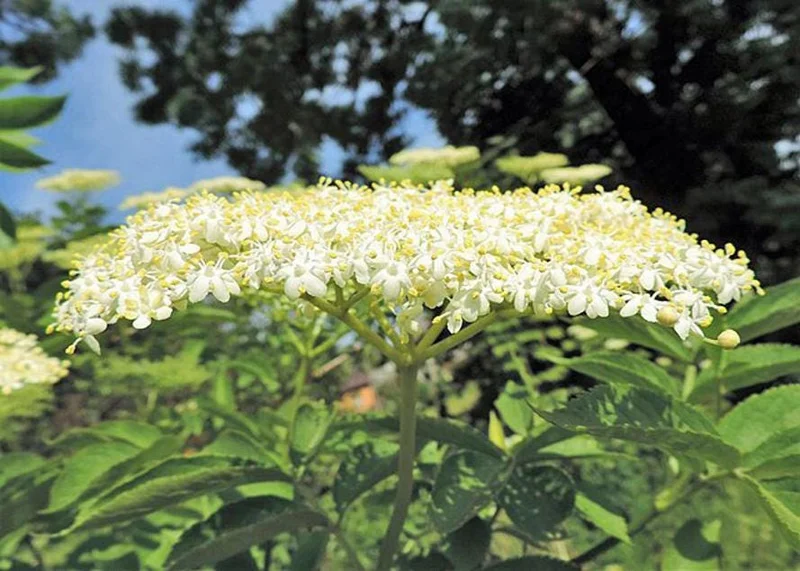
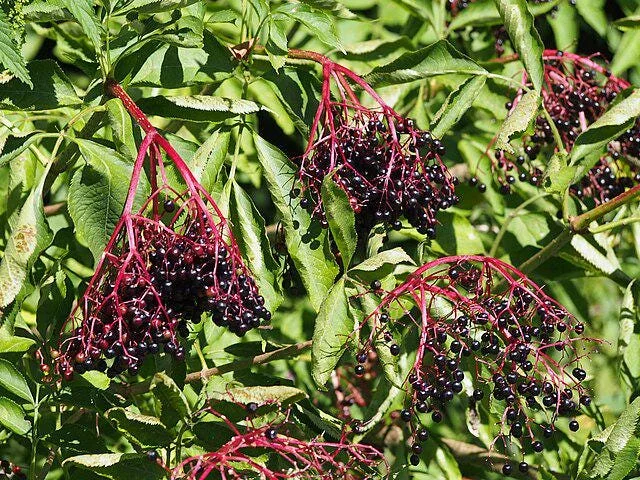
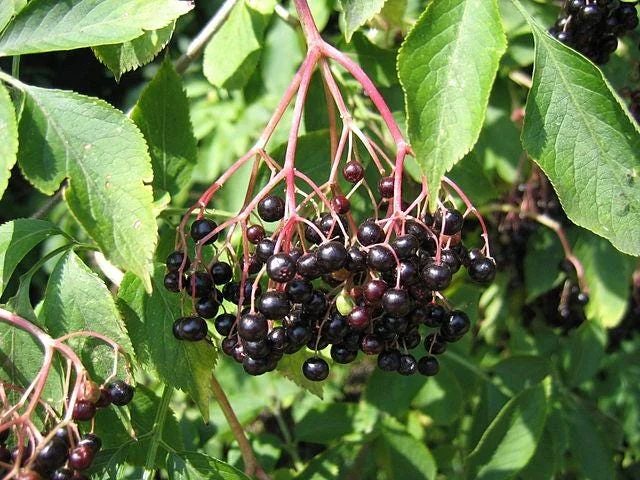
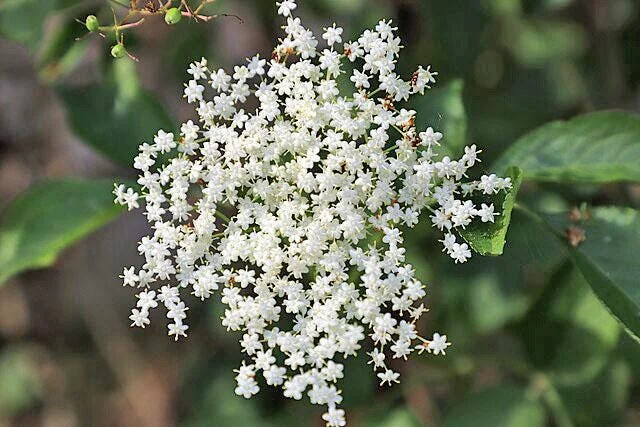
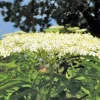
Embark on a rewarding gardening journey with our premium black elderberry seeds (Sambucus nigra). This pack of 150 seeds offers you the opportunity to grow the robust and versatile European elder, a deciduous shrub or small tree celebrated for its beautiful creamy white flowers and abundant dark purple to black berries. Native to Europe, western Asia, and parts of North Africa, this species is widely naturalized globally and is a fantastic addition to any garden. Whether you’re an experienced gardener or just starting out, growing sambucus nigra seeds allows you to cultivate a plant that is both aesthetically pleasing and beneficial for wildlife and culinary uses. The resulting plants will provide a stunning visual display and a source of delicious, healthful berries (which should always be cooked before consumption).
Our black elderberry seeds are sourced to ensure viability, providing a strong foundation for your home garden. These seeds are perfect for creating natural hedgerows, enhancing woodland edges, or simply adding a touch of natural elegance to your landscape. The plant’s adaptability and hardiness make it a popular choice for various garden settings, and successfully germinating these seeds opens up a world of possibilities for your outdoor space. Experience the satisfaction of nurturing these seeds into mature, fruit-bearing plants.
Key Benefits
Growing black elderberry seeds offers a multitude of advantages, transforming your garden into a vibrant, productive, and ecologically rich space. From their striking appearance to their practical applications, these plants are a true asset.
- Edible & Medicinal Berries: The glossy, dark purple to black berries are highly valued for culinary uses, perfect for making jams, jellies, wines, and pies. They are also known for their traditional medicinal properties. Remember to cook berries before consumption.
- Attracts Pollinators: In late spring to early summer, the plant produces large, flat clusters of small, creamy white, fragrant flowers that are a magnet for essential pollinators like bees and butterflies, boosting your garden’s biodiversity.
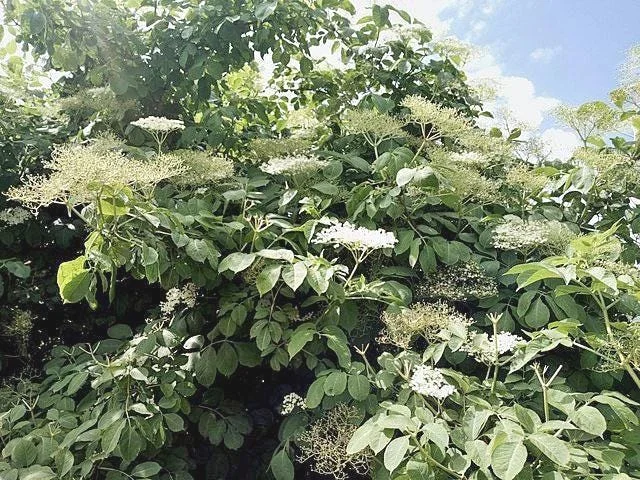
- Ornamental Appeal: With its arching branches, lush pinnate leaves, and beautiful flowers followed by dense berry clusters, the European elder offers significant ornamental value throughout the seasons, making it a focal point in any garden.
- Ecological Benefits: Provides food and habitat for local wildlife, contributing to a healthier ecosystem. The berries are a food source for birds, and the plant offers shelter.
- Hardy & Adaptable: Sambucus nigra seeds grow into resilient plants that thrive in a wide range of conditions, tolerating full sun to partial shade and various soil types, particularly moist, well-drained ones. It’s ideal for USDA Zones 4-9.
- Easy to Grow from Seed: While requiring stratification, these seeds offer a cost-effective way to establish multiple elderberry plants for personal enjoyment or larger planting projects, allowing you to grow elderberry from seed at your own pace.
- Versatile Landscape Use: Excellent for hedgerows, woodland gardens, naturalized areas, or as a standalone specimen plant, offering both beauty and utility to diverse garden designs.
Plant Care & Growing Tips
Successfully growing black elderberry seeds requires understanding their specific needs, particularly regarding germination and ongoing care. These plants are generally robust once established, but a good start is crucial.
Germination: Sambucus nigra seeds have a hard seed coat and an internal dormancy requiring stratification. First, clean seeds need warm stratification for about 2 months at 20–25°C (68–77°F). This is followed by a cold stratification period of 2 to 3 months at 1–5°C (34–41°F). This sequence helps break dormancy and soften the seed coat. After stratification, sow seeds about 5 mm deep in a moist, well-draining seed-starting mix. Keep the mix evenly moist. Germination can be slow and irregular, sometimes taking several months. Provide bright, indirect light and maintain moderate humidity for healthy seedling development. Once seedlings have several true leaves, transplant them into individual pots and grow in cool, bright conditions until they are strong enough to be planted outdoors.
Sunlight Requirements: European elderberry seeds will grow into plants that prefer full sun to partial shade. For optimal fruiting and flowering, aim for at least 6 hours of direct sunlight per day. While they can tolerate more shade, berry production may be reduced in heavily shaded areas. Ensure your chosen planting site provides adequate light for robust growth.
Watering & Soil: Sambucus nigra thrives in moist, well-drained soils. While young plants need consistent moisture, established plants are somewhat drought-tolerant but will benefit from regular watering during dry spells, especially when berries are developing. The ideal soil is fertile and rich in organic matter. Avoid excessively wet or waterlogged conditions, as this can lead to root rot. Good drainage is paramount for healthy growth of your elderberry plant seeds.
Temperature & Hardiness: This species is remarkably hardy, thriving in USDA Hardiness Zones 4-9. It is tolerant of a range of temperatures but prefers temperate climates. Young plants should be protected from harsh winter conditions in colder zones until well-established. Minimal winter protection is usually needed for mature plants within their hardiness range. Fertilization is generally not heavily required in rich soils, but a balanced slow-release fertilizer in spring can boost growth and fruiting, particularly if your soil is poor.
Size & Details
This product includes 150 black elderberry seeds, providing ample opportunity to cultivate multiple plants. Once germinated and established, the Sambucus nigra typically grows as a deciduous shrub or small tree, reaching a height of 4 to 6 meters (approximately 13 to 20 feet) tall, with an equivalent spread. It features arching branches and soft, pithy stems. The growth rate is generally moderate to fast, allowing for a relatively quick establishment in your garden.
The seeds are shipped in a protective packet, ensuring their viability upon arrival. While initial growth from seed requires patience due to stratification and irregular germination, mature plants will begin to produce flowers in late spring to early summer, followed by berries in late summer to early autumn. Expect several years for plants grown from grow elderberry from seed to reach full maturity and significant fruit production, typically 2-3 years after planting out. These plants are ideal for creating a natural, productive landscape feature.
Frequently Asked Questions
- Q: How big does a Black Elderberry plant get from these seeds? A: Once mature, a black elderberry plant typically grows 4 to 6 meters (13 to 20 feet) tall and can have a similar spread, forming a large shrub or small tree. Its size can be managed with pruning.
- Q: Is this an indoor or outdoor plant? A: Sambucus nigra is an outdoor plant, best suited for gardens and landscapes in USDA Hardiness Zones 4-9. While seedlings can be started indoors, mature plants require outdoor conditions to thrive.
- Q: How much sunlight do black elderberry seeds need to grow into healthy plants? A: For optimal growth and fruit production, the mature plants prefer full sun to partial shade, meaning at least 6 hours of direct sunlight per day. More shade may result in fewer berries.
- Q: Are these plants easy to care for once established? A: Yes, once established, elderberry plant seeds grow into relatively low-maintenance plants. They are hardy and adaptable, requiring consistent moisture when young and occasional watering during dry spells as they mature.
- Q: What condition will the seeds arrive in? A: The black elderberry seeds will arrive in a sealed packet, ready for stratification and planting. They are carefully packaged to maintain their viability during transit.
- Q: How long until plants grown from these seeds produce berries? A: Plants grown from sambucus nigra seeds typically begin to produce flowers and berries within 2 to 3 years after being planted out and established in the garden.
- Q: What is the best time to plant european elderberry seeds? A: After the required warm and cold stratification periods (which can take several months), the ideal time to sow the stratified seeds is in early spring, once the danger of hard frost has passed, for outdoor planting.
- Q: Will black elderberry plants survive winter in my zone? A: Yes, Sambucus nigra is very hardy and will survive winter in USDA Zones 4-9. They are deciduous, so they will lose their leaves in colder months and go dormant, returning in spring.
- Q: Can I use the berries from these plants for cooking? A: Absolutely! The dark berries are highly prized for culinary uses in jams, jellies, pies, and wines. However, it is crucial to cook the berries thoroughly before consumption, as raw berries can cause an upset stomach.
- Q: What kind of soil do these plants prefer? A: Black elderberry plants thrive in moist, fertile, and well-drained soil. They are adaptable but perform best in soil rich in organic matter. Avoid waterlogged conditions.
Be the first to review “Black Elderberry Seeds – Sambucus nigra – 150 Count – Zones 4-9 Outdoor”
You must be logged in to post a review.
People also Viewed
Sold 50 products
Original price was: $109.95.$79.98Current price is: $79.98.
Sold 50 products
Original price was: $25.00.$17.50Current price is: $17.50.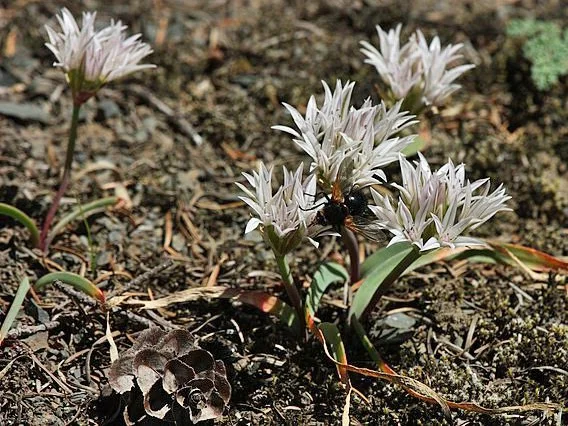
Flower Seeds
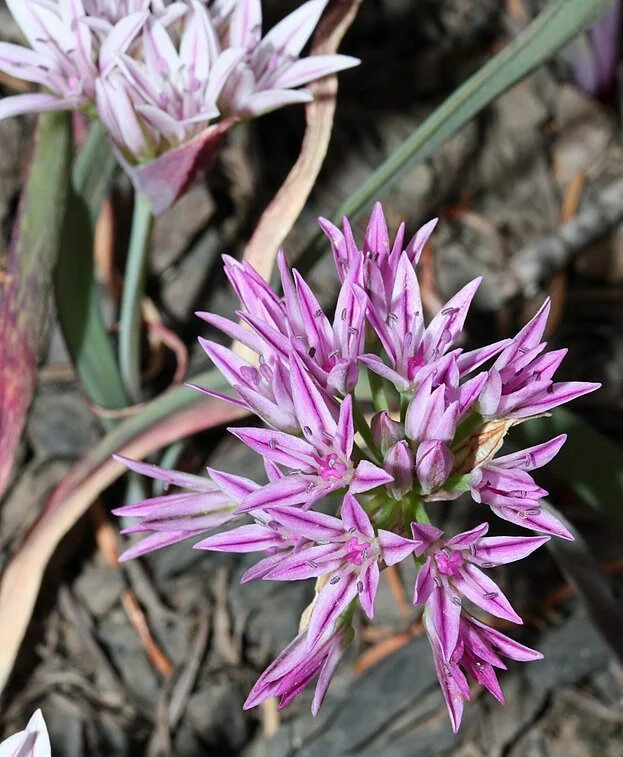
Olympic Onion Seeds – Allium crenulatum Flower Seeds – 10 Seed Pack – Outdoor Native Plant
Sold 50 products
Original price was: $25.00.$17.50Current price is: $17.50.
Sold 50 products
Original price was: $25.00.$17.50Current price is: $17.50.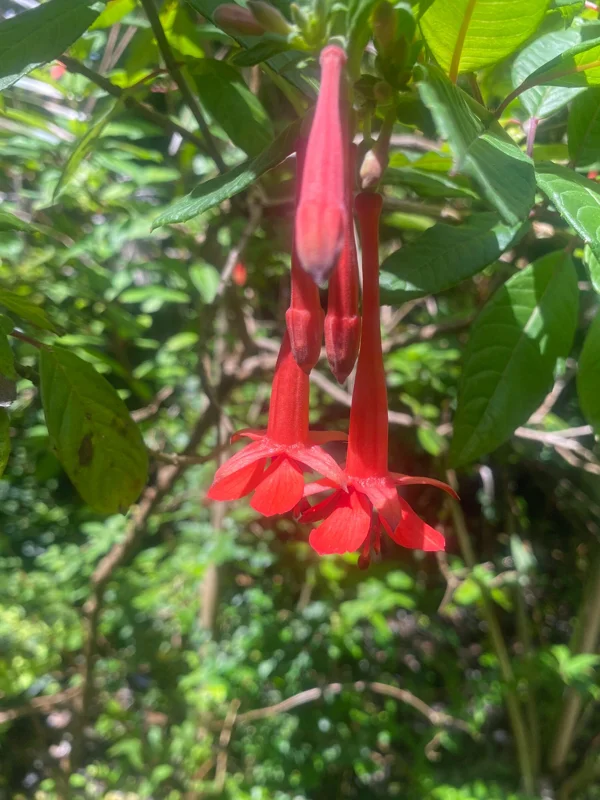
Flower Seeds
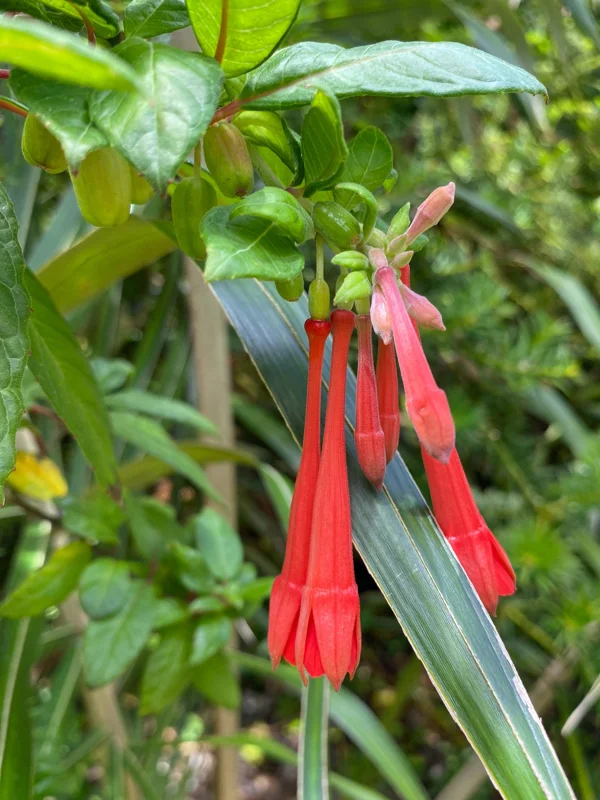
Fuchsia vulcanica Seeds – 20 Pack – Vibrant Orange Coral Flowers for Garden & Containers
Sold 50 products
Original price was: $25.00.$17.50Current price is: $17.50.
Sold 50 products
Original price was: $116.98.$95.68Current price is: $95.68.
Sold 50 products
Original price was: $21.00.$14.10Current price is: $14.10.
Aquatic Plant Seeds
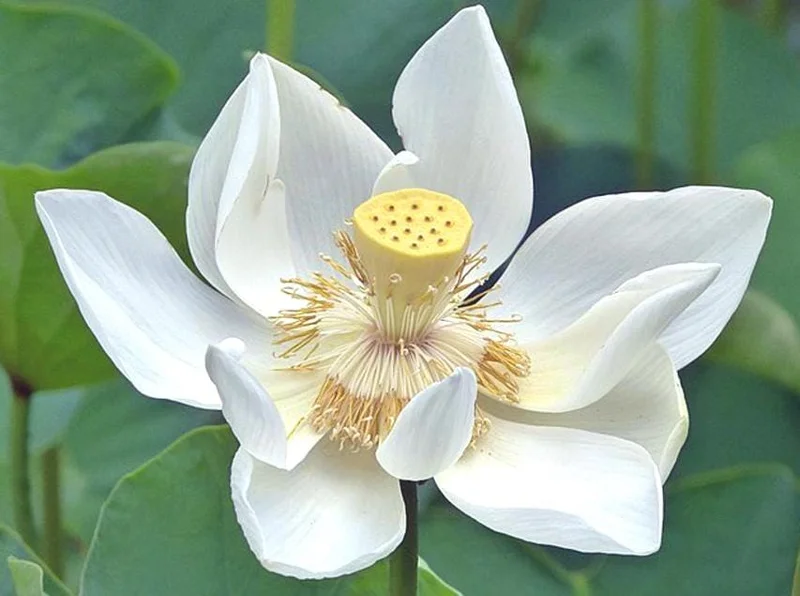
White Lotus Seeds – Nelumbo Nucifera Aquatic Pond Plant – 5 Seeds for Water Garden
Sold 50 products
Original price was: $29.00.$20.90Current price is: $20.90.RELATED posts
Awapuhi Wild Ginger Plant: Zones, Care, and Propagation
Learn which USDA zones suit awapuhi wild ginger, plus sunlight, water, planting, propagation, pests, size, [...]
Awapuhi Shampoo Ginger – Care, Growing Zones, and Differences
Learn how to grow awapuhi (shampoo) ginger, its USDA zones, watering schedule, propagation tips, and [...]
Awapuhi Shampoo Plant Buying Guide – Choose the Right Zingiber zerumbet
META: Learn which awapuhi (shampoo ginger) plant or rhizome pack gives the best natural shampoo, [...]
Awapuhi Plant for Sale: Complete Buying Guide
Find the right awapuhi (shampoo ginger) plant, size, price, soil mix, and online source. Practical [...]
Shampoo Ginger Plant for Sale – Buying Guide & Tips
Find the right shampoo ginger plant, size, price, and care tips. Quick guide for U.S. [...]
Shampoo Ginger Plant (Awapuhi) Care Guide
Learn how to grow, care for, and use shampoo ginger (Zingiber zerumbet), the tropical awapuhi [...]
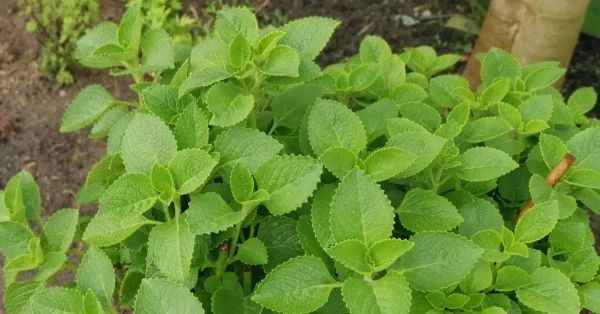
How to Grow Cuban Oregano Plants: A Complete Care Guide
If you’ve ever wanted a plant that combines the culinary punch of traditional oregano with [...]
Aug
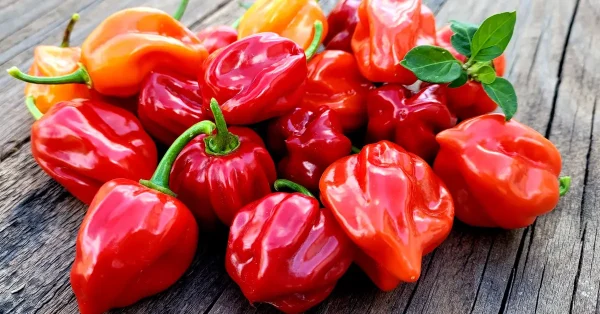
How to Grow Habanero Pepper Plants: A Step-by-Step Guide
Habanero pepper plants are prized for their vibrant colors, intense heat, and exceptional flavor, making [...]
Aug
Reviews
There are no reviews yet.