
Black Cherry Live Plant – Quart Pot – Edible Fruit Tree – Outdoor
Original price was: $41.30.$25.30Current price is: $25.30.
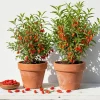
Cultivate your own sweet and juicy fruit with this black cherry live plant. Arriving in a quart pot, this young black cherry tree is ready to be transplanted into your garden or a larger container. Enjoy fresh cherries and support local wildlife with this beautiful and productive addition.
Shipping and Return policies:
We stand behind our plants with our Alive & Thrive Guarantee. If you experience any issues within the first 30 days, please email us, and our team will be happy to help. When needed, we’ll send you a one-time replacement free of charge to make sure your garden keeps growing strong.

Reasonable Price
We offer reasonable price

Support 24/7
Contact us 24 hrs a day
100% Money Back
You’ve 30 days to Return
Payment Secure
100% secure payment
Overview
Introduce the delightful taste of homegrown fruit to your garden with this black cherry live plant. Known botanically as Prunus serotina, the black cherry tree is a native North American species cherished for its dark, flavorful fruits and ornamental value. This offering provides a healthy, vibrant young plant in a convenient quart pot, making it easy to establish in your landscape. Ideal for gardeners seeking to add a productive and beautiful specimen, this black cherry live plant will mature into a robust tree, offering bountiful harvests and attractive foliage. It’s an excellent choice for creating a wildlife-friendly habitat while enjoying fresh, edible fruit right from your backyard.
The black cherry tree is not only a source of delicious fruit but also a significant ecological asset, supporting various bird and insect species. Its adaptability and relatively low maintenance make it a popular choice for both experienced and novice gardeners. This black cherry live plant is carefully nurtured to ensure a strong start in your garden, promising years of beauty and bounty.
Key Benefits
Growing a black cherry live plant offers a multitude of advantages, enhancing both your garden and your lifestyle. From fresh fruit to ecological contributions, here are some key benefits you can expect:
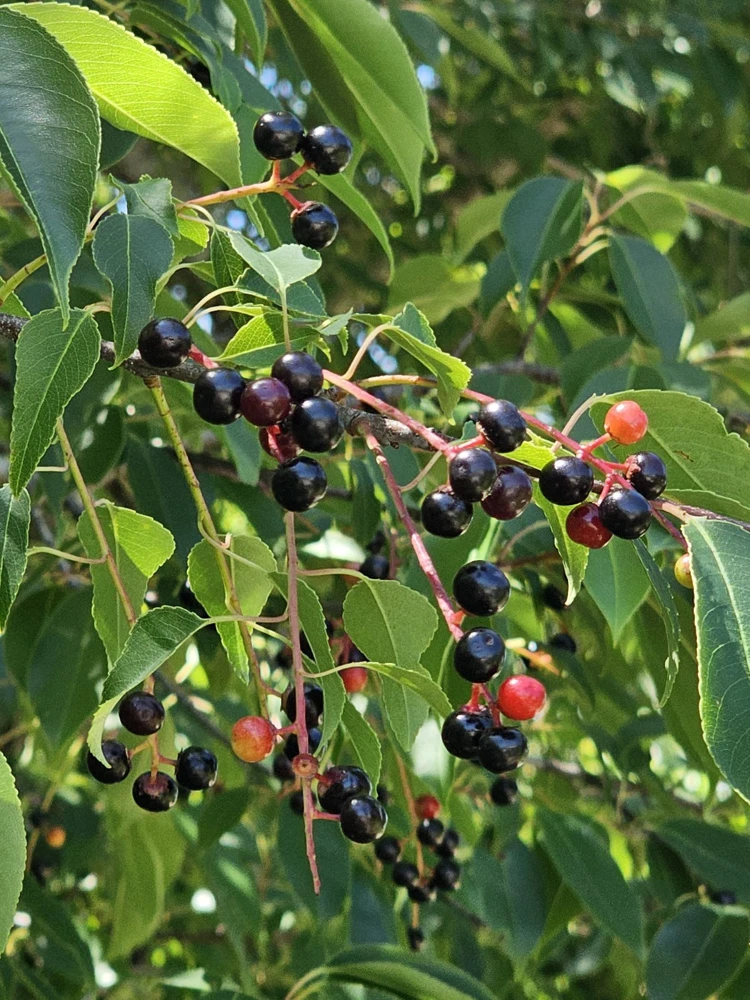
- Delicious Edible Fruit: Enjoy the rich, sweet-tart flavor of fresh black cherries directly from your own tree. These versatile fruits are perfect for eating fresh, making jams, pies, or juices, providing a healthy and flavorful addition to your diet.
- Attracts Wildlife: The fruits and flowers of the black cherry tree are a magnet for various birds, butterflies, and other pollinators, contributing to the biodiversity and health of your garden ecosystem. It’s a wonderful way to support local fauna.
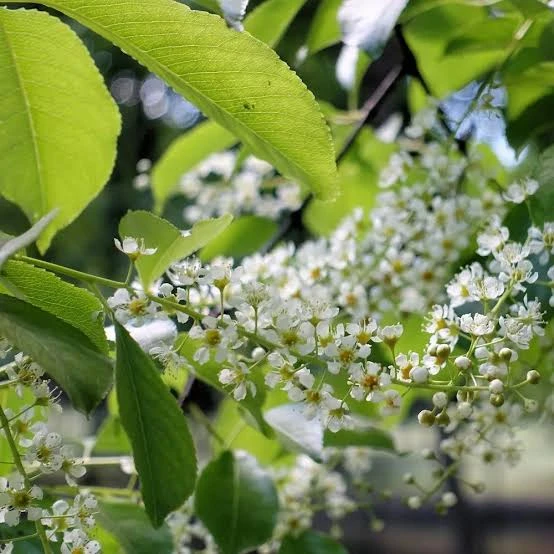
- Ornamental Value: Beyond its fruit, the black cherry live plant boasts attractive white flowers in spring and beautiful fall foliage that transitions from green to shades of yellow and red, adding year-round visual interest to your landscape.
- Adaptable and Resilient:Prunus serotina is known for its hardiness and ability to thrive in a range of soil types and climates, making it a relatively easy plant to grow and maintain for many gardeners. This resilience ensures a greater chance of success.
- Supports Pollinators: The spring blossoms provide an early and abundant nectar source for bees and other beneficial insects, crucial for a healthy garden and local agriculture.
- Sustainable Gardening: Growing your own fruit reduces reliance on store-bought produce, often with a lower environmental footprint. A black cherry live plant contributes to a more sustainable and self-sufficient lifestyle.
- Shade and Structure: As it matures, the black cherry tree provides excellent shade and adds significant structural beauty to your garden design, creating a comfortable and inviting outdoor space.
Plant Care & Growing Tips
Caring for your black cherry live plant is straightforward, ensuring a healthy and productive tree for years to come. Optimal growth begins with proper planting. Choose a site with full sun exposure, meaning at least 6-8 hours of direct sunlight daily. While adaptable, the black cherry tree prefers well-draining soil with a pH between 6.0 and 7.0. Amend heavy clay soils with organic matter to improve drainage and aeration before planting. Dig a hole twice as wide as the root ball and just as deep, ensuring the top of the root ball is level with the soil surface. Water thoroughly after planting to settle the soil.
Once established, consistent watering is key, especially during dry periods and the tree’s first few years. Aim for deep watering sessions that moisten the soil to the depth of the roots, rather than frequent shallow watering. Reduce watering frequency as the tree matures and becomes more drought-tolerant. Fertilize your black cherry live plant in early spring with a balanced slow-release fertilizer, following the product’s instructions. Pruning should be done in late winter or early spring while the tree is dormant, focusing on removing dead, damaged, or crossing branches to maintain a strong structure and good air circulation. This also helps with fruit production and overall tree health. Understanding proper cherry plant care will lead to a thriving tree.
The prunus serotina is generally hardy in USDA Zones 3-9. Protect young trees from pests and diseases by monitoring regularly and addressing issues promptly. Common pests include aphids and borers, while diseases like black knot or leaf spot can sometimes occur. Good air circulation and proper sanitation can help prevent many problems. With proper care, your black cherry live plant will flourish, providing a beautiful focal point and delicious fruit.
Size & Details
This black cherry live plant is delivered in a convenient quart pot, providing a well-rooted and established young specimen ready for transplanting. At this stage, the plant typically stands between 6 to 12 inches tall, though exact measurements may vary slightly depending on growth cycles and individual plant development. When mature, a black cherry tree can reach impressive heights of 50 to 80 feet with a spread of 30 to 50 feet, forming a majestic canopy. Its growth rate is considered medium to fast, adding 12 to 24 inches of height per year under optimal conditions. The plant arrives as a potted starter, ensuring minimal shock during transit and providing a strong foundation for future growth. Expect to see initial fruit production within 3-5 years after planting, with increasing yields as the tree matures.
Frequently Asked Questions
- Q: How big does this plant get? A: This black cherry live plant arrives in a quart pot, typically 6-12 inches tall. When mature, the black cherry tree can grow to be 50-80 feet tall with a spread of 30-50 feet, providing significant shade and presence in your landscape.
- Q: What size pot does it come in? A: The black cherry live plant is shipped in a quart-sized nursery pot, which is ideal for a young, healthy starter plant. It will need to be transplanted into the ground or a larger container upon arrival.
- Q: Is this an indoor or outdoor plant? A: This is an outdoor plant. The black cherry tree is a deciduous tree that requires a period of dormancy and full sun exposure to thrive and produce fruit. It is not suitable for long-term indoor cultivation.
- Q: How much sunlight does it need? A: For optimal growth and fruit production, your black cherry live plant requires full sun, meaning at least 6 to 8 hours of direct sunlight per day.
- Q: Is this plant easy to care for? A: Yes, the black cherry tree is considered relatively easy to care for, especially once established. It’s quite adaptable to various soil types and climates, making cherry plant care manageable for most gardeners.
- Q: What condition will it arrive in? A: Your black cherry live plant will arrive as a healthy, well-rooted plant in its quart pot, carefully packaged to minimize stress during shipping. It will be ready for immediate transplanting.
- Q: Can I eat the fruit from this tree? A: Yes, the fruit produced by the prunus serotina is edible and delicious. It’s often used in pies, jams, and other culinary applications, or simply enjoyed fresh.
- Q: How long until it produces fruit? A: Typically, a young black cherry live plant will begin to produce fruit within 3 to 5 years after planting, with production increasing significantly as the tree matures.
- Q: What’s the minimum temperature this tree can tolerate? A: The black cherry tree is hardy in USDA Zones 3-9, meaning it can tolerate winter temperatures well below freezing, typically down to -40°F (-40°C) in its hardiest zones.
Be the first to review “Black Cherry Live Plant – Quart Pot – Edible Fruit Tree – Outdoor”
You must be logged in to post a review.
People also Viewed
Sold 50 products
$32.38
Sold 50 products
$27.38
Sold 50 products
$32.38
Sold 50 products
$19.88
Sold 50 products
$62.38
Sold 50 products
$24.88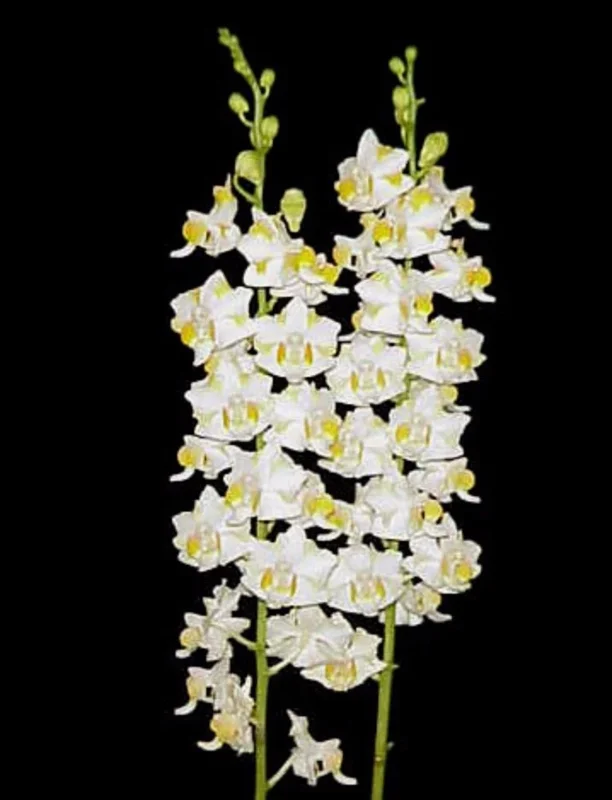
Houseplants
Phalaenopsis pulcherrima ‘Mauna Kea Snow’ Orchid Live Plant – White Flowers, Potted 2.5 in
Sold 50 products
$49.88
Sold 50 products
$49.88RELATED posts
Awapuhi Wild Ginger Plant: Zones, Care, and Propagation
Learn which USDA zones suit awapuhi wild ginger, plus sunlight, water, planting, propagation, pests, size, [...]
Awapuhi Shampoo Ginger – Care, Growing Zones, and Differences
Learn how to grow awapuhi (shampoo) ginger, its USDA zones, watering schedule, propagation tips, and [...]
Awapuhi Shampoo Plant Buying Guide – Choose the Right Zingiber zerumbet
META: Learn which awapuhi (shampoo ginger) plant or rhizome pack gives the best natural shampoo, [...]
Awapuhi Plant for Sale: Complete Buying Guide
Find the right awapuhi (shampoo ginger) plant, size, price, soil mix, and online source. Practical [...]
Shampoo Ginger Plant for Sale – Buying Guide & Tips
Find the right shampoo ginger plant, size, price, and care tips. Quick guide for U.S. [...]
Shampoo Ginger Plant (Awapuhi) Care Guide
Learn how to grow, care for, and use shampoo ginger (Zingiber zerumbet), the tropical awapuhi [...]
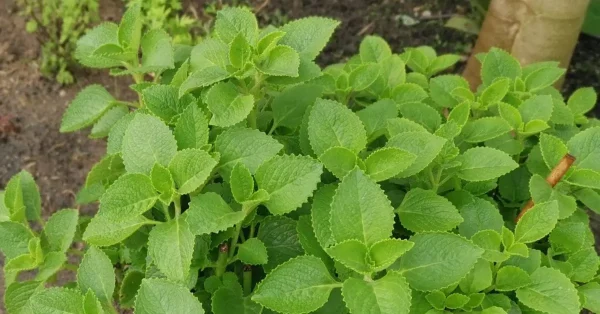
How to Grow Cuban Oregano Plants: A Complete Care Guide
If you’ve ever wanted a plant that combines the culinary punch of traditional oregano with [...]
Aug
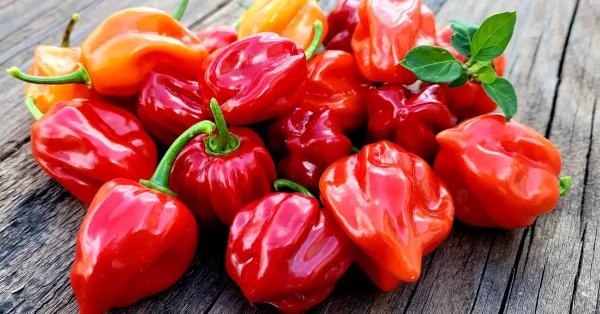
How to Grow Habanero Pepper Plants: A Step-by-Step Guide
Habanero pepper plants are prized for their vibrant colors, intense heat, and exceptional flavor, making [...]
Aug
Reviews
There are no reviews yet.