
Bilimbi Cucumber Tree Live Plant (Averrhoa bilimbi) – Exotic Fruit Tree
$122.50
Bring the tropics to your garden with a bilimbi cucumber tree. This exotic fruit plant (Averrhoa bilimbi) produces tart, versatile fruits perfect for culinary use. Easy to grow in warm climates, it’s a unique addition for fruit enthusiasts.
Shipping and Return policies:
We stand behind our plants with our Alive & Thrive Guarantee. If you experience any issues within the first 30 days, please email us, and our team will be happy to help. When needed, we’ll send you a one-time replacement free of charge to make sure your garden keeps growing strong.

Reasonable Price
We offer reasonable price

Support 24/7
Contact us 24 hrs a day
100% Money Back
You’ve 30 days to Return
Payment Secure
100% secure payment
Overview
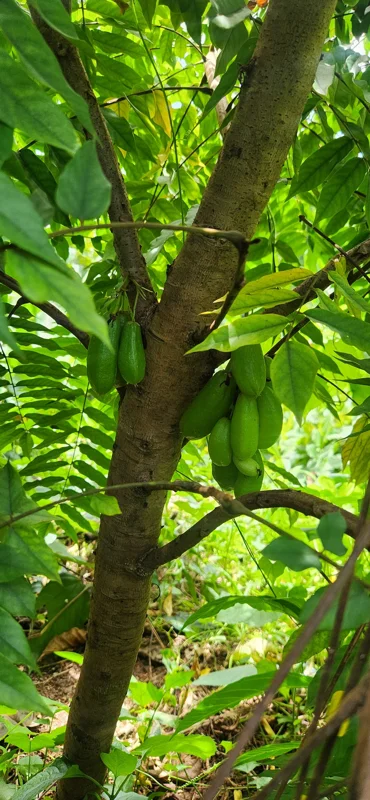
The bilimbi cucumber tree (Averrhoa bilimbi) is a fascinating and highly sought-after exotic fruit plant, prized for its distinctive, tart fruit. Often referred to simply as Bilimbi, this tree is a close relative of the star fruit and originates from Southeast Asia. It typically grows to a moderate height, making it suitable for various garden sizes where tropical conditions prevail. The Bilimbi tree is not only a source of unique fruit but also an attractive ornamental with its graceful form and delicate foliage. Its fruits, which resemble small cucumbers, hang directly from the trunk and older branches, creating a striking visual display. Whether you’re an avid gardener looking to expand your collection of unusual edibles or a culinary adventurer seeking new flavors, the averrhoa bilimbi plant offers an exciting and rewarding growing experience.
Known for its rapid growth, the bilimbi cucumber tree quickly establishes itself, providing a consistent bounty of fruit once mature. This resilient tree adapts well to various soil conditions, provided they are well-draining. The unique flavor profile of the bilimbi fruit, which is intensely sour, makes it a popular ingredient in many cuisines, particularly for pickles, relishes, and souring agents in dishes. Growing your own ensures a fresh supply of this versatile fruit, allowing you to experiment with its culinary potential straight from your backyard. Embrace the opportunity to cultivate a piece of the tropics and enjoy the bounty of the Averrhoa bilimbi.
Key Benefits
Cultivating an averrhoa bilimbi plant offers a multitude of benefits, from its unique fruit to its aesthetic appeal in the garden. This exotic tree is a conversation starter and a source of fresh, uncommon produce.
- Exotic Fruit Production: Enjoy a steady supply of fresh bilimbi fruit, known for its distinct tart flavor. These fruits are incredibly versatile, used in chutneys, curries, and as a natural souring agent in various dishes.
- Ornamental Value: The Bilimbi tree is an attractive addition to any garden with its lush green foliage and unique fruit display, where fruits hang directly from the trunk and branches. It adds a tropical flair and visual interest.
- Culinary Versatility: The fruit can be used in a wide range of recipes, from refreshing drinks and jams to marinades and pickles. Discover new culinary possibilities with your home-grown bilimbi cucumber tree.
- Moderate Size: This tree generally reaches a manageable height of 5 to 10 meters, making it suitable for many home gardens without becoming overly dominant.
- Relatively Low Maintenance: Once established, the averrhoa bilimbi plant is known for its resilience and doesn’t require excessive care, thriving in appropriate tropical and subtropical conditions.
- Health Benefits: The fruit is rich in Vitamin C and antioxidants, contributing to a healthy diet. Exploring bilimbi fruit benefits can inspire new ways to incorporate it into your lifestyle.
- Educational Experience: Growing an exotic fruit tree like the Bilimbi provides a wonderful educational experience for gardeners of all ages, teaching about tropical horticulture and food sources.
Plant Care & Growing Tips
Caring for your bilimbi cucumber tree involves providing the right conditions to ensure robust growth and abundant fruiting. This tropical plant thrives in warm, humid environments, making it ideal for USDA zones 9-11. It prefers full sun exposure, meaning at least 6-8 hours of direct sunlight daily to maximize fruit production. However, it can tolerate partial shade, especially in extremely hot climates where some afternoon shade can prevent leaf scorch. When considering how to grow bilimbi, soil composition is crucial. The tree prefers well-draining, rich, and slightly acidic to neutral soil (pH 5.5-6.5). Amending heavy clay soils with organic matter like compost or coco coir will improve drainage and aeration.
Watering should be consistent, especially during dry periods and when the tree is young. Keep the soil consistently moist but never waterlogged. Overwatering can lead to root rot, while underwatering can cause fruit drop and stunted growth. Fertilize your averrhoa bilimbi plant every 2-3 months during the growing season with a balanced, slow-release fertilizer or a fertilizer formulated for fruit trees. Reduce fertilization during the dormant winter months. Pruning is generally minimal, focused on removing dead or diseased branches and shaping the tree for better air circulation and light penetration. While generally hardy, keep an eye out for common pests like aphids or scale insects, treating them with organic insecticidal soaps if necessary. Understanding how to grow bilimbi successfully involves replicating its native tropical conditions as closely as possible.
Size & Details
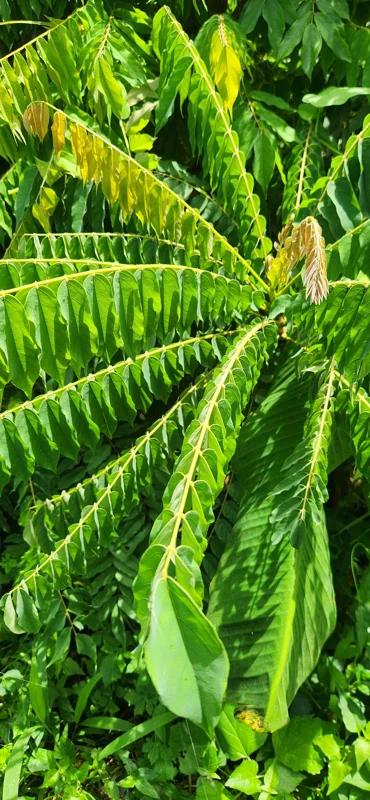
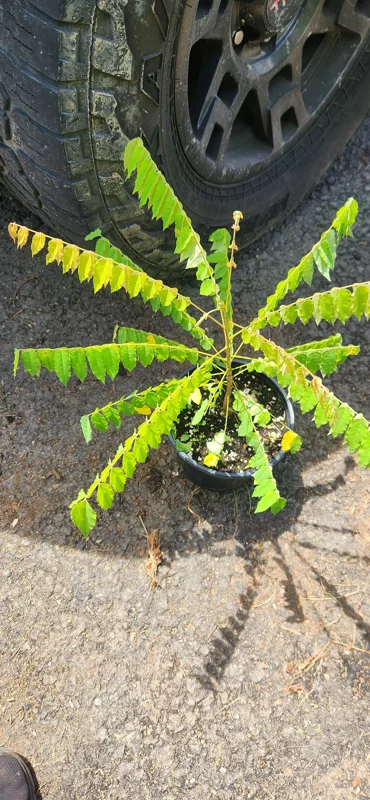
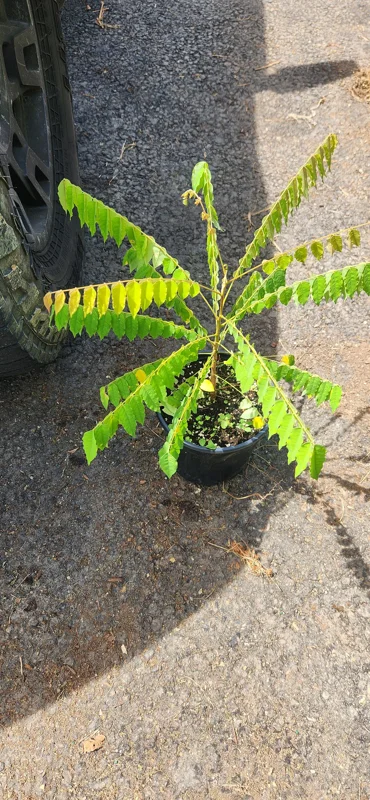
The bilimbi cucumber tree typically reaches a height of 5 to 10 meters (approximately 16 to 33 feet) at maturity, with a relatively short trunk that quickly branches out. Its leaves are alternate, odd-pinnate, and grouped at the ends of branches, measuring 3 to 6 cm long. The tree exhibits a moderate growth rate, establishing itself well within a few years. Fruits are oblong, resembling small cucumbers, and emerge directly from the trunk and older branches, offering a unique visual appeal. This live plant will be shipped in a nursery pot, ready for transplanting into your garden or a larger container. Expect your averrhoa bilimbi plant to begin fruiting within 2-4 years under optimal growing conditions, providing a steady supply of tart fruit for your culinary adventures. The average fruit size is about 2.5 to 9.2 cm long.
Frequently Asked Questions
- Q: How big does a bilimbi cucumber tree get? A: A mature Bilimbi tree typically grows to a height of 5 to 10 meters (16 to 33 feet). Its trunk is usually short, branching out quickly, making it a manageable size for many home gardens in tropical and subtropical regions.
- Q: Is this an indoor or outdoor plant? A: The bilimbi cucumber tree is primarily an outdoor plant, thriving in tropical and subtropical climates (USDA Zones 9-11). In colder regions, it can be grown in a large container and moved indoors during winter, or cultivated in a greenhouse.
- Q: How much sunlight does a averrhoa bilimbi plant need? A: This tree prefers full sun, requiring at least 6-8 hours of direct sunlight daily for optimal growth and fruit production. In areas with intense midday sun, some afternoon shade can be beneficial.
- Q: What condition will the Bilimbi tree arrive in? A: Your Bilimbi tree will arrive as a healthy, live plant, typically in a nursery pot. It will be carefully packaged to ensure its safety during transit, ready for planting or transplanting upon arrival.
- Q: Is the bilimbi cucumber tree easy to care for? A: Once established in suitable conditions, the Bilimbi tree is considered relatively easy to care for. It requires consistent watering, well-draining soil, and protection from frost.
- Q: Can I eat the bilimbi fruit benefits directly? A: While edible, bilimbi fruit is intensely sour and is usually not eaten raw on its own. It is commonly used in cooking to add tartness to dishes, make pickles, chutneys, or refreshing beverages when sweetened.
- Q: How long until my averrhoa bilimbi plant produces fruit? A: Under ideal growing conditions, a young Bilimbi tree can start producing fruit within 2-4 years after planting. Fruit production becomes more abundant as the tree matures.
- Q: What type of soil is best for Bilimbi? A: The Bilimbi tree thrives in well-draining, fertile soil that is slightly acidic to neutral (pH 5.5-6.5). Good drainage is crucial to prevent root issues.
- Q: Will this tree survive winter in my zone? A: The Bilimbi tree is sensitive to cold and frost. It will only survive outdoors year-round in USDA Hardiness Zones 9-11 or warmer. In colder zones, it must be protected from frost or grown indoors.
- Q: Are there any specific bilimbi fruit benefits for health? A: Yes, bilimbi fruit is known to be a good source of Vitamin C and antioxidants. It has been traditionally used in some cultures for its potential health properties, including managing blood sugar and cholesterol levels.
Be the first to review “Bilimbi Cucumber Tree Live Plant (Averrhoa bilimbi) – Exotic Fruit Tree”
You must be logged in to post a review.
People also Viewed
Sold 50 products
Original price was: $37.48.$23.98Current price is: $23.98.
Sold 50 products
$32.38
Sold 50 products
$27.38
Sold 50 products
$32.38
Sold 50 products
$19.88
Sold 50 products
$62.38
Sold 50 products
$24.88
Houseplants
Phalaenopsis pulcherrima ‘Mauna Kea Snow’ Orchid Live Plant – White Flowers, Potted 2.5 in
Sold 50 products
$49.88RELATED posts
Awapuhi Wild Ginger Plant: Zones, Care, and Propagation
Learn which USDA zones suit awapuhi wild ginger, plus sunlight, water, planting, propagation, pests, size, [...]
Awapuhi Shampoo Ginger – Care, Growing Zones, and Differences
Learn how to grow awapuhi (shampoo) ginger, its USDA zones, watering schedule, propagation tips, and [...]
Awapuhi Shampoo Plant Buying Guide – Choose the Right Zingiber zerumbet
META: Learn which awapuhi (shampoo ginger) plant or rhizome pack gives the best natural shampoo, [...]
Awapuhi Plant for Sale: Complete Buying Guide
Find the right awapuhi (shampoo ginger) plant, size, price, soil mix, and online source. Practical [...]
Shampoo Ginger Plant for Sale – Buying Guide & Tips
Find the right shampoo ginger plant, size, price, and care tips. Quick guide for U.S. [...]
Shampoo Ginger Plant (Awapuhi) Care Guide
Learn how to grow, care for, and use shampoo ginger (Zingiber zerumbet), the tropical awapuhi [...]
How to Grow Cuban Oregano Plants: A Complete Care Guide
If you’ve ever wanted a plant that combines the culinary punch of traditional oregano with [...]
Aug
How to Grow Habanero Pepper Plants: A Step-by-Step Guide
Habanero pepper plants are prized for their vibrant colors, intense heat, and exceptional flavor, making [...]
Aug

Reviews
There are no reviews yet.