


Banyan Fig Tree Seeds – Ficus benghalensis – 100 Seeds – Grow Your Own Banyan Tree
Original price was: $21.00.$14.10Current price is: $14.10.
Start your journey to cultivating a majestic Banyan Fig Tree from seeds. These Ficus benghalensis seeds allow you to grow the impressive Indian Banyan, famous for its sprawling canopy and unique aerial roots. Ideal for warm climates (zones 10-11) or as a fascinating indoor specimen.
Shipping and Return policies:
We stand behind our plants with our Alive & Thrive Guarantee. If you experience any issues within the first 30 days, please email us, and our team will be happy to help. When needed, we’ll send you a one-time replacement free of charge to make sure your garden keeps growing strong.

Reasonable Price
We offer reasonable price

Support 24/7
Contact us 24 hrs a day
100% Money Back
You’ve 30 days to Return
Payment Secure
100% secure payment
Overview
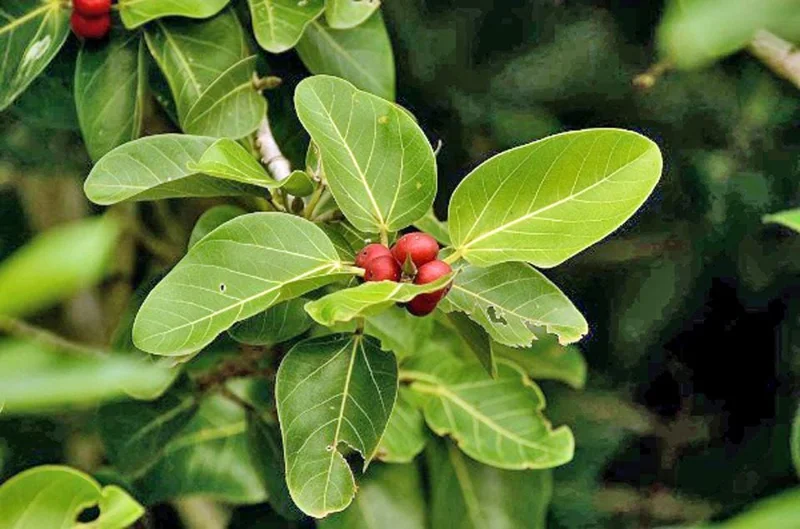
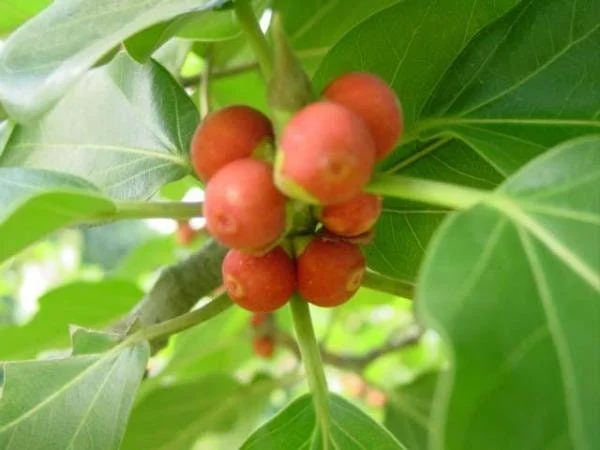
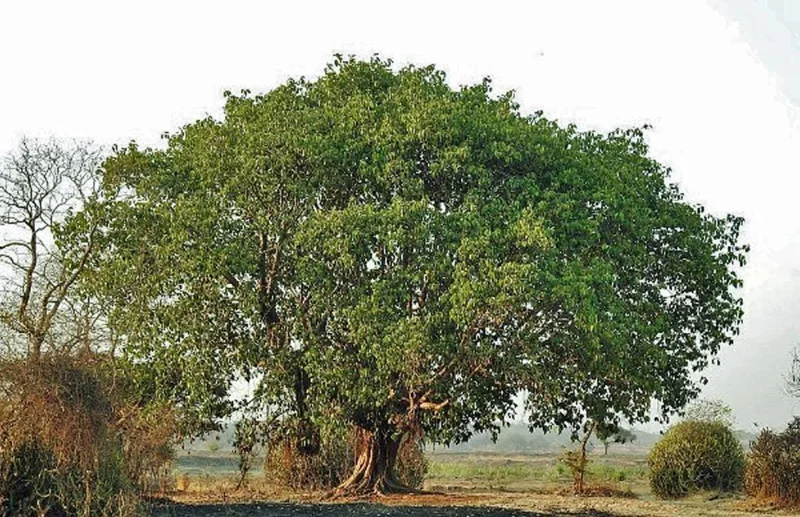
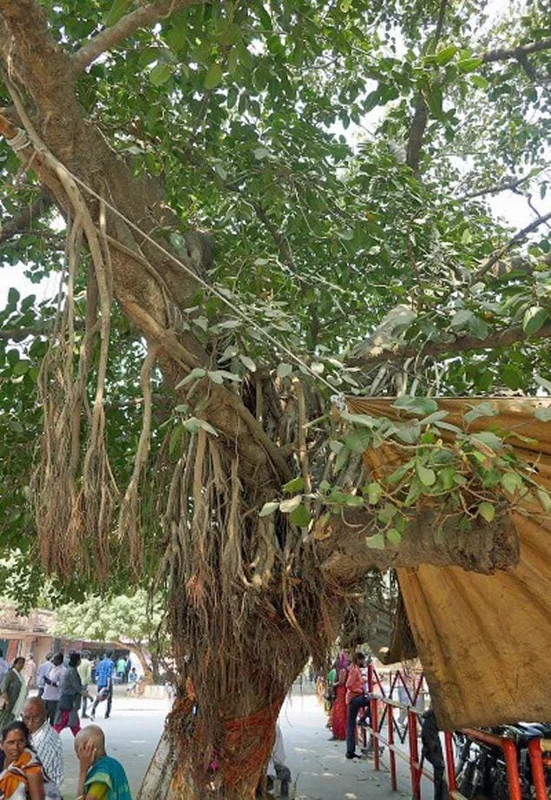
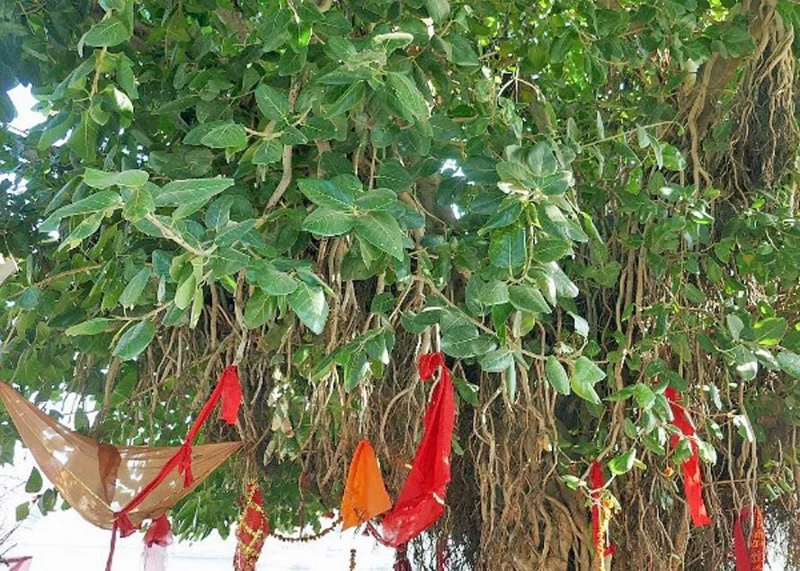
Embark on an exciting horticultural adventure by growing your very own Banyan Fig Tree from seeds. The Ficus benghalensis seeds offer a unique opportunity to cultivate one of the world’s most impressive trees, also known as the Indian Banyan or Banyan Fig. Native to the Indian subcontinent, this remarkable tree is celebrated for its expansive canopy and distinctive aerial roots that descend from branches to root themselves in the soil, eventually forming new trunks. This process creates a single tree that can cover vast areas, making it a true botanical marvel. Beyond its striking appearance, the Banyan tree holds significant cultural and religious importance, particularly in Buddhism, and is recognized as India’s national tree. Growing a Banyan Fig Tree from seeds allows you to witness its incredible development firsthand, bringing a piece of this natural wonder into your garden or home.
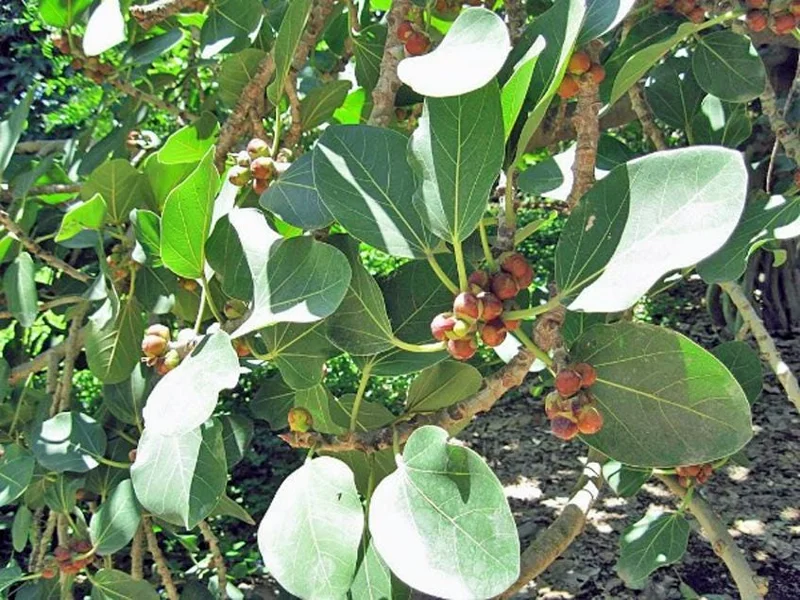
These Ficus benghalensis seeds are your gateway to nurturing a plant that can reach impressive sizes, potentially growing up to 40 feet tall and wide in ideal conditions. Even if you’re not in a tropical climate, these seeds can be started indoors, allowing you to enjoy the unique foliage and growth habit of a young Banyan tree. Its oval leaves with clearly visible veins add to its aesthetic appeal, making it a captivating addition to any plant collection. Whether you’re an experienced gardener or a curious beginner, the process of nurturing a Banyan Fig Tree from seeds promises a rewarding and educational experience.
Key Benefits
Growing a Banyan Fig Tree from seeds offers a multitude of benefits, from its stunning visual impact to its cultural significance. This unique tree provides a captivating focal point wherever it’s grown.
- Unique Growth Habit: The Banyan tree is renowned for its distinctive aerial roots that grow downwards and eventually root, forming new trunks. This creates a multi-trunked, sprawling tree that is truly a spectacle of nature and a fascinating plant to observe.
- Impressive Canopy: In optimal conditions, the Banyan can develop one of the largest canopies of any tree in the world, providing extensive shade and a majestic presence. Even in a smaller setting, its branching structure is impressive.
- Cultural Significance: As India’s national tree and a sacred plant in Buddhism, growing an Indian Banyan seeds can connect you to rich cultural traditions and history. It’s more than just a plant; it’s a symbol.
- Deer Resistant: A practical benefit for many gardeners, the Ficus benghalensis is known to be deer resistant, reducing concerns about browsing damage in outdoor settings.
- Adaptable to Various Settings: While it thrives outdoors in warm zones, young Banyan trees can be grown indoors as striking houseplants, allowing enthusiasts in cooler climates to enjoy its unique beauty.
- Educational Project: For families and educators, starting Banyan Fig Tree seeds can be an excellent educational project, demonstrating plant growth, root development, and botanical diversity.
- Long-Lived Specimen: Banyan trees are known for their longevity, meaning a tree started from these Ficus benghalensis seeds could be a legacy plant for generations to come.
Plant Care & Growing Tips
Successfully growing a Banyan Fig Tree from seeds requires attention to specific conditions, especially during the germination and early growth stages. The first step for Banyan tree cultivation is proper germination. Sow the Ficus benghalensis seeds thinly on top of a well-draining medium, then lightly cover them with a thin layer of soil, approximately the thickness of the seeds themselves. Maintain consistent moisture in the soil, ensuring it never dries out, and place the germination tray in a bright spot. Avoid covering the tray with plastic, as good air circulation is beneficial. Keep temperatures consistently around 65-75°F (18-24°C). Germination typically occurs within 7-30 days, but patience is key when you grow Banyan tree.
Once your Banyan Fig Tree seeds have germinated and the seedlings are established, they will require specific care to thrive. For outdoor cultivation, the Banyan prefers full sun to part shade. It is well-suited to USDA Zones 10-11, where it can grow into a magnificent specimen. The tree is adaptable to various soil types but absolutely requires well-drained soil to prevent root rot. Watering should be regular, keeping the soil consistently moist but not waterlogged, especially for young plants. As the tree matures, it becomes more drought-tolerant. Fertilization can be done with a balanced liquid fertilizer during the growing season, following product instructions for dilution and frequency. Protect young plants from strong winds and ensure they have ample space to grow, as they can become quite large. For indoor growth, provide bright, indirect light and maintain consistent humidity. Understanding the needs of Ficus benghalensis seeds will ensure a strong start to your tree’s life.
Common problems with Banyan tree cultivation can include overwatering, leading to root issues, or insufficient light, which can cause leggy growth. Monitor your plants for pests like spider mites or scale, especially indoors, and treat promptly with appropriate organic solutions. Ensure good air circulation to prevent fungal issues. The distinctive aerial roots are a key feature of the Banyan Fig Tree; allow them to grow naturally, as they will eventually reach the ground and establish new support structures for the tree. With proper care, your Banyan tree will become a stunning and long-lived addition to your landscape or home.
Size & Details
This product includes 100 Banyan Fig Tree Seeds (Ficus benghalensis), providing an excellent opportunity to start multiple plants or ensure successful germination. When mature and grown outdoors in its ideal climate (USDA Zones 10-11), the Indian Banyan can reach impressive dimensions, typically growing up to 40 feet tall and equally wide. Its growth rate is moderate to fast under optimal conditions, allowing it to establish its iconic sprawling canopy over time. The seeds will arrive in a protective packet, ready for planting.
Each Ficus benghalensis seed has the potential to grow into a majestic tree. While the initial growth from seed will be slow, with proper care, you can expect seedlings to develop into small plants within a few months. The development of the characteristic aerial roots will begin as the tree matures, typically after several years of growth. These Banyan Fig Tree Seeds offer a unique long-term project for gardeners interested in cultivating a truly extraordinary botanical specimen.
Frequently Asked Questions
- Q: How big does this plant get from these Banyan Fig Tree Seeds? A: When grown outdoors in appropriate climates (USDA Zones 10-11), a mature Banyan tree can reach heights and widths of up to 40 feet. Growth indoors will be significantly smaller, making it a fascinating large houseplant.
- Q: Is this an indoor or outdoor plant? A: The Ficus benghalensis is primarily an outdoor tree in tropical and subtropical regions (Zones 10-11). However, young plants and smaller specimens can be successfully grown indoors as houseplants in cooler climates, provided they receive adequate light.
- Q: How much sunlight do these Banyan Fig Tree Seeds need to germinate and grow? A: For germination, provide a bright spot with indirect light. Once established, young plants and mature trees prefer full sun to partial shade for optimal growth. Indoor plants require bright, indirect light.
- Q: Is this plant easy to care for? Is it good for beginners? A: Germinating Banyan Fig Tree Seeds requires some specific conditions and patience. Once established, young plants are moderately easy to care for. It can be a rewarding project for beginners who are willing to follow care instructions closely.
- Q: What condition will the seeds arrive in? A: The Ficus benghalensis seeds will arrive in a dry, protective packet, ready for you to begin the germination process. They are carefully packaged to maintain viability during transit.
- Q: How long until the Banyan tree starts to develop its aerial roots? A: The characteristic aerial roots of the Indian Banyan typically begin to develop as the tree matures, usually after several years of growth. It’s a gradual process that adds to the tree’s unique charm.
- Q: What’s the minimum temperature these Banyan Fig Tree Seeds can tolerate? A: While the seeds themselves are dormant, once germinated, young Ficus benghalensis plants are sensitive to cold. They thrive in temperatures between 65-75°F (18-24°C) and should not be exposed to temperatures below 50°F (10°C).
- Q: What kind of soil is best for Banyan tree cultivation? A: The Banyan tree prefers well-draining soil. A rich, loamy potting mix for container plants or well-amended garden soil for outdoor planting is ideal to promote healthy root development.
- Q: How often should I water the Banyan tree? A: Keep the soil consistently moist for young seedlings and growing plants, but avoid waterlogging. As the tree matures, it becomes more tolerant of drier conditions, but regular watering during dry spells is still beneficial for the Banyan Fig Tree.
- Q: Are these Banyan Fig Tree Seeds deer resistant? A: Yes, the Ficus benghalensis is generally considered to be deer resistant, which can be a significant advantage if you are planning to plant it outdoors in an area where deer are present.
Be the first to review “Banyan Fig Tree Seeds – Ficus benghalensis – 100 Seeds – Grow Your Own Banyan Tree”
You must be logged in to post a review.
People also Viewed

Sold 50 products
Original price was: $109.95.$79.98Current price is: $79.98.
Sold 50 products
Original price was: $25.00.$17.50Current price is: $17.50.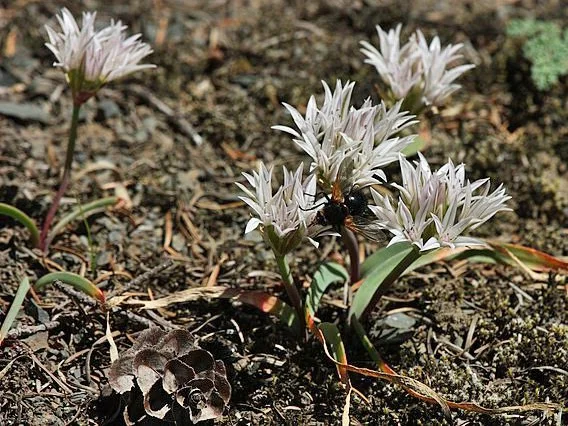
Flower Seeds
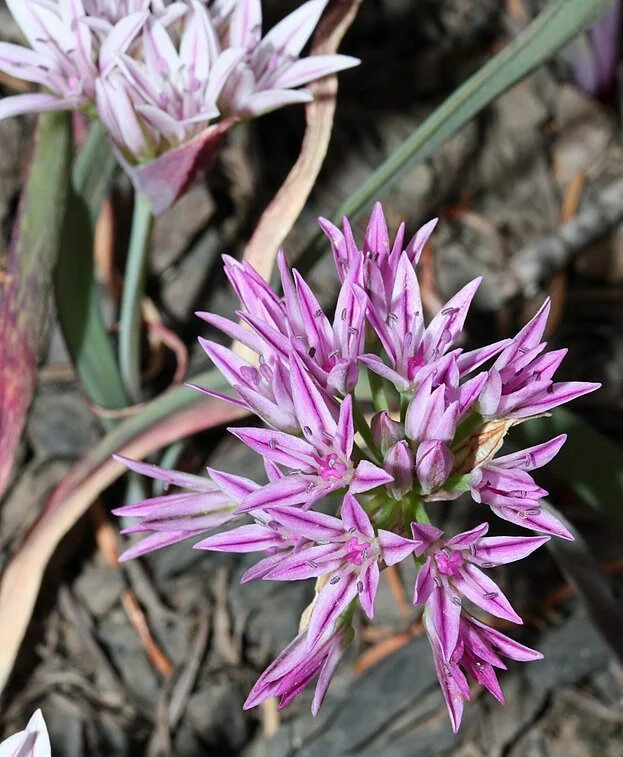
Olympic Onion Seeds – Allium crenulatum Flower Seeds – 10 Seed Pack – Outdoor Native Plant
Sold 50 products
Original price was: $25.00.$17.50Current price is: $17.50.
Sold 50 products
Original price was: $25.00.$17.50Current price is: $17.50.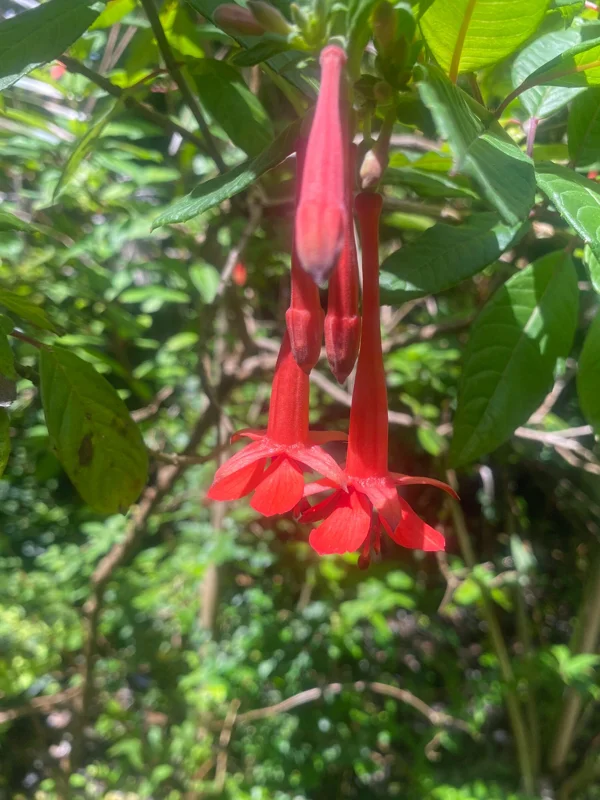
Flower Seeds
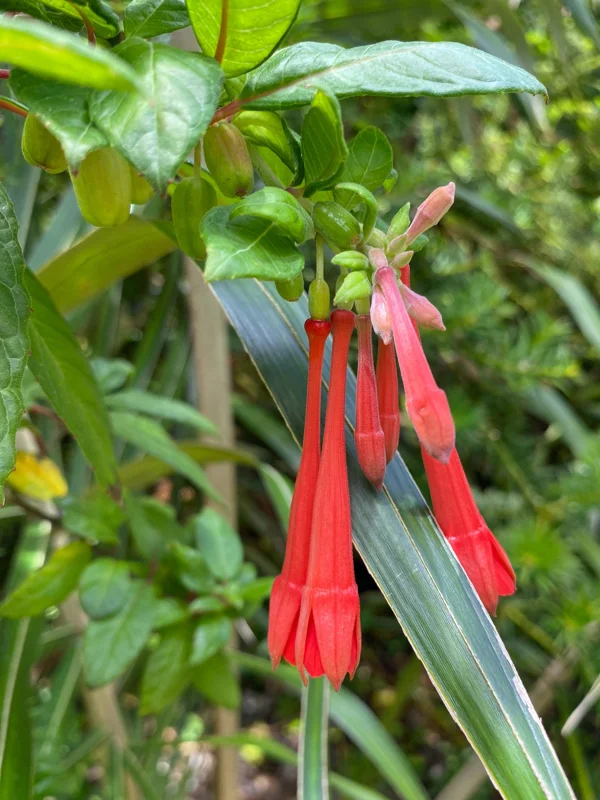
Fuchsia vulcanica Seeds – 20 Pack – Vibrant Orange Coral Flowers for Garden & Containers
Sold 50 products
Original price was: $25.00.$17.50Current price is: $17.50.
Sold 50 products
Original price was: $116.98.$95.68Current price is: $95.68.
Sold 50 products
Original price was: $21.00.$14.10Current price is: $14.10.
Aquatic Plant Seeds
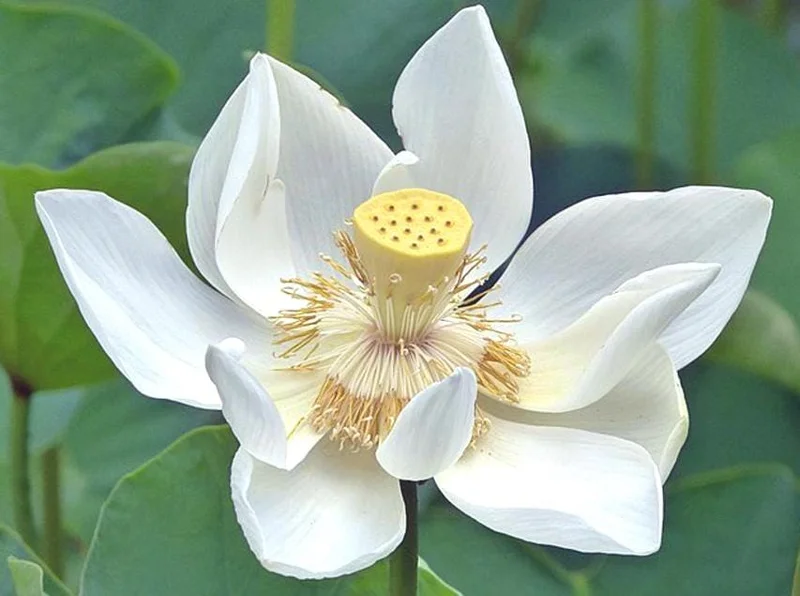
White Lotus Seeds – Nelumbo Nucifera Aquatic Pond Plant – 5 Seeds for Water Garden
Sold 50 products
Original price was: $29.00.$20.90Current price is: $20.90.RELATED posts
Awapuhi Wild Ginger Plant: Zones, Care, and Propagation
Learn which USDA zones suit awapuhi wild ginger, plus sunlight, water, planting, propagation, pests, size, [...]
Awapuhi Shampoo Ginger – Care, Growing Zones, and Differences
Learn how to grow awapuhi (shampoo) ginger, its USDA zones, watering schedule, propagation tips, and [...]
Awapuhi Shampoo Plant Buying Guide – Choose the Right Zingiber zerumbet
META: Learn which awapuhi (shampoo ginger) plant or rhizome pack gives the best natural shampoo, [...]
Awapuhi Plant for Sale: Complete Buying Guide
Find the right awapuhi (shampoo ginger) plant, size, price, soil mix, and online source. Practical [...]
Shampoo Ginger Plant for Sale – Buying Guide & Tips
Find the right shampoo ginger plant, size, price, and care tips. Quick guide for U.S. [...]
Shampoo Ginger Plant (Awapuhi) Care Guide
Learn how to grow, care for, and use shampoo ginger (Zingiber zerumbet), the tropical awapuhi [...]
How to Grow Cuban Oregano Plants: A Complete Care Guide
If you’ve ever wanted a plant that combines the culinary punch of traditional oregano with [...]
Aug
How to Grow Habanero Pepper Plants: A Step-by-Step Guide
Habanero pepper plants are prized for their vibrant colors, intense heat, and exceptional flavor, making [...]
Aug

Reviews
There are no reviews yet.