
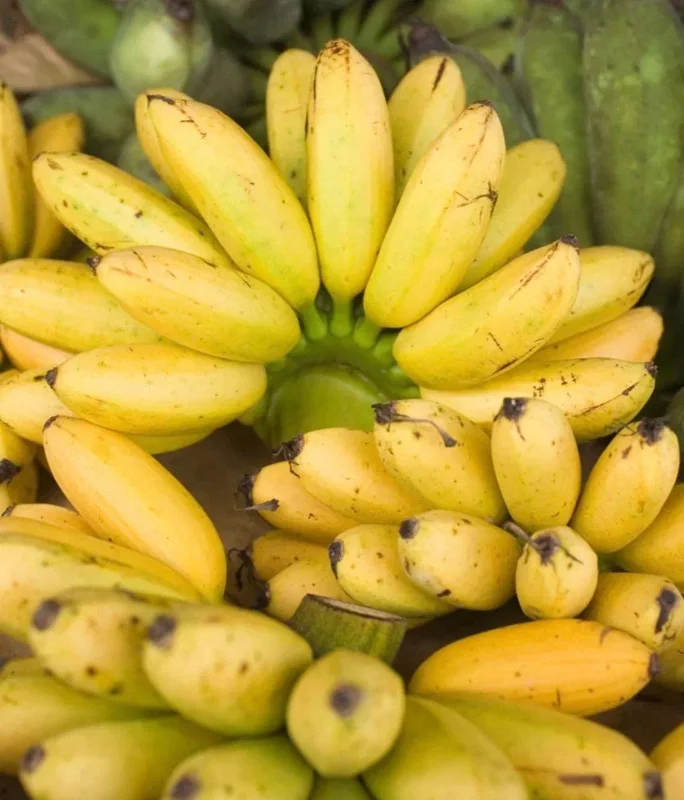
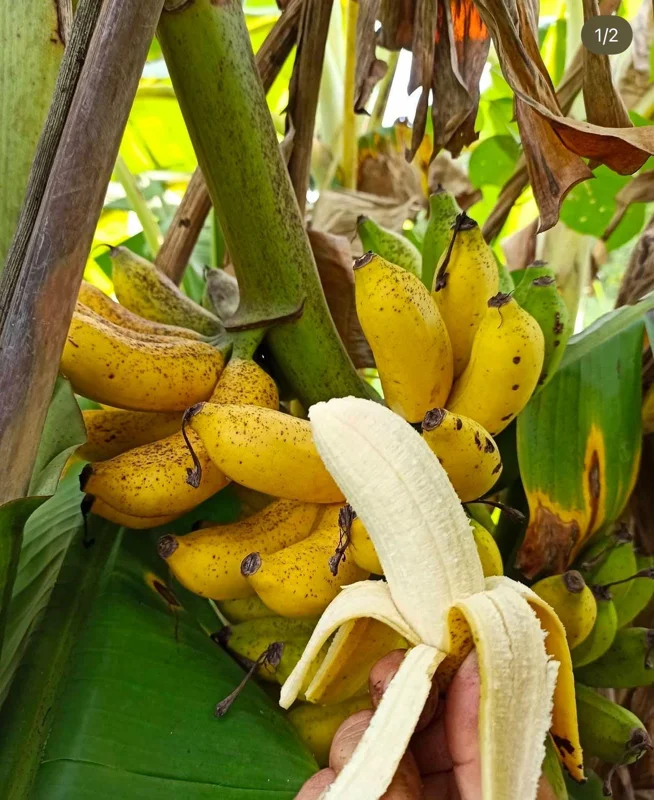
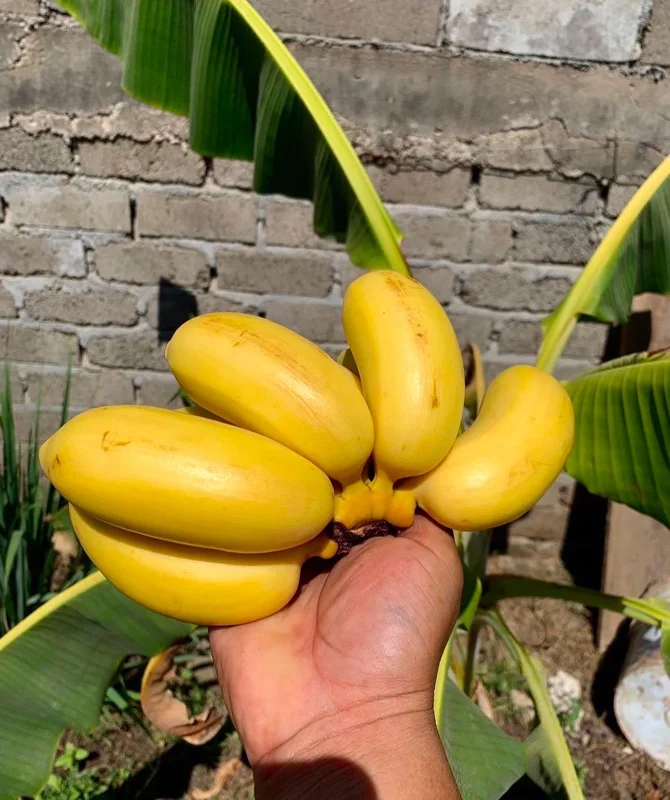
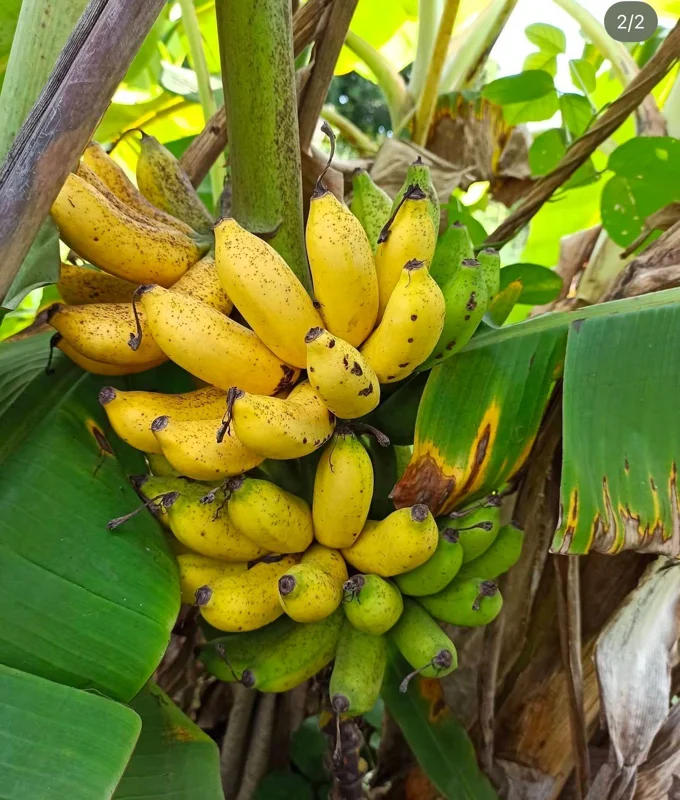
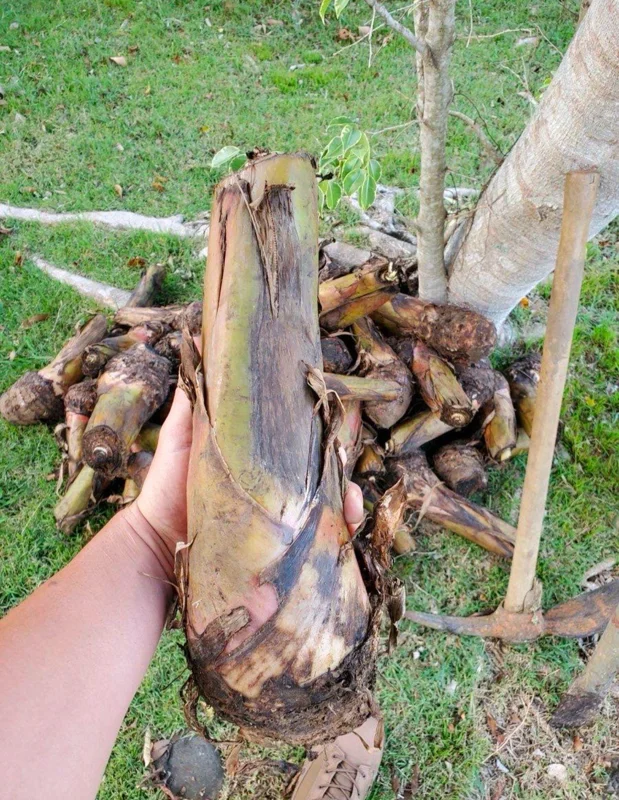
Banana Apple Live Fruit Tree (Musa Acuminata) – 10inch-1ft Plant
$115.00
Start your own banana plantation with a healthy banana apple live plant (Musa Acuminata). This 10-12 inch tall fruit tree is perfect for home gardens, offering fresh, homegrown produce. Easy to plant and maintain, suitable for various climates.
Shipping and Return policies:
We stand behind our plants with our Alive & Thrive Guarantee. If you experience any issues within the first 30 days, please email us, and our team will be happy to help. When needed, we’ll send you a one-time replacement free of charge to make sure your garden keeps growing strong.

Reasonable Price
We offer reasonable price

Support 24/7
Contact us 24 hrs a day
100% Money Back
You’ve 30 days to Return
Payment Secure
100% secure payment
Overview
Embark on a rewarding gardening journey with the banana apple live plant, scientifically known as Musa Acuminata. This exceptional fruit tree offers the unique opportunity to cultivate your own delicious bananas right at home. Our healthy and robust banana seedlings, typically 10-12 inches tall, are ready to thrive in your garden or a suitable container. The Musa Acuminata variety is celebrated for its sweet and flavorful fruit, making it a popular choice for both novice and experienced gardeners. Imagine harvesting your own fresh, organic bananas, free from pesticides and ripened to perfection. This tropical gem not only provides a bountiful harvest but also adds a lush, exotic touch to any landscape, whether it’s a sprawling farm or a cozy backyard.
The musa acuminata fruit tree is a versatile and fast-growing plant, known for its resilience and adaptability. Originating from Southeast Asia, it has been cultivated for thousands of years and is a staple food source worldwide. When you choose to grow your own bananas, you’re not just planting a tree; you’re investing in a sustainable source of nutrition and a beautiful addition to your outdoor space. These particular seedlings are carefully nurtured to ensure they are strong and ready for transplanting, providing you with the best possible start to your banana-growing adventure. Get ready to enjoy the satisfaction of fresh, homegrown produce with minimal effort.
Key Benefits
Our banana apple live plant offers a multitude of advantages for any gardening enthusiast, combining aesthetic appeal with practical benefits for a truly rewarding experience.
- Fresh, Homegrown Produce: Enjoy the unparalleled taste of bananas ripened on the plant, free from commercial treatments. You’ll have a constant supply of healthy, organic fruit right at your fingertips, perfect for snacks, smoothies, and desserts.
- Easy to Grow & Maintain: These robust seedlings are selected for their vigor and ease of cultivation. With proper care, even beginner gardeners can successfully grow your own bananas, making it a fulfilling project for all skill levels.
- High-Quality Variety: The Musa Acuminata is a well-regarded banana variety, known for its delicious flavor and consistent yield. This ensures you’ll get a satisfying harvest of sweet, apple-like bananas.
- Adds Tropical Charm: Beyond its fruit-bearing capabilities, the banana plant’s large, lush leaves create a stunning tropical ambiance in any garden or patio setting, enhancing the beauty of your outdoor space.
- Sustainable & Organic: By growing your own, you control the cultivation process, ensuring your bananas are organically grown without harmful chemicals. This promotes a healthier lifestyle and contributes to environmental sustainability.
- Versatile Planting Options: Suitable for both home gardens and larger farms, this guineo manzana plant can be grown in the ground in warm climates or in large containers in cooler regions, allowing you to move it indoors during winter.
- Educational Experience: Growing a fruit tree from a seedling provides an excellent educational opportunity for families, teaching about plant life cycles, sustainable food production, and the rewards of gardening.
Plant Care & Growing Tips
Caring for your banana apple live plant is a straightforward process that will ensure a healthy, productive tree. Bananas are tropical plants that thrive in warm, humid conditions. For optimal growth, choose a location that receives at least 6-8 hours of direct sunlight per day. In very hot climates, some afternoon shade can be beneficial to prevent leaf scorch. If growing indoors or in a container, place it near a south-facing window or under grow lights to provide sufficient light. The ideal temperature range for Musa Acuminata is between 75-85°F (24-29°C), and it should be protected from frost.
Watering is crucial for a thriving musa acuminata fruit tree. Banana plants are heavy feeders and require consistently moist soil, but not waterlogged. Water deeply when the top inch of soil feels dry to the touch, especially during warm weather. Reduce watering in cooler months or if the plant is dormant. Good drainage is essential to prevent root rot, so ensure your soil mix is well-draining. A rich, loamy soil with a slightly acidic to neutral pH (6.0-7.0) is ideal. Amend heavy clay soils with organic matter like compost or peat moss to improve drainage and fertility. Fertilize your banana plant care routine regularly during the growing season (spring through fall) with a balanced, slow-release fertilizer or a liquid feed high in potassium to promote fruit development. Follow the product instructions for application rates.
Protect your banana plant from strong winds, which can shred the large leaves. Pruning is generally not necessary, but remove any dead or damaged leaves as they appear. If growing in a container, consider repotting every 1-2 years into a larger pot to accommodate its rapid growth. In terms of USDA hardiness zones, banana plants typically thrive in zones 9-11 outdoors year-round. In cooler zones, they can be grown in containers and moved indoors during winter months, or treated as annuals. Watch out for common pests like aphids or spider mites; treat with organic insecticidal soap if needed. With proper attention to these care tips, your guineo manzana plant will flourish and reward you with delicious fruit.
Size & Details
This offering is for a healthy banana apple live plant, specifically a Musa Acuminata seedling. Each plant typically stands between 10 to 12 inches tall at the time of shipment, measured from the base of the root ball to the top of the foliage. These are young, actively growing plants, ready to establish quickly in their new environment. They are shipped in a nursery pot, ensuring the root system is protected and moist during transit. The plant’s growth rate is relatively fast under optimal conditions, and you can expect it to reach mature fruiting size within 1-2 years, depending on climate and care.
The mature size of a musa acuminata fruit tree can vary, but generally, it can reach heights of 6 to 15 feet in ideal outdoor conditions, with a spread of 3 to 5 feet. When grown in containers, its size can be managed through pot size and occasional root pruning. The fruit, known as ‘Banana Apple’ or ‘Guineo Manzana’, is typically smaller than commercial Cavendish bananas but is prized for its sweet, slightly tart flavor and firm texture. You will receive a single, robust seedling, carefully packaged to ensure its safe arrival, ready for planting and to begin its journey to becoming a productive fruit tree.
Frequently Asked Questions
- Q: How big does this plant get? A: This banana apple live plant is shipped at 10-12 inches tall. In ideal conditions, it can grow to 6-15 feet tall outdoors, or remain smaller in a container.
- Q: What size pot does it come in? A: The plant arrives in a standard nursery pot, typically 2-4 inches in diameter, designed to keep the roots secure and moist during shipping.
- Q: Is this an indoor or outdoor plant? A: While it thrives outdoors in USDA Zones 9-11, the musa acuminata fruit tree can be grown indoors in a large container with sufficient light, especially in cooler climates.
- Q: How much sunlight does it need? A: Banana plants require at least 6-8 hours of direct sunlight per day to produce fruit. In very hot climates, some afternoon shade can be beneficial.
- Q: Is this plant easy to care for? A: Yes, with consistent watering, plenty of sunlight, and regular feeding, the banana plant care is relatively straightforward, making it suitable for most gardeners.
- Q: What condition will it arrive in? A: Your guineo manzana plant will arrive as a healthy, live seedling, carefully packaged to minimize stress and ensure it is ready for planting.
- Q: When is the best time to plant? A: The best time to plant is in spring or early summer after all danger of frost has passed, allowing the plant ample time to establish before cooler weather.
- Q: How long until it produces fruit? A: Under optimal growing conditions, you can expect your banana apple live plant to start producing fruit within 1-2 years after planting.
- Q: Will it survive winter in my zone? A: If you are in USDA Zones 9-11, it can survive winter outdoors. In colder zones, it must be brought indoors or protected from frost.
- Q: What type of soil does it prefer? A: A rich, well-draining, slightly acidic to neutral soil (pH 6.0-7.0) is ideal for the musa acuminata fruit tree. Amend with compost for best results.
Be the first to review “Banana Apple Live Fruit Tree (Musa Acuminata) – 10inch-1ft Plant”
You must be logged in to post a review.
People also Viewed
Sold 50 products
$185.00
Sold 50 products
$157.50
Sold 50 products
$297.50
Sold 50 products
$120.00
Sold 50 products
$212.50
Sold 50 products
$122.50
Sold 50 products
$2,510.00
Sold 50 products
$400.00RELATED posts
Awapuhi Wild Ginger Plant: Zones, Care, and Propagation
Learn which USDA zones suit awapuhi wild ginger, plus sunlight, water, planting, propagation, pests, size, [...]
Awapuhi Shampoo Ginger – Care, Growing Zones, and Differences
Learn how to grow awapuhi (shampoo) ginger, its USDA zones, watering schedule, propagation tips, and [...]
Awapuhi Shampoo Plant Buying Guide – Choose the Right Zingiber zerumbet
META: Learn which awapuhi (shampoo ginger) plant or rhizome pack gives the best natural shampoo, [...]
Awapuhi Plant for Sale: Complete Buying Guide
Find the right awapuhi (shampoo ginger) plant, size, price, soil mix, and online source. Practical [...]
Shampoo Ginger Plant for Sale – Buying Guide & Tips
Find the right shampoo ginger plant, size, price, and care tips. Quick guide for U.S. [...]
Shampoo Ginger Plant (Awapuhi) Care Guide
Learn how to grow, care for, and use shampoo ginger (Zingiber zerumbet), the tropical awapuhi [...]
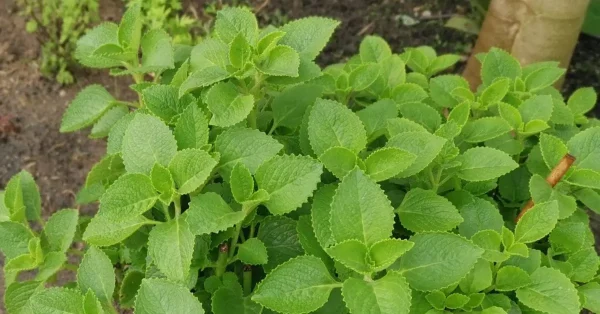
How to Grow Cuban Oregano Plants: A Complete Care Guide
If you’ve ever wanted a plant that combines the culinary punch of traditional oregano with [...]
Aug
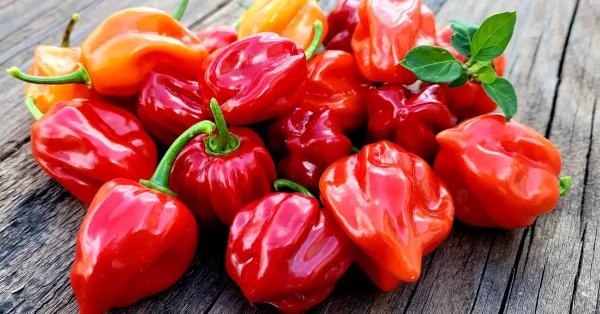
How to Grow Habanero Pepper Plants: A Step-by-Step Guide
Habanero pepper plants are prized for their vibrant colors, intense heat, and exceptional flavor, making [...]
Aug
Reviews
There are no reviews yet.