
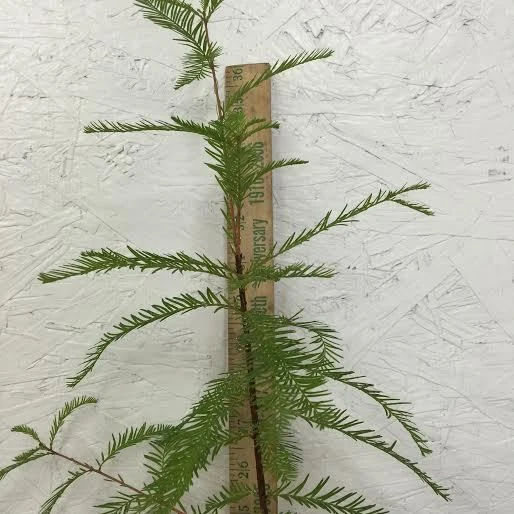
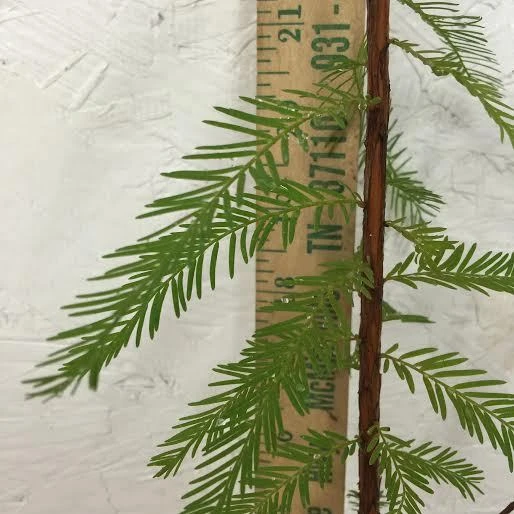
Bald Cypress Tree Live Plant – Quart Pot – Deciduous Conifer – Outdoor
Original price was: $36.70.$20.70Current price is: $20.70.
Bring home a unique bald cypress tree in a convenient quart pot. This distinctive deciduous conifer provides beautiful fall foliage and adapts well to various soil conditions, making it a versatile choice for your landscape. Perfect for adding architectural interest to your garden.
Shipping and Return policies:
We stand behind our plants with our Alive & Thrive Guarantee. If you experience any issues within the first 30 days, please email us, and our team will be happy to help. When needed, we’ll send you a one-time replacement free of charge to make sure your garden keeps growing strong.

Reasonable Price
We offer reasonable price

Support 24/7
Contact us 24 hrs a day
100% Money Back
You’ve 30 days to Return
Payment Secure
100% secure payment
Overview
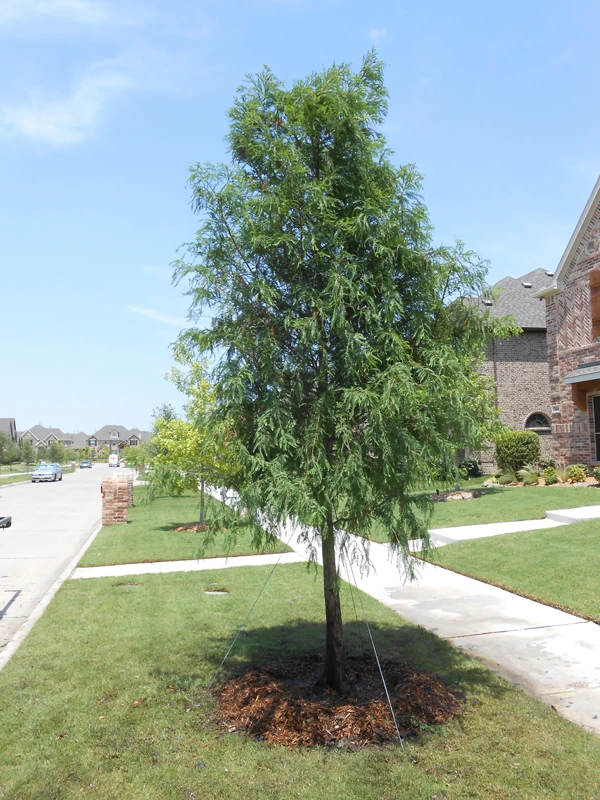
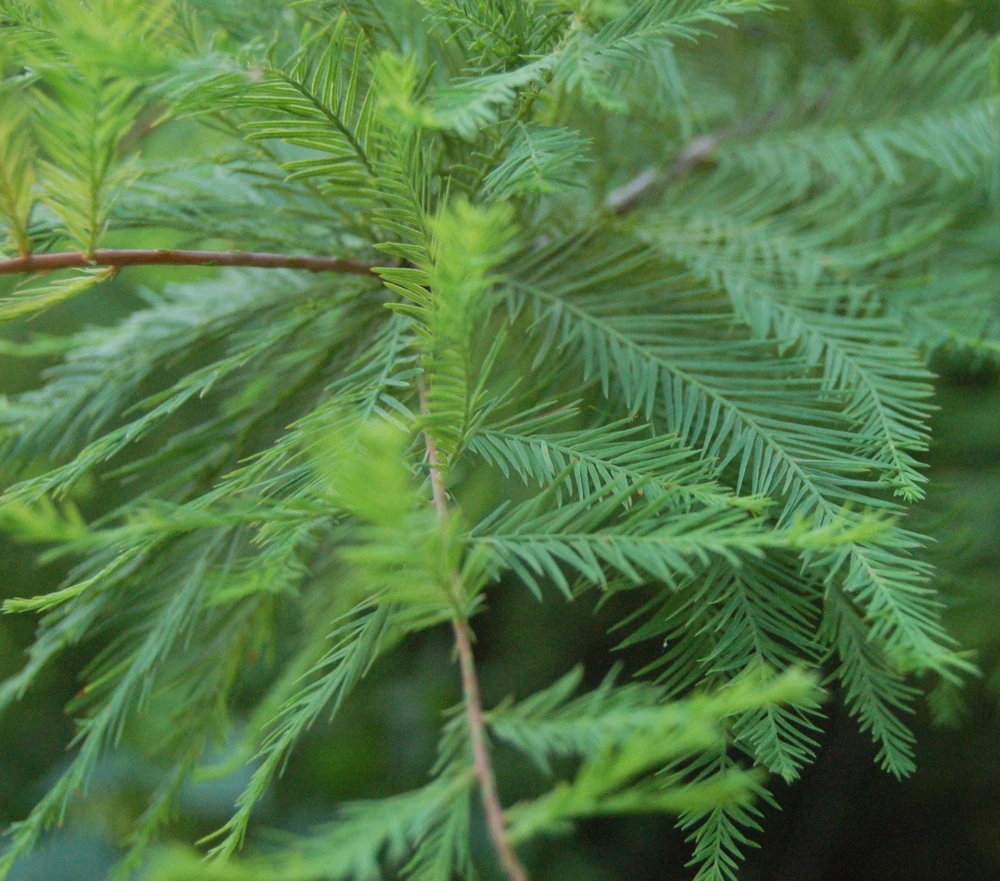
Introduce a touch of natural elegance to your landscape with our bald cypress tree. This remarkable live plant, scientifically known as Taxodium distichum, arrives in a practical quart pot, ready for planting. Unlike most conifers, the bald cypress tree is deciduous, shedding its needles in the fall after a spectacular display of russet and coppery-brown hues. Native to the southeastern United States, this tree is renowned for its adaptability, thriving in both wet and drier conditions once established. Its unique appearance and impressive stature make it a focal point in any garden or naturalized area, offering seasonal interest and a haven for wildlife.
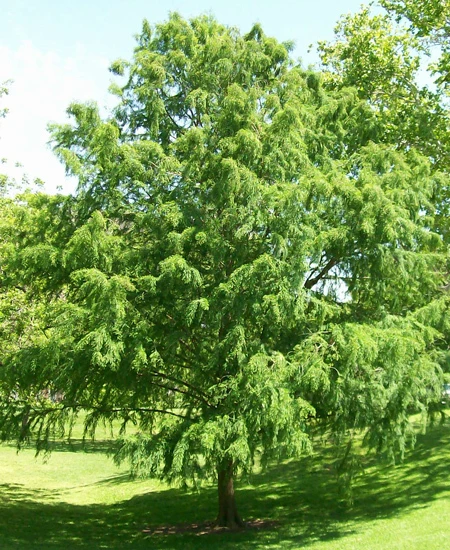
The bald cypress tree is a long-lived species, often reaching impressive heights and developing a broad, stately canopy. It’s a fantastic choice for wetland areas, along streambanks, or as a specimen tree in a large yard. Its distinctive ‘knees’ (pneumatophores) can develop in consistently wet conditions, adding to its unique charm. This robust and resilient tree offers a blend of beauty and ecological benefit, making it a valuable addition to diverse landscapes.
Key Benefits
The bald cypress live plant offers numerous advantages for both aesthetic appeal and environmental contribution. Its unique characteristics set it apart from typical landscape trees, providing year-round interest and ecological value.
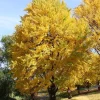
- Stunning Seasonal Color: Enjoy a breathtaking display of russet, orange, and coppery-brown foliage in the autumn before the needles drop, providing a vibrant contrast to evergreen landscapes. The deciduous conifer aspect adds unique appeal.
- Adaptable to Various Soils: Exceptionally tolerant of wet, swampy conditions, but also grows well in average garden soils once established, making it highly versatile for different planting sites.
- Long-Lived and Majestic: Known for its longevity and ability to grow into a grand, stately tree, providing significant shade and a strong vertical element in the landscape for generations.
- Wildlife Habitat: Provides shelter and nesting sites for various bird species, and its seeds are a food source for waterfowl and other wildlife.
- Low Maintenance Once Established: After its initial establishment period, the bald cypress tree requires minimal care, making it an excellent choice for those seeking a resilient and self-sufficient tree.
- Unique ‘Knees’ Formation: In consistently wet environments, it may develop distinctive woody protrusions called ‘knees’ around its base, adding an interesting architectural feature to the landscape.
- Disease and Pest Resistant: Generally resistant to most common diseases and pests, ensuring a healthier and more robust tree with less intervention.
Plant Care & Growing Tips
Caring for your bald cypress tree is relatively straightforward, especially once it has established itself in its new environment. These trees are known for their resilience and adaptability, making them a good choice for various gardeners. For optimal growth, choose a location that receives full sun, meaning at least six hours of direct sunlight per day. While they tolerate partial shade, full sun promotes the best growth and most vibrant fall color. Ensure the planting site has adequate space for the tree to reach its mature size, both in height and spread.
When it comes to watering, young bald cypress live plant specimens require consistent moisture. Water regularly, especially during dry spells, to help establish a strong root system. Once mature, these trees are remarkably drought-tolerant, though they will thrive in consistently moist to wet soils. They are particularly well-suited for areas with poor drainage or near water features. For soil, the taxodium distichum is not particular and will grow in a wide range of soil types, from sandy to heavy clay, and acidic to alkaline. Good drainage is beneficial in non-wetland settings. Fertilization is typically not necessary for established trees, but a balanced slow-release fertilizer can be applied in spring for young trees to encourage growth. Pruning is usually limited to removing dead, damaged, or crossing branches to maintain the tree’s natural form. This deciduous conifer is generally hardy and resistant to most pests and diseases, contributing to its low-maintenance appeal.
Size & Details
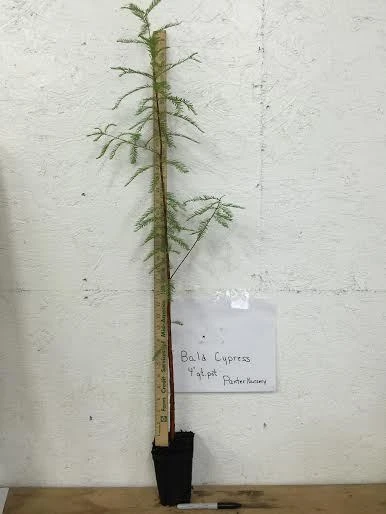
This bald cypress tree is supplied in a convenient quart pot, making it easy to plant and establish in your garden. At this stage, the plant is typically young, allowing it to adapt readily to its new environment. The growth rate of a bald cypress tree is considered medium to fast, often gaining 12-24 inches in height per year under ideal conditions. Mature trees can reach impressive heights of 50-70 feet, with some specimens growing even taller, and develop a spread of 20-30 feet, forming a majestic, pyramidal canopy. When planting, ensure you provide ample space for its future growth.
The bald cypress care routine for young plants involves consistent watering to encourage robust root development. This tree ships as a live, actively growing plant, carefully packaged to ensure its safe arrival. While the exact height at shipping may vary, it will be a healthy young specimen ready to thrive. Expect it to begin developing its characteristic fall color in its first or second year after planting, becoming more pronounced as it matures. The unique beauty of this deciduous conifer will only enhance your landscape over time.
Frequently Asked Questions
- Q: How big does this Bald Cypress tree get? A: A mature bald cypress tree can typically reach heights of 50-70 feet with a spread of 20-30 feet, though some can grow even taller. It’s a large, majestic tree that requires ample space.
- Q: What size pot does it come in? A: This bald cypress live plant is shipped in a quart-sized pot, providing a good start for its journey into your garden.
- Q: Is this an indoor or outdoor plant? A: The bald cypress tree is an outdoor plant. It is a large deciduous tree that thrives in various outdoor landscapes.
- Q: How much sunlight does it need? A: This tree prefers full sun, meaning at least 6 hours of direct sunlight per day, for optimal growth and best fall color. It can tolerate partial shade but may not grow as vigorously.
- Q: Is this plant easy to care for? A: Yes, the bald cypress tree is considered relatively easy to care for, especially once established. It’s adaptable and generally low-maintenance, making bald cypress care manageable for most gardeners.
- Q: What condition will it arrive in? A: Your taxodium distichum will arrive as a healthy, actively growing young plant, carefully packaged to ensure its safe transit and readiness for planting.
- Q: When is the best time to plant a Bald Cypress? A: The best time to plant a bald cypress live plant is in spring or early fall, allowing the roots to establish before extreme summer heat or winter cold.
- Q: Will it survive winter in my zone? A: The bald cypress tree is hardy in USDA Zones 4-10, meaning it can withstand a wide range of winter temperatures across much of the United States.
- Q: What’s unique about this tree compared to other conifers? A: The most unique aspect of this deciduous conifer is that it sheds its needles in the fall after a brilliant display of coppery-brown foliage, unlike most evergreen conifers.
- Q: Does it produce ‘knees’ and what are they for? A: In consistently wet or swampy conditions, the bald cypress tree may produce woody protrusions called ‘knees’ from its roots. While their exact function is debated, they are thought to aid in gas exchange or provide structural support.
Be the first to review “Bald Cypress Tree Live Plant – Quart Pot – Deciduous Conifer – Outdoor”
You must be logged in to post a review.
People also Viewed
Sold 50 products
$32.38
Sold 50 products
$27.38
Sold 50 products
$32.38
Sold 50 products
$19.88
Sold 50 products
$62.38
Sold 50 products
$24.88
Houseplants
Phalaenopsis pulcherrima ‘Mauna Kea Snow’ Orchid Live Plant – White Flowers, Potted 2.5 in
Sold 50 products
$49.88
Sold 50 products
$49.88RELATED posts
Awapuhi Wild Ginger Plant: Zones, Care, and Propagation
Learn which USDA zones suit awapuhi wild ginger, plus sunlight, water, planting, propagation, pests, size, [...]
Awapuhi Shampoo Ginger – Care, Growing Zones, and Differences
Learn how to grow awapuhi (shampoo) ginger, its USDA zones, watering schedule, propagation tips, and [...]
Awapuhi Shampoo Plant Buying Guide – Choose the Right Zingiber zerumbet
META: Learn which awapuhi (shampoo ginger) plant or rhizome pack gives the best natural shampoo, [...]
Awapuhi Plant for Sale: Complete Buying Guide
Find the right awapuhi (shampoo ginger) plant, size, price, soil mix, and online source. Practical [...]
Shampoo Ginger Plant for Sale – Buying Guide & Tips
Find the right shampoo ginger plant, size, price, and care tips. Quick guide for U.S. [...]
Shampoo Ginger Plant (Awapuhi) Care Guide
Learn how to grow, care for, and use shampoo ginger (Zingiber zerumbet), the tropical awapuhi [...]
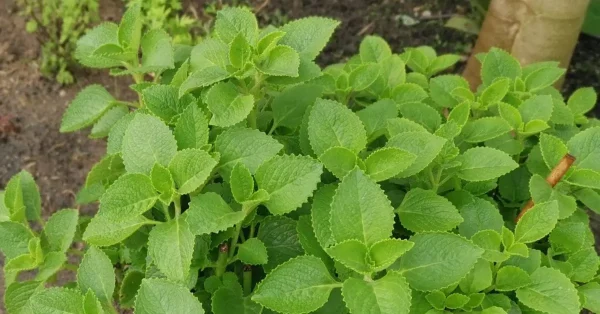
How to Grow Cuban Oregano Plants: A Complete Care Guide
If you’ve ever wanted a plant that combines the culinary punch of traditional oregano with [...]
Aug
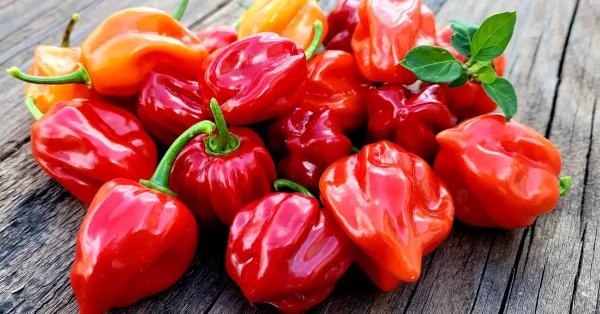
How to Grow Habanero Pepper Plants: A Step-by-Step Guide
Habanero pepper plants are prized for their vibrant colors, intense heat, and exceptional flavor, making [...]
Aug
Reviews
There are no reviews yet.