
Asclepias subulata Rush Milkweed Seeds – 10 Seeds – Desert Milkweed for Pollinators
Original price was: $25.00.$17.50Current price is: $17.50.
Cultivate Asclepias subulata seeds, also known as Rush Milkweed seeds or desert milkweed seeds. These 10 seeds will grow into a vital host plant for monarch butterflies and other pollinators. Ideal for xeriscaping, this drought-tolerant species thrives in arid climates and well-draining soil, adding unique beauty to your garden.
Shipping and Return policies:
We stand behind our plants with our Alive & Thrive Guarantee. If you experience any issues within the first 30 days, please email us, and our team will be happy to help. When needed, we’ll send you a one-time replacement free of charge to make sure your garden keeps growing strong.

Reasonable Price
We offer reasonable price

Support 24/7
Contact us 24 hrs a day
100% Money Back
You’ve 30 days to Return
Payment Secure
100% secure payment
Overview
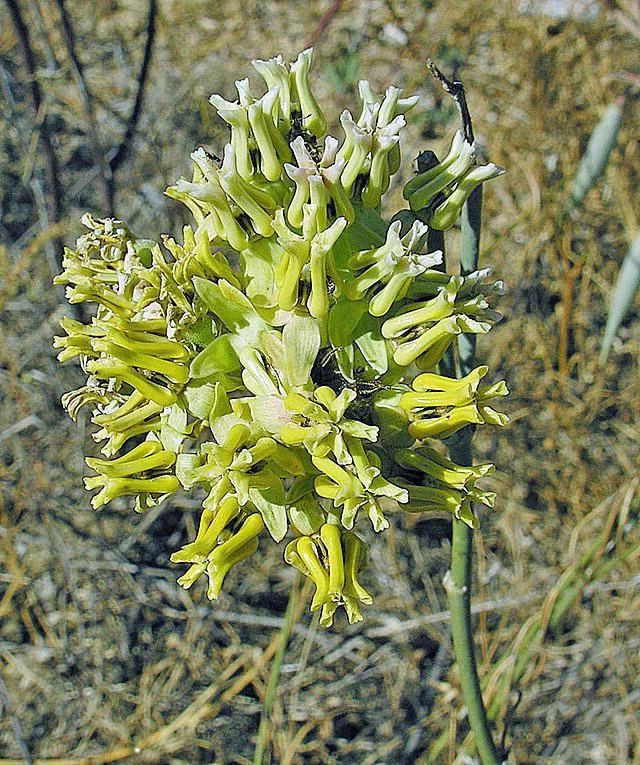
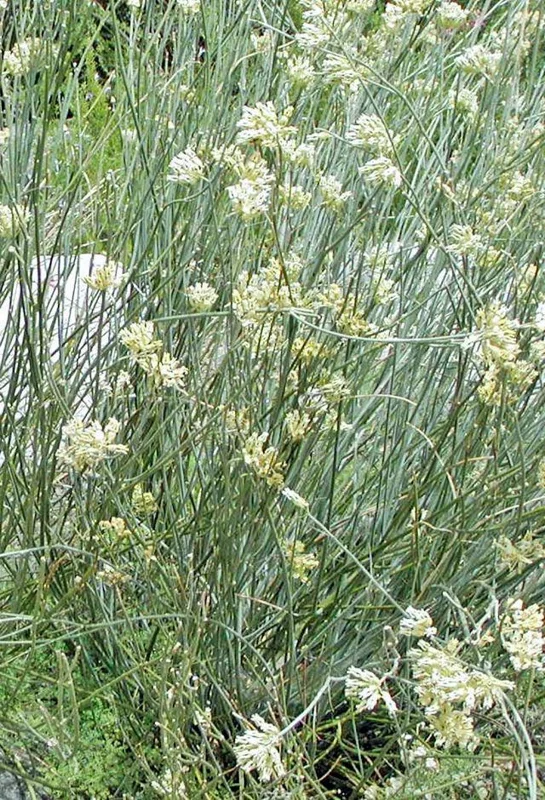
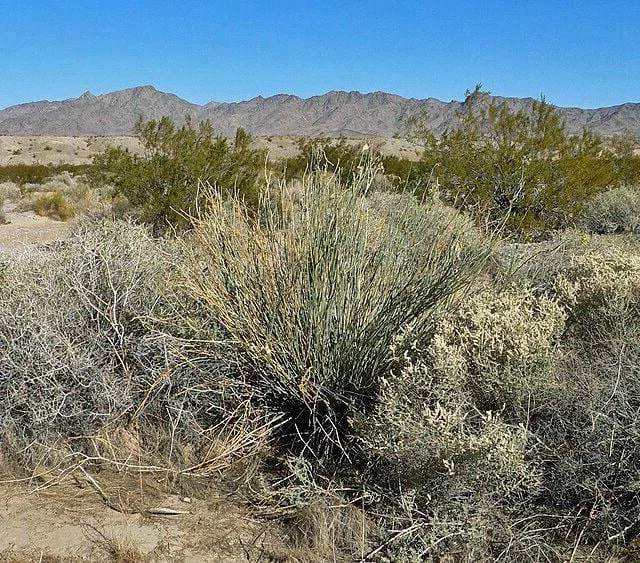
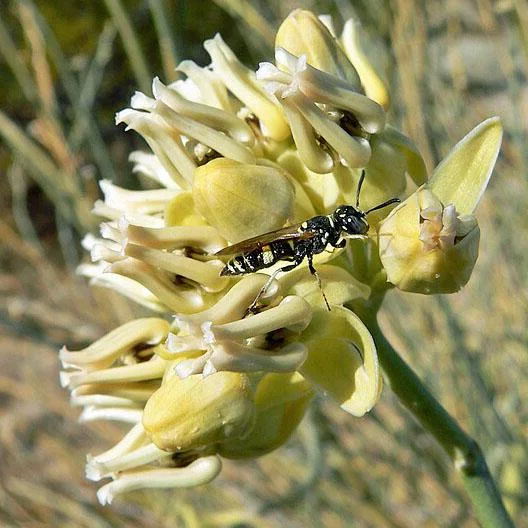
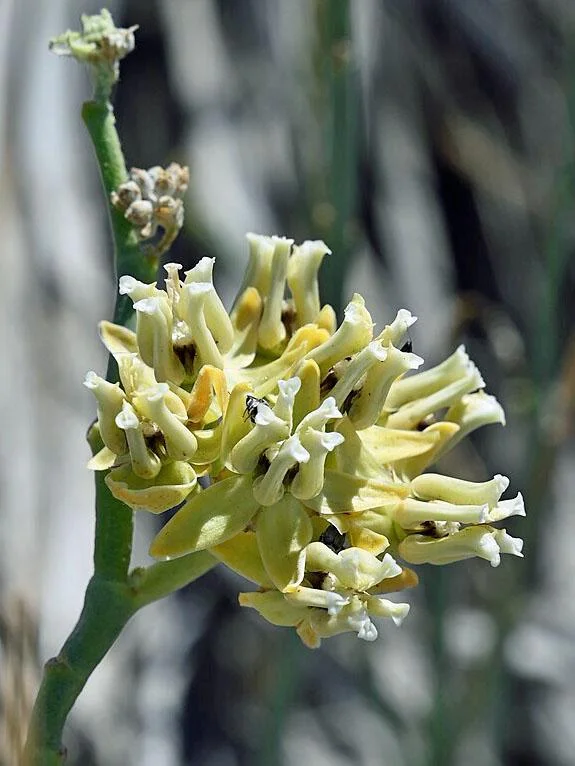
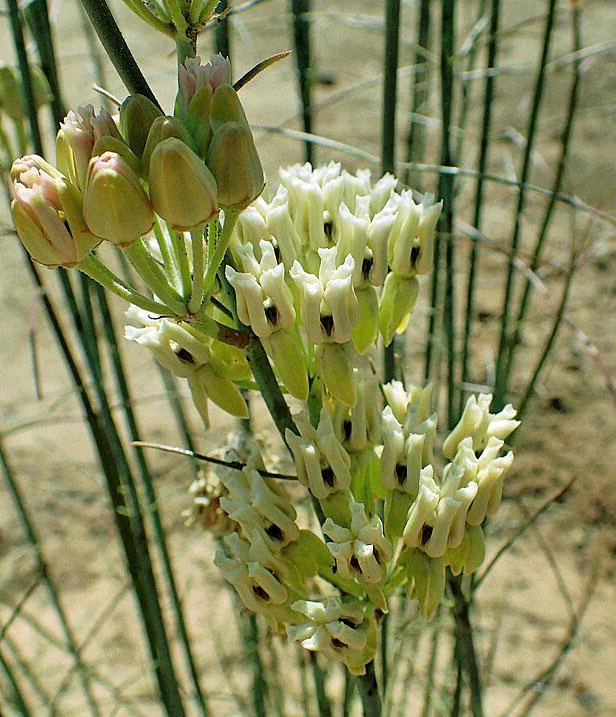
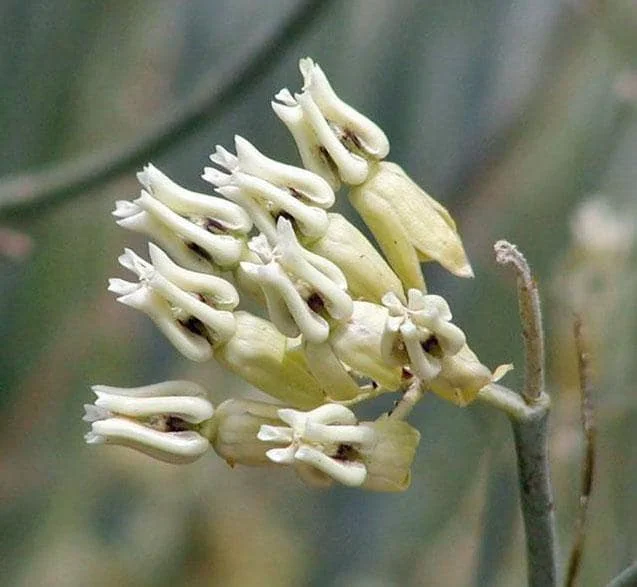
Embark on a rewarding gardening journey by planting Asclepias subulata seeds. Commonly known as Rush Milkweed or Desert Milkweed, this striking perennial is a crucial addition to any pollinator-friendly landscape, particularly for supporting monarch butterfly populations. Originating from the arid regions of the southwestern United States and northern Mexico, Asclepias subulata is perfectly adapted to hot, dry conditions, making it an excellent choice for xeriscaping and low-water gardens. Unlike typical milkweeds, it features unique slender, rush-like gray-green stems that perform most of the plant’s photosynthesis, creating an intriguing architectural form. Its small yet intricate creamy white to pale yellow flowers bloom from spring through fall, attracting a diverse array of beneficial insects and butterflies.
These Rush Milkweed seeds offer the opportunity to cultivate a plant that is not only visually distinctive but also environmentally significant. Growing 3 to 6 feet tall, this leafless milkweed species provides essential larval host plant material for monarch caterpillars, playing a vital role in their life cycle. By planting desert milkweed seeds, you contribute directly to pollinator conservation efforts, creating a thriving habitat in your own backyard. Its resilience and beauty make it a must-have for gardeners looking to combine ecological benefit with striking, low-maintenance flora.
Key Benefits
Cultivating Asclepias subulata seeds offers a multitude of benefits for both your garden and the local ecosystem. These unique plants are celebrated for their ecological importance and their ability to thrive in challenging conditions.
- Monarch Butterfly Habitat: As a primary larval host plant for monarch butterflies, growing Asclepias subulata seeds directly supports their populations, providing crucial food for caterpillars.
- Attracts Pollinators: The creamy white to pale yellow flowers are a magnet for various pollinators, including bees, other butterflies, and beneficial insects, enhancing biodiversity in your garden.
- Exceptional Drought Tolerance: Once established, this drought tolerant seeds variety requires minimal water, making it perfect for water-wise gardening, xeriscapes, and arid climates.
- Unique Architectural Form: Its slender, rush-like gray-green stems create a distinctive, upright aesthetic that adds a unique visual interest to garden beds and naturalized areas.
- Low Maintenance: Adapted to harsh environments, Rush Milkweed seeds grow into plants that are remarkably easy to care for, requiring little intervention once mature.
- Habitat Restoration: Ideal for restoring native habitats in desert ecosystems, contributing to local flora and fauna conservation.
- Extended Bloom Period: Enjoy beautiful clusters of flowers from spring through fall, providing continuous nectar sources for pollinators over several months.
Plant Care & Growing Tips
Growing Asclepias subulata seeds requires specific conditions to ensure successful germination and establishment, particularly due to their need for cold stratification. To begin, the 10 Asclepias subulata seeds should undergo a period of cold stratification for approximately 30 days. This can be achieved by placing them in moist sand or between damp paper towels inside a sealed container or plastic bag, then refrigerating them. This mimics natural winter conditions, breaking dormancy and significantly improving germination rates. After stratification, sow the seeds on the soil surface or cover them lightly with a thin layer of well-draining, sandy or loamy soil, as they require some light for germination. Keep the soil consistently moist but never waterlogged during this phase.
Germination typically occurs within 2 to 6 weeks when soil temperatures are ideally between 70 and 80°F. Once seedlings have emerged and are established, gradually acclimate them to drier conditions. As a desert species, the mature plants thrive with minimal water. For optimal growth, provide full sun exposure, ensuring the plants receive at least 6-8 hours of direct sunlight daily. These plants are highly adaptable to hot climates and are hardy in USDA Zones 9-11. Fertilization is generally not heavily required for this resilient native plant, especially if planted in naturally rich soil. However, a light application of a balanced, slow-release fertilizer in spring can encourage vigorous growth. Watch out for common pests like aphids, which can be managed with organic insecticidal soap if necessary. By following these guidelines, you can successfully cultivate robust desert milkweed seeds into thriving plants.
Size & Details
This product includes 10 Asclepias subulata seeds, ready for you to cultivate into mature plants. Once established, these unique milkweed plants typically reach a height of 3 to 6 feet (approximately 90 to 180 cm), characterized by their distinctive upright, leafless, rush-like gray-green stems. The growth rate is moderate, with plants typically establishing a strong root system in their first year and reaching mature height within 2-3 years. The seeds are shipped in a protective packet, ensuring their viability upon arrival. Expect blooming to occur from spring through fall once the plant has matured, providing a prolonged period of interest and pollinator activity. These plants are well-suited for a variety of garden designs, from xeriscapes to naturalized areas, and are a critical component for creating a vibrant pollinator habitat.
Frequently Asked Questions
- Q: How big does this plant get? A: Asclepias subulata typically grows to a height of 3 to 6 feet tall, forming an upright, slender silhouette with its unique rush-like stems. It develops a strong root system, allowing it to thrive in arid conditions.
- Q: Is this an indoor or outdoor plant? A: Asclepias subulata is primarily an outdoor plant, ideally suited for garden beds, xeriscapes, and naturalized areas in warm, arid climates. It thrives in full sun and is best grown outdoors.
- Q: How much sunlight does it need? A: This plant requires full sun exposure, meaning it needs at least 6 to 8 hours of direct sunlight per day to grow vigorously and produce abundant flowers. Ample sunlight is crucial for healthy development.
- Q: Is this plant easy to care for? A: Once established, Asclepias subulata is considered a very low-maintenance plant, especially due to its exceptional drought tolerance. The main care requirement is proper cold stratification and initial watering for the Asclepias subulata seeds.
- Q: What condition will the seeds arrive in? A: The Asclepias subulata seeds will arrive in a sealed packet, protected to ensure their viability. They are ready for cold stratification and planting upon receipt.
- Q: How long until it blooms? A: After germination and establishment, plants grown from Rush Milkweed seeds typically begin to bloom from spring through fall in their second year, providing a long season of beautiful flowers and pollinator attraction.
- Q: Will it survive winter in my zone? A: Asclepias subulata is hardy in USDA Zones 9-11. In these zones, it is a perennial and will survive winter, returning each spring. In colder zones, it may be grown as an annual or overwintered indoors if conditions allow.
- Q: What kind of soil does it prefer? A: This species thrives in well-draining, sandy, or rocky soils. It is highly adapted to poor, arid soils and does not require rich, fertile ground to flourish. Good drainage is essential to prevent root rot.
- Q: Why is this plant important for monarchs? A: Asclepias subulata is a critical larval host plant for monarch butterflies. Female monarchs lay their eggs exclusively on milkweed species, and the caterpillars feed on the leaves, making it essential for their survival and life cycle.
- Q: Do the flowers have a scent? A: The flowers of Asclepias subulata are small and produce a mild, subtle fragrance that is attractive to pollinators but not typically strong enough to be noticeable to humans from a distance.
Be the first to review “Asclepias subulata Rush Milkweed Seeds – 10 Seeds – Desert Milkweed for Pollinators”
You must be logged in to post a review.
People also Viewed

Sold 50 products
Original price was: $109.95.$79.98Current price is: $79.98.
Sold 50 products
Original price was: $25.00.$17.50Current price is: $17.50.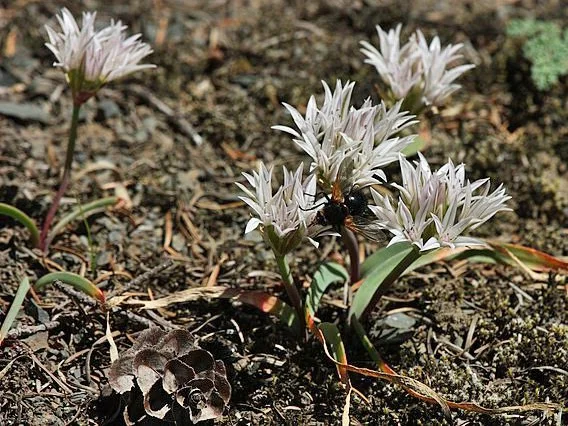
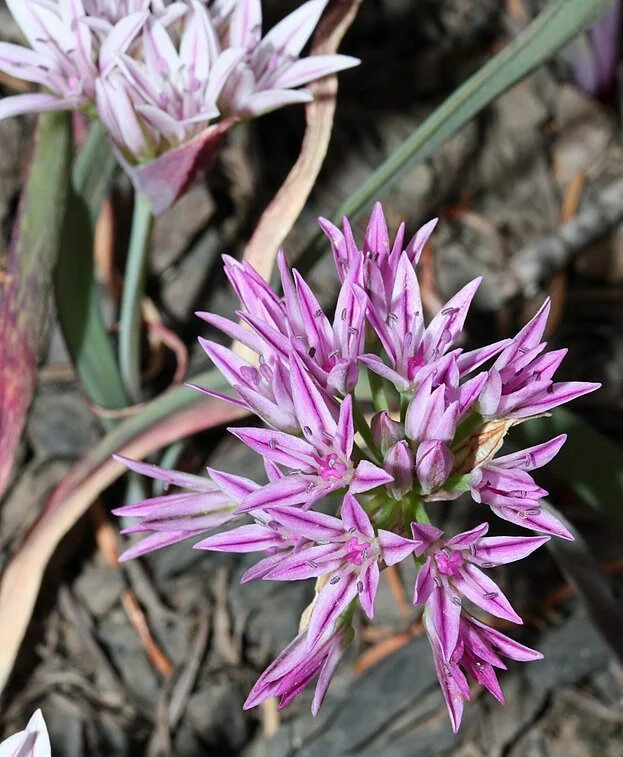
Flower Seeds
Olympic Onion Seeds – Allium crenulatum Flower Seeds – 10 Seed Pack – Outdoor Native Plant
Sold 50 products
Original price was: $25.00.$17.50Current price is: $17.50.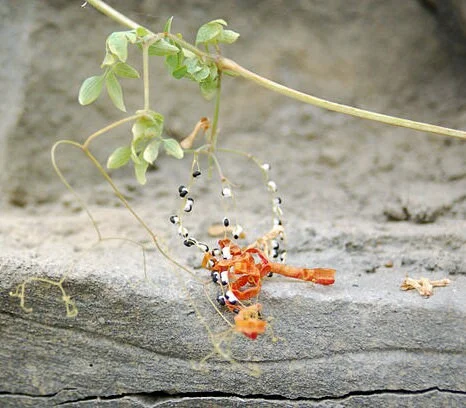
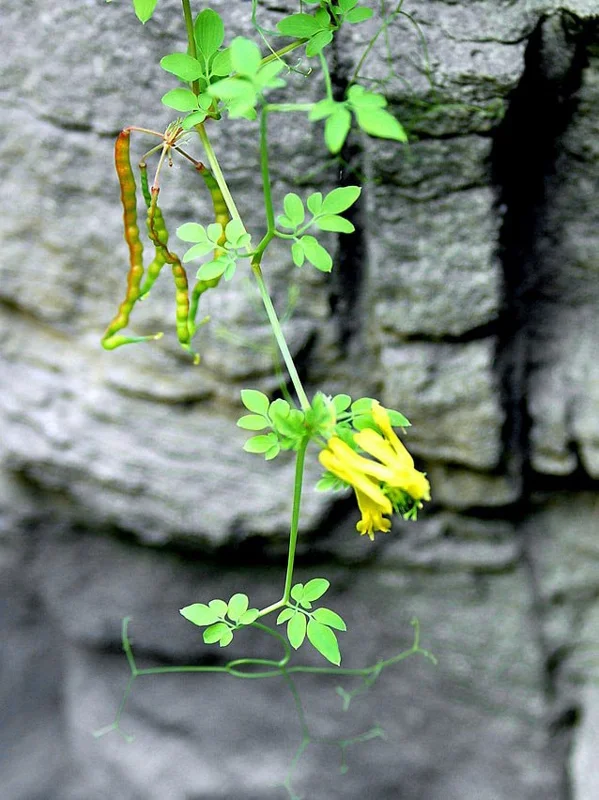
Sold 50 products
Original price was: $25.00.$17.50Current price is: $17.50.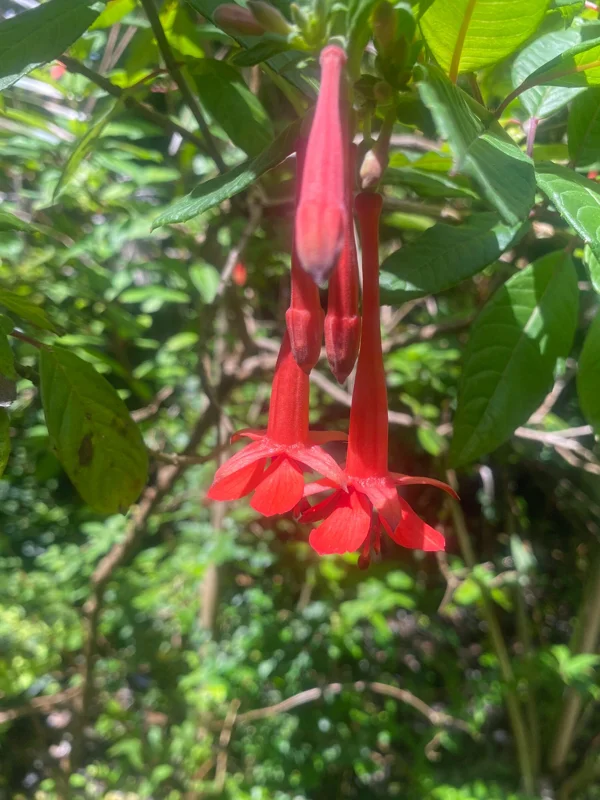
Flower Seeds
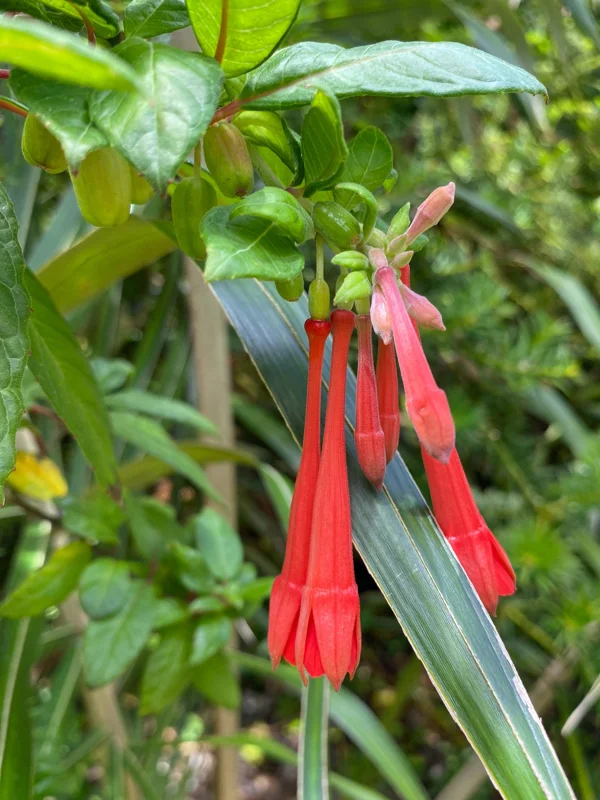
Fuchsia vulcanica Seeds – 20 Pack – Vibrant Orange Coral Flowers for Garden & Containers
Sold 50 products
Original price was: $25.00.$17.50Current price is: $17.50.
Sold 50 products
Original price was: $116.98.$95.68Current price is: $95.68.
Sold 50 products
Original price was: $21.00.$14.10Current price is: $14.10.
Aquatic Plant Seeds
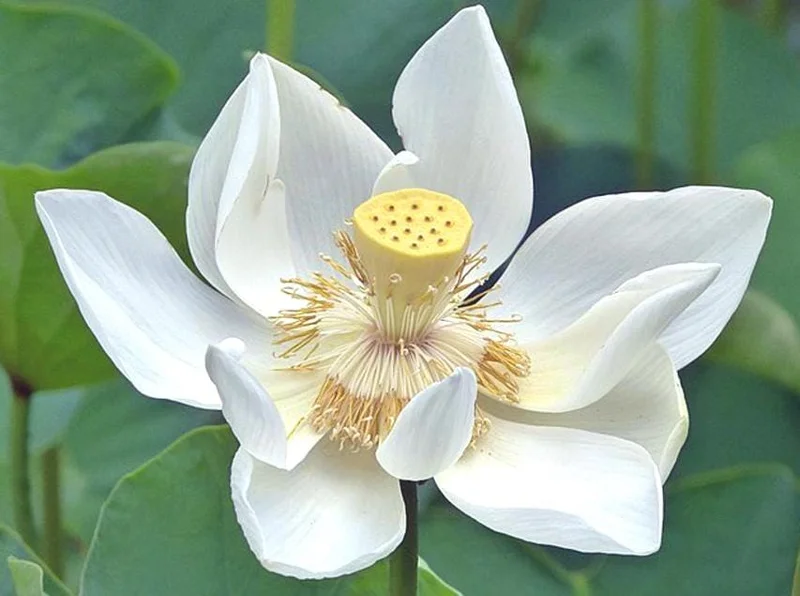
White Lotus Seeds – Nelumbo Nucifera Aquatic Pond Plant – 5 Seeds for Water Garden
Sold 50 products
Original price was: $29.00.$20.90Current price is: $20.90.RELATED posts
Awapuhi Wild Ginger Plant: Zones, Care, and Propagation
Learn which USDA zones suit awapuhi wild ginger, plus sunlight, water, planting, propagation, pests, size, [...]
Awapuhi Shampoo Ginger – Care, Growing Zones, and Differences
Learn how to grow awapuhi (shampoo) ginger, its USDA zones, watering schedule, propagation tips, and [...]
Awapuhi Shampoo Plant Buying Guide – Choose the Right Zingiber zerumbet
META: Learn which awapuhi (shampoo ginger) plant or rhizome pack gives the best natural shampoo, [...]
Awapuhi Plant for Sale: Complete Buying Guide
Find the right awapuhi (shampoo ginger) plant, size, price, soil mix, and online source. Practical [...]
Shampoo Ginger Plant for Sale – Buying Guide & Tips
Find the right shampoo ginger plant, size, price, and care tips. Quick guide for U.S. [...]
Shampoo Ginger Plant (Awapuhi) Care Guide
Learn how to grow, care for, and use shampoo ginger (Zingiber zerumbet), the tropical awapuhi [...]
How to Grow Cuban Oregano Plants: A Complete Care Guide
If you’ve ever wanted a plant that combines the culinary punch of traditional oregano with [...]
Aug

How to Grow Habanero Pepper Plants: A Step-by-Step Guide
Habanero pepper plants are prized for their vibrant colors, intense heat, and exceptional flavor, making [...]
Aug

Reviews
There are no reviews yet.