

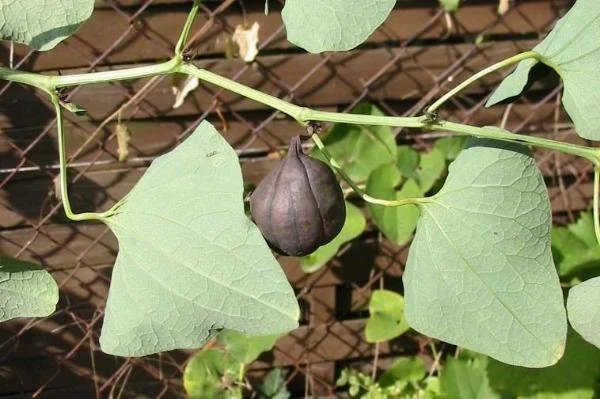
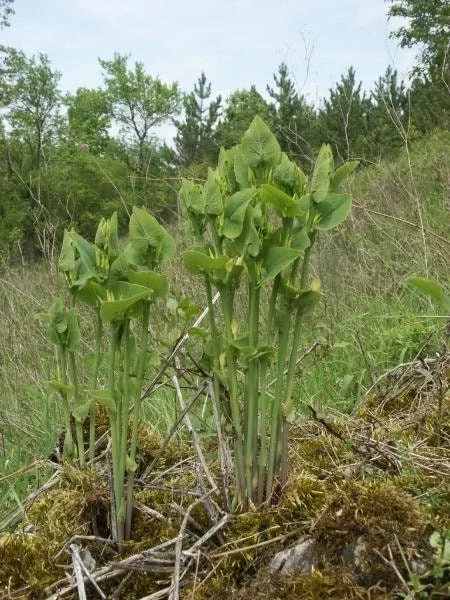
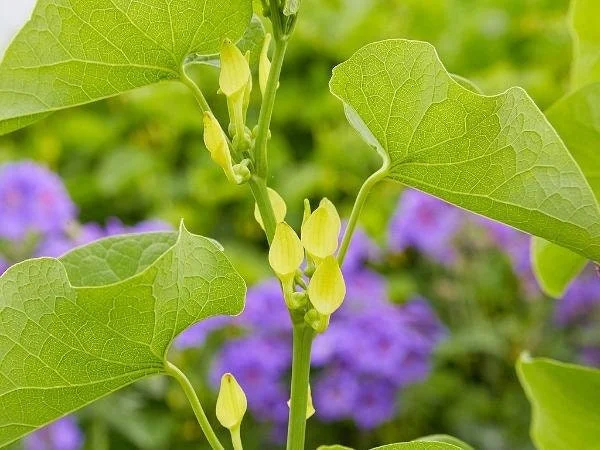
Aristolochia clematitis Seeds – European Birthwort – 10 Seed Pack – Outdoor Vine
Original price was: $23.00.$15.80Current price is: $15.80.
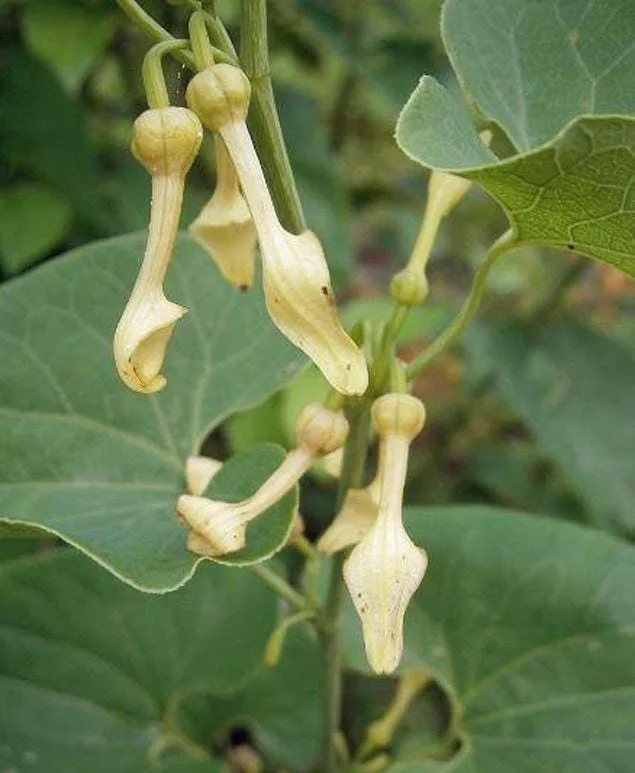
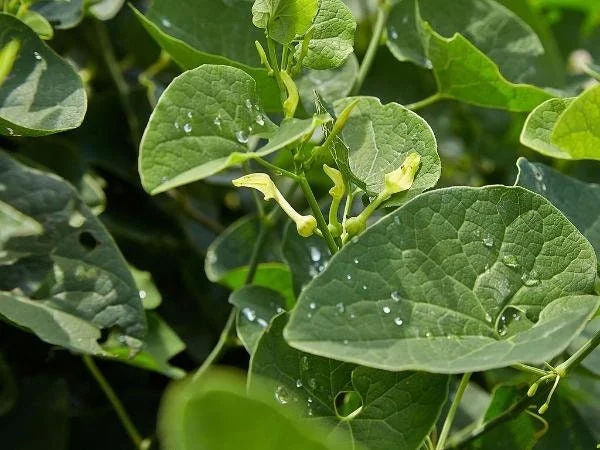
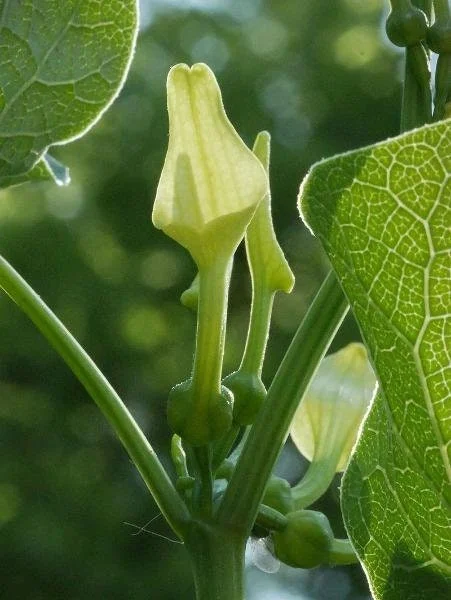
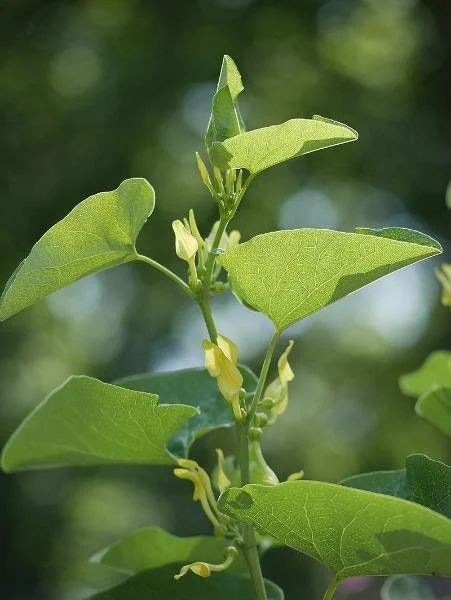
Cultivate the intriguing Aristolochia clematitis seeds, also known as European Birthwort seeds. This captivating herbaceous perennial vine offers unique tubular flowers and heart-shaped foliage, reaching up to 6 feet. Ideal for gardens interested in botany and herbalism, these unusual vine seeds are suited for outdoor planting in Zones 5-9.
Shipping and Return policies:
We stand behind our plants with our Alive & Thrive Guarantee. If you experience any issues within the first 30 days, please email us, and our team will be happy to help. When needed, we’ll send you a one-time replacement free of charge to make sure your garden keeps growing strong.

Reasonable Price
We offer reasonable price

Support 24/7
Contact us 24 hrs a day
100% Money Back
You’ve 30 days to Return
Payment Secure
100% secure payment
Overview
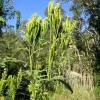
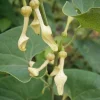
Embark on a botanical journey by growing Aristolochia clematitis seeds, commonly known as European Birthwort. This captivating herbaceous perennial vine is a remarkable addition to any garden seeking unique and historically significant flora. With its distinctive heart-shaped leaves and unusual tubular flowers, often resembling a birth canal, Aristolochia clematitis presents a fascinating visual appeal. Native to Europe, this climbing plant can reach impressive heights of up to 6 feet, making it an excellent choice for trellises, fences, or naturalizing in a woodland setting. Ideal for gardeners interested in botany, herbalism, or simply cultivating something out of the ordinary, these European Birthwort seeds offer a rewarding growing experience.
The allure of Aristolochia clematitis extends beyond its peculiar beauty. Its presence in a garden sparks conversation and provides an educational focal point. Growing from seed allows you to witness the entire life cycle of this intriguing plant, from tiny embryo to mature vine. These Aristolochia clematitis seeds are perfect for those who appreciate the subtle charm and historical depth that certain plants bring to a landscape. Prepare to be enchanted by the unfolding beauty of this robust and resilient perennial.
Key Benefits
Cultivating Aristolochia clematitis seeds offers a range of unique benefits for your garden and personal enjoyment. This plant provides exceptional visual interest and contributes to ecological diversity.
- Unique Ornamental Value: The striking tubular flowers and bold heart-shaped leaves of Aristolochia clematitis create an undeniable focal point in any garden. Its unusual form ensures it stands out from more conventional plantings, adding an exotic touch.
- Historical and Botanical Significance: With a rich history intertwined with traditional herbalism and folklore, the European Birthwort offers more than just beauty. It connects your garden to centuries of botanical study and cultural narratives, making it a living piece of history.
- Attracts Pollinators: While its flowers are unique, they can still attract specific pollinators, contributing to the biodiversity of your garden ecosystem. This makes Aristolochia clematitis a beneficial addition for supporting local wildlife.
- Low Maintenance Perennial: Once established, this vine is relatively low maintenance. It’s a hardy perennial that returns year after year, providing continuous beauty with minimal effort, making growing Aristolochia clematitis a sustainable choice.
- Versatile Climbing Habit: Its ability to climb makes it ideal for covering unsightly structures, creating green walls, or adding vertical interest to your garden. It can be trained on various supports, offering flexibility in garden design.
- Drought Tolerance: Once established, Aristolochia clematitis exhibits good drought tolerance, reducing the need for frequent watering, especially in suitable climates. This makes it a water-wise choice for many gardeners.
- Adds Texture and Depth: The large, distinctively shaped leaves provide excellent texture, adding depth and contrast to plantings with finer foliage. This enhances the overall visual richness of your garden landscape.
Plant Care & Growing Tips
Successful germination of Aristolochia clematitis seeds and subsequent growth requires attention to specific conditions. Begin by preparing a seed starting tray or small pots with a well-draining seed starting mix, such as a blend of peat moss and perlite. Ensure the soil is consistently moist but never waterlogged. Since Aristolochia clematitis seeds possess a hard outer coat, scarification is highly beneficial to enhance germination rates. Lightly nick or scratch the seed coat using fine-grit sandpaper or a sharp knife. Following scarification, soak the seeds in room temperature water for 24 hours to further soften the coat, which aids in the germination process.
After scarification and soaking, sow the European Birthwort seeds evenly over the surface of the prepared soil and gently press them in with your fingertips. Cover them with a thin layer of soil. Place the trays or pots in a warm location that receives indirect sunlight, maintaining a consistent temperature between 70-80°F (21-27°C). It’s crucial to keep the soil consistently moist but not waterlogged; misting regularly or using a gentle watering can is recommended. Germination typically occurs within 2-8 weeks, but patience is key when growing Aristolochia clematitis. Once seedlings emerge, provide adequate spacing if growing in trays, or transplant them into individual pots when they have developed a few sets of true leaves. Continue to provide proper watering, light, and nutrients as the seedlings mature into robust birthwort plant care specimens. For outdoor planting, ensure well-draining soil and a location with partial shade, especially in hotter climates, to protect the delicate young plants.
Size & Details
This offering includes 10 Aristolochia clematitis seeds, carefully packaged to ensure viability. Each seed holds the potential to grow into a captivating herbaceous perennial vine. When mature, Aristolochia clematitis typically reaches a height of up to 6 feet, making it an excellent choice for vertical gardening or as a vigorous groundcover if left unsupported. The growth rate is moderate, allowing for noticeable development within the first growing season after successful germination. The plant develops heart-shaped leaves that can be quite large, contributing to a lush, full appearance.
These unusual vine seeds are best started indoors in late winter or early spring for transplanting outdoors after the last frost. They will arrive as dried seeds, requiring the scarification and soaking process detailed in the care instructions to maximize germination success. Expect the first blooms to appear in the second or third year after planting, typically in late spring to early summer. The seeds are suitable for planting in USDA hardiness zones 5 through 9, thriving in a range of temperate climates. Once established, the plant forms a robust root system, ensuring its return each year.
Frequently Asked Questions
- Q: How big does this plant get? A: Aristolochia clematitis is a climbing vine that can reach heights of up to 6 feet when mature. Its growth can be managed through pruning or by providing adequate support for it to ascend.
- Q: Is this an indoor or outdoor plant? A: This plant is primarily an outdoor perennial vine. It thrives in garden settings, particularly in USDA Zones 5-9, where it can climb and spread naturally.
- Q: How much sunlight does it need? A: European Birthwort prefers partial shade, especially in areas with hot afternoon sun. It can tolerate full sun in cooler climates, but consistently moist soil is crucial to prevent scorching.
- Q: Is this plant easy to care for? Is it good for beginners? A: While the germination of Aristolochia clematitis seeds requires specific steps like scarification and soaking, the mature plant is relatively low maintenance once established. It can be a rewarding project for beginners willing to follow the detailed care instructions.
- Q: What condition will the seeds arrive in? A: You will receive 10 Aristolochia clematitis seeds in a dry, dormant state, ready for you to begin the scarification and soaking process before planting.
- Q: How long until it blooms? A: Typically, Aristolochia clematitis will begin to bloom in its second or third year after planting from seed. The unique tubular flowers usually appear in late spring to early summer.
- Q: What’s the best time to plant these seeds? A: For best results, start the Aristolochia clematitis seeds indoors in late winter or early spring, about 6-8 weeks before your last expected frost date. This gives the seedlings a head start before transplanting outdoors.
- Q: Will it survive winter in my zone? A: Yes, Aristolochia clematitis is hardy in USDA Zones 5-9. In these zones, it will die back to the ground in winter and re-emerge vigorously in the spring.
- Q: What soil type does it prefer? A: This plant thrives in well-draining soil. A rich, loamy soil amended with organic matter is ideal, but it can tolerate a range of soil types as long as drainage is good.
- Q: Can I grow this plant in a container? A: While primarily a garden plant, growing Aristolochia clematitis in a large container with adequate drainage is possible, especially if you provide a sturdy trellis or support for its climbing habit. Ensure the container is large enough to accommodate its root system.
Be the first to review “Aristolochia clematitis Seeds – European Birthwort – 10 Seed Pack – Outdoor Vine”
You must be logged in to post a review.
People also Viewed


Sold 50 products
Original price was: $109.95.$79.98Current price is: $79.98.

Sold 50 products
Original price was: $25.00.$17.50Current price is: $17.50.

Flower Seeds
Olympic Onion Seeds – Allium crenulatum Flower Seeds – 10 Seed Pack – Outdoor Native Plant
Sold 50 products
Original price was: $25.00.$17.50Current price is: $17.50.

Sold 50 products
Original price was: $25.00.$17.50Current price is: $17.50.

Flower Seeds
Fuchsia vulcanica Seeds – 20 Pack – Vibrant Orange Coral Flowers for Garden & Containers
Sold 50 products
Original price was: $25.00.$17.50Current price is: $17.50.

Sold 50 products
Original price was: $116.98.$95.68Current price is: $95.68.

Sold 50 products
Original price was: $21.00.$14.10Current price is: $14.10.

Aquatic Plant Seeds
White Lotus Seeds – Nelumbo Nucifera Aquatic Pond Plant – 5 Seeds for Water Garden
Sold 50 products
Original price was: $29.00.$20.90Current price is: $20.90.RELATED posts
Awapuhi Wild Ginger Plant: Zones, Care, and Propagation
Learn which USDA zones suit awapuhi wild ginger, plus sunlight, water, planting, propagation, pests, size, [...]
Awapuhi Shampoo Ginger – Care, Growing Zones, and Differences
Learn how to grow awapuhi (shampoo) ginger, its USDA zones, watering schedule, propagation tips, and [...]
Awapuhi Shampoo Plant Buying Guide – Choose the Right Zingiber zerumbet
META: Learn which awapuhi (shampoo ginger) plant or rhizome pack gives the best natural shampoo, [...]
Awapuhi Plant for Sale: Complete Buying Guide
Find the right awapuhi (shampoo ginger) plant, size, price, soil mix, and online source. Practical [...]
Shampoo Ginger Plant for Sale – Buying Guide & Tips
Find the right shampoo ginger plant, size, price, and care tips. Quick guide for U.S. [...]
Shampoo Ginger Plant (Awapuhi) Care Guide
Learn how to grow, care for, and use shampoo ginger (Zingiber zerumbet), the tropical awapuhi [...]

How to Grow Cuban Oregano Plants: A Complete Care Guide
If you’ve ever wanted a plant that combines the culinary punch of traditional oregano with [...]
Aug

How to Grow Habanero Pepper Plants: A Step-by-Step Guide
Habanero pepper plants are prized for their vibrant colors, intense heat, and exceptional flavor, making [...]
Aug
Reviews
There are no reviews yet.