
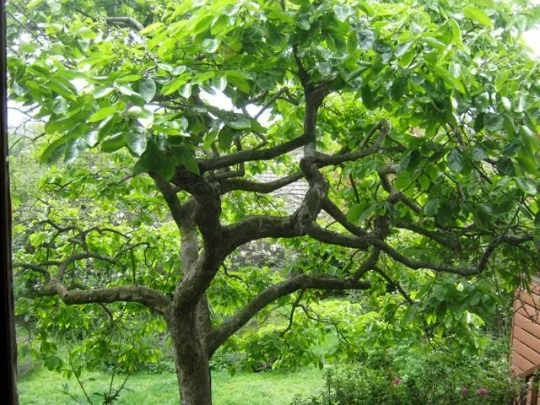
American Persimmon Tree Live Plant – Quart Pot – Diospyros virginiana – Outdoor Fruit Tree
Original price was: $36.70.$20.70Current price is: $20.70.
Cultivate your own sweet fruit with this American Persimmon tree, a robust and native deciduous plant. Arriving in a convenient quart pot, this young persimmon fruit tree is ready for planting in your outdoor garden, providing seasonal interest and delicious, unique fruit. It’s a low-maintenance choice for edible landscaping.
Shipping and Return policies:
We stand behind our plants with our Alive & Thrive Guarantee. If you experience any issues within the first 30 days, please email us, and our team will be happy to help. When needed, we’ll send you a one-time replacement free of charge to make sure your garden keeps growing strong.

Reasonable Price
We offer reasonable price

Support 24/7
Contact us 24 hrs a day
100% Money Back
You’ve 30 days to Return
Payment Secure
100% secure payment
Overview
Bring the taste of authentic American heritage to your garden with this beautiful American Persimmon tree (Diospyros virginiana). This live plant, provided in a quart pot, is a fantastic addition for anyone looking to grow their own delicious and unique fruit. Known for its adaptability and hardiness, the American Persimmon tree is a native species that thrives in a variety of climates across the United States. Unlike its Asian counterparts, the American persimmon offers a distinct, rich flavor once fully ripe, making it a highly sought-after fruit for fresh eating, baking, and preserves. This deciduous tree also offers ornamental value with its attractive foliage and interesting bark, providing year-round interest in your landscape. Planting an American Persimmon tree not only provides you with a bountiful harvest but also supports local ecosystems by offering food and habitat for wildlife.
Key Benefits
The American Persimmon tree offers a multitude of advantages for the home gardener, blending ornamental beauty with practical benefits. Its ease of care and delicious fruit make it a standout choice.
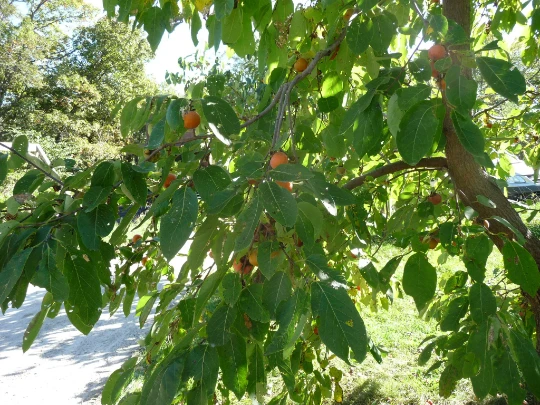
- Delicious, Unique Fruit: Enjoy sweet, flavorful persimmons directly from your garden. These native fruits are perfect for eating fresh, making jams, pies, or dehydrating. The unique flavor profile is a true taste of Americana.
- Hardy and Adaptable: This tree is incredibly resilient, tolerating a wide range of soil conditions and climates once established. It’s a low-maintenance choice that can withstand various environmental stressors, making it ideal for many growers.
- Native Ecosystem Support: By planting a Diospyros virginiana, you contribute to local biodiversity. Persimmon trees provide food for birds, deer, and other wildlife, enhancing the ecological value of your property.
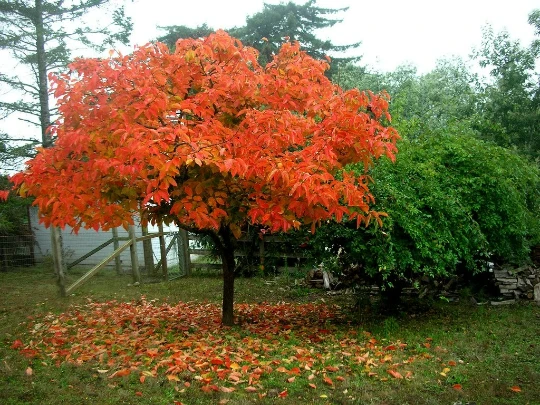
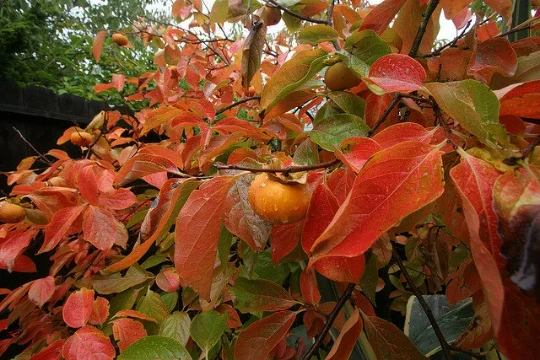
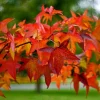
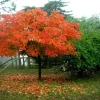
- Ornamental Appeal: Beyond its fruit, the American Persimmon tree offers aesthetic value with its attractive green leaves that turn yellow-orange in the fall, and distinctive blocky bark that adds winter interest.
- Long-Term Investment: A well-cared-for persimmon tree can produce fruit for many decades, offering a sustainable source of delicious produce and a lasting legacy in your landscape.
- Drought Tolerance: Once established, this hardy fruit tree exhibits good drought tolerance, reducing the need for constant irrigation in drier periods.
- Pest and Disease Resistance: Generally, the native persimmon plant is quite resistant to common pests and diseases, requiring less intervention than many other fruit trees.
Plant Care & Growing Tips
Caring for your American Persimmon tree is relatively straightforward, making it a rewarding experience for gardeners of all levels. Proper site selection and initial care will ensure a healthy, productive tree for years to come. These trees thrive in full sun, meaning they need at least 6-8 hours of direct sunlight per day to produce the best fruit. While they can tolerate partial shade, fruit production may be reduced.
When it comes to watering, young Diospyros virginiana trees require regular moisture to establish a strong root system. Water deeply once or twice a week, especially during dry spells, for the first year or two. Once established, they are quite drought-tolerant and may only need supplemental watering during extended dry periods. They prefer well-draining soil but are adaptable to various soil types, including clay, loam, and sandy soils, as long as they don’t remain waterlogged. A slightly acidic to neutral pH (6.0-7.0) is ideal. Fertilize sparingly; a balanced slow-release fertilizer in early spring can be beneficial for young trees, but mature trees often require little to no fertilization if planted in reasonably fertile soil. Pruning should focus on removing dead, damaged, or crossing branches to maintain good air circulation and shape, typically done in late winter or early spring before new growth begins. The persimmon fruit tree is generally hardy in USDA Zones 4-9.
Size & Details
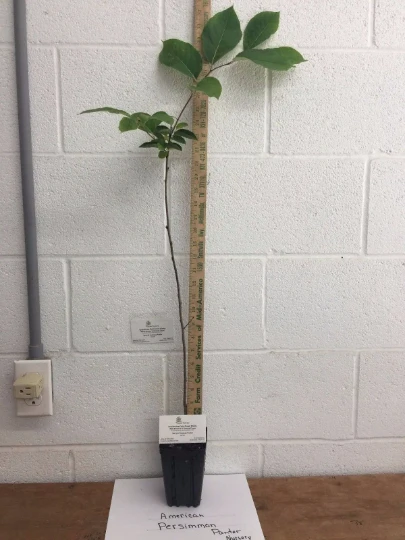
This American Persimmon tree is supplied as a young live plant in a quart-sized container, which is approximately a 4-inch nursery pot. At the time of shipping, the plant will typically be 6-12 inches tall, depending on its growth stage and the time of year. This size is ideal for transplanting, allowing the tree to establish quickly in its new environment. The native persimmon plant has a moderate growth rate, typically adding 1-2 feet of height per year under optimal conditions. Mature trees can reach heights of 30-60 feet with a spread of 20-35 feet, forming a rounded crown. It is a deciduous tree, meaning it will lose its leaves in the fall and enter dormancy during winter. Fruit production typically begins 5-10 years after planting, with peak production occurring in mature trees. The fruit ripens in the fall, usually after the first few frosts, which helps to sweeten and soften them.
Frequently Asked Questions
- Q: How big does this plant get? A: This American Persimmon tree is shipped in a quart pot and is typically 6-12 inches tall. Mature trees can reach an impressive height of 30-60 feet with a spread of 20-35 feet, so ensure you have adequate space for its mature size.
- Q: Is this an indoor or outdoor plant? A: The American Persimmon tree is an outdoor plant. It is a deciduous fruit tree that requires full sun and cold dormancy to thrive and produce fruit. It cannot be grown as a houseplant.
- Q: How much sunlight does it need? A: This tree requires full sun, meaning at least 6-8 hours of direct sunlight per day. Adequate sunlight is crucial for healthy growth and optimal fruit production for your persimmon fruit tree.
- Q: Is this plant easy to care for? A: Yes, the American Persimmon tree is considered relatively easy to care for once established. It is hardy, adaptable to various soils, and generally resistant to pests and diseases, making it suitable for beginners.
- Q: What condition will it arrive in? A: Your Diospyros virginiana will arrive as a healthy, live plant in a quart pot, securely packaged to minimize stress during transit. It will be ready for planting upon arrival.
- Q: How long until it produces fruit? A: An American Persimmon tree typically starts producing fruit within 5-10 years after planting. Fruit production will increase as the tree matures, offering bountiful harvests.
- Q: Will it survive winter in my zone? A: This hardy fruit tree is well-suited for USDA Hardiness Zones 4-9. If you are within these zones, your tree should successfully overwinter and thrive.
- Q: What is the best time to plant an American Persimmon tree? A: The best time to plant your American Persimmon tree is in early spring or fall when temperatures are moderate. This allows the tree to establish its root system before extreme heat or cold.
- Q: Does it need another tree to pollinate? A: While some American persimmon varieties are self-fertile, others may require a male and female tree for optimal fruit production. Planting two or more trees generally increases fruit yield.
- Q: What kind of soil does it prefer? A: The native persimmon plant is quite adaptable but prefers well-draining soil. It can tolerate a range of soil types from sandy to clay, with a slightly acidic to neutral pH.
Be the first to review “American Persimmon Tree Live Plant – Quart Pot – Diospyros virginiana – Outdoor Fruit Tree”
You must be logged in to post a review.
People also Viewed
Sold 50 products
$32.38
Sold 50 products
$27.38
Sold 50 products
$32.38
Sold 50 products
$19.88
Sold 50 products
$62.38
Sold 50 products
$24.88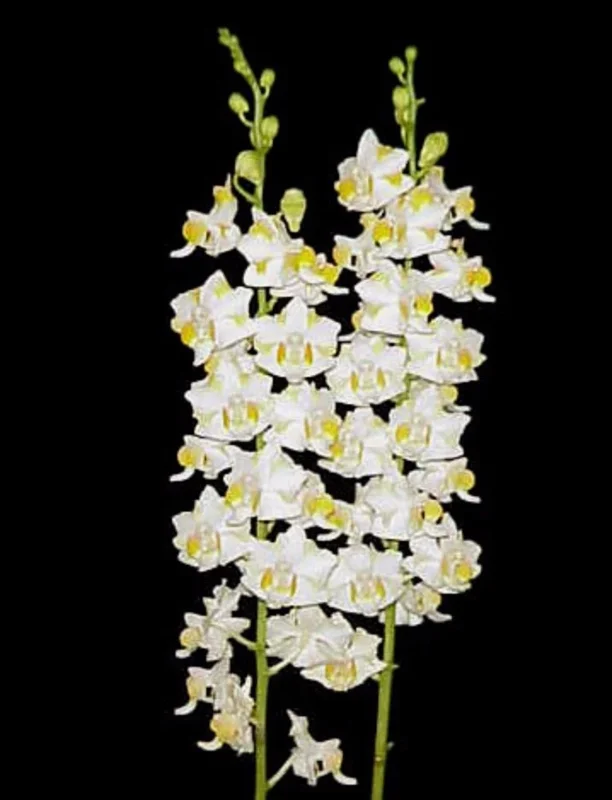
Houseplants
Phalaenopsis pulcherrima ‘Mauna Kea Snow’ Orchid Live Plant – White Flowers, Potted 2.5 in
Sold 50 products
$49.88
Sold 50 products
$49.88RELATED posts
Awapuhi Wild Ginger Plant: Zones, Care, and Propagation
Learn which USDA zones suit awapuhi wild ginger, plus sunlight, water, planting, propagation, pests, size, [...]
Awapuhi Shampoo Ginger – Care, Growing Zones, and Differences
Learn how to grow awapuhi (shampoo) ginger, its USDA zones, watering schedule, propagation tips, and [...]
Awapuhi Shampoo Plant Buying Guide – Choose the Right Zingiber zerumbet
META: Learn which awapuhi (shampoo ginger) plant or rhizome pack gives the best natural shampoo, [...]
Awapuhi Plant for Sale: Complete Buying Guide
Find the right awapuhi (shampoo ginger) plant, size, price, soil mix, and online source. Practical [...]
Shampoo Ginger Plant for Sale – Buying Guide & Tips
Find the right shampoo ginger plant, size, price, and care tips. Quick guide for U.S. [...]
Shampoo Ginger Plant (Awapuhi) Care Guide
Learn how to grow, care for, and use shampoo ginger (Zingiber zerumbet), the tropical awapuhi [...]
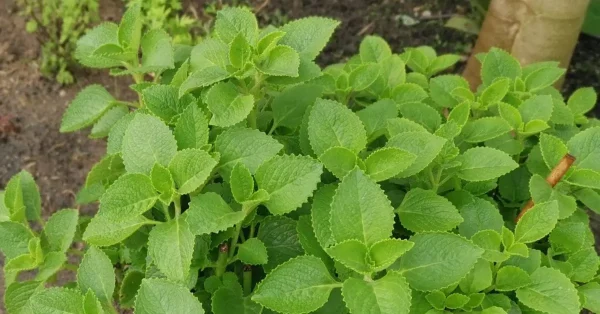
How to Grow Cuban Oregano Plants: A Complete Care Guide
If you’ve ever wanted a plant that combines the culinary punch of traditional oregano with [...]
Aug
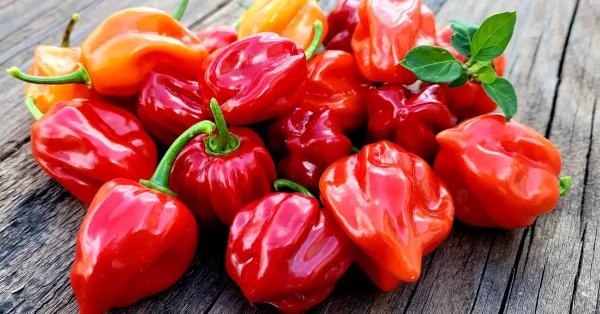
How to Grow Habanero Pepper Plants: A Step-by-Step Guide
Habanero pepper plants are prized for their vibrant colors, intense heat, and exceptional flavor, making [...]
Aug
Reviews
There are no reviews yet.