
American Hornbeam Tree – Live Plant – Carpinus caroliniana – Quart Pot – Outdoor
Original price was: $36.70.$20.70Current price is: $20.70.
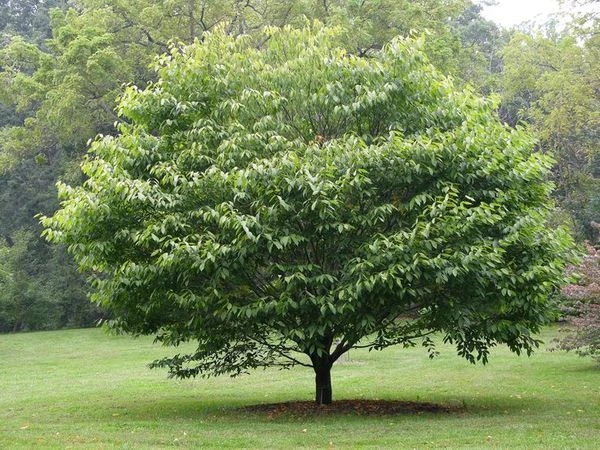
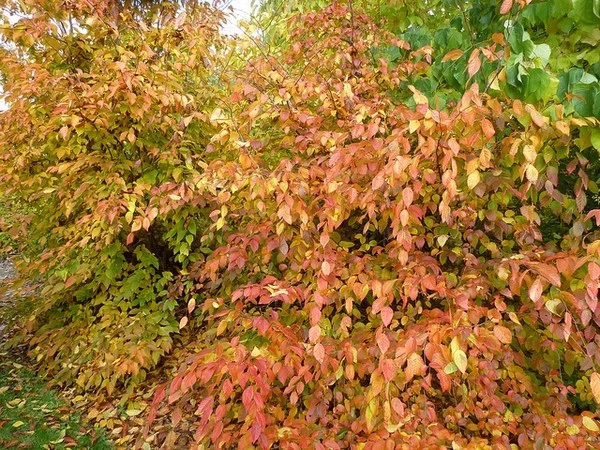
Bring natural elegance to your landscape with the American Hornbeam tree. This beautiful native tree, also known as Carpinus caroliniana, is offered in a convenient quart pot, ready for planting. Enjoy its distinctive bark and brilliant fall foliage.
Shipping and Return policies:
We stand behind our plants with our Alive & Thrive Guarantee. If you experience any issues within the first 30 days, please email us, and our team will be happy to help. When needed, we’ll send you a one-time replacement free of charge to make sure your garden keeps growing strong.

Reasonable Price
We offer reasonable price

Support 24/7
Contact us 24 hrs a day
100% Money Back
You’ve 30 days to Return
Payment Secure
100% secure payment
Overview
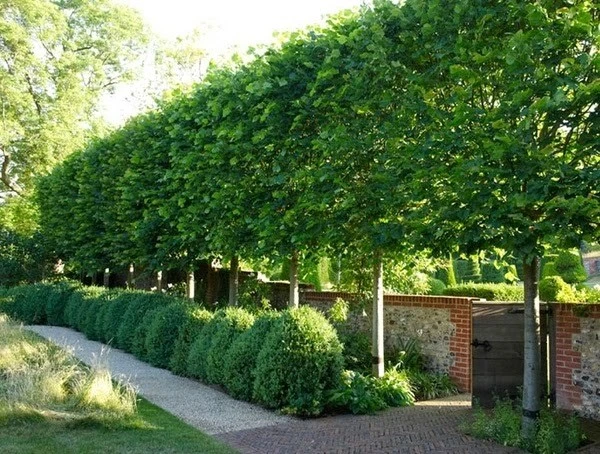
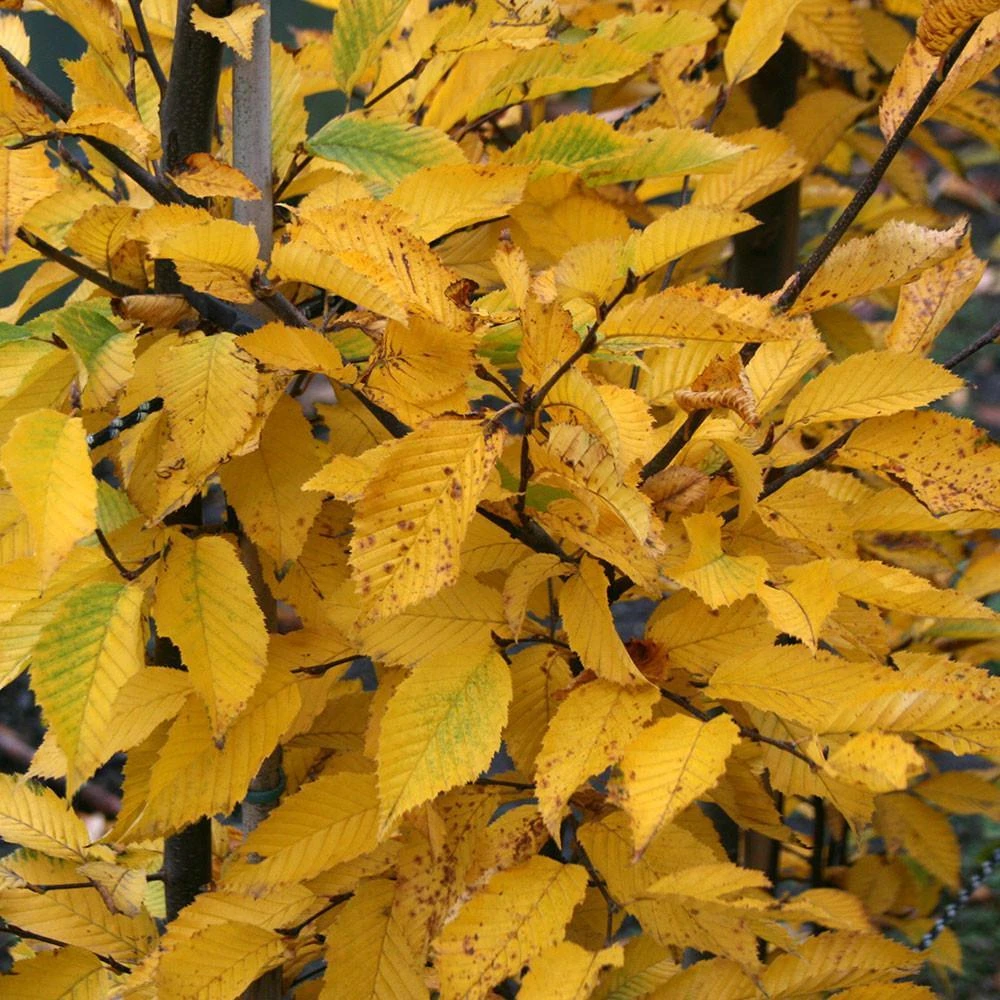
Introduce a touch of native American beauty to your garden with the American Hornbeam tree. This exceptional deciduous tree, scientifically known as Carpinus caroliniana, is a fantastic choice for gardeners seeking a resilient and attractive specimen. Also commonly referred to as Ironwood or Musclewood due to its incredibly dense and strong wood, this live plant arrives in a quart pot, perfectly sized for transplanting into your landscape. The American Hornbeam is celebrated for its unique, sinewy trunk and branches, which develop a distinctive, fluted appearance, adding year-round architectural interest. Its dense canopy of green leaves transforms into a breathtaking display of yellow, orange, and red hues in the fall, making it a true seasonal highlight.
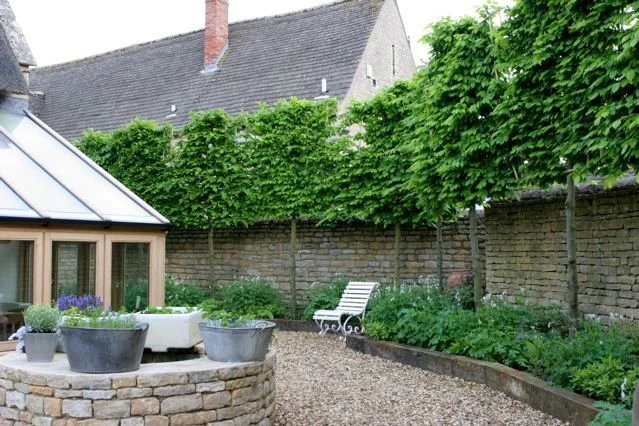
The American Hornbeam tree is a slow-growing, understory tree that can reach a mature height of 20-30 feet, making it suitable for various garden sizes, from suburban yards to woodland settings. Its adaptability to different soil conditions and its robust nature ensure it thrives with proper care. Whether you’re looking to create a naturalized area, a screen, or a focal point, the Carpinus caroliniana offers both aesthetic appeal and ecological benefits, providing habitat and food for local wildlife. This live plant is an investment in your garden’s future, promising years of beauty and a strong, enduring presence.
Key Benefits
The American Hornbeam tree offers a multitude of advantages for any landscape, combining ornamental beauty with environmental resilience. Its unique characteristics make it a standout choice:
- Stunning Fall Color: Experience a vibrant autumn display as the foliage of the American Hornbeam tree transforms into brilliant shades of yellow, orange, and red, providing exceptional seasonal interest.
- Distinctive Trunk and Bark: The smooth, gray bark and uniquely fluted, muscular-looking trunk add year-round visual appeal, creating a sculptural element in your garden even in winter.
- Excellent Understory Tree: As a native understory tree, Carpinus caroliniana is well-suited for planting beneath taller trees, thriving in partially shaded conditions where other trees might struggle.
- Strong and Durable Wood: Known as “Ironwood” or “Musclewood,” its incredibly dense and strong wood contributes to its longevity and resistance to breakage.
- Wildlife Habitat: The American Hornbeam provides valuable cover and food for various birds and small mammals, contributing to a healthy ecosystem in your yard.
- Low Maintenance: Once established, this native tree requires minimal care, making it an ideal choice for gardeners seeking a beautiful yet easy-to-manage plant.
- Adaptable to Various Soils: It tolerates a range of soil types, from moist to somewhat dry, as long as drainage is adequate, showcasing its versatility.
Plant Care & Growing Tips
Caring for your American Hornbeam tree, or Carpinus caroliniana, is relatively straightforward, especially once it’s established. This native tree thrives in conditions that mimic its natural woodland habitat. For optimal growth, choose a planting site that receives partial shade to full sun. While it can tolerate full sun, especially in cooler climates, some afternoon shade is beneficial in hotter regions to protect it from scorching. Ensure the soil is well-draining, as hornbeams do not like consistently wet feet. They prefer a slightly acidic to neutral soil pH, rich in organic matter. Amending your planting hole with compost can significantly improve soil structure and nutrient availability for your Ironwood tree.
Watering is crucial during the establishment phase. After planting, water deeply and regularly to keep the soil consistently moist but not waterlogged. Once established, the American Hornbeam tree is quite drought-tolerant, though it will benefit from supplemental watering during prolonged dry spells, particularly in its first few years. Fertilization is generally not necessary in rich soils, but if your soil is poor, a balanced slow-release granular fertilizer can be applied in early spring. Pruning should be done in late winter or early spring before new growth emerges, focusing on removing any dead, damaged, or crossing branches to maintain a strong structure and healthy canopy. Monitor for common pests like aphids or scale, and diseases like cankers, though hornbeams are generally quite resistant.
Protect young trees from deer browsing, which can be an issue in some areas. The American Hornbeam tree is a robust and long-lived specimen that will reward you with its distinctive beauty and ecological benefits for decades to come. Understanding how to care for your Carpinus caroliniana will ensure it flourishes and becomes a cherished part of your landscape.
Size & Details
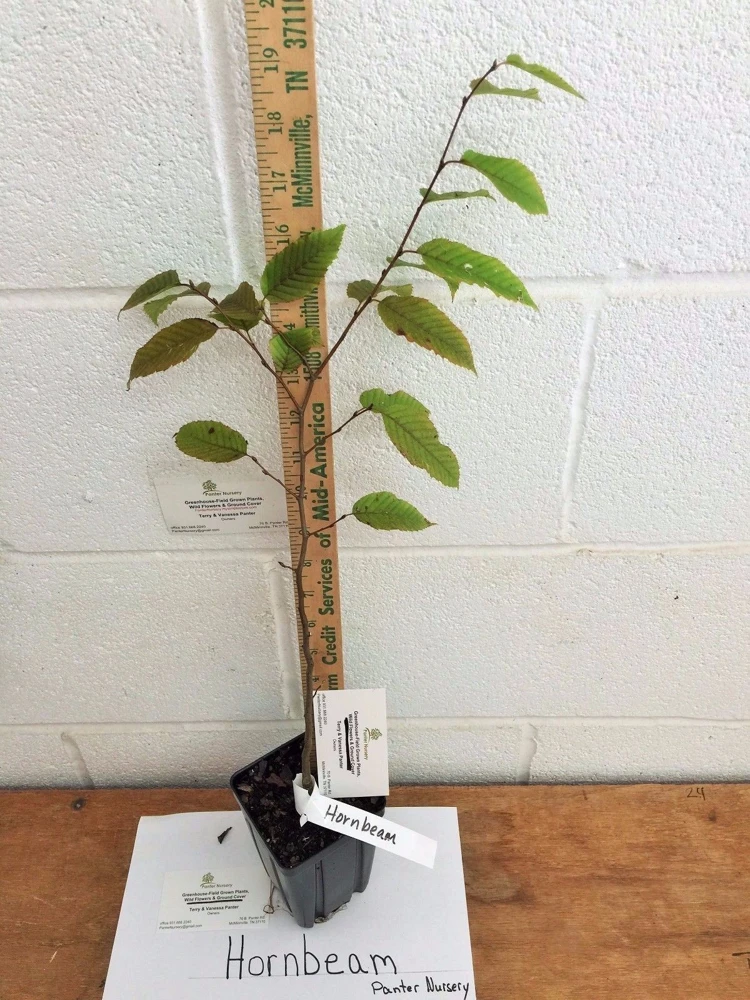
This American Hornbeam tree is supplied as a healthy live plant in a quart pot, ready for successful transplanting into your garden or landscape. At the time of shipping, the plant typically stands approximately 1-2 feet tall, offering a good starter size for establishment. Its growth rate is slow to moderate, generally adding 6-12 inches in height per year, eventually reaching a mature height of 20-30 feet with a similar spread of 20-30 feet, forming a rounded to oval canopy. The quart pot provides a robust root system, ensuring a smooth transition to its new home.
The Carpinus caroliniana is known for its strong, dense wood, which contributes to its overall resilience. It is a long-lived tree, often thriving for 50-150 years or more under ideal conditions. Expect the distinctive fluted bark to become more pronounced as the tree matures, enhancing its unique character. This native trees for landscaping specimen is ideal for creating naturalized areas, providing shade, or serving as an attractive specimen tree. Its adaptability makes it a versatile choice for various garden designs.
Frequently Asked Questions
- Q: How big does this plant get? A: The American Hornbeam tree typically reaches a mature height of 20-30 feet and a similar spread, forming a rounded to oval canopy. It is a slow to moderately growing tree.
- Q: What size pot does it come in? A: This Carpinus caroliniana live plant is shipped in a quart-sized nursery pot, providing a well-developed root system for successful planting.
- Q: Is this an indoor or outdoor plant? A: The American Hornbeam tree is an outdoor tree, best suited for planting in gardens, woodlands, or as a landscape specimen.
- Q: How much sunlight does it need? A: It thrives in partial shade to full sun. In hotter climates, some afternoon shade is beneficial to prevent leaf scorch.
- Q: Is this plant easy to care for? A: Yes, once established, the American Hornbeam tree is a relatively low-maintenance tree, making it a good choice for both experienced and novice gardeners.
- Q: What condition will it arrive in? A: Your live plant will arrive carefully packaged, healthy, and ready for planting, having been grown with care in its quart pot.
- Q: Can I use this tree for fall color? A: Absolutely! The American Hornbeam tree is highly valued for its brilliant fall color trees, with leaves turning vibrant shades of yellow, orange, and red.
- Q: When is the best time to plant? A: Spring or early fall are generally the best times to plant the Ironwood tree, allowing its roots to establish before extreme temperatures.
- Q: Will it survive winter in my zone? A: The American Hornbeam tree is hardy in USDA Zones 3-9, making it suitable for a wide range of climates across the US.
- Q: What’s the minimum temperature it can tolerate? A: It can withstand winter temperatures down to approximately -40°F (-40°C), reflecting its hardiness in colder zones.
Be the first to review “American Hornbeam Tree – Live Plant – Carpinus caroliniana – Quart Pot – Outdoor”
You must be logged in to post a review.
People also Viewed
Sold 50 products
$32.38
Sold 50 products
$27.38
Sold 50 products
$32.38
Sold 50 products
$19.88
Sold 50 products
$62.38
Sold 50 products
$24.88
Houseplants
Phalaenopsis pulcherrima ‘Mauna Kea Snow’ Orchid Live Plant – White Flowers, Potted 2.5 in
Sold 50 products
$49.88
Sold 50 products
$49.88RELATED posts
Awapuhi Wild Ginger Plant: Zones, Care, and Propagation
Learn which USDA zones suit awapuhi wild ginger, plus sunlight, water, planting, propagation, pests, size, [...]
Awapuhi Shampoo Ginger – Care, Growing Zones, and Differences
Learn how to grow awapuhi (shampoo) ginger, its USDA zones, watering schedule, propagation tips, and [...]
Awapuhi Shampoo Plant Buying Guide – Choose the Right Zingiber zerumbet
META: Learn which awapuhi (shampoo ginger) plant or rhizome pack gives the best natural shampoo, [...]
Awapuhi Plant for Sale: Complete Buying Guide
Find the right awapuhi (shampoo ginger) plant, size, price, soil mix, and online source. Practical [...]
Shampoo Ginger Plant for Sale – Buying Guide & Tips
Find the right shampoo ginger plant, size, price, and care tips. Quick guide for U.S. [...]
Shampoo Ginger Plant (Awapuhi) Care Guide
Learn how to grow, care for, and use shampoo ginger (Zingiber zerumbet), the tropical awapuhi [...]
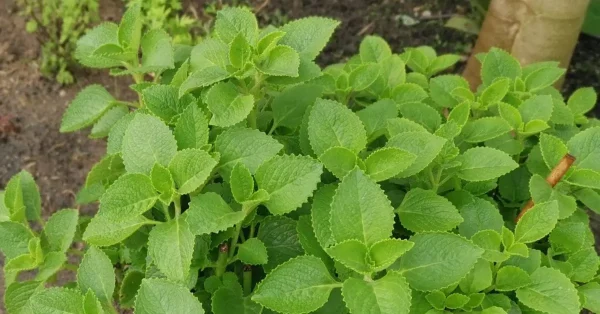
How to Grow Cuban Oregano Plants: A Complete Care Guide
If you’ve ever wanted a plant that combines the culinary punch of traditional oregano with [...]
Aug
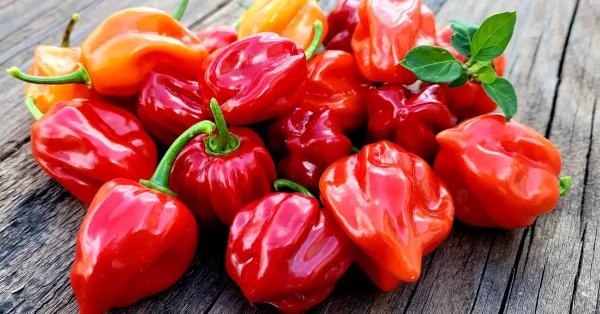
How to Grow Habanero Pepper Plants: A Step-by-Step Guide
Habanero pepper plants are prized for their vibrant colors, intense heat, and exceptional flavor, making [...]
Aug
Reviews
There are no reviews yet.