
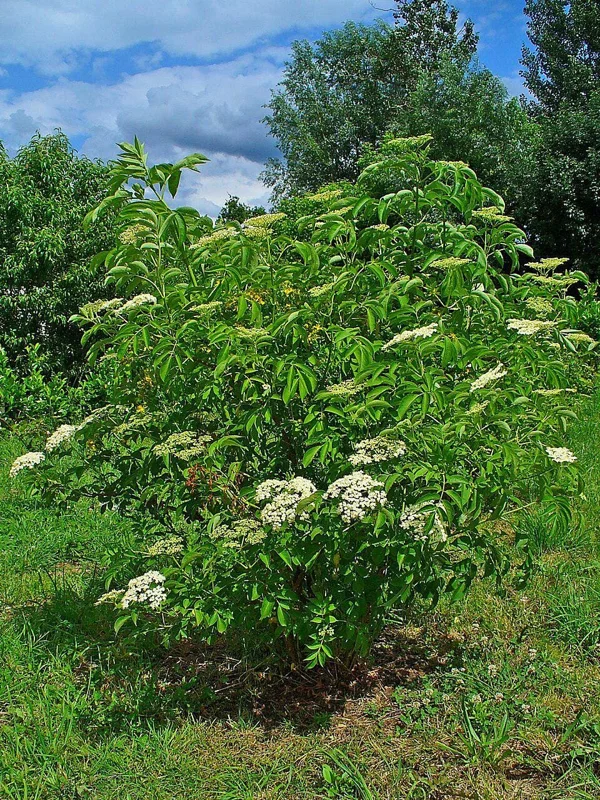
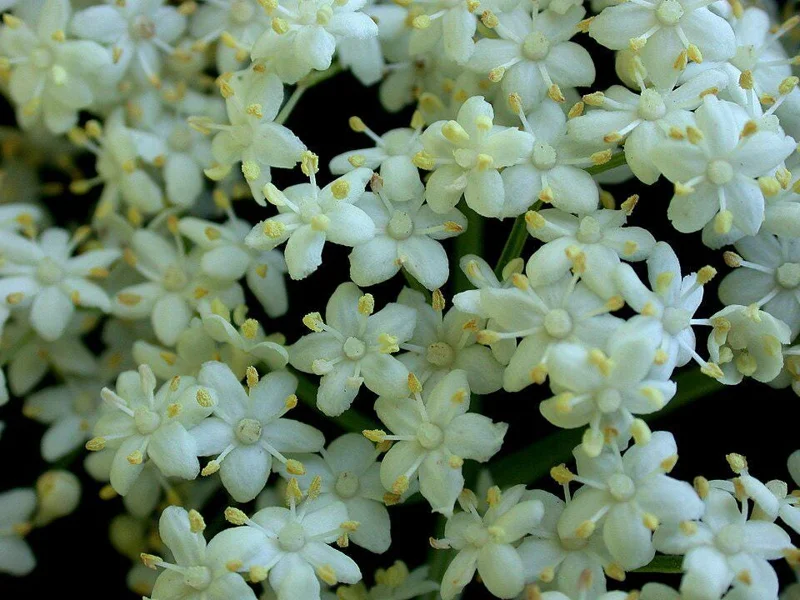
American Elderberry Seeds – Sambucus canadensis – 10 Seeds – Grow Your Own Shrubs
Original price was: $25.00.$17.50Current price is: $17.50.
Start your own American Elderberry seeds with this pack of 10 Sambucus canadensis seeds. Cultivate a beautiful, fast-growing shrub known for its fragrant flowers and edible berries. Perfect for wildlife gardens and naturalized landscapes, providing food for birds and pollinators. Easy to grow in Zones 3-9 with proper care.
Shipping and Return policies:
We stand behind our plants with our Alive & Thrive Guarantee. If you experience any issues within the first 30 days, please email us, and our team will be happy to help. When needed, we’ll send you a one-time replacement free of charge to make sure your garden keeps growing strong.

Reasonable Price
We offer reasonable price

Support 24/7
Contact us 24 hrs a day
100% Money Back
You’ve 30 days to Return
Payment Secure
100% secure payment
Overview
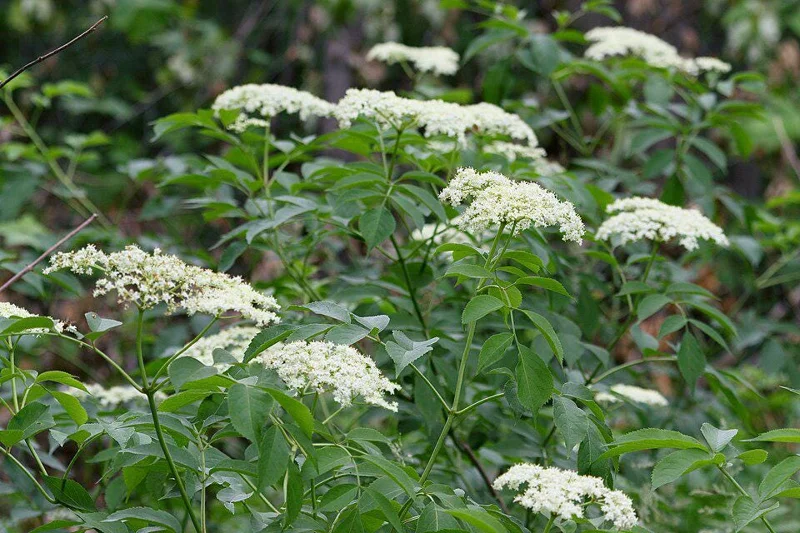
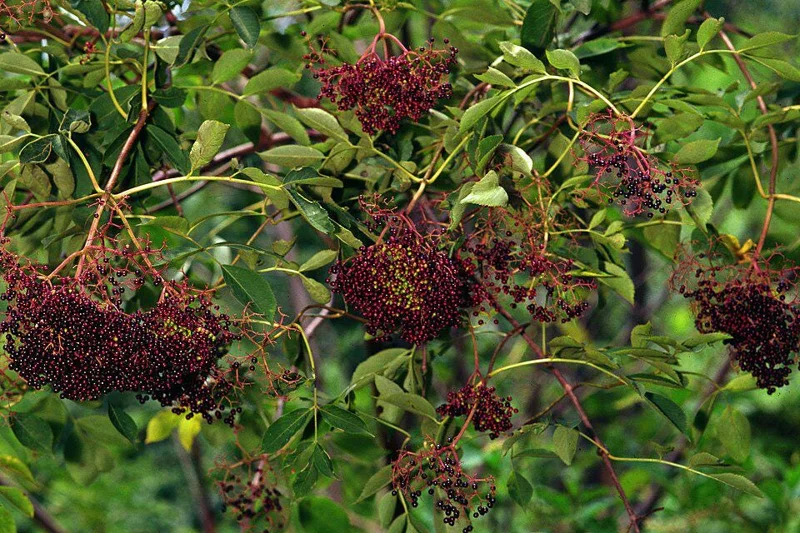
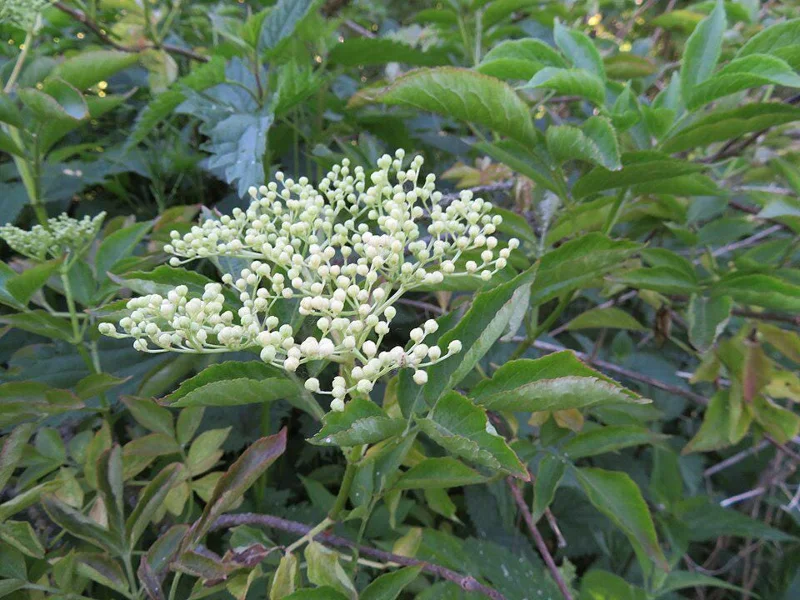
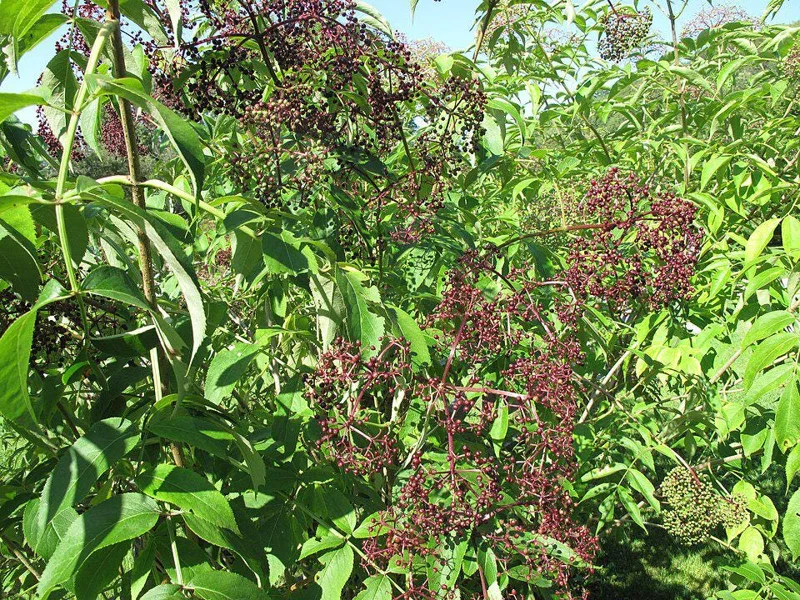
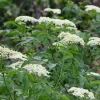
Embark on a rewarding gardening journey by cultivating your own American Elderberry seeds. This pack contains 10 high-quality Sambucus canadensis seeds, allowing you to grow this remarkable deciduous shrub from scratch. Also known as Common Elderberry, this plant is a cherished native to eastern and central North America, celebrated for its aesthetic appeal and ecological value. The resulting plants will feature attractive foliage, an abundance of fragrant creamy-white flowers in summer, and clusters of dark purple to nearly black berries in late summer and early autumn. Growing your own elderberry provides a sustainable source for traditional culinary uses and offers significant benefits to local wildlife, making it an excellent addition to any garden.
The American Elderberry is a versatile and resilient plant, thriving in a variety of conditions and offering year-round interest. From its lush green leaves to its vibrant blossoms and rich berries, it provides a dynamic focal point in the landscape. By choosing to grow elderberry from seeds, you gain the satisfaction of nurturing a plant from its very beginning, ensuring a strong and healthy foundation for years of enjoyment and harvest. This particular variety is well-suited for a wide range of climates, making it a popular choice for gardeners across many regions.
Key Benefits
Growing American Elderberry seeds offers a multitude of advantages for both your garden and the environment. These plants are not only beautiful but also highly functional, providing various benefits that enrich your outdoor space. They are an excellent choice for those looking to enhance biodiversity and create a vibrant, self-sustaining ecosystem.
- Attracts Pollinators: The fragrant, flat-topped clusters of creamy-white flowers are a magnet for bees, butterflies, and other beneficial pollinators, contributing to the health of your garden. This makes them ideal for a wildlife garden seeds project.
- Provides Wildlife Food: The abundant dark purple to black berries are a vital food source for numerous bird species and other wildlife, especially as they ripen in late summer to early autumn.
- Edible Berries: Properly cooked, ripe elderberries are traditionally used to make delicious jams, jellies, syrups, pies, and wines, offering a homegrown culinary delight. It’s important to note that raw or unripe berries and other plant parts may contain toxic compounds and should not be consumed without proper preparation.
- Fast-Growing Shrub: Sambucus canadensis seeds develop into a relatively fast-growing shrub, quickly establishing itself in your landscape to provide shade, privacy, and visual interest.
- Adaptable & Resilient: This native shrub is known for its tolerance to a variety of growing conditions, thriving in full sun to partial shade and adaptable to different soil types, though it prefers moist, fertile, well-drained soil.
- Ornamental Value: Beyond its ecological benefits, the American Elderberry boasts attractive compound foliage, showy flower clusters, and ornamental berry displays, adding beauty to any garden setting.
- Erosion Control: Its extensive root system can help stabilize soil on slopes and in areas prone to erosion, making it a practical choice for naturalized landscapes.
Plant Care & Growing Tips
To successfully grow elderberry from your American Elderberry seeds, understanding the specific care requirements is crucial. Elderberry seeds have a natural dormancy that requires stratification for optimal germination. Begin by soaking the seeds in room-temperature water for 24 hours. Following this, implement a warm stratification period of 60-90 days at 68–75°F (20–24°C) with moist sand, peat moss, or vermiculite, followed by a cold stratification period of 90-120 days at 34–40°F (1–4°C) in refrigeration. This mimics the natural winter cycle and prepares the seeds for sprouting.
After stratification, sow the Sambucus canadensis seeds approximately 1/4 inch deep in pots filled with a well-draining seed-starting mix. Maintain consistent soil moisture and place the containers in a bright location where temperatures are around 65–75°F (18–24°C). Germination can be slow and irregular, sometimes taking several weeks or even longer, so patience is key. Once seedlings emerge and develop several true leaves, carefully transplant them into individual pots. Gradually introduce these young plants to outdoor conditions over a week or two before planting them in their permanent location. For ongoing care, ensure the mature plants receive full sun to partial shade and are planted in moist, fertile, well-drained soil. Regular watering, especially during dry spells, will promote vigorous growth. Fertilization with a balanced slow-release fertilizer in spring can also be beneficial, particularly in less fertile soils. Keep an eye out for common pests like aphids, which can typically be managed with organic insecticidal soaps. Proper care will help your elderberry plant care routine yield a thriving shrub.
Size & Details
This product includes 10 American Elderberry seeds (Sambucus canadensis seeds), ready for stratification and planting. Once established, the American Elderberry typically grows into a medium to large deciduous shrub, reaching a height of 5–12 feet tall with a similar spread. It develops multiple branching stems, creating a full and attractive silhouette in the landscape. The growth rate is considered fast under ideal conditions, allowing you to quickly establish a mature plant.
The seeds are shipped in a protective packet, ensuring their viability upon arrival. While the initial growth from seeds will be slow as the plant establishes its root system, established elderberry plants can begin producing flowers and berries within 2-3 years, depending on growing conditions and care. The plant’s mature size makes it suitable for hedgerows, naturalized areas, and as a specimen plant in larger gardens. Its vigorous nature ensures a robust addition to your garden for many years, providing both ornamental beauty and ecological benefits.
Frequently Asked Questions
- Q: How many Sambucus canadensis seeds are included in this pack? A: This pack contains 10 high-quality Sambucus canadensis seeds, perfect for starting your own elderberry plants.
- Q: What is the best way to germinate American Elderberry seeds? A: American Elderberry seeds require both warm and cold stratification to break dormancy. Soak them for 24 hours, then provide 60-90 days of warm stratification followed by 90-120 days of cold stratification before planting.
- Q: How tall does the American Elderberry plant get? A: A mature American Elderberry typically grows 5–12 feet tall and can develop a similar spread, forming a substantial shrub.
- Q: Is this plant suitable for a wildlife garden? A: Absolutely! The American Elderberry is an excellent choice for a wildlife garden seeds project, as its flowers attract pollinators and its berries provide a crucial food source for birds and other wildlife.
- Q: What are the sunlight requirements for American Elderberry? A: The American Elderberry thrives in full sun to partial shade, meaning it needs at least 4-6 hours of direct sunlight per day for optimal growth and berry production.
- Q: When is the best time to plant the stratified seeds? A: After completing the required stratification periods, the best time to sow the seeds indoors is in late winter or early spring, allowing seedlings to grow before transplanting outdoors after the last frost.
- Q: What USDA Hardiness Zones are suitable for American Elderberry? A: This resilient shrub is hardy in USDA Zones 3-9, making it adaptable to a wide range of climates across the US.
- Q: Are the elderberries edible? A: Yes, the ripe berries are edible when properly cooked and are often used in jams, jellies, and syrups. However, raw or unripe berries and other plant parts may contain toxic compounds and should not be consumed.
- Q: Is elderberry plant care difficult for beginners? A: While the initial seed germination process requires stratification, mature American Elderberry plants are relatively low-maintenance and adaptable, making them a good choice for gardeners of varying experience levels.
- Q: What type of soil does American Elderberry prefer? A: American Elderberry prefers moist, fertile, well-drained soil, but it can tolerate a variety of soil types, including clay and sandy soils, as long as drainage is adequate.
Be the first to review “American Elderberry Seeds – Sambucus canadensis – 10 Seeds – Grow Your Own Shrubs”
You must be logged in to post a review.
People also Viewed


Sold 50 products
Original price was: $109.95.$79.98Current price is: $79.98.

Sold 50 products
Original price was: $25.00.$17.50Current price is: $17.50.

Flower Seeds
Olympic Onion Seeds – Allium crenulatum Flower Seeds – 10 Seed Pack – Outdoor Native Plant
Sold 50 products
Original price was: $25.00.$17.50Current price is: $17.50.

Sold 50 products
Original price was: $25.00.$17.50Current price is: $17.50.

Flower Seeds
Fuchsia vulcanica Seeds – 20 Pack – Vibrant Orange Coral Flowers for Garden & Containers
Sold 50 products
Original price was: $25.00.$17.50Current price is: $17.50.

Sold 50 products
Original price was: $116.98.$95.68Current price is: $95.68.

Sold 50 products
Original price was: $21.00.$14.10Current price is: $14.10.

Aquatic Plant Seeds
White Lotus Seeds – Nelumbo Nucifera Aquatic Pond Plant – 5 Seeds for Water Garden
Sold 50 products
Original price was: $29.00.$20.90Current price is: $20.90.RELATED posts
Awapuhi Wild Ginger Plant: Zones, Care, and Propagation
Learn which USDA zones suit awapuhi wild ginger, plus sunlight, water, planting, propagation, pests, size, [...]
Awapuhi Shampoo Ginger – Care, Growing Zones, and Differences
Learn how to grow awapuhi (shampoo) ginger, its USDA zones, watering schedule, propagation tips, and [...]
Awapuhi Shampoo Plant Buying Guide – Choose the Right Zingiber zerumbet
META: Learn which awapuhi (shampoo ginger) plant or rhizome pack gives the best natural shampoo, [...]
Awapuhi Plant for Sale: Complete Buying Guide
Find the right awapuhi (shampoo ginger) plant, size, price, soil mix, and online source. Practical [...]
Shampoo Ginger Plant for Sale – Buying Guide & Tips
Find the right shampoo ginger plant, size, price, and care tips. Quick guide for U.S. [...]
Shampoo Ginger Plant (Awapuhi) Care Guide
Learn how to grow, care for, and use shampoo ginger (Zingiber zerumbet), the tropical awapuhi [...]

How to Grow Cuban Oregano Plants: A Complete Care Guide
If you’ve ever wanted a plant that combines the culinary punch of traditional oregano with [...]
Aug

How to Grow Habanero Pepper Plants: A Step-by-Step Guide
Habanero pepper plants are prized for their vibrant colors, intense heat, and exceptional flavor, making [...]
Aug
Reviews
There are no reviews yet.