
American Beech Tree Quart Pot – Live Fagus Grandifolia Plant Outdoor
Original price was: $36.70.$20.70Current price is: $20.70.
Bring timeless elegance to your landscape with a American Beech tree. This beautiful live tree plant, known scientifically as Fagus grandifolia, arrives in a quart pot, ready to establish its strong presence. Ideal as a majestic shade tree, it’s a perfect choice for adding natural beauty.
Shipping and Return policies:
We stand behind our plants with our Alive & Thrive Guarantee. If you experience any issues within the first 30 days, please email us, and our team will be happy to help. When needed, we’ll send you a one-time replacement free of charge to make sure your garden keeps growing strong.

Reasonable Price
We offer reasonable price

Support 24/7
Contact us 24 hrs a day
100% Money Back
You’ve 30 days to Return
Payment Secure
100% secure payment
Overview
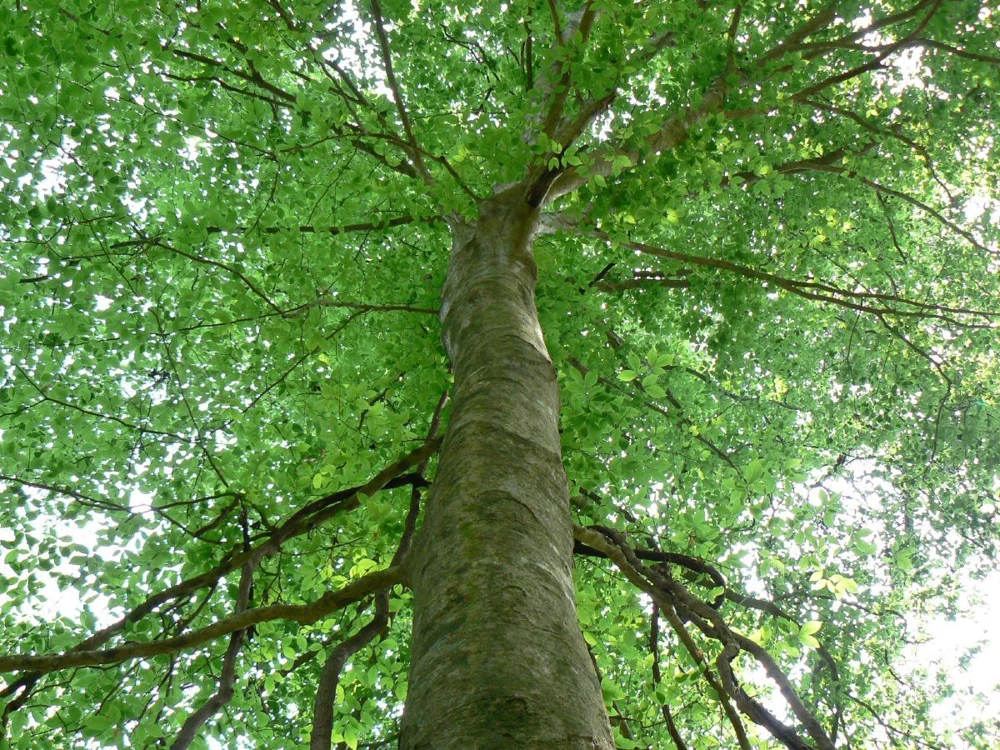
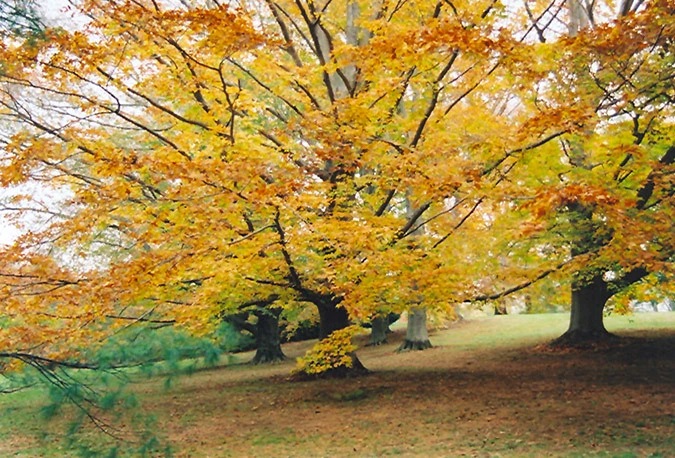
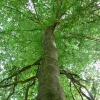
Introduce a piece of natural grandeur to your property with the American Beech tree. This stunning deciduous tree, scientifically known as Fagus grandifolia, is offered as a healthy live plant in a convenient quart pot, making it easy to establish in your garden or landscape. Renowned for its smooth, light gray bark and dense, lustrous green foliage that turns a beautiful golden bronze in autumn, the American Beech is a true four-season beauty. It’s a cornerstone species in many North American forests, cherished for its longevity and imposing presence. Planting an American Beech tree contributes to local ecosystems, providing habitat and food for wildlife while enhancing the aesthetic appeal of your outdoor space. Its stately form and consistent beauty make it a highly desirable choice for those seeking a long-term landscape investment.
The American Beech is a slow-growing but ultimately large and magnificent specimen tree, capable of reaching impressive heights and widths over many decades. Its distinctive bark remains smooth even on mature trees, setting it apart from many other forest giants. As a live tree plant, it offers the opportunity to watch a natural wonder develop in your own backyard, providing shade, beauty, and ecological benefits for generations. Consider this tree not just as a plant, but as a living legacy for your property.
Key Benefits
Adding an American Beech tree to your landscape offers a multitude of advantages that go beyond simple aesthetics. This remarkable tree provides significant ecological and visual benefits that enhance any outdoor environment.
- Exceptional Shade Provider: With its dense canopy, the American Beech tree is an excellent choice for creating deep, cool shade during hot summer months. This can significantly reduce cooling costs for nearby structures and provide a comfortable outdoor living space.
- Striking Four-Season Interest: From vibrant green leaves in spring and summer to golden-bronze fall foliage that often persists into winter, and its signature smooth, silvery-gray bark, the Fagus grandifolia offers visual appeal throughout the entire year.
- Ecological Value: As a native tree, it supports local wildlife by providing shelter and food. Its nuts (beechnuts) are a valuable food source for numerous bird and mammal species, contributing to biodiversity.
- Low Maintenance Once Established: While young trees require some care, mature American Beech trees are remarkably robust and require minimal intervention, making them a sustainable choice for long-term landscaping.
- Long Lifespan: These trees are known for their longevity, often living for hundreds of years. Planting an American Beech tree is an investment that will be enjoyed by future generations.
- Unique Bark Texture: The smooth, light gray bark is a distinguishing feature, providing a unique textural element to the landscape, especially striking in winter against a snowy backdrop.
Plant Care & Growing Tips
Caring for your American Beech tree, or Fagus grandifolia, involves understanding its specific needs to ensure healthy growth and establishment. This native tree thrives in particular conditions, so providing the right environment is crucial for its long-term success. For sunlight, the American Beech prefers full sun to partial shade. In its natural habitat, it often grows as an understory tree in its youth, gradually reaching for the sunlight as it matures. Aim for at least 4-6 hours of direct sunlight per day, especially as it gets older. Consistent moisture is vital, particularly during its establishment phase. The soil should be kept evenly moist but not waterlogged. Deep, infrequent watering is better than shallow, frequent watering, encouraging roots to grow deeper.
Regarding soil, the American Beech prefers rich, well-draining, slightly acidic to neutral soil. It adapts well to various soil types, including loamy and sandy soils, but dislikes heavy clay. Ensure good drainage to prevent root rot. For temperature and hardiness, the American Beech tree is incredibly resilient, thriving in USDA Hardiness Zones 3-9. It can withstand cold winters and hot summers within this range. Fertilization is generally not necessary for established trees in good soil, but young trees can benefit from a balanced, slow-release fertilizer in spring, applied according to product instructions. Common problems include susceptibility to beech bark disease in some regions, though resistant varieties are being developed. Proper siting and care can help prevent most issues. Ensure good air circulation and avoid planting in compacted or overly wet areas.
When planting your live tree plant, dig a hole that is twice as wide as the root ball and just as deep. Carefully remove the tree from its quart pot, loosen any circling roots, and place it in the hole so that the top of the root ball is level with the ground. Backfill with native soil, gently tamping to remove air pockets, and water thoroughly. Mulching around the base can help retain moisture and regulate soil temperature, but keep mulch away from the trunk to prevent disease. Consistent watering for the first two years is critical for successful establishment of your shade tree.
Size & Details
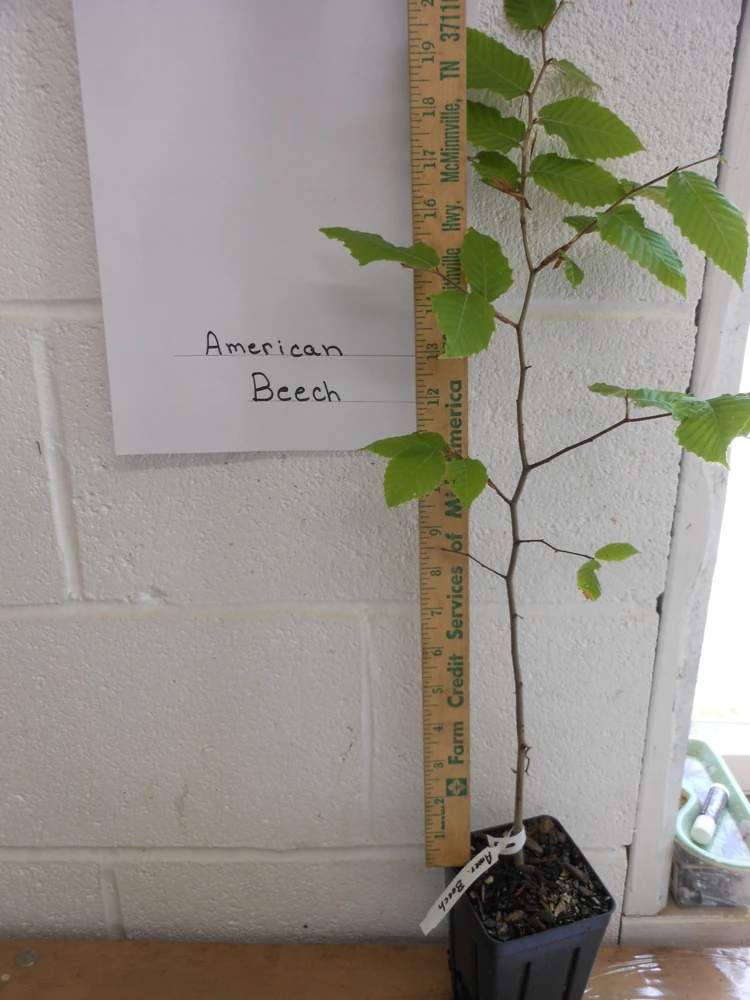
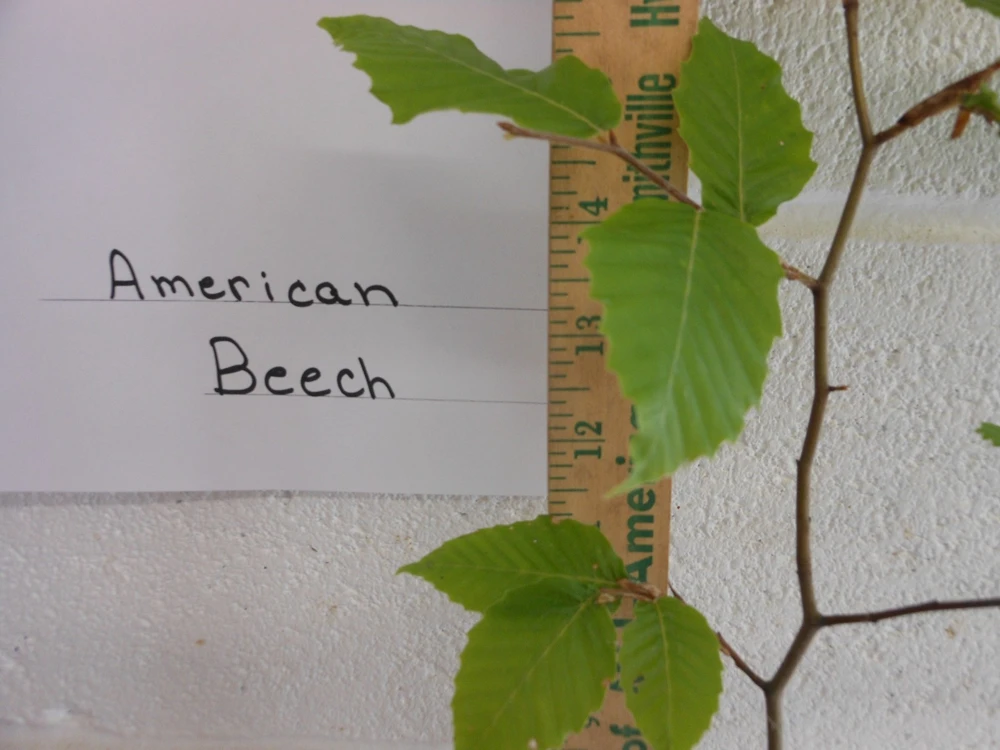
The American Beech tree, or Fagus grandifolia, typically ships as a young live plant in a quart pot, ready for planting. While specific dimensions can vary, these young trees are generally between 12-24 inches tall upon arrival, providing a robust start for your landscaping project. This slow-growing species will gradually develop into a magnificent specimen. Mature American Beech trees can reach impressive heights of 50-80 feet, with a spread of 40-60 feet, forming a dense, rounded canopy. The growth rate is typically 1-2 feet per year once established. Expect your tree to start showing significant growth after its first year in the ground, as it focuses on developing a strong root system. It’s a long-term investment, offering beauty and ecological benefits for generations.
This live tree plant is shipped carefully to ensure it arrives in optimal condition, protected from shipping stress. It is a deciduous tree, meaning it will shed its leaves in the fall and enter dormancy for winter, only to leaf out again with fresh green foliage in the spring. The quart pot provides enough soil and nutrients for initial growth, but transplanting into its permanent location as soon as possible after arrival is recommended for best results. Consider the mature size when choosing a planting site to allow ample room for its eventual grandeur as a magnificent shade tree.
Frequently Asked Questions
- Q: How big does this American Beech tree get? A: The American Beech tree, or Fagus grandifolia, is a large deciduous tree. While it ships in a quart pot, mature specimens can reach heights of 50-80 feet with a spread of 40-60 feet, making it an excellent long-term shade tree for large landscapes.
- Q: Is this an indoor or outdoor plant? A: The American Beech is strictly an outdoor tree. It requires specific environmental conditions and space to thrive, making it unsuitable for indoor cultivation. It is a robust native tree designed for temperate climates.
- Q: How much sunlight does the Fagus grandifolia need? A: This tree prefers full sun to partial shade. For optimal growth and health, aim for at least 4-6 hours of direct sunlight per day, especially as the tree matures.
- Q: Is this plant easy to care for? A: Once established, the American Beech tree is relatively low maintenance. Young trees require consistent watering and protection, but mature trees are quite resilient and hardy within their appropriate USDA zones.
- Q: What condition will the live tree plant arrive in? A: Your live tree plant will arrive in a quart pot, carefully packaged to minimize stress during transit. It will be a young, healthy specimen ready for planting in your garden.
- Q: When is the best time to plant an American Beech tree? A: The best time to plant your American Beech is in spring or early fall. This allows the tree sufficient time to establish its root system before the extremes of summer heat or winter cold.
- Q: What’s the minimum temperature this tree can tolerate? A: The American Beech tree is very cold hardy and thrives in USDA Zones 3-9, meaning it can withstand winter temperatures well below freezing, typically down to -40°F (-40°C).
- Q: What kind of soil does this shade tree prefer? A: The Fagus grandifolia prefers rich, moist, well-draining soil with a slightly acidic to neutral pH. It can tolerate a range of soil types but dislikes heavy, compacted clay.
- Q: Will the leaves stay on the tree all winter? A: The American Beech is a deciduous tree, meaning it will shed its leaves in the fall. However, a unique characteristic is that some of its golden-bronze leaves may persist on the branches throughout much of the winter, adding interest.
- Q: Can I grow native trees for landscaping in my area? A: Yes, the American Beech tree is a fantastic choice for native trees for landscaping across a wide range of regions in the eastern and central United States, where it naturally occurs. It adapts well to many environments within its hardiness zones.
Be the first to review “American Beech Tree Quart Pot – Live Fagus Grandifolia Plant Outdoor”
You must be logged in to post a review.
People also Viewed
Sold 50 products
$32.38
Sold 50 products
$27.38
Sold 50 products
$32.38
Sold 50 products
$19.88
Sold 50 products
$62.38
Sold 50 products
$24.88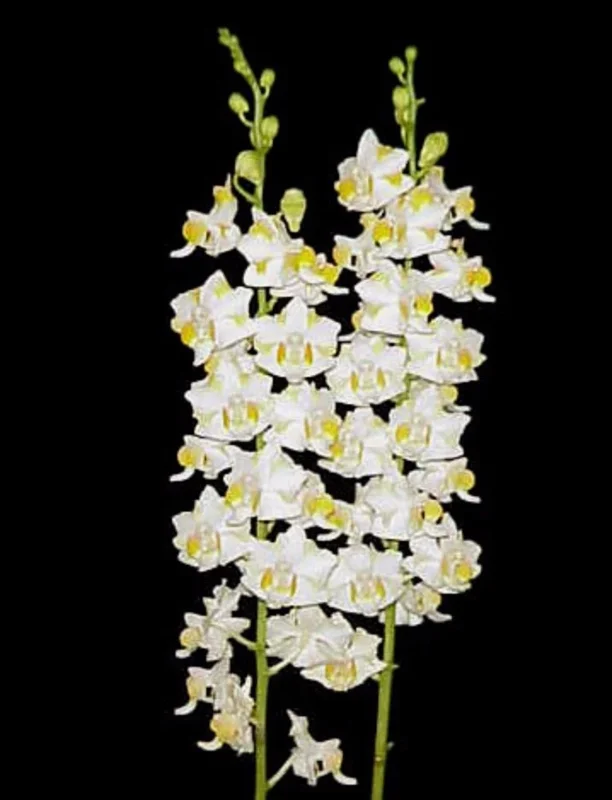
Houseplants
Phalaenopsis pulcherrima ‘Mauna Kea Snow’ Orchid Live Plant – White Flowers, Potted 2.5 in
Sold 50 products
$49.88
Sold 50 products
$49.88RELATED posts
Awapuhi Wild Ginger Plant: Zones, Care, and Propagation
Learn which USDA zones suit awapuhi wild ginger, plus sunlight, water, planting, propagation, pests, size, [...]
Awapuhi Shampoo Ginger – Care, Growing Zones, and Differences
Learn how to grow awapuhi (shampoo) ginger, its USDA zones, watering schedule, propagation tips, and [...]
Awapuhi Shampoo Plant Buying Guide – Choose the Right Zingiber zerumbet
META: Learn which awapuhi (shampoo ginger) plant or rhizome pack gives the best natural shampoo, [...]
Awapuhi Plant for Sale: Complete Buying Guide
Find the right awapuhi (shampoo ginger) plant, size, price, soil mix, and online source. Practical [...]
Shampoo Ginger Plant for Sale – Buying Guide & Tips
Find the right shampoo ginger plant, size, price, and care tips. Quick guide for U.S. [...]
Shampoo Ginger Plant (Awapuhi) Care Guide
Learn how to grow, care for, and use shampoo ginger (Zingiber zerumbet), the tropical awapuhi [...]
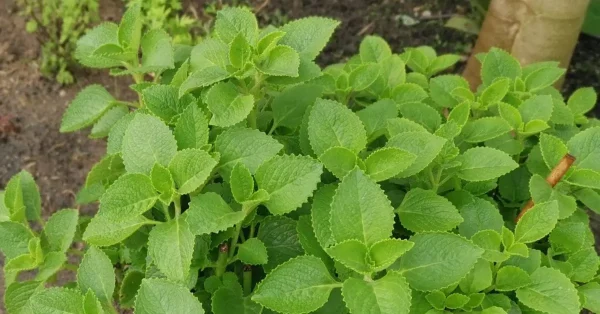
How to Grow Cuban Oregano Plants: A Complete Care Guide
If you’ve ever wanted a plant that combines the culinary punch of traditional oregano with [...]
Aug
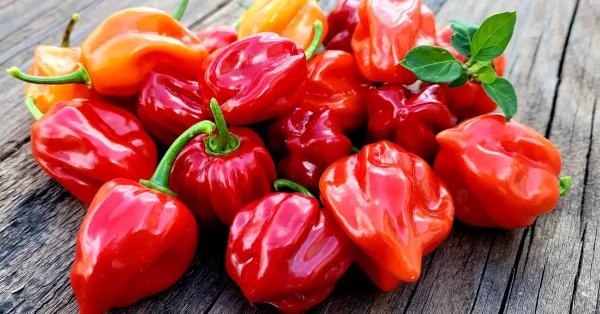
How to Grow Habanero Pepper Plants: A Step-by-Step Guide
Habanero pepper plants are prized for their vibrant colors, intense heat, and exceptional flavor, making [...]
Aug
Reviews
There are no reviews yet.