
Alpinia zerumbet Shell Ginger Seeds – 10 Pack – Tropical Ornamental Plant
Original price was: $25.00.$17.50Current price is: $17.50.
Cultivate the exotic beauty of the tropics with Alpinia zerumbet seeds, commonly known as Shell Ginger seeds. This pack of 10 seeds allows you to grow stunning plants featuring unique shell-like flowers and lush, aromatic foliage. Ideal for zones 8-10, these tropical plant seeds are perfect for creating a vibrant garden display.
Shipping and Return policies:
We stand behind our plants with our Alive & Thrive Guarantee. If you experience any issues within the first 30 days, please email us, and our team will be happy to help. When needed, we’ll send you a one-time replacement free of charge to make sure your garden keeps growing strong.

Reasonable Price
We offer reasonable price

Support 24/7
Contact us 24 hrs a day
100% Money Back
You’ve 30 days to Return
Payment Secure
100% secure payment
Overview
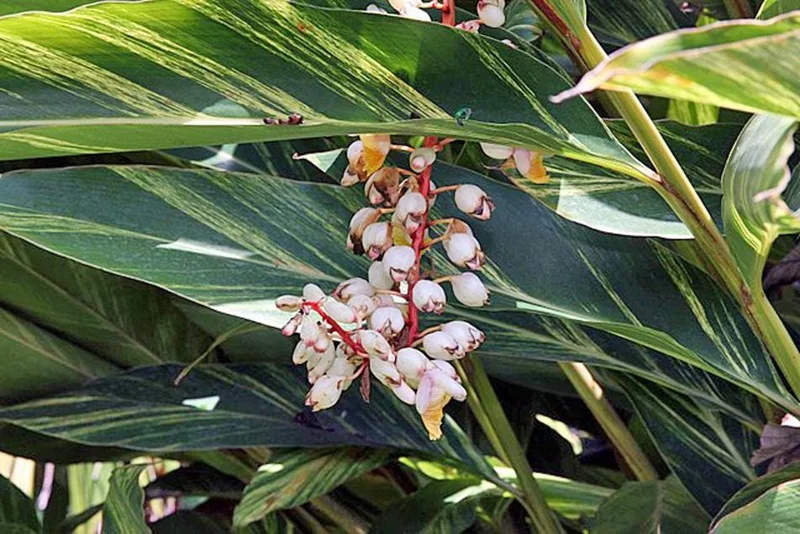
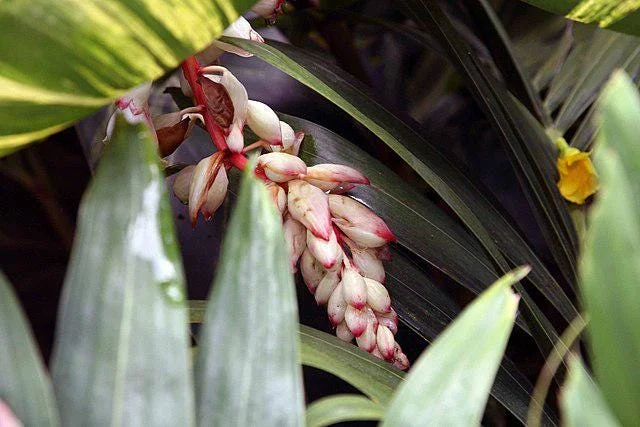
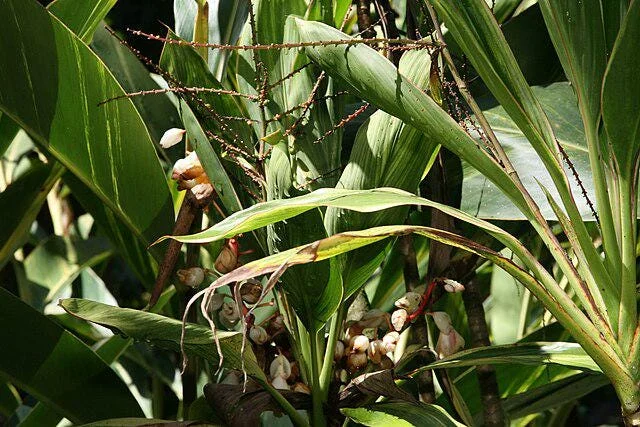
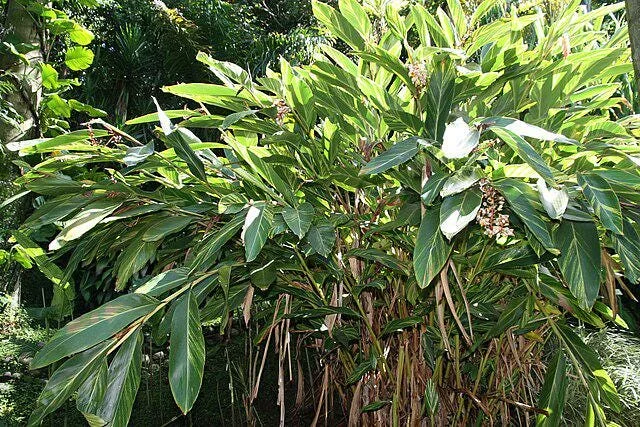
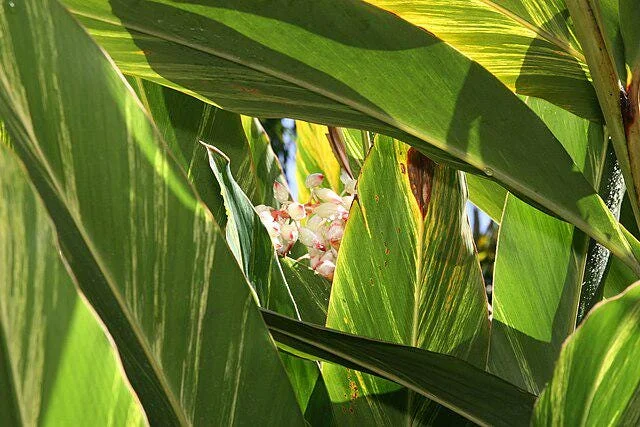
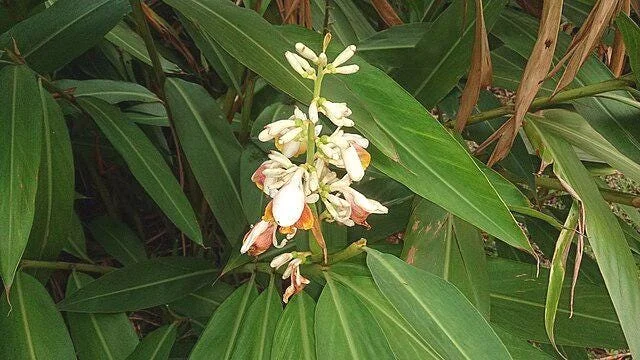
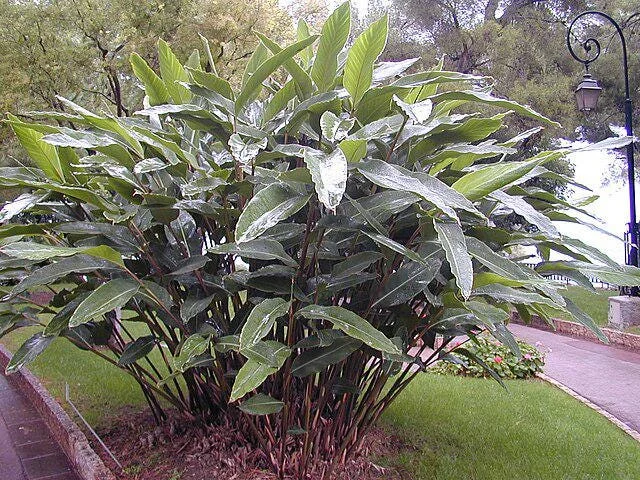
Embark on a botanical adventure by growing your very own Alpinia zerumbet seeds, widely celebrated as Shell Ginger. This offering includes 10 high-quality seeds, providing an excellent opportunity to cultivate this magnificent perennial herbaceous plant. Native to East Asia, Shell Ginger seeds will allow you to introduce a touch of the tropics to your garden, renowned for its striking ornamental appeal and a subtle, pleasant aroma. The plant typically reaches an impressive height of 6 to 10 feet, forming dense clumps of arching, cane-like stems adorned with large, glossy green leaves. These leaves, which can grow up to 2 feet long, release a delightful fragrance when brushed or crushed, adding another sensory dimension to your landscape. In late spring to summer, the plant unveils its most captivating feature: drooping clusters of shell-like flowers. These exquisite blooms are white with delicate pink tints on the outside, opening to reveal a vibrant yellow interior marked with red, truly resembling miniature seashells. Following the floral display, small, oval, green fruits develop, each containing several seeds. Whether you’re an experienced gardener or a budding enthusiast, these Alpinia zerumbet seeds offer a rewarding growing experience, culminating in a lush, visually stunning, and fragrant addition to your outdoor space.
Beyond its aesthetic charm, the Shell Ginger seeds you plant will mature into a robust and relatively low-maintenance specimen. It thrives in warm, humid conditions, making it an excellent choice for tropical and subtropical climates. Its adaptability allows it to flourish in various settings, from rich, moist, well-drained soil to a range of sun exposures from partial shade to full sun. Valued for its ability to create a dense, tropical backdrop, this plant is frequently incorporated into landscaping designs, hedges, borders, and even containers. Propagating from tropical plant seeds is a fulfilling way to witness the full life cycle of this beautiful plant, ensuring a healthy and vigorous start to your garden’s newest star.
Key Benefits
Growing Alpinia zerumbet seeds offers a multitude of benefits, transforming your garden into a vibrant, sensory retreat. From their unique aesthetics to their adaptability, these plants are a fantastic choice for many gardeners.
- Stunning Ornamental Value: The mature Shell Ginger plant produces dramatic, drooping clusters of shell-like flowers, which are white, pink, and yellow. These eye-catching blooms add an exotic and elegant touch to any garden or patio, making it a focal point.
- Lush Tropical Foliage: Beyond the flowers, the plant boasts large, glossy green leaves that provide a dense, verdant backdrop. The foliage itself is highly attractive, creating a rich, tropical ambiance even when not in bloom.
- Aromatic Presence: The leaves of Alpinia zerumbet release a pleasant, aromatic scent when crushed. This subtle fragrance adds an enjoyable sensory element to your garden, enhancing relaxation and enjoyment.
- Versatile Landscaping Use: These plants are incredibly versatile, suitable for various landscaping applications. They can be used to create lush hedges, define borders, or grown in large containers to bring tropical flair to patios and decks, making Shell Ginger seeds a flexible choice.
- Relatively Low Maintenance: Once established, Shell Ginger is known for being moderately drought-tolerant and generally low-maintenance. This makes it an excellent option for gardeners seeking a high-impact plant without excessive care requirements.
- Adaptable to Sun Conditions: While preferring partial shade, Alpinia zerumbet can tolerate full sun, especially in cooler climates, offering flexibility in placement within your garden. This adaptability helps ensure successful growth from your tropical plant seeds.
- Drought Tolerance: Once mature, the plant exhibits moderate drought tolerance, reducing the need for constant watering and making it a more resilient choice for diverse climates within its hardiness zones.
Plant Care & Growing Tips
Successfully growing your Alpinia zerumbet seeds into thriving Shell Ginger plants requires attention to a few key environmental factors and care practices. This plant, while robust, benefits greatly from optimal conditions that mimic its native tropical habitat. The journey from ornamental ginger seeds to a mature plant is rewarding, and proper care ensures a spectacular display.
For germination, begin by soaking the Alpinia zerumbet seeds in warm water for 24 to 48 hours to help soften their hard seed coat. Prepare a well-draining growing medium, such as a mix of peat moss and perlite or a light potting soil, and plant the seeds about a quarter to half an inch deep. Consistent warmth is crucial for germination, so maintain a temperature between 75 to 85 degrees Fahrenheit. Keep the soil consistently moist but never waterlogged, and cover the container with a plastic dome or bag to retain humidity, venting occasionally to prevent mold. Germination can be slow and unpredictable, often taking four to ten weeks or even longer. Once seedlings develop a few sets of true leaves, carefully transplant them into individual pots. These young plants thrive in bright, indirect light and need protection from strong winds or direct sun until well established. Regular watering and warm temperatures will support their early growth.
Once established, Alpinia zerumbet prefers warm, humid conditions and thrives in rich, moist, well-drained soil. It performs best with partial shade to full sun exposure. In warmer zones, partial shade can protect the leaves from scorching during the hottest part of the day, while in cooler zones, full sun can encourage more robust growth and flowering. Water regularly to keep the soil consistently moist, especially during dry periods, but avoid overwatering, which can lead to root rot. Fertilize during the growing season (spring and summer) with a balanced liquid fertilizer every 4-6 weeks to support vigorous growth and abundant blooms. This plant is hardy in USDA Zones 8-10, where it can be grown outdoors year-round. In colder climates, it can be grown in containers and brought indoors during winter or treated as an annual. Monitor for common pests like spider mites or mealybugs, and treat with insecticidal soap if necessary. With proper care, your tropical plant seeds will transform into a magnificent, long-lived specimen.
Size & Details
This product includes 10 Alpinia zerumbet seeds, ready for you to begin your cultivation journey. Upon successful germination and growth, the Shell Ginger plant typically reaches a mature height of 6 to 10 feet, forming dense, arching clumps that can spread several feet wide. The large, lance-shaped leaves contribute significantly to its lush, tropical appearance, often reaching up to 2 feet in length. These Shell Ginger seeds offer the potential for a substantial and impressive garden feature, with a moderate to fast growth rate under ideal conditions.
The plant will ship as a packet of ornamental ginger seeds, allowing you to control the initial planting and growth environment. While the exact time to first bloom can vary depending on growing conditions and climate, plants grown from Alpinia zerumbet germination typically begin to flower within 2-3 years after planting the seeds, bringing their distinctive shell-like blossoms to your garden in late spring to summer. These versatile plants are suitable for both in-ground planting in appropriate hardiness zones and for container cultivation, offering flexibility in how you choose to display their tropical beauty.
Frequently Asked Questions
- Q: How big does this plant get from these Alpinia zerumbet seeds? A: When mature, Alpinia zerumbet, or Shell Ginger, typically grows between 6 to 10 feet tall and can form dense clumps several feet wide, creating a significant tropical presence in your garden.
- Q: Is this an indoor or outdoor plant? A: Shell Ginger is primarily an outdoor plant in USDA Zones 8-10. In colder climates, it can be grown in containers and brought indoors during winter months to protect it from frost, maintaining its vibrant foliage.
- Q: How much sunlight do Shell Ginger seeds need to germinate and grow? A: For germination, seeds need consistent warmth (75-85°F) and bright, indirect light. Once established, the mature plant thrives in partial shade to full sun. In hotter regions, partial shade is often preferred to prevent leaf scorching.
- Q: Are these ornamental ginger seeds easy to care for? A: Once established, Alpinia zerumbet is considered relatively low-maintenance. It requires consistent moisture and well-drained soil. Germination from Alpinia zerumbet germination can be slow and requires patience, but the mature plant is quite robust.
- Q: What condition will the seeds arrive in? A: The product includes 10 fresh, viable Alpinia zerumbet seeds, carefully packaged to ensure their quality upon arrival, ready for you to begin the germination process.
- Q: How long until Alpinia zerumbet blooms from seeds? A: Typically, plants grown from tropical plant seeds will begin to produce their distinctive shell-like flowers within 2 to 3 years after successful germination and establishment, usually in late spring to summer.
- Q: What’s the minimum temperature these plants can tolerate? A: Mature Alpinia zerumbet plants are hardy in USDA Zones 8-10, meaning they can generally tolerate temperatures down to about 10-20°F (-12 to -6°C) but prefer warmer, humid conditions. Frost can damage or kill the foliage, though rhizomes may survive in milder freezes.
- Q: What type of soil is best for growing Shell Ginger? A: Shell Ginger prefers rich, moist, well-drained soil. A good quality potting mix amended with compost or organic matter works well for containers, while garden beds should have good drainage.
- Q: Can I use these tropical plant seeds to grow a hedge? A: Yes, due to its dense clumping habit and impressive height, Alpinia zerumbet is an excellent choice for creating lush, tropical hedges or borders in suitable climates.
- Q: What is the best time to plant Alpinia zerumbet seeds? A: The best time to start Alpinia zerumbet germination is in late winter or early spring indoors, allowing the seedlings to establish before being moved outdoors after the last frost.
Be the first to review “Alpinia zerumbet Shell Ginger Seeds – 10 Pack – Tropical Ornamental Plant”
You must be logged in to post a review.
People also Viewed
Sold 50 products
Original price was: $109.95.$79.98Current price is: $79.98.
Sold 50 products
Original price was: $25.00.$17.50Current price is: $17.50.
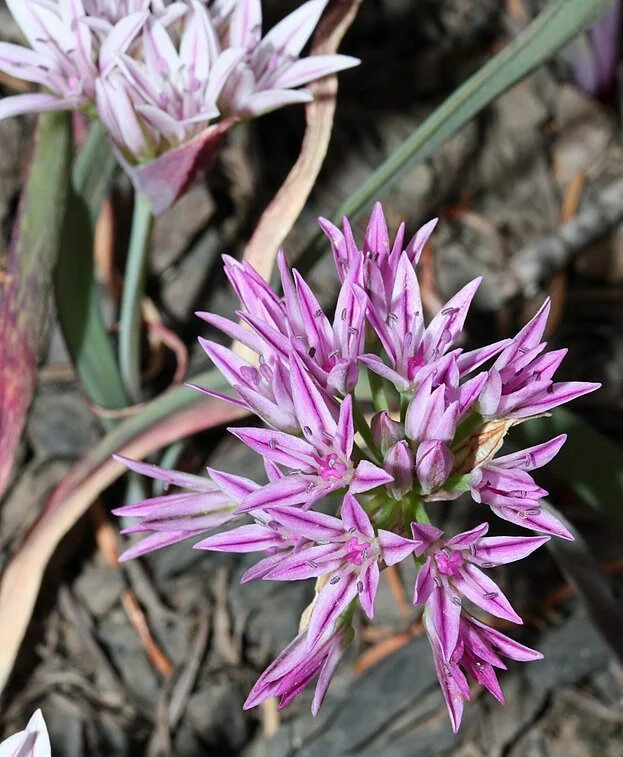
Flower Seeds
Olympic Onion Seeds – Allium crenulatum Flower Seeds – 10 Seed Pack – Outdoor Native Plant
Sold 50 products
Original price was: $25.00.$17.50Current price is: $17.50.
Sold 50 products
Original price was: $25.00.$17.50Current price is: $17.50.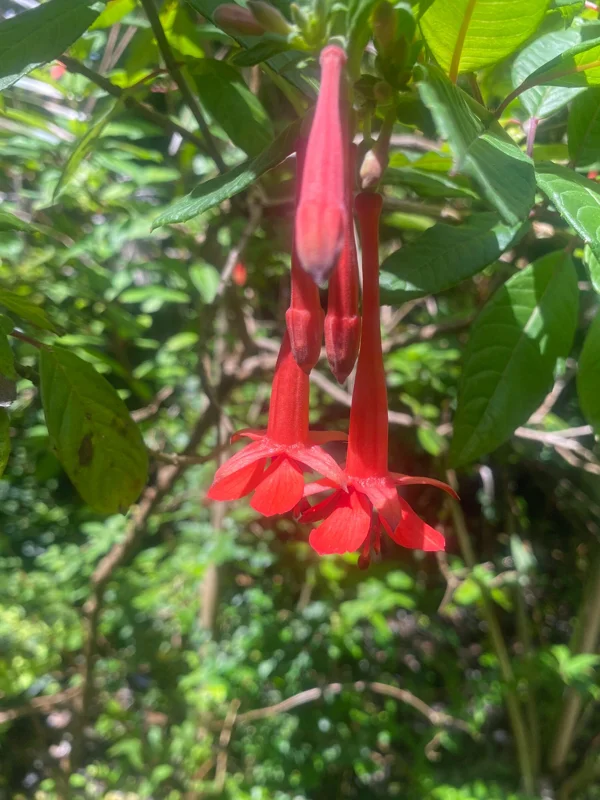
Flower Seeds
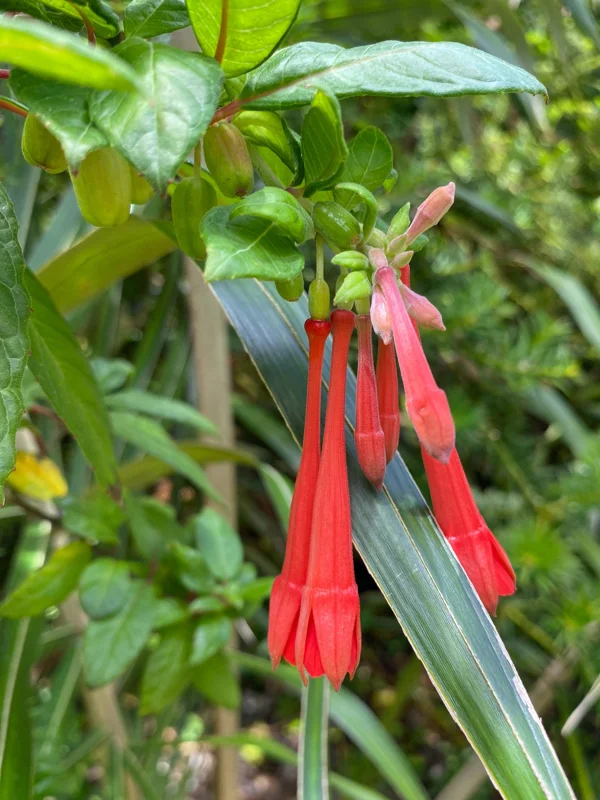
Fuchsia vulcanica Seeds – 20 Pack – Vibrant Orange Coral Flowers for Garden & Containers
Sold 50 products
Original price was: $25.00.$17.50Current price is: $17.50.
Sold 50 products
Original price was: $116.98.$95.68Current price is: $95.68.
Sold 50 products
Original price was: $21.00.$14.10Current price is: $14.10.
Aquatic Plant Seeds
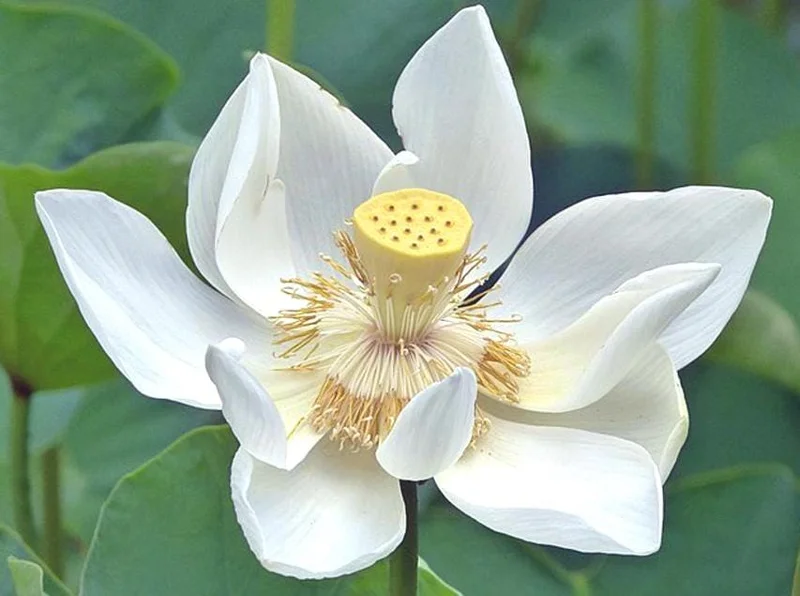
White Lotus Seeds – Nelumbo Nucifera Aquatic Pond Plant – 5 Seeds for Water Garden
Sold 50 products
Original price was: $29.00.$20.90Current price is: $20.90.RELATED posts
Awapuhi Wild Ginger Plant: Zones, Care, and Propagation
Learn which USDA zones suit awapuhi wild ginger, plus sunlight, water, planting, propagation, pests, size, [...]
Awapuhi Shampoo Ginger – Care, Growing Zones, and Differences
Learn how to grow awapuhi (shampoo) ginger, its USDA zones, watering schedule, propagation tips, and [...]
Awapuhi Shampoo Plant Buying Guide – Choose the Right Zingiber zerumbet
META: Learn which awapuhi (shampoo ginger) plant or rhizome pack gives the best natural shampoo, [...]
Awapuhi Plant for Sale: Complete Buying Guide
Find the right awapuhi (shampoo ginger) plant, size, price, soil mix, and online source. Practical [...]
Shampoo Ginger Plant for Sale – Buying Guide & Tips
Find the right shampoo ginger plant, size, price, and care tips. Quick guide for U.S. [...]
Shampoo Ginger Plant (Awapuhi) Care Guide
Learn how to grow, care for, and use shampoo ginger (Zingiber zerumbet), the tropical awapuhi [...]
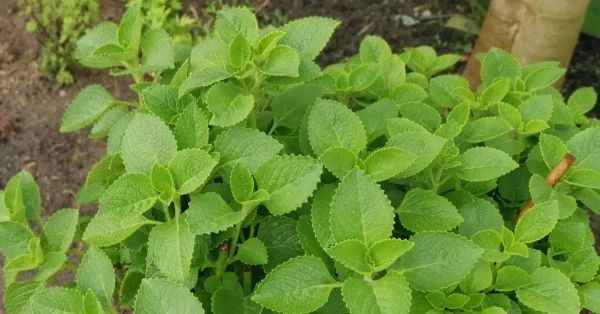
How to Grow Cuban Oregano Plants: A Complete Care Guide
If you’ve ever wanted a plant that combines the culinary punch of traditional oregano with [...]
Aug
How to Grow Habanero Pepper Plants: A Step-by-Step Guide
Habanero pepper plants are prized for their vibrant colors, intense heat, and exceptional flavor, making [...]
Aug
Reviews
There are no reviews yet.