
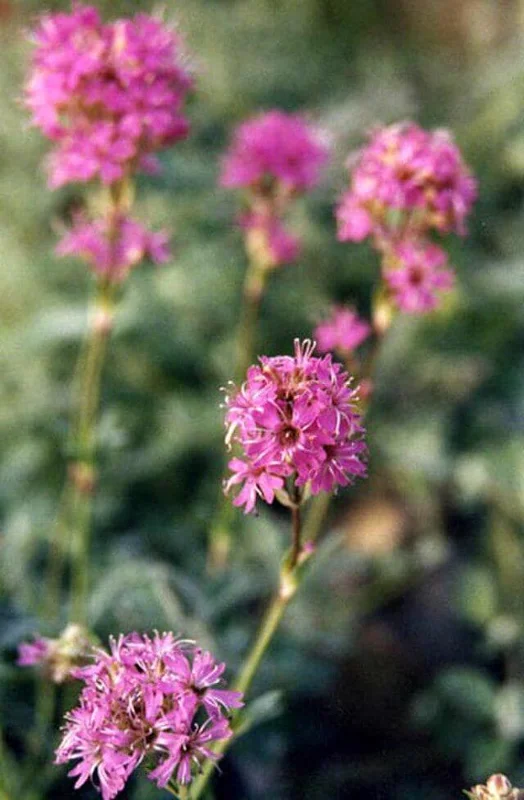
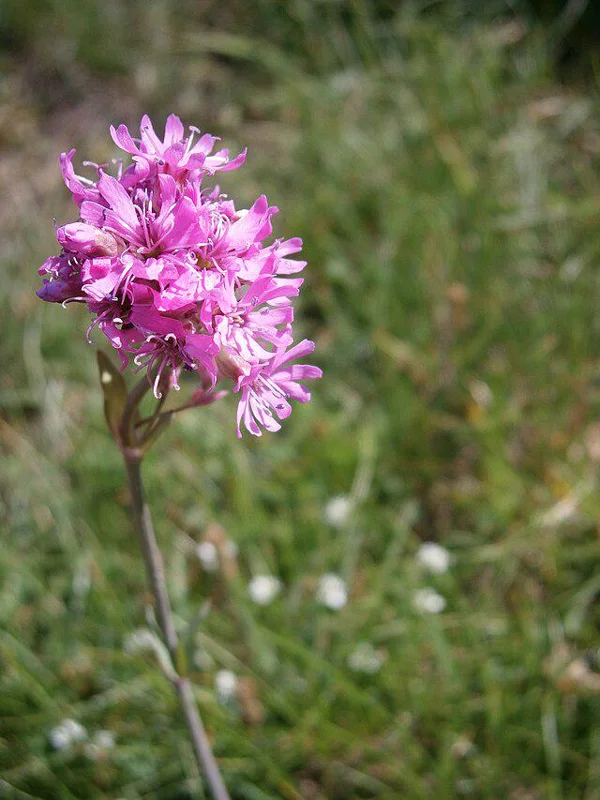
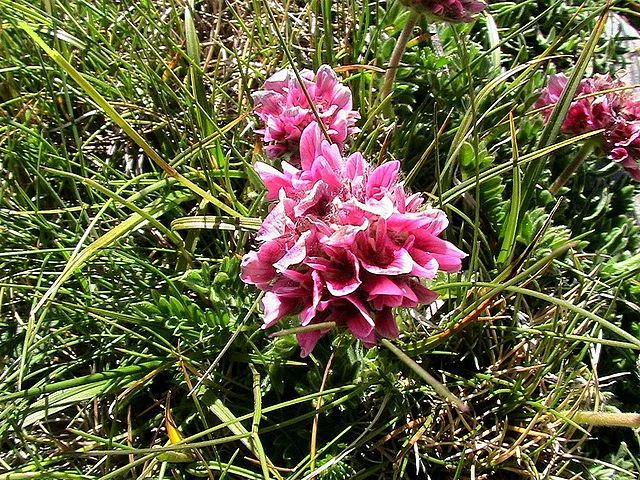
Alpine Catchfly Seeds – Viscaria alpina – 25 Seeds, Pink Flowers, Perennial
Original price was: $25.00.$17.50Current price is: $17.50.
Cultivate stunning alpine catchfly seeds (Viscaria alpina) and bring vibrant pink blooms to your garden. This hardy perennial is perfect for rock gardens, alpine beds, and challenging landscapes, offering low-maintenance beauty. Each packet contains 25 seeds for a delightful display.
Shipping and Return policies:
We stand behind our plants with our Alive & Thrive Guarantee. If you experience any issues within the first 30 days, please email us, and our team will be happy to help. When needed, we’ll send you a one-time replacement free of charge to make sure your garden keeps growing strong.

Reasonable Price
We offer reasonable price

Support 24/7
Contact us 24 hrs a day
100% Money Back
You’ve 30 days to Return
Payment Secure
100% secure payment
Overview
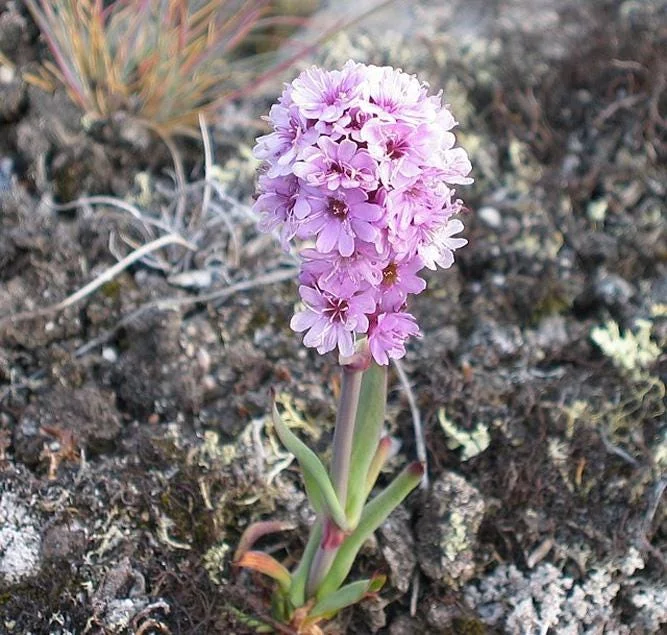
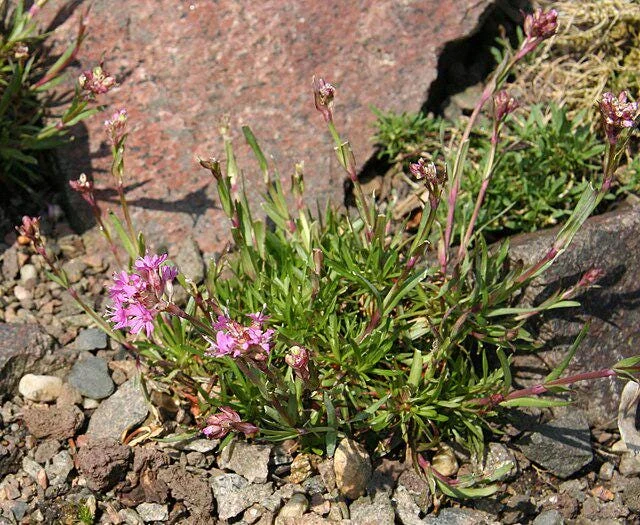
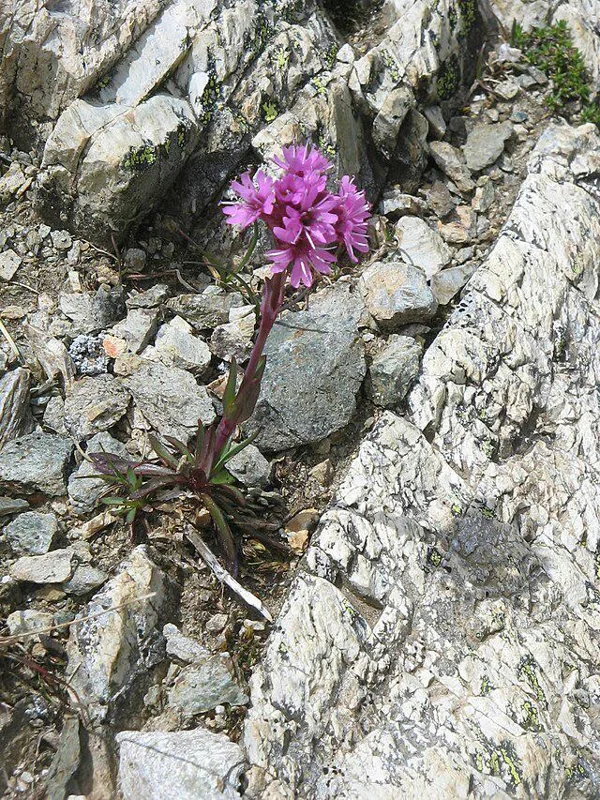
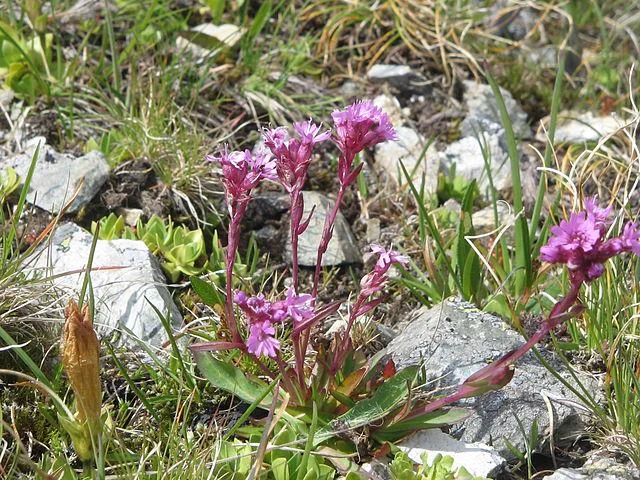
Discover the charm of the mountains with our premium alpine catchfly seeds. These seeds, from the botanical marvel Viscaria alpina, promise to transform your garden into a picturesque alpine landscape. Commonly known as Alpine Catchfly, this delightful perennial herbaceous plant belongs to the Caryophyllaceae family and is native to the rugged mountainous regions of Europe and parts of Asia. It thrives in challenging environments, making it an excellent choice for rock gardens, scree habitats, and well-drained slopes. Growing to a compact height of 4–10 inches, the plant forms attractive clumps of slender, lance-shaped green leaves. In late spring to summer, it bursts forth with delicate, five-petaled, bright pink to magenta flowers, clustered at the ends of upright stems. These vivid blooms create a striking contrast against the foliage, adding a splash of color to any high-altitude or dry landscape. The flowers often feature a sticky base, which gives the plant its unique common name and helps deter crawling insects. Our viscaria alpina seeds are your gateway to cultivating this resilient and beautiful specimen.
Key Benefits
Cultivating alpine catchfly seeds offers a multitude of benefits for both novice and experienced gardeners. This hardy perennial is known for its adaptability and stunning floral display, making it a valuable addition to various garden settings. Its vibrant color and low-maintenance nature are just a few reasons why it’s a popular choice.
- Vibrant Floral Display: Enjoy a spectacular show of bright pink to magenta flowers from late spring through summer, adding intense color to your garden when many other plants are fading. These blooms are perfect for creating visual interest in rockeries and borders.
- Exceptional Hardiness: Viscaria alpina is incredibly resilient, tolerating poor soils, cold climates, and harsh conditions. This makes it an ideal plant for challenging garden spots where other flora might struggle. It’s truly a testament to nature’s endurance.
- Low Maintenance: Once established, Alpine Catchfly requires minimal care, making it a perfect choice for gardeners seeking beauty without constant attention. Its ability to thrive in dry conditions reduces watering needs, saving time and resources.
- Ideal for Rock Gardens: Its compact size and preference for well-drained, gritty soil make alpine catchfly seeds perfectly suited for rock gardens, alpine beds, and scree landscapes. It complements rocky features beautifully and enhances their natural aesthetic.
- Attracts Beneficial Insects: While its sticky stems deter crawling pests, the vibrant flowers of the Alpine Catchfly can attract pollinators like bees and butterflies, contributing to a healthy garden ecosystem.
- Compact Growth Habit: The low-growing nature of this plant, typically reaching 4-10 inches, makes it an excellent groundcover or border plant, creating a neat and tidy appearance without overrunning other plants.
- Soil Adaptability: Thrives in a range of well-drained soils, including sandy or gritty mixes, demonstrating its versatility and ease of integration into diverse garden environments.
Plant Care & Growing Tips
Growing alpine catchfly seeds successfully requires understanding its natural habitat and mimicking those conditions. This plant is well-adapted to high-altitude environments, so attention to soil, light, and stratification is key. The process begins with proper seed preparation to ensure successful germination.
To germinate viscaria alpina seeds, a cold stratification process is essential to break seed dormancy. This mimics the plant’s natural experience of winter. Start by placing the 25 seeds in a moist paper towel or a small amount of sand, then seal them in a plastic bag and refrigerate for 3–4 weeks. After stratification, sow the seeds on the surface of a well-draining, sandy or gritty seed-starting mix, as they require light to germinate. Gently press the seeds into the soil but avoid covering them. Maintain consistent moisture in the soil, ensuring it is evenly moist but never waterlogged. Position the container in a location that receives bright, indirect light, with temperatures ideally around 18–20°C (64–68°F). Germination typically occurs within 2–4 weeks. Once seedlings are robust enough to handle and have developed a few true leaves, they can be transplanted into individual pots or directly into a prepared garden bed. Alpine Catchfly thrives in cool, dry conditions and prefers full sun to partial shade, making it an excellent choice for rock gardens or other low-maintenance, alpine-style landscapes. It is well-suited for USDA Zones 3-10, showcasing its remarkable cold hardiness. Fertilization is generally minimal; a light application of balanced slow-release fertilizer in early spring is usually sufficient.
Size & Details
This offering includes 25 seeds of Viscaria alpina, commonly known as Alpine Catchfly. When mature, this charming perennial typically reaches a height of 10–25 cm (4–10 inches) and forms compact clumps or mats of foliage. The delicate, five-petaled, bright pink to magenta flowers appear in late spring to summer, creating a striking visual impact. These alpine catchfly seeds are shipped in a protective packet, ready for stratification and planting. With proper care, you can expect germination within 2–4 weeks after stratification, leading to established plants that will bloom in their second year. The plants will spread to form a mat of foliage, providing excellent groundcover and vibrant color. Its moderate growth rate allows for easy integration into existing garden designs without becoming invasive.
Frequently Asked Questions
- Q: How many seeds are included in this packet? A: Each packet contains 25 seeds of Viscaria alpina, providing ample opportunity to grow a beautiful patch of Alpine Catchfly in your garden.
- Q: What is cold stratification, and why is it necessary for these seeds? A: Cold stratification is a process of exposing seeds to cold, moist conditions to break dormancy. For viscaria alpina seeds, it mimics natural winter conditions, signaling to the seed that it’s time to germinate. This is crucial for successful sprouting.
- Q: How tall does the Alpine Catchfly plant grow? A: This low-growing perennial typically reaches a height of 10–25 cm (4–10 inches) and forms compact clumps, making it ideal for the front of borders or rock gardens.
- Q: Is this plant suitable for beginners? A: Yes, once the cold stratification and initial germination steps are followed, the Alpine Catchfly is a relatively low-maintenance plant, making it suitable for gardeners of all experience levels.
- Q: When is the best time to plant these alpine catchfly seeds? A: After the required 3-4 weeks of cold stratification, you can sow the seeds in late winter or early spring indoors, or directly outdoors after the last frost, ensuring they have light for germination.
- Q: What kind of sunlight does this plant prefer? A: Alpine Catchfly thrives in full sun to partial shade, preferring cooler conditions. In hotter climates, some afternoon shade can be beneficial.
- Q: What USDA Hardiness Zones is Alpine Catchfly suitable for? A: This hardy perennial is well-adapted to harsh conditions and is suitable for USDA Zones 3-10, tolerating a wide range of cold climates.
- Q: What type of soil is best for growing viscaria alpina seeds? A: Alpine Catchfly prefers well-draining, sandy or gritty soil. Good drainage is crucial to prevent root rot, especially in alpine environments.
- Q: How long does it take for the seeds to germinate? A: After cold stratification, germination typically occurs within 2–4 weeks when kept in bright, indirect light at temperatures around 18–20°C (64–68°F).
- Q: Will the Alpine Catchfly bloom in its first year from seed? A: While some plants may produce a few blooms in their first year under ideal conditions, Alpine Catchfly typically establishes its root system in the first year and produces its most abundant blooms in the second year and subsequent seasons.
Be the first to review “Alpine Catchfly Seeds – Viscaria alpina – 25 Seeds, Pink Flowers, Perennial”
You must be logged in to post a review.
People also Viewed
Sold 50 products
Original price was: $109.95.$79.98Current price is: $79.98.
Sold 50 products
Original price was: $25.00.$17.50Current price is: $17.50.
Flower Seeds
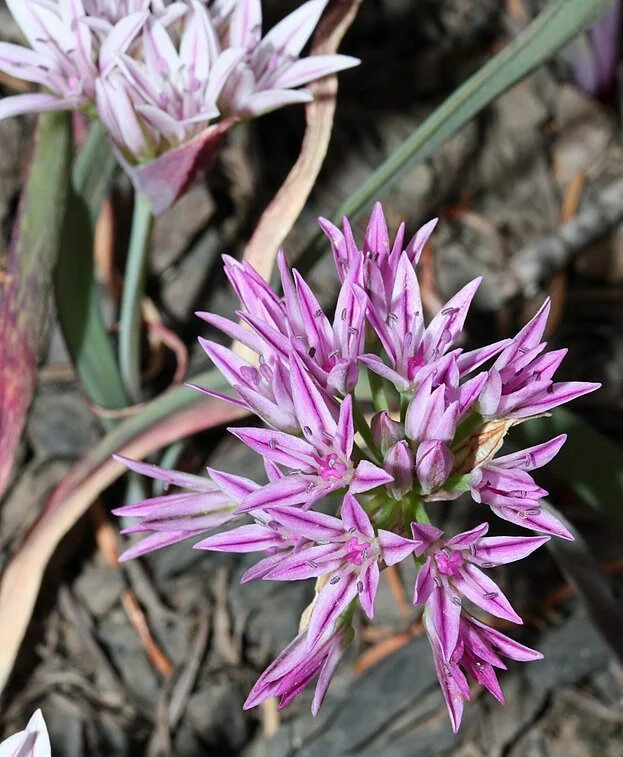
Olympic Onion Seeds – Allium crenulatum Flower Seeds – 10 Seed Pack – Outdoor Native Plant
Sold 50 products
Original price was: $25.00.$17.50Current price is: $17.50.
Sold 50 products
Original price was: $25.00.$17.50Current price is: $17.50.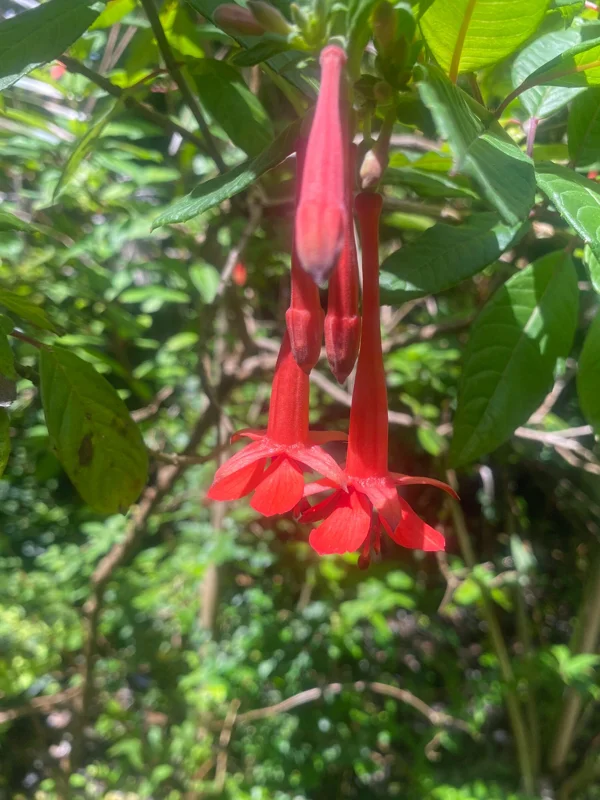
Flower Seeds
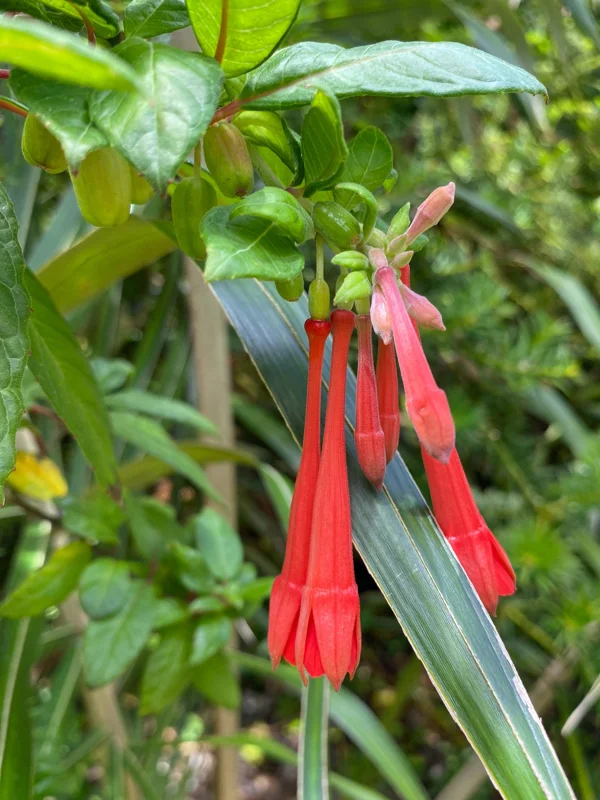
Fuchsia vulcanica Seeds – 20 Pack – Vibrant Orange Coral Flowers for Garden & Containers
Sold 50 products
Original price was: $25.00.$17.50Current price is: $17.50.
Sold 50 products
Original price was: $116.98.$95.68Current price is: $95.68.
Sold 50 products
Original price was: $21.00.$14.10Current price is: $14.10.
Aquatic Plant Seeds
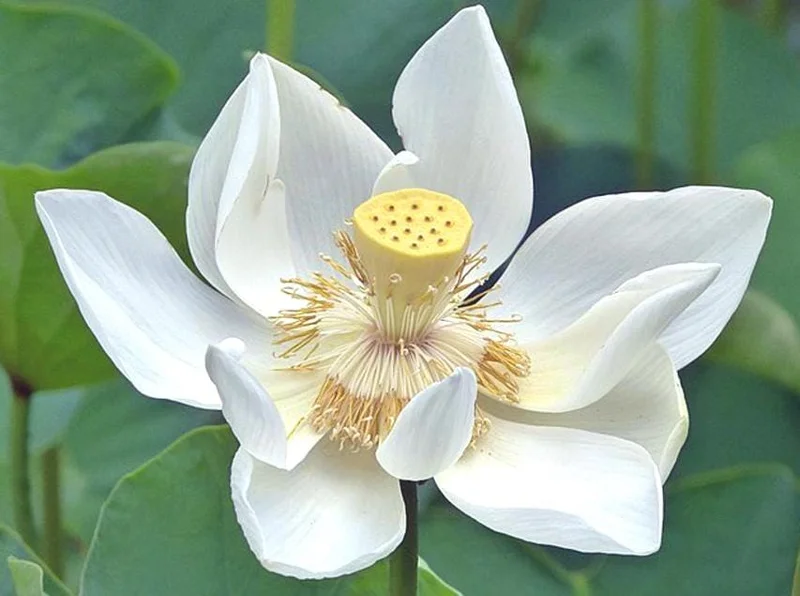
White Lotus Seeds – Nelumbo Nucifera Aquatic Pond Plant – 5 Seeds for Water Garden
Sold 50 products
Original price was: $29.00.$20.90Current price is: $20.90.RELATED posts
Awapuhi Wild Ginger Plant: Zones, Care, and Propagation
Learn which USDA zones suit awapuhi wild ginger, plus sunlight, water, planting, propagation, pests, size, [...]
Awapuhi Shampoo Ginger – Care, Growing Zones, and Differences
Learn how to grow awapuhi (shampoo) ginger, its USDA zones, watering schedule, propagation tips, and [...]
Awapuhi Shampoo Plant Buying Guide – Choose the Right Zingiber zerumbet
META: Learn which awapuhi (shampoo ginger) plant or rhizome pack gives the best natural shampoo, [...]
Awapuhi Plant for Sale: Complete Buying Guide
Find the right awapuhi (shampoo ginger) plant, size, price, soil mix, and online source. Practical [...]
Shampoo Ginger Plant for Sale – Buying Guide & Tips
Find the right shampoo ginger plant, size, price, and care tips. Quick guide for U.S. [...]
Shampoo Ginger Plant (Awapuhi) Care Guide
Learn how to grow, care for, and use shampoo ginger (Zingiber zerumbet), the tropical awapuhi [...]
How to Grow Cuban Oregano Plants: A Complete Care Guide
If you’ve ever wanted a plant that combines the culinary punch of traditional oregano with [...]
Aug
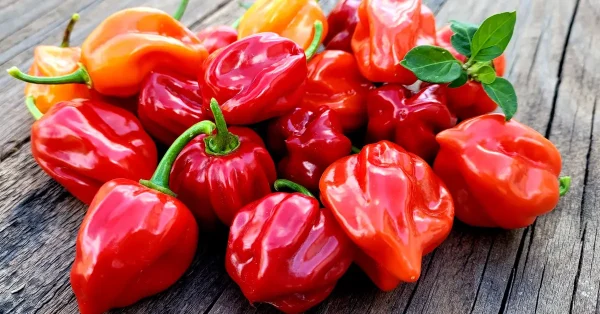
How to Grow Habanero Pepper Plants: A Step-by-Step Guide
Habanero pepper plants are prized for their vibrant colors, intense heat, and exceptional flavor, making [...]
Aug
Reviews
There are no reviews yet.