
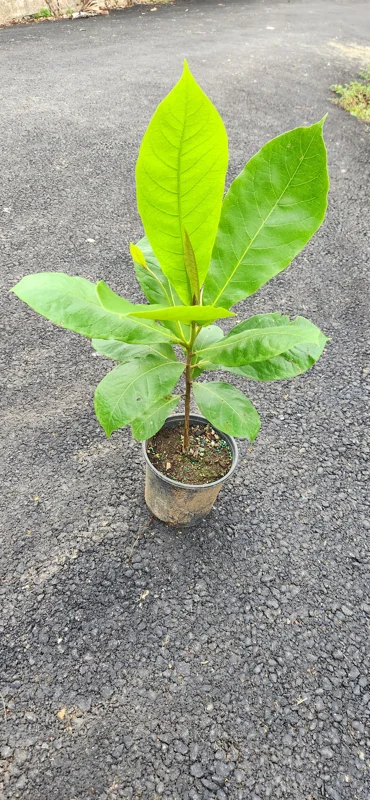
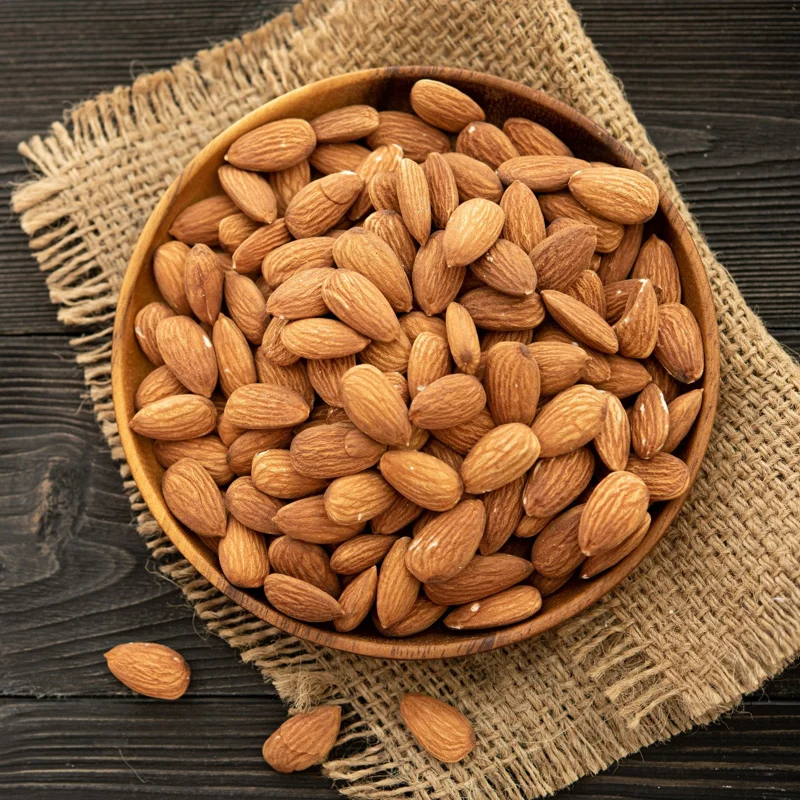
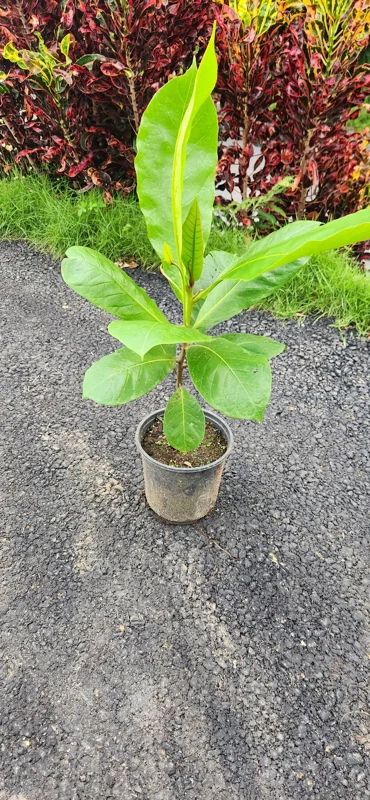
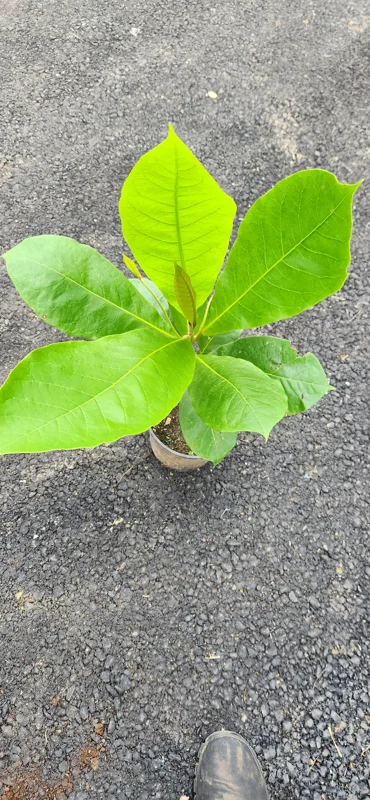
Almond Tree Live Plant – Prunus dulcis – 26 to 32 inches Tall Fruiting Tree
$140.00
Cultivate your own fresh almonds with this healthy almond tree live plant. Standing 26 to 32 inches tall, this Prunus dulcis variety is ideal for home gardens and provides delicious fruit in just a few seasons. Enjoy the beauty and bounty of your very own fruiting tree.
Shipping and Return policies:
We stand behind our plants with our Alive & Thrive Guarantee. If you experience any issues within the first 30 days, please email us, and our team will be happy to help. When needed, we’ll send you a one-time replacement free of charge to make sure your garden keeps growing strong.

Reasonable Price
We offer reasonable price

Support 24/7
Contact us 24 hrs a day
100% Money Back
You’ve 30 days to Return
Payment Secure
100% secure payment
Overview
Embark on the rewarding journey of cultivating your own nuts with this magnificent almond tree live plant. Scientifically known as Prunus dulcis, this beautiful and productive tree is a fantastic addition to any home garden, orchard, or even as a stunning ornamental specimen. Our premium seedlings are carefully selected from well-cultivated parent trees, ensuring you receive a healthy and vigorous plant ready to thrive. Standing at an impressive 26 to 32 inches tall upon arrival, this live almond tree offers a significant head start to growing your own delicious, fresh almonds. Imagine the satisfaction of harvesting your own crunchy, flavorful nuts right from your backyard. This particular variety is known for its hardiness and ability to produce abundant yields, making it a popular choice for both novice and experienced gardeners alike. Whether you’re looking to enhance your landscape with a beautiful flowering tree or eager to enjoy homegrown almonds, this almond tree live plant is an excellent investment.
The Prunus dulcis, commonly referred to as the almond tree, is a deciduous tree native to the Middle East and South Asia. It is cherished not only for its valuable nuts but also for its delicate and fragrant pink or white blossoms that appear in early spring, often before its leaves. These early blooms make it a captivating sight and an important early source of nectar for pollinators. The fruit, a drupe, contains a hard shell inside which lies the edible kernel—the almond we all know and love. This almond tree live plant is an opportunity to bring a piece of agricultural heritage and culinary delight directly to your garden.
Key Benefits
Bringing an almond tree live plant into your garden offers a multitude of benefits, from aesthetic appeal to the joy of fresh produce. These trees are not only beautiful but also surprisingly resilient and rewarding to grow.
- Homegrown Almonds: The most significant benefit is the ability to harvest your own fresh almonds. Unlike store-bought nuts, homegrown almonds can be enjoyed at their peak freshness, offering a richer, more nuanced flavor. This almond tree live plant can begin producing nuts in just a few seasons, providing a sustainable source of healthy snacks.
- Beautiful Ornamental Value: Beyond its fruit, the almond tree is a strikingly beautiful ornamental plant. Its early spring display of delicate white to pink blossoms creates a breathtaking spectacle, signaling the arrival of spring. The elegant form of the tree adds grace and structure to any landscape, making it a focal point in your garden.
- Pollinator Magnet: The early-blooming flowers of the Prunus dulcis are a vital food source for bees and other pollinators when few other plants are in bloom. By planting an almond tree live plant, you contribute to local biodiversity and support essential pollinator populations, which are crucial for the health of your entire garden ecosystem.
- Hardy and Adaptable: Almond trees are surprisingly hardy and can adapt to a variety of soil conditions, provided they are well-draining. They are drought-tolerant once established, making them a good choice for regions with drier climates or for gardeners seeking more sustainable landscaping options.
- Educational Experience: growing almond trees from a seedling provides a wonderful educational experience for families and children. It teaches patience, the cycles of nature, and the origins of our food, fostering a deeper connection to the environment.
- Long-Term Investment: An almond tree is a long-lived plant that, with proper care, can produce nuts for many decades. It’s an investment that grows in value, providing beauty, shade, and delicious harvests for generations.
- Versatile Use: Whether you’re establishing a small home orchard, adding a specimen tree to your front yard, or incorporating it into a larger garden design, the almond tree’s versatility allows it to fit into various landscape plans.
Plant Care & Growing Tips
Proper care is essential for a thriving almond tree live plant. While generally hardy, understanding its specific needs will ensure a bountiful harvest and a healthy, beautiful tree. Almond trees prefer a Mediterranean climate with hot, dry summers and mild, wet winters. However, with careful management, they can be successfully grown in other regions too.
Sunlight Requirements: The Prunus dulcis thrives in full sun, meaning it needs at least 6-8 hours of direct sunlight per day to produce the best fruit. Choose a location in your garden that receives ample sun exposure throughout the day. While it can tolerate some partial shade, nut production will likely be reduced. Ensure good air circulation around the tree to prevent fungal diseases.
Watering Schedule: When your almond tree live plant is young, consistent watering is crucial to establish a strong root system. Water deeply 2-3 times a week, especially during dry periods, ensuring the soil is moist but not waterlogged. Once established, almond trees are relatively drought-tolerant but will benefit from deep watering every 1-2 weeks during the growing season, particularly when nuts are developing. Reduce watering in the fall and winter.
Soil Type and Drainage: Almond trees prefer well-draining, deep, sandy loam soils with a pH between 6.0 and 7.0. They do not tolerate heavy clay soils or areas where water tends to sit, as this can lead to root rot. If your soil is heavy, amend it with organic matter like compost and sand to improve drainage. Good drainage is paramount for the health of your prunus dulcis tree.
Temperature Range & USDA Hardiness Zone: Most almond varieties are suitable for USDA Hardiness Zones 7-9, though some newer varieties can tolerate Zone 6. They require a certain number of chill hours (temperatures between 32°F and 45°F) during winter for proper bud development and fruit set. Protect young trees from severe frost, especially if temperatures drop below 20°F. In extremely hot climates, some afternoon shade can be beneficial to prevent scorching.
Fertilization: Fertilize your almond tree live plant annually in early spring before new growth begins. Use a balanced slow-release fertilizer or one formulated for fruit trees. Follow the product instructions for application rates. For young trees, a lighter application is usually sufficient. Avoid over-fertilizing, which can lead to excessive leafy growth at the expense of fruit production.
Pruning: Prune almond trees in late winter or early spring while they are dormant. Focus on removing dead, diseased, or crossing branches to improve air circulation and sunlight penetration. Shape the tree to encourage a strong scaffold of branches capable of supporting heavy nut loads. Regular pruning helps maintain tree health and productivity, which is key when you are growing almond trees.
Pest and Disease Management: Keep an eye out for common almond tree pests like aphids, mites, and navel orangeworms, as well as diseases such as shot hole fungus and brown rot. Good cultural practices, including proper watering, air circulation, and sanitation, are your first line of defense. Consult local agricultural extension services for specific treatment recommendations if problems arise. By following these almond tree care guidelines, you can expect a healthy and productive tree.
Size & Details
This almond tree live plant arrives as a vibrant, healthy seedling, typically measuring between 26 to 32 inches in height from the base of the root ball to the tip of the highest branch. It is shipped in a nursery pot, ensuring its root system is intact and protected during transit, ready for immediate planting upon arrival. The exact pot size may vary but is usually sufficient for the plant’s current size, allowing it to establish well in your garden. Almond trees are known for their moderate to fast growth rate, typically adding 1-2 feet of height per year under optimal conditions. They can eventually reach a mature height of 15-30 feet with a similar spread, forming a beautiful, rounded canopy.
Expect your almond tree live plant to begin bearing fruit within 3-5 years after planting, with full production achieved around 6-8 years. The nuts mature in late summer to early fall, ready for harvest when the outer hull begins to split open. This plant provides a tangible connection to nature’s cycles and offers a long-term source of delicious, healthy almonds. When you buy almond tree online, you receive a carefully packaged specimen designed to withstand shipping and provide a strong start in your garden.
Frequently Asked Questions
- Q: How big does this almond tree get at maturity? A: A: This almond tree live plant can reach a mature height of 15 to 30 feet tall with a similar spread. Its size can be managed with regular pruning, making it suitable for various garden sizes.
- Q: Is this an indoor or outdoor plant? A: This almond tree live plant is primarily an outdoor plant. It requires full sun and specific chill hours in winter to produce fruit, making it unsuitable for long-term indoor cultivation, although it can be started indoors in its early stages.
- Q: How much sunlight does an almond tree need? A: Almond trees thrive in full sun, requiring at least 6-8 hours of direct sunlight daily for optimal growth and fruit production. Plenty of sun is crucial for successful growing almond trees.
- Q: Is this plant easy to care for, especially for beginners? A: While not entirely hands-off, almond tree care is manageable for beginners. The most critical aspects are providing adequate sunlight, well-draining soil, and consistent watering during establishment. We provide care tips to help you succeed.
- Q: What condition will the almond tree arrive in? A: Your almond tree live plant will arrive as a healthy, actively growing seedling, securely packaged in a nursery pot with its root system intact. It will be ready for planting upon arrival.
- Q: How long until it starts producing almonds? A: Typically, an almond tree will begin to bear nuts within 3 to 5 years after planting. Full production is usually achieved around 6 to 8 years, providing a consistent harvest for many years to come.
- Q: What USDA Hardiness Zones is this almond tree suitable for? A: Most almond varieties, including the prunus dulcis tree, are best suited for USDA Hardiness Zones 7-9. Some varieties can tolerate Zone 6. Ensure your region meets the chill hour requirements for successful fruiting.
- Q: What kind of soil does an almond tree prefer? A: Almond trees prefer deep, well-draining, sandy loam soils with a neutral to slightly acidic pH. Good drainage is essential to prevent root rot and ensure the health of your almond tree live plant.
- Q: How often should I water my young almond tree? A: Young almond trees require consistent watering, especially during their first few years, to establish a strong root system. Water deeply 2-3 times a week, ensuring the soil remains moist but not waterlogged.
- Q: Can I grow this almond tree in a large container? A: While possible to start in a large container, almond trees typically grow quite large and perform best when planted directly in the ground. If container growing, choose a very large pot (at least 20-25 gallons) and be prepared for more frequent watering and fertilization.
Be the first to review “Almond Tree Live Plant – Prunus dulcis – 26 to 32 inches Tall Fruiting Tree”
You must be logged in to post a review.
People also Viewed
Sold 50 products
Original price was: $37.48.$23.98Current price is: $23.98.
Sold 50 products
$32.38
Sold 50 products
$27.38
Sold 50 products
$32.38
Sold 50 products
$19.88
Sold 50 products
$62.38
Sold 50 products
$24.88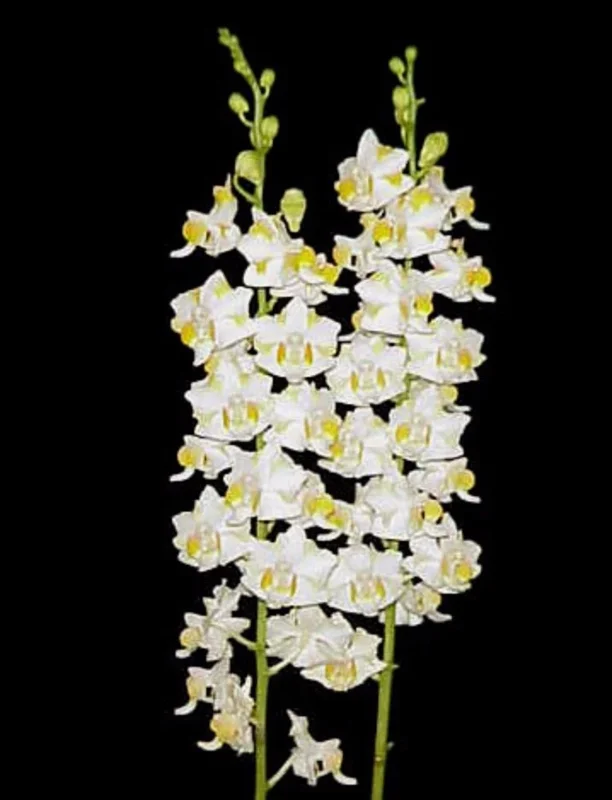
Houseplants
Phalaenopsis pulcherrima ‘Mauna Kea Snow’ Orchid Live Plant – White Flowers, Potted 2.5 in
Sold 50 products
$49.88RELATED posts
Awapuhi Wild Ginger Plant: Zones, Care, and Propagation
Learn which USDA zones suit awapuhi wild ginger, plus sunlight, water, planting, propagation, pests, size, [...]
Awapuhi Shampoo Ginger – Care, Growing Zones, and Differences
Learn how to grow awapuhi (shampoo) ginger, its USDA zones, watering schedule, propagation tips, and [...]
Awapuhi Shampoo Plant Buying Guide – Choose the Right Zingiber zerumbet
META: Learn which awapuhi (shampoo ginger) plant or rhizome pack gives the best natural shampoo, [...]
Awapuhi Plant for Sale: Complete Buying Guide
Find the right awapuhi (shampoo ginger) plant, size, price, soil mix, and online source. Practical [...]
Shampoo Ginger Plant for Sale – Buying Guide & Tips
Find the right shampoo ginger plant, size, price, and care tips. Quick guide for U.S. [...]
Shampoo Ginger Plant (Awapuhi) Care Guide
Learn how to grow, care for, and use shampoo ginger (Zingiber zerumbet), the tropical awapuhi [...]
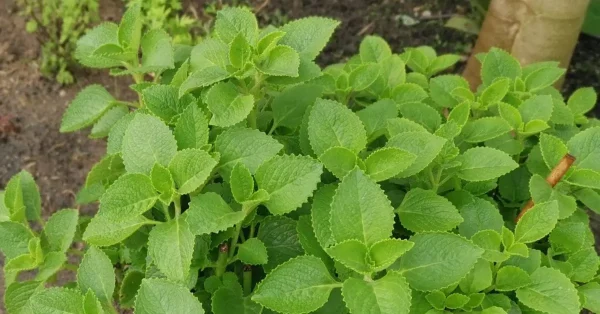
How to Grow Cuban Oregano Plants: A Complete Care Guide
If you’ve ever wanted a plant that combines the culinary punch of traditional oregano with [...]
Aug
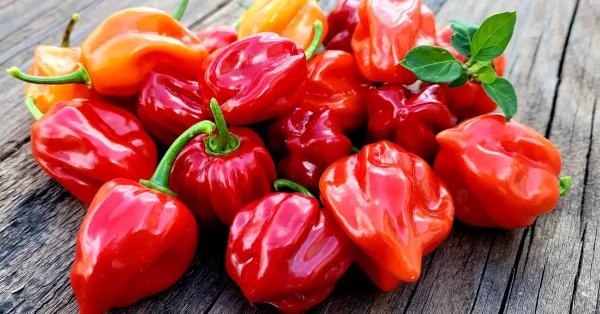
How to Grow Habanero Pepper Plants: A Step-by-Step Guide
Habanero pepper plants are prized for their vibrant colors, intense heat, and exceptional flavor, making [...]
Aug
Reviews
There are no reviews yet.